Publix Asks the Florida Supreme Court to Make Its Insurers Cover Opioid Lawsuits in a Case With Billions at Stake
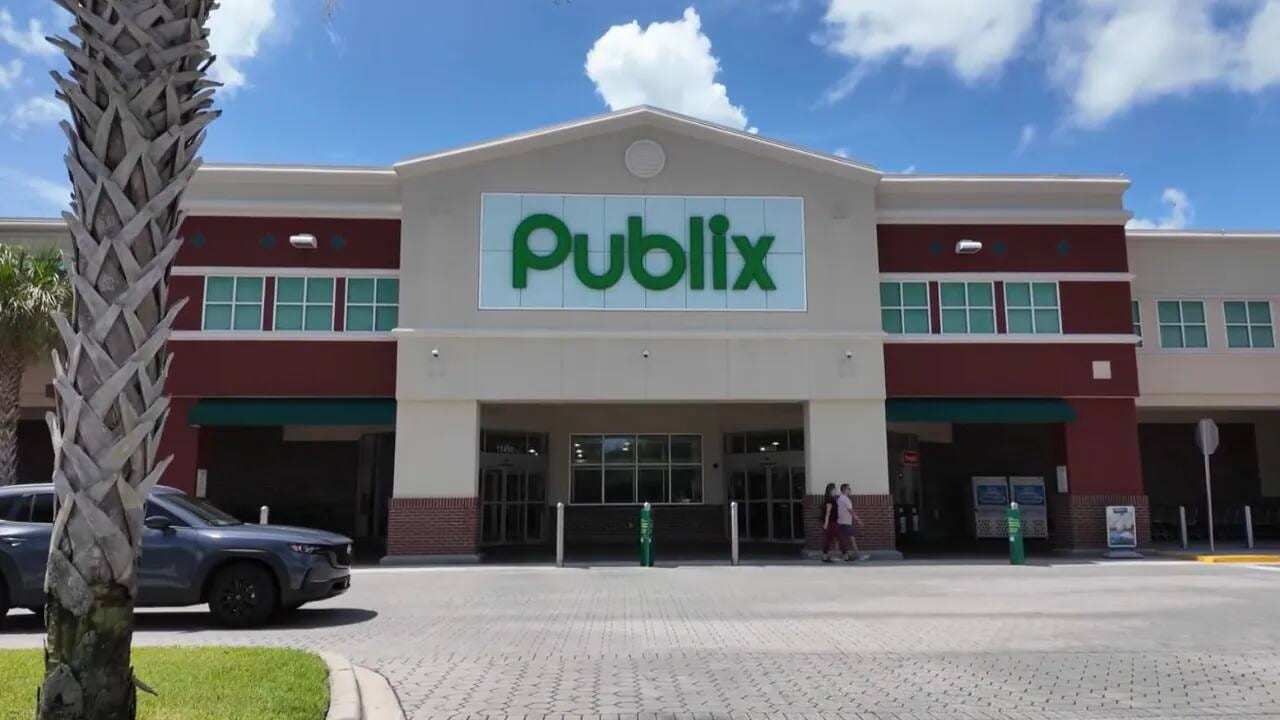
Publix Super Markets is fighting its own insurance companies in the Florida Supreme Court over who pays for the dozens of lawsuits accusing the Lakeland-based grocer's pharmacies of helping fuel the opioid epidemic. The justices have been asked to decide whether Publix's liability policies, which cover "damages because of bodily injury," require insurers to defend and indemnify the company against suits by local governments seeking to recover the public cost of the crisis.
The question reached Florida's high court in June, when the 11th U.S. Circuit Court of Appeals, which is hearing Publix's appeal of a loss in federal court, paused that appeal and asked the state's justices to settle the point of Florida law first. Briefing is underway. This week, two insurance industry groups filed friend-of-the-court briefs backing the insurers, News 6 reported.
How the dispute started
Local governments and others have sued pharmacies across the country, alleging they failed to "monitor, detect, investigate, refuse, and report suspicious orders" of prescription opioids, as the 11th Circuit summarized the complaints. The plaintiffs seek the costs of providing health care and social services to people suffering from opioid addiction, and the costs of law enforcement and public safety tied to the epidemic. Publix faced more than 60 such lawsuits as of December 2025, according to Courthouse News Service, as cited by News 6.
Publix asked its insurers to help pay to defend those cases. They refused, saying the policies do not cover claims for economic losses traced to the opioid epidemic. Publix sued them for breach of contract in federal court in Tampa in November 2022. The suit originally named 19 insurers, with policies stretching from 1995 to 2018, according to trade press accounts of the case.
The insurers listed on the appeal include ACE Property and Casualty Insurance Company, American Guarantee & Liability Insurance Company, Fireman's Fund Insurance Company, The Hartford Fire Insurance Company, Indian Harbor Insurance Company, Steadfast Insurance Company and three Great American companies. Publix had bought what the court called "excess druggists liability" insurance, a product sold specifically to pharmacies.
What the federal courts did
U.S. District Judge Charlene Edwards Honeywell in the Middle District of Florida sided with the insurers. In rulings beginning in October 2024, she concluded that the government suits did not seek damages "because of bodily injury," and the court ultimately granted the insurers summary judgment. Publix appealed.
On June 11, 2026, a three-judge 11th Circuit panel of Judges Robin Rosenbaum, Britt Grant and Nancy Abudu issued an unsigned opinion that paired Publix's appeal with a similar Georgia case involving Bloodworth Wholesale Drugs. The panel noted that the parties agree the opioid suits seek "damages" and that addiction and overdose count as bodily injuries. The fight is over whether the suits seek damages "because of" those injuries.
The panel found little Florida precedent on point. The Florida Supreme Court has held that "because of" requires that the insured's liability be "caused by" its acts, but, the 11th Circuit wrote, it "has yet to spell out which causation standard applies, and what it takes to meet that standard." The panel certified one question to both the Florida and Georgia supreme courts: "Do the insurance policies in this case require the insurers to defend and/or indemnify the insured in the underlying opioid lawsuits?"
The court said the answer could have "significant consequences" for the states' insurance markets, "with billions of dollars at stake for parties well beyond the players in these few cases."
The two readings of the policy
The insurers argue that only lawsuits seeking redress for particular injuries to identifiable people are covered, and that the government suits instead seek reimbursement for broad public-service spending. They point to policy notice provisions that call for the names and addresses of injured persons.
Publix argues coverage turns on whether the damages trace to physical injuries suffered by people, whether or not they can be named. It relies on policy language defining damages because of bodily injury to "include damages claimed by any person or organization for care, loss of services, or death resulting at any time from the bodily injury." Governments are organizations, the argument goes, and hospital and treatment costs are "care."
Courts elsewhere are split, though most have sided with insurers, including the 6th Circuit, the Ohio Supreme Court and the Delaware Supreme Court in a Rite Aid case. The 7th Circuit ruled for a policyholder in a 2016 case.
Who is weighing in
In September, the nonprofit United Policyholders filed a brief supporting Publix. "The plain text of the policy requires only a causal relationship between the bodily injuries alleged in the Opioid Lawsuits and the damages sought in those actions," it argued, adding that any ambiguity must be read in Publix's favor.
This week, the American Property Casualty Insurance Association and the Complex Insurance Claims Litigation Association filed briefs for the insurers. "For coverage to apply, the damages sought must be 'caused by' or 'by reason of' the alleged bodily injury," one brief states, arguing that the public costs of the crisis are too indirectly tied to anyone's injury.
What is and is not at stake
The ruling will decide whether Publix's insurers must defend or cover the company in the opioid suits, potentially shifting large defense and settlement costs from Publix to its carriers. It will not decide whether Publix is liable for the harms alleged in those cases.
The impact could reach well beyond Publix. Because courts around the country have been weighing similarly worded policies in opioid cases, a Florida ruling would guide other pharmacies, distributors and businesses sued over public health crises, and the insurers that wrote their coverage.
This case is unrelated to the proposed downtown Jacksonville Publix and the city incentive package The Florida Press reported on Nov. 5.
What's next
Under Florida law, the Supreme Court may answer certified questions from federal appeals courts and is free to rephrase them; the 11th Circuit said it did not mean to restrict the issues the justices consider. The case is docketed as SC2026-0899, according to United Policyholders' case listing. No argument date has been reported. Once Florida's justices answer, the 11th Circuit will apply that answer to Publix's appeal, while Georgia's high court separately takes up the Bloodworth question.
Spotted an issue with this article?
Have something to say about this story?
Write us a letterComments
No comments yet. Be the first to weigh in.
Related Coverage
FPL Doubles Saving Steps to $30 Million, Opening $200 Bill Credits to More Struggling Florida Households
4h ago
Florida Will Pay to Rebrand President Donald J. Trump International Airport as Palm Beach County Accepts a State Grant of More Than $6 Million
4h ago

Miami Seaquarium Redevelopment Stalls as County Committee Defers Terra's 99-Year Lease With Dec. 30 Deadline Looming
1d ago

Hillsborough Approves $90 Million, Up to $263 Million in Tourist Tax Bonds for Rays Stadium in Outgoing Board's Final Meeting
1d ago