Rick Scott Makes Another Run at Senate Republican Leader
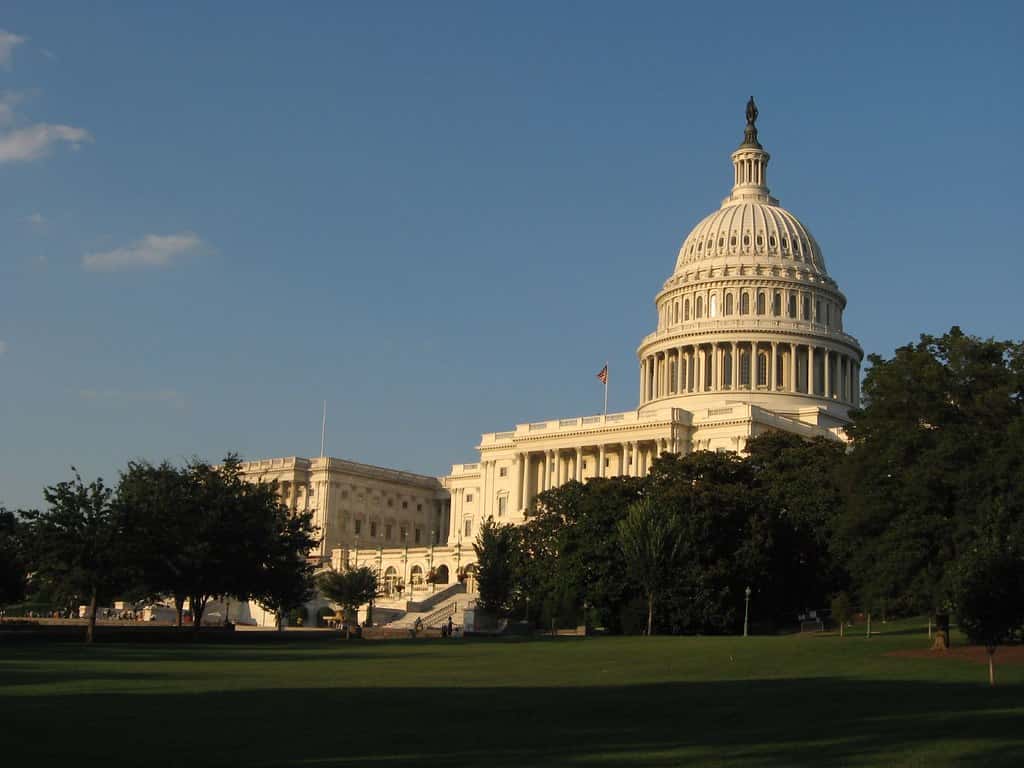
Sen. Rick Scott is pursuing the Senate Republican leadership for the second time in two years, and Florida's senior senator said on August 14 that he expects backing from Marco Rubio, now Secretary of State and Scott's former Senate colleague from Florida.
Scott said he had spoken with Rubio that day and that Rubio would continue to support him, citing what Scott described as Rubio's understanding of the importance of getting things accomplished and a willingness to do everything he can to help. Rubio had not issued a formal endorsement at that point.
The bid represents Scott's second attempt at the position. His first came in 2022, when he challenged Mitch McConnell for the Republican leadership and lost. He has positioned himself since as a voice for changing how the Senate Republican conference operates.
For Florida, the outcome carries practical stakes. A senator in leadership holds influence over floor scheduling, committee assignments and the composition of legislative packages, which affects a state's ability to advance its priorities.
What a Senate leader does
The Senate majority leader controls floor scheduling, determining which bills receive votes and when. That authority is the position's most consequential power, since a bill that never reaches the floor cannot become law regardless of its support.
The leader also manages the conference's internal politics, negotiating with the opposing party's leadership, coordinating with the White House when the same party holds it, and mediating among members with differing priorities.
Committee assignments run through the conference's steering process, which the leader influences. Those assignments determine which members have jurisdiction over which policy areas, and a state's representation on key committees affects its influence.
The minority leader's role is structurally different, centered on negotiating with the majority, coordinating opposition and preserving the minority's procedural leverage, primarily through the filibuster and unanimous consent requirements.
Scott's argument
Scott has consistently argued that the Senate Republican conference has functioned in a way that concentrates decision-making too narrowly and that produces large omnibus legislation negotiated among a small group rather than through committee work and floor amendments.
His preferred alternative has emphasized a more open amendment process, regular order appropriations passed as individual bills rather than combined packages, and greater conference input into strategy. Those positions have found support among a portion of the conference.
Scott's background before the Senate included two terms as Florida governor and a career in health care business. He has brought a fiscal focus to his Senate work, including proposals on federal spending that generated debate within his own party.
Whether that record persuades a majority of the Republican conference is the question any leadership bid resolves. Senate leadership elections are conducted by secret ballot among the conference's members.
The Florida delegation dimension
Florida currently has one senator in office alongside Scott, with Ashley Moody holding the seat Rubio vacated. Moody won her Republican primary on Tuesday and faces Democrat Angie Nixon in the November special election.
The composition of that seat after November affects Florida's Senate representation but not the leadership contest directly, since leadership elections occur within the conference after the general election results are known.
Rubio's position as Secretary of State places him outside the Senate but not outside its politics. Former senators serving in an administration frequently retain relationships and influence with former colleagues, and Scott's citation of Rubio's support reflects that dynamic.
Florida's House delegation, the third largest in the chamber, operates separately from the Senate but coordinates with the state's senators on matters where the state has unified interests, particularly disaster funding and flood insurance.
What it means for Floridians
Federal disaster appropriations are the clearest area where Senate leadership matters to Florida. Supplemental funding packages following major hurricanes require floor time and negotiation, and a Florida senator in leadership would have direct influence over both.
The National Flood Insurance Program's periodic reauthorization is another. The program has operated on short-term extensions repeatedly, which creates uncertainty for property transactions in flood zones, and Florida has more affected properties than any other state.
Agricultural policy affecting Florida citrus and specialty crop growers moves through farm bill legislation, which is negotiated over multi-year cycles and where floor scheduling and conference dynamics both matter.
Judicial confirmations for the federal courts covering Florida, including the district courts and the Eleventh Circuit, run through the Senate, and leadership controls the floor time those confirmations require.
How leadership elections work
Senate party leadership elections occur within each party's conference after a general election, before the new Congress convenes. Voting is by secret ballot, which means public commitments and actual votes can diverge.
That secrecy is a defining feature. Members can express support publicly while voting otherwise, and challengers have historically found that commitments gathered before a ballot do not always materialize.
The incumbent advantage in these contests is substantial. Leaders control resources members value, including campaign support through party committees and influence over assignments, which creates incentives for members to avoid opposing a sitting leader.
Challenges nonetheless occur when a significant portion of a conference is dissatisfied with direction or strategy. The 2022 challenge Scott mounted was the first contested Senate Republican leadership election in many years.
The stakes in November
Control of the Senate after the November elections determines whether the Republican leader is majority or minority leader, which changes the position's powers substantially.
Senate races across the country will determine that outcome, and Florida's special election is one of them. National forecasters assess the chamber's competitiveness based on the specific seats up in a given cycle.
Midterm elections have historically favored the party out of the White House, a pattern that has held with some consistency across cycles. How strongly it applies this year is one of the central questions in national election analysis.
Leadership elections follow the results, which means the contest Scott is pursuing will be resolved after voters have determined the chamber's composition.
The 2022 challenge and what followed
Scott's first bid for the Republican leadership came in November 2022, immediately after midterm elections in which Republicans underperformed expectations in Senate races. He challenged Mitch McConnell, who had led the conference since 2007.
The challenge was unsuccessful, and McConnell retained the position. It was nonetheless notable as the first contested Senate Republican leadership election in many years, and it signaled dissatisfaction within a portion of the conference.
Scott had chaired the National Republican Senatorial Committee during that cycle, a role that placed him at the center of the party's Senate campaign operation and that generated its own disagreements with McConnell over resource allocation and strategy.
The relationship between those two elements, the committee chairmanship and the leadership challenge that followed, shaped how the conference viewed the contest and remains part of the context for the current bid.
Florida's history in Senate leadership
Florida has rarely held top Senate leadership positions despite the size of its congressional delegation and its electoral significance. Leadership posts have historically gone to senators from states with different political profiles and to members with long tenures.
That absence has practical consequence. States with members in leadership generally fare better in appropriations and in the composition of legislative packages, since leadership controls what reaches the floor and in what form.
Rubio held a Senate seat for 14 years before joining the administration and served on the Intelligence and Foreign Relations committees, positions that carried influence in specific policy areas without conferring leadership authority.
Scott's tenure includes service on committees with jurisdiction over areas relevant to Florida, and his prior experience as governor gives him executive branch perspective that most senators lack.
The procedural questions behind the debate
Much of the disagreement Scott has raised concerns Senate procedure rather than policy. The chamber operates substantially through unanimous consent agreements, which allow business to proceed without the time-consuming votes that formal procedure would require.
That practice concentrates influence in leadership, since a leader negotiates those agreements and any single senator can block them. The alternative, processing legislation through full procedural steps, consumes floor time that limits how many bills can be considered.
Appropriations practice is the most frequently cited example. Congress has repeatedly funded the government through continuing resolutions and large omnibus packages rather than passing the individual appropriations bills that regular order contemplates.
Critics of that practice argue it removes members from meaningful participation and produces legislation few have read. Defenders respond that the individual-bill approach has repeatedly failed to produce results within available floor time.
What Florida wants from Washington
Florida's federal priorities are relatively consistent across administrations and parties. Disaster funding tops the list, given the frequency with which the state requests assistance and the scale of the amounts involved.
Flood insurance reauthorization is second. The National Flood Insurance Program covers more policies in Florida than in any other state, and its lapse or restructuring affects property transactions and household budgets directly.
Water infrastructure, particularly Everglades restoration, requires sustained federal appropriations matched by state funding. That program has enjoyed bipartisan delegation support across many years.
Military installations across the state, including MacDill, Eglin, Tyndall, Naval Air Station Pensacola, Naval Station Mayport and Patrick Space Force Base, depend on defense appropriations and on base infrastructure funding decisions made in Washington.
What's next
The general election is November 3. Senate leadership elections for the incoming Congress would follow in the weeks afterward, on a schedule the conference sets.
Formal endorsements from sitting senators, when they come, are typically announced publicly by the endorsing member. Those announcements provide the visible portion of a contest conducted largely in private.
Scott's Senate office publishes his legislative activity, floor statements and constituent service information, and his positions on Florida-specific matters including disaster funding and flood insurance are documented there.
Florida's own Senate special election between Moody and Nixon will be decided the same day, determining who represents the state alongside Scott in the next Congress.
Spotted an issue with this article?
Have something to say about this story?
Write a letter to the editorComments
No comments yet. Be the first to weigh in.
Related Coverage
Rick Scott and Ashley Moody file bill to shield Eglin Gulf test range from offshore drilling
7h ago

Miami Federal Judge Rules Federal Ban on Noncitizen Voting Unconstitutional in Broward Case
10h ago
Former Miami Congressman David Rivera Sentenced to 10 Years in Secret Venezuela Lobbying Case
12h ago

Federal judge strikes down ICE immigration courthouse arrest policy: what it means for Florida
15h ago