Rising Fuel Costs Squeeze Citrus County Stone Crabbers as 2026-27 Season Gets Underway
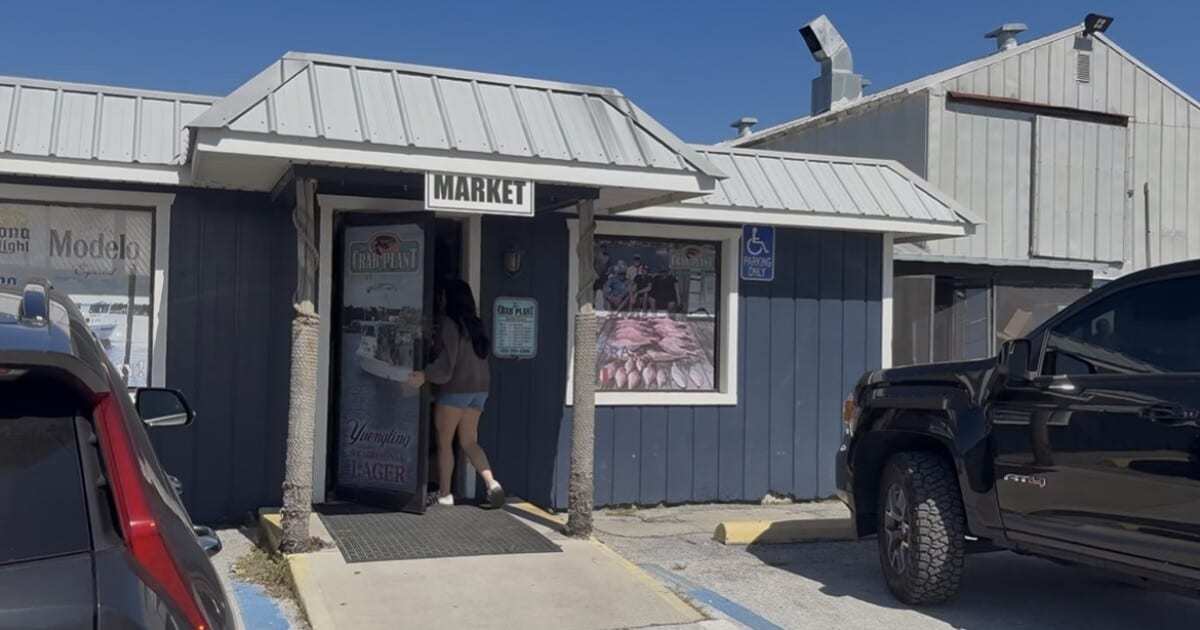
Florida's stone crab season is three weeks old, and in Citrus County the claws are coming in bigger than last year. The problem is what it costs to get them. Crabbers and seafood sellers in Crystal River and nearby Aripeka say higher fuel bills and slower consumer spending are cutting into a season that otherwise started on solid footing, according to reporting by WUFT News published by WUSF on Sunday.
The 2026-27 season opened Oct. 15 and runs through May 1, under rules set by the Florida Fish and Wildlife Conservation Commission (FWC). For the small operations that work the shallow Gulf waters off the Nature Coast, the first weeks matter, and so do the winter months when seasonal visitors arrive.
A decent start in Crystal River
At The Crab Plant in Crystal River, co-owner Kelly Kofmehl, who has been in the stone crab business since 1988, told WUFT the season has been decent. He said production was somewhat higher than last year and the crabs were larger. The business spent the summer hauling boats, repairing traps and maintaining equipment ahead of the first catch.
Kofmehl said a hurricane passing offshore while crews were setting traps stirred up the water and got the crabs moving, which helped early catches. He explained that crabs move more in rougher water.
Not every week cooperated. During the second week of the season, strong easterly winds kept boats in the area served by Shelly's Seafood Market off the water for several days, co-owner Michelle "Shelly" Smith told WUFT.
Karri Holliday, co-owner of Aripeka Stone Crab Company, described the start as average. She noted that the season usually opens strong because the crabs have rested through the summer closure.
Fuel is the pressure point
The common complaint is cost. Kofmehl summed it up by saying everything the business does is more expensive. Holliday said her retail and wholesale operation is dealing with higher fuel costs at the same time that customers are spending more cautiously.
Florida's fuel picture explains why. Diesel, which powers many commercial boats and the trucks that move product to market, climbed past $6 a gallon in Florida for the first time in September. AAA put the statewide diesel average at $6.31 on Sept. 14, up 63 cents in a week, compared with $3.55 a year earlier, WLRN reported, citing News Service of Florida. Gasoline averaged $4.14. AAA linked the run-up to renewed fighting in the Middle East that pushed oil prices higher.
Prices have eased only modestly since. Florida's diesel average hit a record $6.35 on Sept. 18 and stood at $5.81 on Oct. 5, according to AAA figures reported by News4Jax, still well above year-ago levels as crabbers were baiting and setting traps for the Oct. 15 opener.
For a crabber running a line of traps across miles of open water, that difference shows up on every trip. The WUFT report did not give specific fuel totals for the Citrus County businesses.
Holding prices, paying fishermen
The Crab Plant chose not to pass its higher costs on to customers. Kofmehl said the business kept retail prices at last year's levels and focused on running more efficiently instead.
That choice has a ripple effect up the chain. Smith said stone crab prices can change daily or weekly based on supply and demand, and that when market prices do not rise enough to cover expenses, the fishermen themselves make less. She said her market tries to pay as much as it can, but it cannot pay more than the market price.
The WUFT report did not list per-pound claw prices in Citrus County this season. Claws are generally sold by size grade, such as medium, large and jumbo.
How the fishery works
Florida's stone crab fishery is unusual because crabbers harvest claws, not whole crabs. Under FWC rules, claws must measure at least 2 7/8 inches, and harvesters return the crab to the water alive so the claw can regrow. Claws may not be taken from egg-bearing females. Both claws may be taken if both are legal size, though FWC notes that leaves the crab with fewer ways to feed and defend itself.
The current season framework dates to changes the FWC approved in 2020, when regulators concerned about declining harvests moved the season's end from May 15 to May 1 and raised the minimum claw size from 2 3/4 inches. Kofmehl was part of that debate: when the commission was considering an even earlier April end date, he proposed closing the season May 1 instead, WUSF reported at the time.
Other key rules for the 2026-27 season are summarized below.
| Rule | Requirement |
|---|---|
| Season | Oct. 15 through May 1; closed May 2 to Oct. 14 |
| Minimum claw size | 2 7/8 inches |
| Commercial traps | Tagged; worked in daylight only; removed within five days of closing |
| Escape rings | Three 2 3/8-inch rings on wire traps; one 2 3/16-inch ring on plastic and wood traps |
| Recreational limit | 1 gallon of claws per person or 2 gallons per vessel, whichever is less |
| Recreational traps | Up to 5 per person, with free FWC trap registration |
Commercial traps may be placed and baited up to 10 days before the season opens, but they cannot be pulled until opening day. Recreational harvesters age 16 and older must complete the free online registration before using traps, according to FWC.
Why winter matters on the Nature Coast
For Citrus County sellers, the next few months are the heart of the business. Kofmehl told WUFT that winter, when seasonal residents and visitors come to the area, is everything for The Crab Plant. Stone crab is a destination food along the Gulf Coast, and small markets like those in Crystal River and Aripeka depend on walk-in retail sales as much as wholesale orders.
That makes the combination of high operating costs and careful spending especially uncomfortable. Sellers who hold prices steady absorb the higher costs themselves, while those who raise prices risk losing customers already watching their budgets.
What's next
The season continues through May 1, 2027, with traps out of the water by early May. The key variables for Citrus County crabbers over the coming months are weather, which can keep boats at the dock for days at a time, and fuel prices, which remain well above last year's levels. Sellers say a strong start gives them a cushion, but whether this season ends up profitable will depend on whether winter demand holds and whether diesel keeps easing from its September peak.
Spotted an issue with this article?
Have something to say about this story?
Write us a letterComments
No comments yet. Be the first to weigh in.
Related Coverage
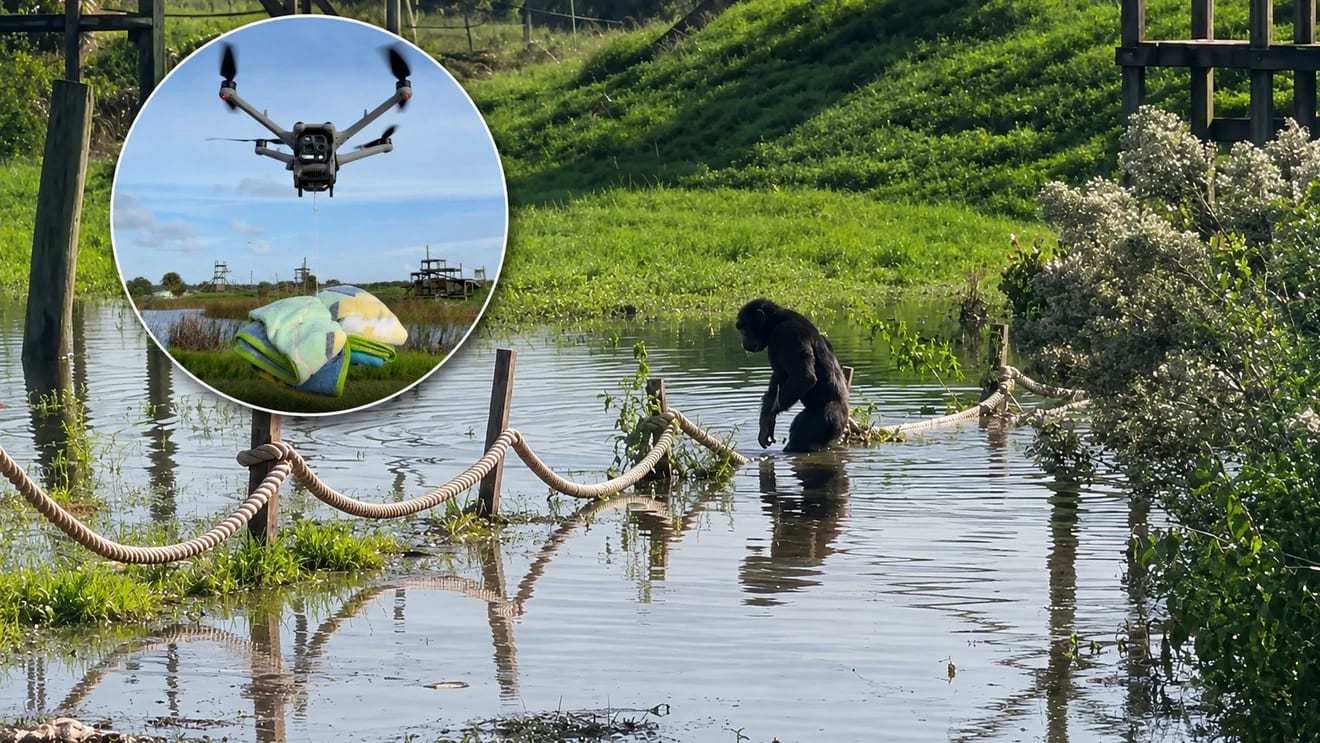
Fort Pierce Chimp Sanctuary Uses a Drone to Feed a Stranded Ape as Floodwater Swamps Save the Chimps
3h ago
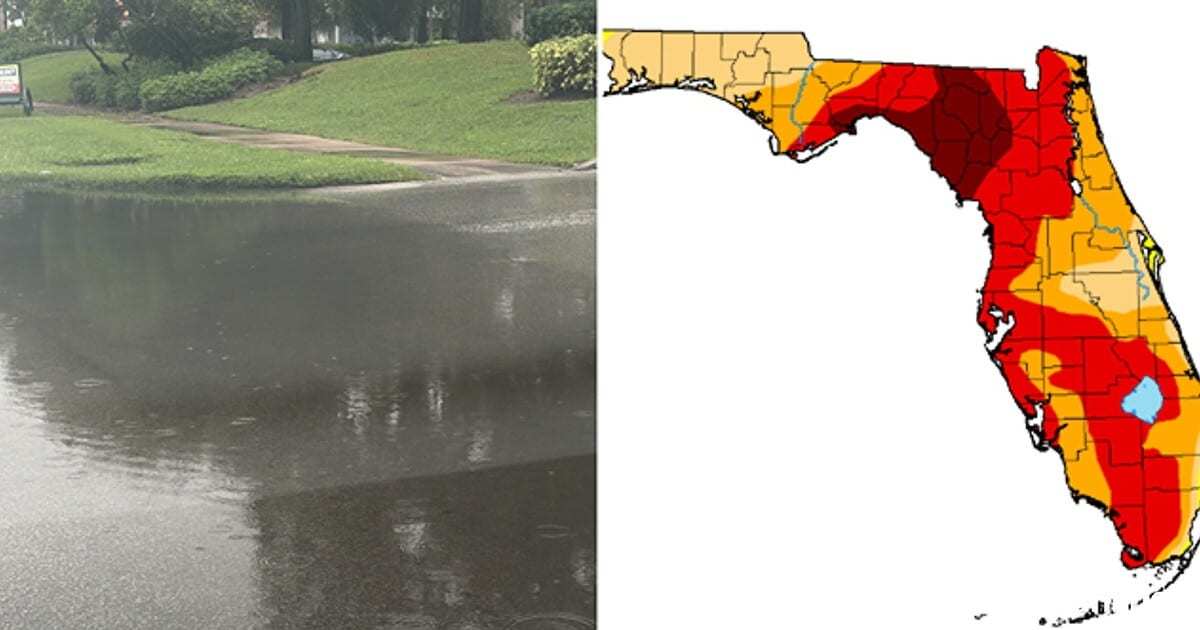
Florida's Rainy Season Ends With Drought Still Lingering Despite October Downpours and November Flooding
1d ago

Experts Warn Florida's State-Subsidized Septic Biofilters Might Not Work as Intended
3d ago
TECO's Manatee Viewing Center in Apollo Beach Opens 40th Season With Turtle Habitat, Permanent Ray Tank
5d ago