Student Loan Collections Loom for 9 Million in Default, Including Hundreds of Thousands of Floridians
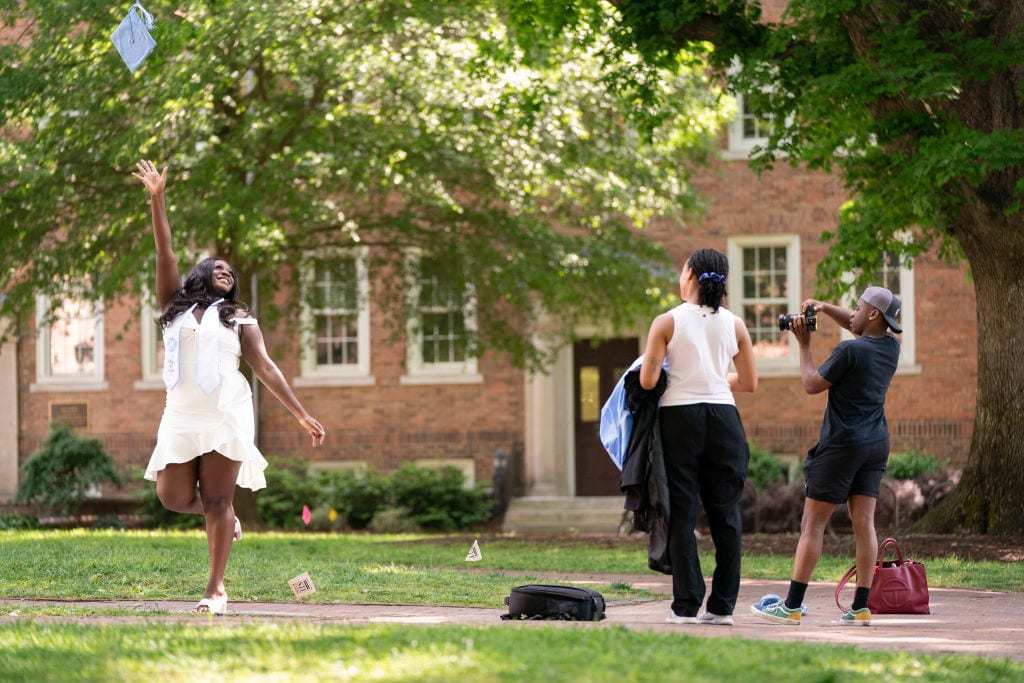
More than 9 million Americans in default on federal student loans, including several hundred thousand Floridians, are likely to face wage garnishment and seized tax refunds in 2027 as the federal government prepares to restart involuntary collections that have been paused since January. The defaulted borrowers owe a combined $234 billion, according to a Stateline analysis published this week and republished by the Florida Phoenix.
No restart date has been announced. But student loan advisers say borrowers in Florida who have ignored their loans since the pandemic payment pause ended should expect the government's most powerful collection tools to return, possibly in time for the next tax filing season.
What is coming for defaulted borrowers
Federal student loans go into default after about nine months of missed payments. Once that happens, the government can use collection powers that private lenders do not have. Through administrative wage garnishment, it can order an employer to withhold up to 15% of a borrower's disposable pay without going to court. Through the Treasury Offset Program, it can seize federal income tax refunds and certain other federal payments.
Betsy Mayotte, president of The Institute of Student Loan Advisors, told Stateline she expects collections to start next year and called the situation "heartbreaking." She said borrowers are often caught off guard when a tax refund they were counting on to catch up is taken instead.
The Washington Sun reported in October that collection plans would likely be announced after the midterm elections. Other reports in October said the Treasury Department was preparing to bring in private debt collectors and that officials had discussed a target around the April 15, 2027, tax deadline, though people familiar with the talks said the timing could slip. The Education Department did not respond to Stateline's questions, and it has not publicly confirmed a date.
How Florida borrowers compare
The federal government does not publish a simple count of defaulted borrowers by state, and private estimates vary. The Education Data Initiative, using first-quarter 2026 data, estimates that about 436,000 Florida borrowers have defaulted on federal student loans, roughly 15.8% of the state's student loan borrowers, with about $10.3 billion in defaulted balances. That works out to 9.1% of federally managed student loan dollars in Florida. Another tracker, The College Investor, puts the number of Florida borrowers in default higher, at about 589,000.
Florida is not among the hardest-hit states. An Associated Press analysis this summer found that 29 states had default rates of at least 20%, led by Mississippi at 28.3%. Florida was not among the 15 states with the highest rates. Stateline's analysis of second-quarter Education Department data found that more than a quarter of borrowers were in default in Mississippi, Louisiana and New Mexico, while the lowest rates, 15%, were in Massachusetts, New Hampshire, Utah and Wisconsin.
Federal Reserve Bank of New York data based on credit reports show defaults restarted in late 2025 and early 2026. In those two quarters alone, 13% of student loans went into default in Louisiana and Mississippi, and at least 5% did in every state. The New York Fed also found that older borrowers are struggling more than they did before the pandemic.
Why so many borrowers fell behind
During the COVID-19 pandemic, federal borrowers were allowed to stop paying without being marked delinquent or in default, and the pause was extended many times. Payments resumed in 2023, followed by a one-year grace period that ended in fall 2024. Borrowers began defaulting again in large numbers in June 2025.
The AP, citing Office of Federal Student Aid data, reported in July that the number of borrowers in default had grown from 5.3 million to about 9.5 million, roughly 1 in 5 federal student loan borrowers. Preston Cooper of the American Enterprise Institute told Stateline the government did a poor job of telling borrowers that repayment was resuming; some learned they were delinquent only when their credit scores were damaged.
Borrowers from for-profit colleges fall behind at more than twice the rate of borrowers from public or private nonprofit schools, according to the AP analysis.
A collection effort that keeps getting delayed
The pause now in effect is the latest in a series. The Education Department said in April 2025 that it would restart collections on defaulted loans that May, and wage garnishment notices went out to a first group of borrowers in early January 2026.
Then, on Jan. 16, 2026, the department announced it would delay involuntary collections, including administrative wage garnishment and Treasury offsets. It said the temporary delay would let it implement major repayment changes under the Working Families Tax Cuts Act, the 2025 law that reshaped federal student lending. Reports at the time said the pause came before any wages were withheld under the January notices. Student loan expert Mark Kantrowitz has noted that federal tax refunds were last offset for defaulted student loans in 2019.
The department has continued to report defaults to credit bureaus throughout the pause, which can lower borrowers' credit scores and affect their ability to rent an apartment, buy a car or get a mortgage.
Treasury takes over collections
The machinery behind collections has also changed. On March 19, 2026, the Education and Treasury departments announced a Federal Student Assistance Partnership that shifted operational responsibility for collecting defaulted federal student loans to Treasury. Treasury said it would use private default resolution agencies to help borrowers enroll in rehabilitation and other programs to get out of default. Defaulted borrowers are still directed to myeddebt.ed.gov for help and updates.
The National Association of Student Financial Aid Administrators cautioned at the time that moving loan responsibilities to agencies without deep experience in the programs could create new obstacles for students.
Options for Florida borrowers in default
Borrowers have two main ways out of default before collections resume:
- Loan rehabilitation, which requires nine on-time monthly payments based on income over a set period.
- Consolidation into a new federal Direct Consolidation Loan, which brings the loans current and allows enrollment in a repayment plan.
Paying off the balance in full also ends default. A new income-driven repayment option created by the 2025 law became available to borrowers on July 1, 2026, while the Biden-era SAVE plan is being eliminated, which will raise monthly payments for millions of people who had enrolled in it.
Advocates say many borrowers simply cannot keep up. Aissa Canchola Bañez, policy director for the advocacy group Protect Borrowers, said in comments cited by Fox 35 Orlando that borrowers are struggling to make ends meet as the cost of everything else rises.
What's next
The key date to watch is an announcement from the Education or Treasury departments setting when garnishment and tax refund offsets will restart. Borrowers who are in default should expect written notice before garnishment begins and should verify their contact information with their loan holder now. For Florida workers in default, the window to rehabilitate or consolidate before a paycheck or tax refund is touched may close early next year.
Spotted an issue with this article?
Have something to say about this story?
Write us a letterComments
No comments yet. Be the first to weigh in.
Related Coverage
Rubio acknowledges 'people are struggling' economically after GOP midterm losses as Florida Republicans hold on narrowly
46m ago
Cuban Man Who Lived in Miami Describes 'Nightmare' After ICE Deported Him to the Central African Republic
4h ago
FAA lifts historic nationwide ground stop as Florida airports dig out from thousands of canceled flights
20h ago
Two Epic Universe Performers From Argentina Held by ICE in Arizona After Flying From Orlando, as Friends Cite Pending Asylum Cases
1d ago