Florida's 7-OH Kratom Ban Faces a Lethal Loophole as Manufacturers Turn to New Compounds Like MGM-15
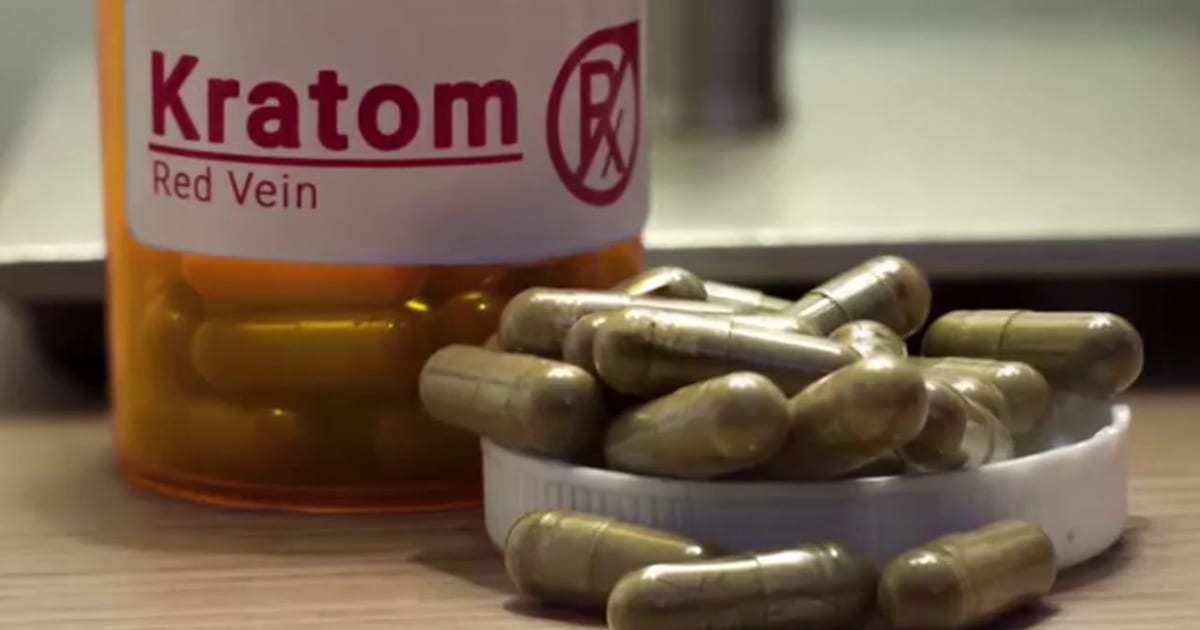
When Florida outlawed concentrated 7-hydroxymitragynine, the potent kratom derivative sold as "gas station morphine," manufacturers did not leave the market. They changed the chemistry. Products built on a close cousin of the banned compound, known as MGM-15, moved onto convenience store and vape shop shelves, and a Hernando County man's death from that substance pushed the state to widen its ban, according to a FOX 13 investigation. Federal regulators have since followed, but Florida's own restrictions still rest on temporary emergency rules that lawmakers have not made permanent.
The cycle of ban and substitution has left families, physicians and law enforcement chasing a moving target, as producers isolate, synthesize and concentrate the most active compounds in the kratom plant faster than regulators can name them.
What Florida banned, and when
Attorney General James Uthmeier first acted in August 2025, filing an emergency rule that placed isolated and concentrated 7-OH in Schedule I, the state's most restrictive category of controlled substances. The rule outlawed products with 7-OH concentrations above 0.04%, a level meant to separate concentrated products from the trace amounts that occur naturally in the kratom leaf, which typically range from about 0.01% to 0.04%.
On June 22, 2026, at Tampa General Hospital, Uthmeier signed an expanded emergency rule aimed at the substitute compounds that had appeared after the first ban. The new rule places seven chemicals in Schedule I:
- 7-hydroxymitragynine (7-OH)
- Mitragynine pseudoindoxyl
- 7-acetoxymitragynine
- 9-hydroxycorynantheidine
- 10-hydroxycorynantheidine
- MGM-15
- MGM-16
Under the June rule, no product may contain more than 1 milligram of the covered chemicals per gram of a solid or pill, or per milliliter of a liquid. Any product containing 7-OH or a related compound must also contain at least 100 times as much ordinary mitragynine by mass, a ratio officials said blocks super-concentrated formulas. Because the compounds are in Schedule I, violations can bring felony arrests, product seizures and prison terms of up to 30 years. Uthmeier said the concentrated products "present an imminent hazard to the public safety of Floridians."
The loophole and a Hernando County death
FOX 13 reported that after the 2025 ban, manufacturers slightly altered their formulas and replaced 7-OH with MGM-15. Hernando County resident Michael Walker died after ingesting MGM-15 along with smaller amounts of other synthetic kratom compounds, according to his medical examiner's report. About two weeks after the medical examiner signed that report, state officials extended the original emergency rule to explicitly cover MGM-15 and two other derivatives found in his toxicology screening, the station reported.
The products are typically sold as candy-flavored gummies, tablets, drink mixes, shots and concentrated liquid extracts at gas stations, vape shops and online, sometimes marketed as pain relief. Brands cited by state officials when the June rule was announced included Hydroxy, 7Tabz, 777 Jackpot Alkaloids, Roxy 7-OH and 7OHMZ. FOX 13 found that many products lack clear ingredient lists, bury dosage limits in fine print, or rely on disclaimers that shift responsibility to the consumer.
The toll in Florida
Florida medical examiners have linked at least 587 overdose deaths to 7-OH and related compounds since 2013, according to Uthmeier's office. Florida Poison Control received 95 calls about 7-OH and its derivatives in the first four months of 2026, putting the year on pace to surpass 2025, with reported exposures ranging from a 3-month-old to a 97-year-old. More than a quarter of recent poison control cases required intensive care, state officials said. Symptoms include tremors, high blood pressure, a racing heart, severe anxiety and seizures.
Nationally, U.S. poison control centers have received more than 14,000 kratom-related calls over the past 11 years, FOX 13 reported, with 3,434 reports in 2025 compared with 258 in 2015. Addiction physicians interviewed by the station described patients needing high doses of Suboxone, a medication used to treat opioid dependence, to get through withdrawal.
Agriculture Commissioner Wilton Simpson said in June that more than 23,000 illegal 7-OH packages had been pulled from Florida retailers since the first emergency rule.
Federal regulators move in
The federal government has now acted on some of the same substitutes. On Aug. 26, 2026, the Drug Enforcement Administration temporarily placed mitragynine pseudoindoxyl (MGPI), MGM-15 and MGM-16 in Schedule I nationwide, according to the U.S. Department of Justice. Those controls remain in effect while the DEA works through a new notice period.
7-OH itself is not yet federally scheduled. In an Oct. 9 announcement, the Justice Department said the DEA would issue a new notice of intent for 7-OH and MGPI adopting thresholds recommended by the U.S. Department of Health and Human Services: control would apply when either substance exceeds 1 milligram per gram in solids or 1 milligram per milliliter in liquids, or when products contain less than 100 parts mitragynine to one part 7-OH or MGPI. Those limits mirror the ones Florida adopted in June. Attorney General Todd Blanche said in the announcement that "dangerous and addictive opioids do not belong behind convenience store counters."
Legal and legislative uncertainty
Florida's restrictions have faced pushback. In November 2025, a retailer, a wholesale distributor and six 7-OH users challenged the original emergency rule at the state Division of Administrative Hearings, arguing it was not adopted through fair procedures and lacked a sufficient scientific basis. Some users and advocates argue that kratom compounds help people manage opioid withdrawal and should be regulated rather than banned.
The Legislature declined to settle the question in 2026. A House bill, HB 309 by Rep. Doug Bankson, R-Apopka, would have made possessing 7-OH above a set concentration a felony and cleared a House committee, but the session ended March 13 without a permanent ban. A Senate bill by Sen. Clay Yarborough, R-Jacksonville, originally included a 7-OH ban, but that provision was removed in negotiations with the House.
What's next
Because Florida's controls rest on emergency rules, their durability depends on renewal by the attorney general or permanent action by lawmakers, who return for the 2027 session in March. Federal scheduling of 7-OH could also settle much of the question nationwide once the DEA completes its new notice process. In the meantime, physicians and poison control specialists urge Floridians to treat any concentrated kratom product as a potential opioid, and to call Florida Poison Control at 1-800-222-1222 in an emergency or if someone shows signs of overdose or withdrawal.
Spotted an issue with this article?
Have something to say about this story?
Write us a letterComments
No comments yet. Be the first to weigh in.
Related Coverage
Judge fast-tracks challenge to Florida plan dropping four school vaccine requirements, setting December hearing before DeSantis exits
Oct 30
New State Review Finds No Unusual Rise in St. Lucie County Glioblastoma Cases, but Families Still Want a Street-Level Look
Oct 29

AdventHealth Surgeon in Celebration Removes Prostate From Patient in Minneola in What It Calls the First U.S. Robotic Telesurgery
Oct 29
Cape Coral Approves Up to $31 Million in Incentives for HCA Florida Hospital on Pine Island Road, Opening Targeted for 2029
Oct 26