Ten charged in alleged Gulf Coast poaching ring that sold reef fish and sea turtles
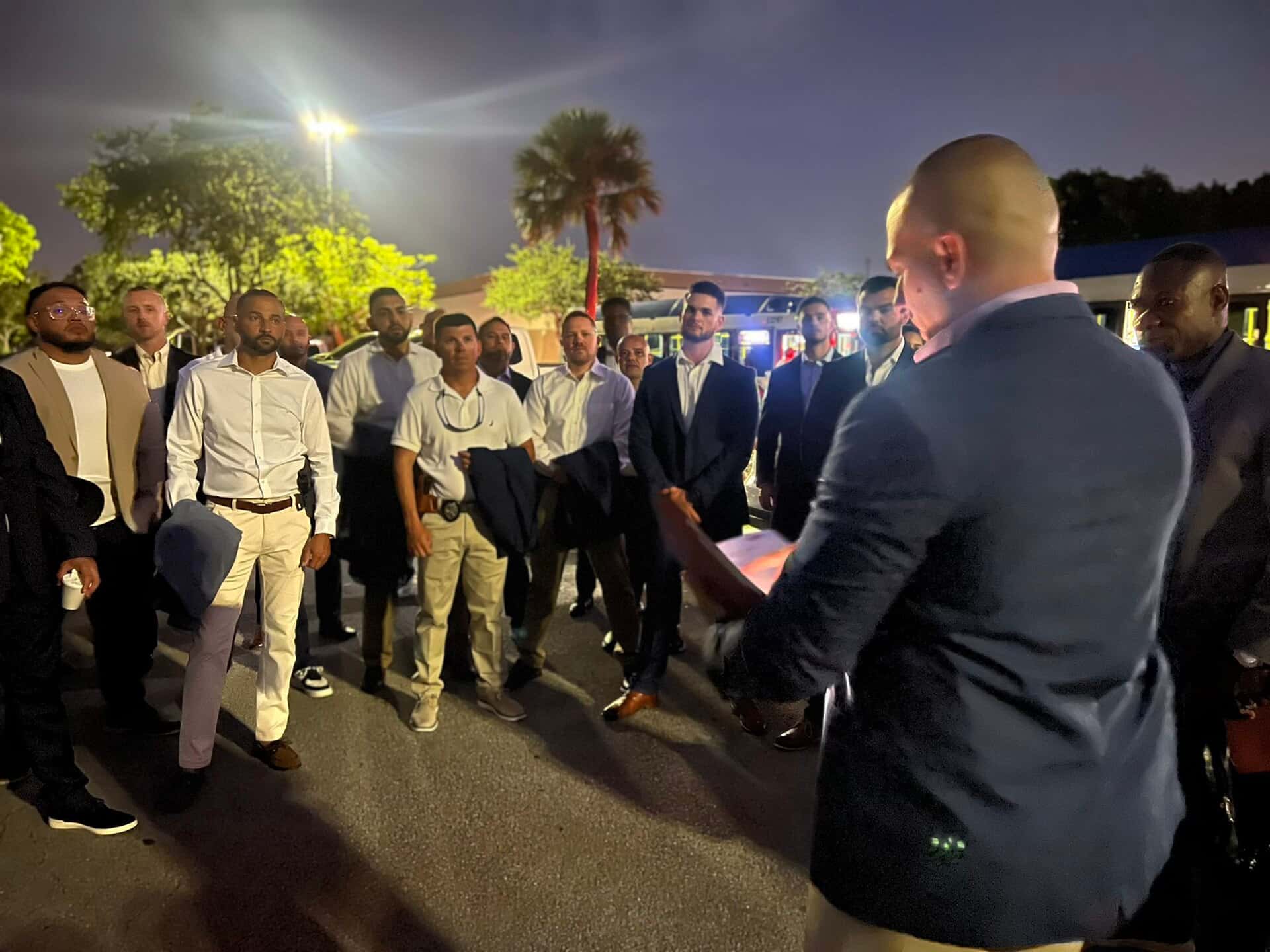
Ten people from Florida's Big Bend to Tampa Bay are charged with racketeering in what state officials describe as an illegal commercial fishing operation that poached about 23,000 pounds of reef fish and sold protected sea turtles, including hatchlings, to undercover wildlife officers. Attorney General James Uthmeier announced the charges on Monday, Oct. 5, at a news conference in Carrabelle, the Franklin County fishing town at the center of the alleged scheme.
The case grew out of a multiyear undercover investigation by the Florida Fish and Wildlife Conservation Commission (FWC) and the Office of Statewide Prosecution, which handles crimes that cross judicial circuits. Investigators allege the group illegally sold more than $150,000 worth of fish, shrimp and turtles. None of the defendants has been convicted, and all are presumed innocent unless proven guilty in court.
How the investigation started
According to state officials, the probe began in May 2022 while FWC officers were looking into complaints about reef fish poaching in the Gulf of America. During that work, one of the suspects allegedly approached undercover officers about buying illegally caught fish, opening a window into a network that investigators spent roughly four years documenting.
Investigators say the group routinely caught far more red snapper and gag grouper than the law allows, and reports from the news conference said redfish were among the species involved. To avoid the reporting requirements that track commercial landings, the defendants allegedly moved their catch through channels designed to stay off the books: dockside sales at night, sales out of their homes, and handoffs from boat to boat on the water.
Those reporting requirements are the backbone of Gulf fisheries management. Catch data from licensed dealers feed the quotas and season lengths set for species such as red snapper and gag grouper, so fish sold outside that system are invisible to regulators trying to keep stocks healthy.
Who is charged
All 10 defendants are charged with racketeering, conspiracy to commit racketeering and cheating, according to the attorney general's office. Several also face counts of unlawful use of a two-way communication device. Officials released the following names, ages and hometowns, along with the maximum prison terms each could face if convicted as charged.
| Defendant | Age | Hometown | Maximum term |
|---|---|---|---|
| Kayla Ann Boak | 36 | Bradenton | 65 years |
| Terry Stephen Carrington Jr. | 40 | Port St. Joe | 75 years |
| David Eugene Echterling | 60 | Eastpoint | 70 years |
| Anthony Emmett Folsom | 22 | Carrabelle | 75 years |
| Steven Hawley | 68 | Eastpoint | 70 years |
| Curtis Randolph Morse | 45 | Gibsonton | 65 years |
| Jordan Neylan | 31 | Apalachicola | 75 years |
| Robert Register | 40 | Carrabelle | 70 years |
| Joe Frank Tessa III | 44 | Largo | 70 years |
| Casey Lee Whitlock II | 20 | Crawfordville | 70 years |
Five of the defendants live in Franklin County communities along Apalachicola Bay and St. George Sound. The others come from Gulf, Wakulla, Manatee, Hillsborough and Pinellas counties, giving the case a footprint that stretches from the Big Bend to Tampa Bay. Cases that cross multiple judicial circuits are the kind the Office of Statewide Prosecution was created to handle.
The sea turtle allegations
The most striking allegations involve sea turtles. Three defendants, Carrington, Folsom and Neylan, are accused of catching sea turtles and selling five of them, three adults and two hatchlings, to undercover officers. Those three face additional charges of unlawful possession or sale of marine turtles, and they face the highest potential maximum sentences in the case, 75 years each.
All five sea turtle species that nest on Florida beaches are protected. Under Florida's Marine Turtle Protection Act, it is illegal to take, possess, sell or offer to sell any marine turtle or hatchling, or any part of one, and illegally taking or possessing a marine turtle is a third-degree felony under state law. The species are also protected under the federal Endangered Species Act. The Panhandle's beaches, from Franklin County west, host nesting loggerhead and green turtles each summer, and local volunteers spend months guarding nests there.
What officials said
Uthmeier framed the case as both a conservation issue and an economic one for law-abiding commercial fishermen. In a statement, he said that poachers abusing our natural resources will be prosecuted to the fullest extent. At the Carrabelle news conference, he said the alleged poaching is “not a victimless crime” and argued that large-scale illegal harvest can disrupt the broader ecosystem, according to coverage by WEAR-TV.
Uthmeier also questioned whether Florida's current poaching laws go far enough. Asked whether the laws are effective enough, he answered, “my answer is no,” WEAR reported, signaling that the attorney general may push for tougher penalties.
FWC Chairman Rodney Barreto said in a statement that “Florida's fisheries belong to all of us, and the rules exist to protect these resources.” Col. Alberto Maza, director of the FWC Division of Law Enforcement, said the alleged actions undermine Florida's resources and the livelihoods of law-abiding fishermen.
Ike Thomas, a seafood dealer who spoke to WEAR after the announcement, said he believes that for the most part “99% of the people play by the rules” and said he had trouble understanding how an operation that large went undetected for so long.
Why it matters on Florida's Gulf Coast
Franklin County's economy has long depended on the water. Carrabelle, Eastpoint and Apalachicola built their identities around oysters, shrimp and reef fish, and the collapse of the Apalachicola Bay oyster fishery over the past decade left many families leaning harder on other seafood. Legal commercial fishermen in the region compete directly with any untracked fish sold for cash at the dock.
The alleged overharvest also lands during a closely watched stretch for Gulf anglers. Florida's 2026 recreational gag grouper season in Gulf state waters ran only from Sept. 1 to Sept. 30, a short window that reflects years of concern about the species. The state's 2026 Gulf red snapper season was set at 140 days, the longest since Florida took over management of the recreational fishery, with weekend openings continuing through late December. Regulators set those seasons using landings data, the same data investigators say the defendants were avoiding.
Racketeering charges are reserved for patterns of criminal activity carried out through an enterprise, and they carry some of the stiffest penalties in Florida law. Prosecutors' decision to bring them in a fishing case signals that the state views the alleged scheme as an organized commercial operation rather than a string of individual bag-limit violations.
What's next
The cases will now move through the courts, where each defendant will have the chance to answer the charges. Prosecutors with the Office of Statewide Prosecution will handle the cases. Court dates for the 10 defendants were not announced Monday.
The FWC asks anyone who sees suspected fish or wildlife violations, including poaching of reef fish or harm to sea turtles, to report them to the Wildlife Alert hotline at 888-404-3922 or online at MyFWC.com/WildlifeAlert. Callers can remain anonymous.
Spotted an issue with this article?
Have something to say about this story?
Write us a letterComments
No comments yet. Be the first to weigh in.
Related Coverage

Port St. Lucie man accused of posing as ICE agent to intimidate voters at Brazilian election site at Miami Dade College
2h ago

DeSantis signs 20th death warrant of 2026: Jesse Guardado set for Nov. 5 execution
5h ago

Two men charged with attempted murder in Lake Wales Mud Hole party shooting that wounded four
1d ago

Neighbor's tip leads to murder charge in deadly Nebraska Avenue shooting in Tampa
1d ago