Dolphins Open a New Era at Quarterback as Camp Winds Down
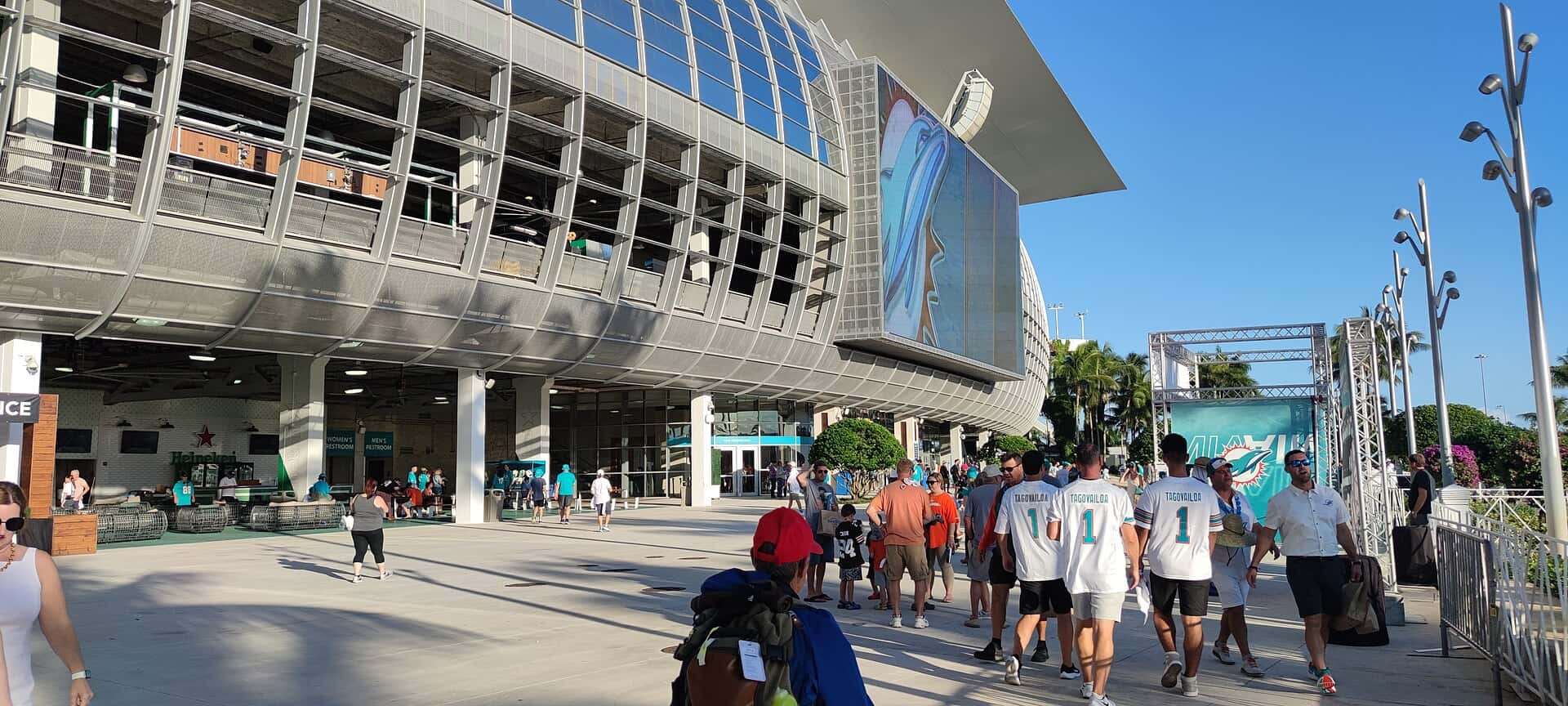
The Miami Dolphins are working through the final stretch of training camp with the most reconstructed quarterback room the franchise has carried in six years, after the team released Tua Tagovailoa in March and reset the position entirely.
Miami's first unofficial depth chart of the 2026 preseason lists Malik Willis at the top of the quarterback group, with Quinn Ewers and Cam Miller behind him. The team has cautioned, as clubs typically do, that an unofficial depth chart released before roster cuts represents an early snapshot rather than a settled decision.
The Dolphins held their 13th training camp practice on Tuesday, a session closed to the general public and open to season ticket members. The team's next significant work comes Thursday in a joint practice against the New York Giants.
How Miami got here
The Dolphins released Tagovailoa with a post-June 1 designation in March 2026, ending a tenure that began when Miami selected him fifth overall in the 2020 draft. The move followed a 7-10 season in 2025, the team's second consecutive year outside the playoffs, during which Tagovailoa was benched after throwing a career-high 15 interceptions.
The financial consequences were substantial. The release left Miami with more than $99 million in dead cap charges spread across two seasons, a figure reported as an NFL record for a quarterback release. Tagovailoa signed a one-year contract with the Atlanta Falcons and is competing there with Michael Penix Jr.
The dead money constrains what Miami can do in free agency and in extensions over the next two years. Teams carrying charges of that magnitude typically lean on drafted players and low-cost veteran signings while the cap absorbs the hit.
What camp has shown
Tuesday's practice produced work from the passing game, with Miller connecting with rookie wide receiver Kevin Coleman Jr. for a pair of touchdowns and Coleman contributing a block on a Miller rushing score, according to the team's practice notebook.
The defensive front has drawn attention through camp. Edge rusher Chop Robinson has been a consistent presence in the backfield, winning with upfield burst and countering inside with power, and recorded multiple sacks in Tuesday's session. Defensive lineman Zeek Biggers has produced splash plays including a sack and a tackle for loss.
Ewers, who arrived from Texas, has drawn notice through camp as he works through the transition from college to the professional game. Quarterback competitions of this kind typically resolve through preseason game reps rather than through practice work alone.
Roster moves and the cut deadline
Miami announced Tuesday that it signed edge Seth Coleman-Lyles and placed edge Mason Reiger on waived/injured status. Moves of that type are routine during camp, as teams manage injuries and maintain roster count while keeping practice groups full.
The league's roster reduction deadline falls on August 30, when clubs must trim to the regular season limit. Between now and then, the depth chart will change as the coaching staff evaluates preseason performance and sorts the back end of the roster.
Players released at that deadline enter waivers, and clubs with earlier waiver priority can claim them. That process produces significant turnover across the league in the final days of August.
What it means for Dolphins fans
The immediate question for Miami's season is whether the quarterback room can produce competent play behind an offensive line and skill group that has carried talent in recent seasons. Teams that reset the position typically face a transition year.
The dead cap situation means Miami's roster construction over the next two seasons will depend heavily on draft results and on internal development. Fans following the team's trajectory should watch the draft class and the second-year players as much as the immediate depth chart.
The AFC East has been competitive in recent seasons, and Miami's schedule and division place a premium on early-season results. The Dolphins have historically started strongly and faded in cold-weather months, a pattern the organization has acknowledged working to change.
The joint practice and preseason
Thursday's joint practice with the Giants gives Miami's coaching staff controlled work against another roster, a format many coaches prefer to preseason games because it allows scripted situational reps without the injury exposure of live tackling on every snap.
Joint practices have become a standard part of NFL camp schedules, and teams frequently pair them with a preseason game against the same opponent. The sessions typically include competitive periods in red zone, third down and two-minute situations.
Fans have opportunities to view portions of camp under the schedule the team published before the summer. Access varies by session, with some open to the public and others restricted to season ticket members.
What dead money actually does to a roster
The $99 million in dead cap charges Miami absorbed from the Tagovailoa release is money already committed that produces no player on the field. It counts against the salary cap in the same way an active contract does, which reduces what the team can spend on players who are actually available.
The post-June 1 designation spread the charge across two seasons rather than concentrating it in one, which was the mechanism the front office used to make the release workable. That structure trades a larger total commitment for a manageable annual figure.
The practical consequence is that Miami will build primarily through the draft and through low-cost veteran signings until the charges clear. Teams in that position typically deprioritize free agency and lean on rookie contracts, which provide production at fixed low cost for four or five years.
Extensions for the team's own players become harder as well, since any new contract must fit under a cap already carrying the dead money. Teams sometimes use signing bonus structures to push cash commitments into future years, but that approach compounds the problem if it is used repeatedly.
The receiving corps and what surrounds the quarterbacks
Miami has carried significant skill position talent in recent seasons, and the offensive personnel around the quarterback position is a large part of why the reset is survivable. Speed at receiver has been an organizational emphasis, and the scheme has been built to exploit it.
Rookie wide receiver Kevin Coleman Jr. produced in Tuesday's practice, catching two touchdown passes from Miller and contributing a block on a rushing score. Rookie production in August is an imperfect predictor of regular season role, but it does indicate a player the staff can trust with reps.
Running back play is the other element that supports a quarterback in transition. Effective ground production reduces the number of obvious passing situations a quarterback faces, which is the environment where inexperience is most exposed.
Offensive line performance is the variable that most reliably determines whether any of this works. A quarterback room in transition behind a struggling line produces a very different season than the same room behind a functional one.
The defense and the season ahead
Miami's defensive front has been the most encouraging element of camp. Chop Robinson has produced consistently, winning with initial burst off the edge and countering inside with power, and recorded multiple sacks in Tuesday's work.
Zeek Biggers has contributed on the interior with a sack and a tackle for loss in the same session. Interior pressure is particularly valuable because it collapses the pocket in front of the quarterback, which limits the ability to step up and escape edge pressure.
The addition of edge Seth Coleman-Lyles and the waived/injured designation for Mason Reiger reflect the ordinary churn of camp roster management. Teams sign and release players at the position continuously through August as they evaluate depth.
Pass rush is the defensive trait that correlates most strongly with team success, and a young front generating pressure in camp is the kind of development that can raise a team's floor even during an offensive transition year.
What a quarterback reset usually looks like
Teams that move on from a starting quarterback without a clear successor in place typically face a transition period measured in years rather than months. The historical pattern across the league is that such teams underperform in the immediate season and improve only once they identify a long-term answer.
The exceptions have generally involved either an unusually strong supporting roster that masks quarterback limitations, or a backup who turns out to be substantially better than his prior usage suggested. Both are possible but neither is a plan.
The draft is the conventional path forward, and a team's record in a transition year determines its draft position. That creates an uncomfortable dynamic where short-term struggle improves long-term positioning, a tension every rebuilding franchise navigates.
Miami's situation is complicated by the dead cap charges, which limit the ability to supplement the roster while the quarterback question resolves. Teams in that position typically prioritize accumulating draft capital and developing young players already under contract.
The AFC East and Miami's schedule
The AFC East has been competitive in recent seasons, with multiple teams capable of winning the division in a given year. That structure means Miami cannot count on a soft path even during a transition season.
Divisional games account for six of 17 contests and carry additional weight through tiebreaker procedures. Miami's matchups against Buffalo, New England and the New York Jets will shape the season regardless of what happens elsewhere on the schedule.
The Dolphins have historically started seasons strongly and faded during cold-weather months, a pattern the organization has publicly acknowledged working to address. Late-season road games in northern cities have repeatedly been where seasons turned.
Hard Rock Stadium in Miami Gardens hosts the home schedule and has undergone extensive renovation over the past decade. The venue also hosts the Miami Open tennis tournament, college football games and international soccer, including matches during the 2026 World Cup.
What's next
Miami will finish its preseason schedule and then complete roster cuts by the August 30 deadline. The initial 53-man roster and the practice squad take shape in the days immediately after.
The regular season opens in September. The Dolphins' schedule, including their divisional matchups against the Bills, Patriots and Jets, is published on the team's website and through NFL channels.
Depth chart clarity at quarterback will most likely arrive through preseason game reps and through how the staff distributes first-team work in the final practices before the opener.
Spotted an issue with this article?
Have something to say about this story?
Write a letter to the editorComments
No comments yet. Be the first to weigh in.
Related Coverage
Sean Sweeney Opens His First Magic Training Camp With a Defense-First Message for Banchero and Wagner
3h ago
Giannis Antetokounmpo Opens His First Heat Training Camp in Boca Raton as Miami Rebuilds Around a Two-Time MVP
8h ago

Trevor Lawrence Throws Three Touchdowns as Jaguars Rout Patriots 35-6 in Jacksonville
2d ago

Rays Draw the Yankees in the ALDS as Drew Rasmussen Gets the Game 1 Ball at Home
2d ago