Twelve New Florida Laws Take Effect Oct. 1, From Nitrous Oxide Limits to a Career Offender Registry
A dozen new Florida laws took effect Thursday, Oct. 1, 2026, a second wave of legislation from the 2026 session that focuses heavily on criminal penalties, drug sales, animal welfare and how drivers deal with minor crashes. The measures were passed by the Legislature and signed by Gov. Ron DeSantis earlier this year but carried an October start date rather than the July 1 date that applied to most of the session's bills.
The list is short compared with the more than 100 laws that kicked in on July 1, but several of the October measures touch daily life in ways residents may notice quickly. Smoke shops and vape stores can no longer sell nitrous oxide from their licensed premises, drivers in a minor fender bender will not have to call police unless damage tops $2,000, and people who lie about their identity to rent a home or apartment now face a felony.
Other changes are aimed squarely at repeat violent offenders. A new career offender registration system, modeled loosely on the sexual offender registry, requires certain habitual violent felons to report personal details to their county sheriff every year. Here is a closer look at what changed, based on bill summaries from the Florida House and Senate and published guidance from county clerks.
Meg's Law Targets Nitrous Oxide and Xylazine
The most visible change for retailers is Senate Bill 432, which lawmakers named Meg's Law. The measure prohibits tobacco and nicotine dealers, along with their agents and employees, from possessing, selling, delivering or giving away nitrous oxide on their licensed premises. A violation is a third-degree felony under Florida law, which carries a maximum penalty of five years in prison.
Nitrous oxide, often called laughing gas, has legitimate uses in dentistry and in food preparation, where small canisters are used to whip cream. The law carves out exceptions for grocery stores, supermarkets and finished food products that use nitrous oxide only as a propellant. Lawmakers focused instead on the large flavored canisters that have become common behind the counters of smoke shops and convenience stores, which public health officials have linked to recreational inhalation and serious injuries.
The same bill creates new felony offenses involving certain forms of xylazine, a veterinary sedative that has turned up mixed into the illicit fentanyl supply. Trafficking 28 grams or more is now a first-degree felony, with mandatory minimum prison terms and fines that scale with the amount involved. Florida had already moved against xylazine in previous sessions, and SB 432 adds trafficking tiers similar to those used for other dangerous drugs.
For shop owners, the practical effect is immediate. Any nitrous oxide product still sitting on a licensed tobacco or nicotine retailer's shelves Thursday morning put the business on the wrong side of a felony statute, according to the bill's language. Local law enforcement agencies and the Department of Business and Professional Regulation, which licenses tobacco retailers, are expected to handle enforcement.
Tougher Rules for Violent Offenders and Gangs
Senate Bill 1332 creates a career offender registration requirement that will operate much like the sexual offender registry Floridians already know. People designated as habitual violent felony offenders, violent career criminals or three-time violent felony offenders must provide their address, phone number, employment information, vehicles, professional licenses and immigration status to the sheriff in their county of residence, and they must update that information annually.
Supporters said during the session that the registry gives deputies and police a current picture of where the state's most persistent violent offenders live and work.
House Bill 429 broadens the criteria Florida uses to identify criminal gang members. Under the new law, a person can meet the criteria by admitting gang membership online and by using gang-related language in furtherance of criminal gang-related activity on an online platform or social media. Prosecutors have argued that much of today's gang recruiting and threatening takes place on social media rather than on street corners, and the law is meant to let that conduct count.
House Bill 397 addresses defendants who are released before trial. Violating a no-contact order while on pretrial release for a qualifying violent crime is now a first-degree misdemeanor, and repeat violations become a third-degree felony. The change is meant to give no-contact orders a clear criminal consequence. House Bill 1525, meanwhile, establishes a third-degree felony for indecent exposure of sexual organs to a child under 16 for the purpose of sexual arousal or gratification.
Animal Cruelty Penalties Expand
House Bill 559 creates a new third-degree felony when an adult causes or entices a minor to commit certain acts of aggravated animal cruelty, animal fighting or sexual activities involving animals, or when an adult commits those acts in the presence of a minor. Lawmakers framed the bill as both an animal welfare measure and a child protection measure, citing research that connects early exposure to animal abuse with later violence.
According to summaries published by Florida news outlets, the animal welfare changes also require that a minor who commits an animal cruelty offense be ordered to undergo a psychological evaluation and, if recommended, counseling or treatment. The cost falls on the child's parent or guardian, or on the state if the child is a ward of the state.
The same summaries describe a requirement that the Florida Department of Law Enforcement publish a registry of people convicted of animal cruelty, including names, aliases and booking photos. Animal shelters and rescue groups have long asked for a tool to screen adopters, and several Florida counties already maintain local versions. A statewide list would give shelters in all 67 counties a common reference point.
The new felony applies to conduct on or after Oct. 1, so cases already in the courts will proceed under the old statutes. Shelters and rescue groups across the state are expected to watch closely for when the FDLE registry goes live.
Drivers Get a Higher Crash-Reporting Threshold
Senate Bill 488 raises the threshold at which a driver must notify law enforcement after a crash involving only property damage from $500 to $2,000. The old $500 figure had not kept pace with the cost of auto repairs, and a scraped bumper on a newer vehicle can easily exceed that amount. Crashes involving injury or death must still be reported immediately, and drivers remain obligated to stop and exchange information.
The old threshold could pull officers to minor parking lot collisions that rarely required police involvement. Raising the figure is expected to free up some patrol time in busy counties, though drivers who want an official report for insurance purposes can still request one.
SB 488 and its companion, Senate Bill 490, also modernize how the state notifies drivers about trouble with their licenses. Beginning Oct. 1, the Florida Department of Highway Safety and Motor Vehicles may send notice of a driver license cancellation, suspension, revocation or disqualification by email when the licensee has authorized email notification. Drivers who have not opted in will continue to receive notices by mail.
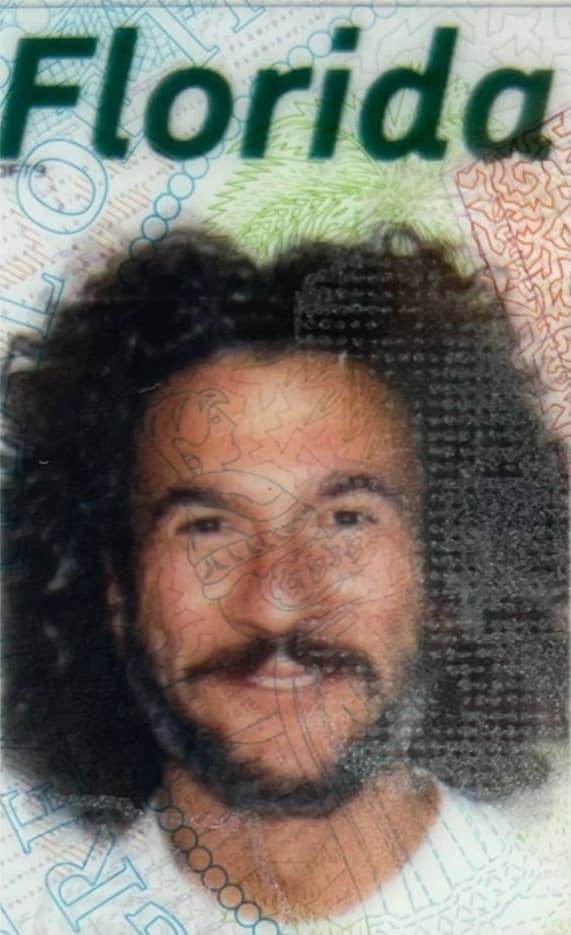
The timing coincides with a separate change at the department, which began issuing a redesigned driver license and identification card at service centers statewide on Sept. 30. Existing licenses remain valid until they expire, and residents are not required to replace them.
Rental Fraud Becomes a Felony
House Bill 1293 makes it a third-degree felony to use a false identity, fake documents or impersonation to rent a residential property. The offense carries a penalty of up to five years in prison. The law responds to complaints from landlords and property managers across Florida, particularly in the Orlando, Tampa and Miami markets, who said they were increasingly targeted by applicants using stolen identities or doctored pay stubs and bank statements.
Fraudulent rentals have also become a problem for actual owners. Scammers have posed as landlords to collect deposits on homes they do not own, and squatters have used forged leases to occupy vacant properties. Florida passed a separate law in 2024 giving property owners a faster process to remove squatters, and HB 1293 adds a criminal penalty on the front end of the rental process.
Tenant advocates have urged landlords to distinguish between fraud and honest mistakes on applications. The statute is aimed at intentional deception, and prosecutors will need to show that an applicant knowingly used false information to obtain a rental.
Property managers may see the law as an incentive to tighten identity verification. Many already use third-party screening services, and the new criminal penalty gives them a clearer path to involve law enforcement when they uncover fake documents.
Local Bills and Specialty Plates
Not every October law applies statewide. House Bill 4039 requires Broward County, before approving an expansion of the Monarch Hill Landfill, to commission an independent third-party feasibility study. Residents near the landfill in the northern part of the county have raised concerns about odor, truck traffic and long-term capacity, and the study requirement adds a step before any expansion can move forward.
House Bill 4093 changes the Fellsmere Water Control District in Indian River County from an independent special district to a dependent district of the county. The shift brings the district's budget and governance under the Indian River County Commission, a change local officials requested to improve oversight of drainage and water management in the Fellsmere area.
House Bill 639 tightens oversight of Florida's large catalog of specialty license plates. Organizations that receive revenue from an approved specialty plate must now submit five-year financial projections to the state or risk having the plate deauthorized. Florida offers well over 100 specialty plates, and lawmakers have periodically questioned whether every sponsoring organization uses its proceeds as promised.
Why Some Laws Start in October
Florida's fiscal year begins July 1, and most bills that carry spending or broad policy changes take effect on that date. Criminal justice measures, however, often carry an Oct. 1 effective date. The extra three months give prosecutors, public defenders, judges, law enforcement agencies and the Florida Department of Law Enforcement time to update charging documents, training materials and databases before new offenses and penalties become enforceable.
That pattern explains why so many of this year's October laws involve new felonies, enhanced penalties or registries. Clerks of court, including the St. Johns County Clerk of the Circuit Court and Comptroller, published guides to the October changes in the weeks leading up to the effective date to help residents and attorneys prepare.
Another statewide change arrived a day earlier. Florida's minimum wage rose to $15 an hour on Sept. 30, the final scheduled step under the constitutional amendment voters approved in November 2020, and the tipped minimum wage rose to $11.98. Future increases will be tied to inflation, with the next adjustment calculated in September 2027 and taking effect Jan. 1, 2028, according to employment law guidance.
What's Next
Attention in Tallahassee now shifts to the Nov. 3 general election, which will decide the governor's race, a U.S. Senate special election and every seat in the Florida House along with half of the Senate. The newly elected Legislature will hold its organizational session 14 days after the election, on Nov. 17, when the House and Senate formally install new leadership.
Interim committee weeks are expected to follow in the winter ahead of the 2027 regular session, which under the state constitution begins in early March in odd-numbered years. Lawmakers will have their first chance then to revisit any of this year's measures if implementation problems surface.
For now, residents can review the full text of each bill on the Florida Senate and Florida House websites by searching the bill numbers. Anyone facing charges under one of the new criminal statutes should consult an attorney, since the laws apply only to conduct that occurred on or after Oct. 1, 2026.
Spotted an issue with this article?
Have something to say about this story?
Write a letter to the editorComments
No comments yet. Be the first to weigh in.
Related Coverage
Florida Rolls Out Redesigned Driver Licenses With Castillo de San Marcos, Manatee and Space Shuttle Discovery
8h ago

Florida Governor's Race Enters Final Five Weeks With Split Polls and No Debate Between Donalds and Jolly
2d ago
Florida's Senate Special Election Tightens as Angie Nixon Pulls Even With Ashley Moody in New Polling
5d ago

Florida's Governor Race Enters the Final Five Weeks With Polls Telling Two Different Stories
5d ago