Vita Vea Trade Request Hangs Over Buccaneers as Veterans Report to Camp
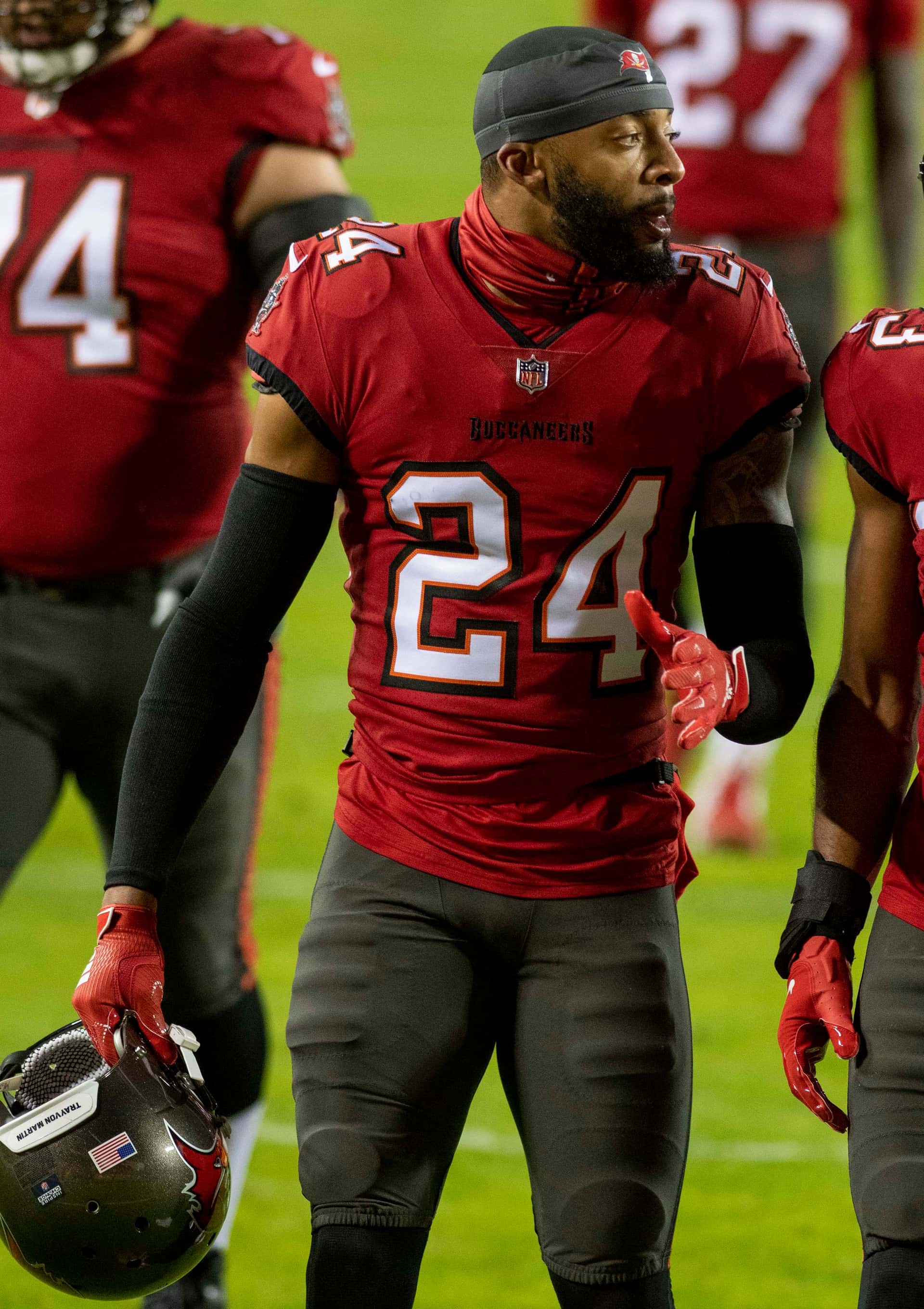
Two-time Pro Bowl defensive tackle Vita Vea has requested a trade from the Tampa Bay Buccaneers after contract extension talks stalled, according to reporting on the situation, arriving just as veterans report for training camp at the AdventHealth Training Center. Vea is entering the final season of a four-year deal and is scheduled to earn $18 million in 2026.
The request is conditional in nature. Vea has asked to be traded if an extension beyond the current contract does not materialize, according to accounts of the situation, and his agent has indicated he has not specified a preferred destination. Reports have suggested a preference for a West Coast team, though that has not been presented as a formal demand.
Vea is expected to be present for training camp, with his participation level described as undetermined. The Buccaneers are opening eight camp sessions to the public, with the first general public session scheduled for July 30, followed by additional dates in August.
The contract situation
Vea signed a four-year extension worth approximately $71 million in early 2022. That deal is now in its final year, with an $18 million salary for the 2026 season. Extension talks this summer have not produced an agreement.
The dynamics of defensive tackle contracts have shifted since Vea signed. The market at the position has risen substantially, with several interior defensive linemen securing deals that reset the top of the position. Players whose contracts predate that movement frequently seek to renegotiate.
Tampa Bay's calculus involves age, injury history, and cap structure. Interior defensive linemen carry heavy physical workloads, and teams weigh long-term guarantees at the position carefully. A team may prefer to let a contract run out and manage the roster spot through the draft or free agency.
Trade requests of this type rarely resolve quickly. The player retains no leverage to force a trade beyond withholding participation, and teams generally have little incentive to move a productive starter for less than a valuation they consider fair.
What Vea means to Tampa Bay's defense
Vea has been a foundational piece of the Buccaneers defensive front since Tampa Bay drafted him in the first round in 2018. His role as a run-stopping interior presence who also generates interior pressure is the kind of contribution that does not always appear in statistical summaries.
Defensive tackles who occupy multiple blockers create opportunities for edge rushers and linebackers. That function is central to how modern defensive fronts are built, and replacing it is difficult because the player type is scarce.
Tampa Bay's defense has been a consistent strength in recent seasons, with the run defense in particular ranking among the league's better units during stretches. Vea has been a substantial part of that identity.
Losing him would create a hole that a team would likely need to address through multiple players rather than a single replacement. That is the practical argument against trading him during camp, when adding a comparable player is nearly impossible.
How trade requests typically play out
NFL trade requests during training camp follow a fairly predictable pattern. The player makes the request, the team publicly commits to the player, and the situation either resolves through an extension, resolves through a trade at or before the in-season deadline, or fades as the player reports and plays.
The leverage question is central. Players under contract who withhold services face fines under the collective bargaining agreement, and accrued season credit toward free agency can be affected by absence. Those mechanisms generally push players back to the field.
Teams facing these situations often prefer to wait. Trade markets improve after injuries reshape team needs during the season, and the in-season trade deadline in early November has become more active in recent years than it was historically.
The alternative resolution is an extension. If Tampa Bay's valuation and Vea's expectations converge, an in-camp extension would end the matter, and such agreements are common in late July and August across the league.
Tampa Bay's broader outlook
The Buccaneers have been among the more consistent NFC teams in recent seasons, sustaining division competitiveness through a period that included a quarterback transition. Roster continuity on both lines has been a factor in that consistency.
Camp opens with the usual set of questions about depth, health, and rookie integration. The eight public practice sessions give fans access at the AdventHealth Training Center, with the first general public date July 30.
Tampa Bay's preseason schedule includes a road opener and games against divisional and conference opponents before the regular season begins in September. The Buccaneers close their preseason at Jacksonville on Aug. 28.
Raymond James Stadium hosts the home schedule. The venue has been a consistent draw, and the franchise has built a stable fan base in the Tampa Bay market alongside the Lightning and Rays.
What it means for Bucs fans
The immediate practical effect is uncertainty about a starter at a position that is hard to fill. Fans attending public practices will be watching participation levels closely, because the visible signal of whether the situation is escalating or easing is whether Vea is on the field.
Contract disputes rarely damage locker rooms in the way they are sometimes portrayed. Players generally understand the business dimension of the sport, and teammates typically support a player seeking market value at his position.
The salary cap dimension matters for future roster construction. How Tampa Bay resolves this, whether through an extension, a trade, or letting the contract expire, affects the team's flexibility in the 2027 offseason.
For the season itself, the most likely outcome based on how similar situations have resolved league-wide is that Vea plays. That is the base case, not a certainty.
How NFL contracts create these standoffs
NFL contracts are largely non-guaranteed beyond specified amounts, which distinguishes the sport from baseball and basketball. Signing bonuses and guaranteed portions are secured, but base salaries in later years can be voided by release.
That structure cuts both ways. Teams can exit deals that stop making sense, and players consequently seek to renegotiate when their performance outpaces a contract signed years earlier. The result is a recurring cycle of extension requests in the seasons before a deal expires.
Positional market movement drives the timing. When a handful of players at a position sign deals resetting the top of the market, everyone under an older contract at that position sees the gap. Interior defensive line contracts have moved substantially in recent years.
Teams weigh age curves carefully at physically demanding positions. Interior defensive linemen carry heavy snap-by-snap workloads, and guaranteeing money into a player's early thirties at that position carries risk that front offices price into their offers.
Tampa Bay's roster construction
The Buccaneers have generally built through the draft along both lines while supplementing with targeted free agent additions. Line continuity has been a consistent feature of the team's better seasons.
Cap management in Tampa Bay has involved contract restructuring, converting base salary into signing bonus to spread cap charges across future years. That technique creates present flexibility at the cost of future obligations.
The draft class and second-year players will get extended looks in camp regardless of how the Vea situation resolves. Depth behind a starter at a premium position is precisely what a team needs when a contract dispute is unresolved.
Tampa Bay's preseason concludes with a road game at Jacksonville on Aug. 28, one of two in-state preseason matchups involving Florida teams and a routine feature of the NFL calendar.
The Buccaneers in the Tampa Bay market
Tampa Bay supports three major professional franchises in the Buccaneers, Lightning, and Rays, an unusual concentration for a market of its size. The region's population is spread across Hillsborough, Pinellas, Pasco, and Manatee counties, connected by a limited number of bridges.
The Buccaneers have benefited from sustained competitiveness over recent seasons, and the franchise's Super Bowl win following the 2020 season expanded its regional following. Raymond James Stadium has been a consistent draw as a result.
Training camp access is part of how the team maintains that connection. Eight public sessions at the AdventHealth Training Center give fans a look at the roster before the season, and camp attendance has become a summer fixture in the market.
The Bucs share the Tampa Bay sports calendar with a Rays team currently leading the American League East and a Lightning franchise entering its offseason preparations, making late July an unusually busy stretch for the region's sports audience.
What resolution would look like
Three outcomes are realistic. An extension would end the dispute and likely keep Vea in Tampa Bay through the back half of his career. A trade would bring back draft capital and create an immediate hole in the defensive front.
The third and most common outcome is that nothing changes. Players who request trades under contract frequently report, play the season, and reach free agency on schedule, with the dispute fading once the season begins.
The in-season trade deadline in early November provides a secondary resolution point. Trade markets shift once injuries reshape team needs, and contending teams sometimes pay more in November than they would have in July.
Whatever the outcome, the Buccaneers control the timeline. A player under contract has limited leverage, and the team faces no deadline pressure to act before it judges an offer sufficient.
What's next
Camp practices continue through August at the AdventHealth Training Center, with public sessions scheduled. Participation and any change in the negotiating posture will be the story to follow.
The preseason runs through late August, concluding with the Aug. 28 game against Jacksonville. Roster cuts to 53 players follow shortly after.
If no resolution comes before the season, the situation will carry into the fall and toward the NFL trade deadline in early November, which has become the more common resolution point for veteran trade requests.
The regular season opens in September. Whether Tampa Bay's defensive front looks the way it has for the past several seasons will be evident from the first snap.
Spotted an issue with this article?
Have something to say about this story?
Write us a letterComments
No comments yet. Be the first to weigh in.
Related Coverage
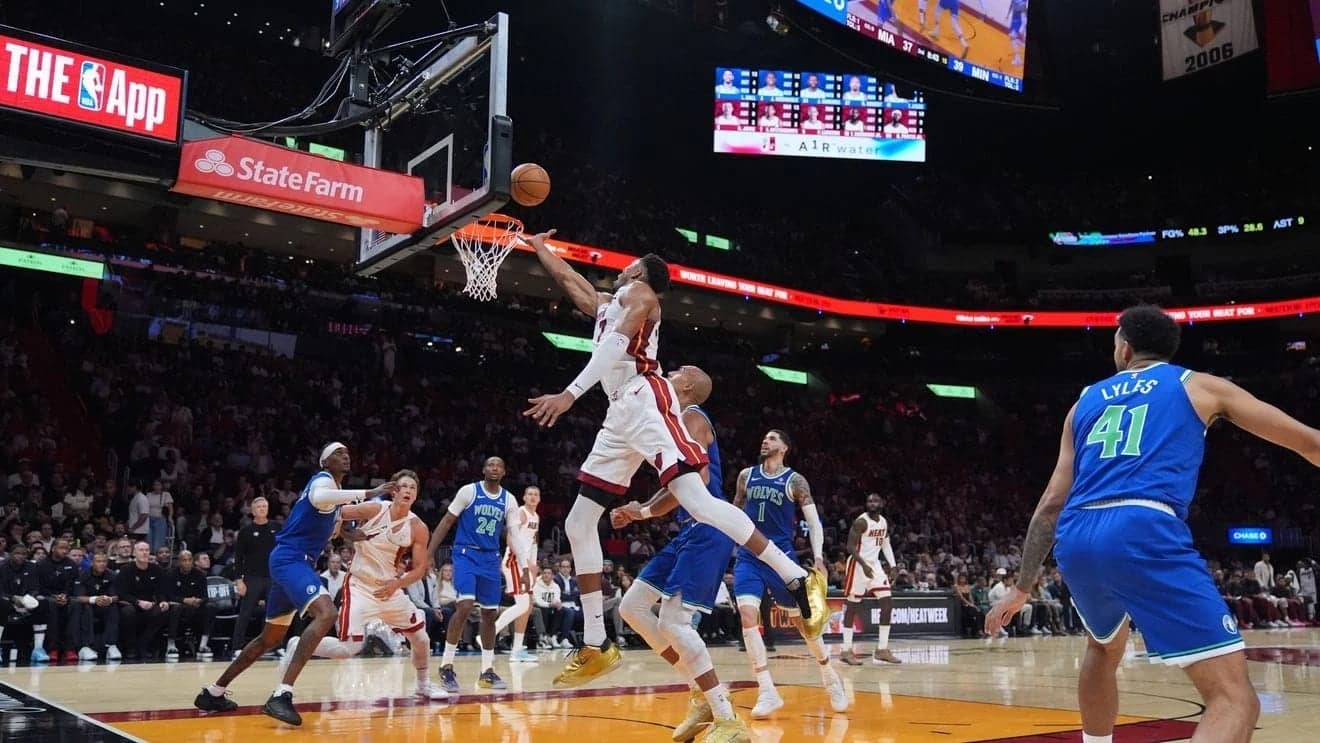
Cooper Flagg Outduels Giannis Antetokounmpo as Mavericks Beat Heat 113-109, Miami Falls to 0-4
4h ago
Lars Eller's First Goal as a Panther Lifts Florida Past Blackhawks 3-2, Snapping Two-Game Skid
1d ago
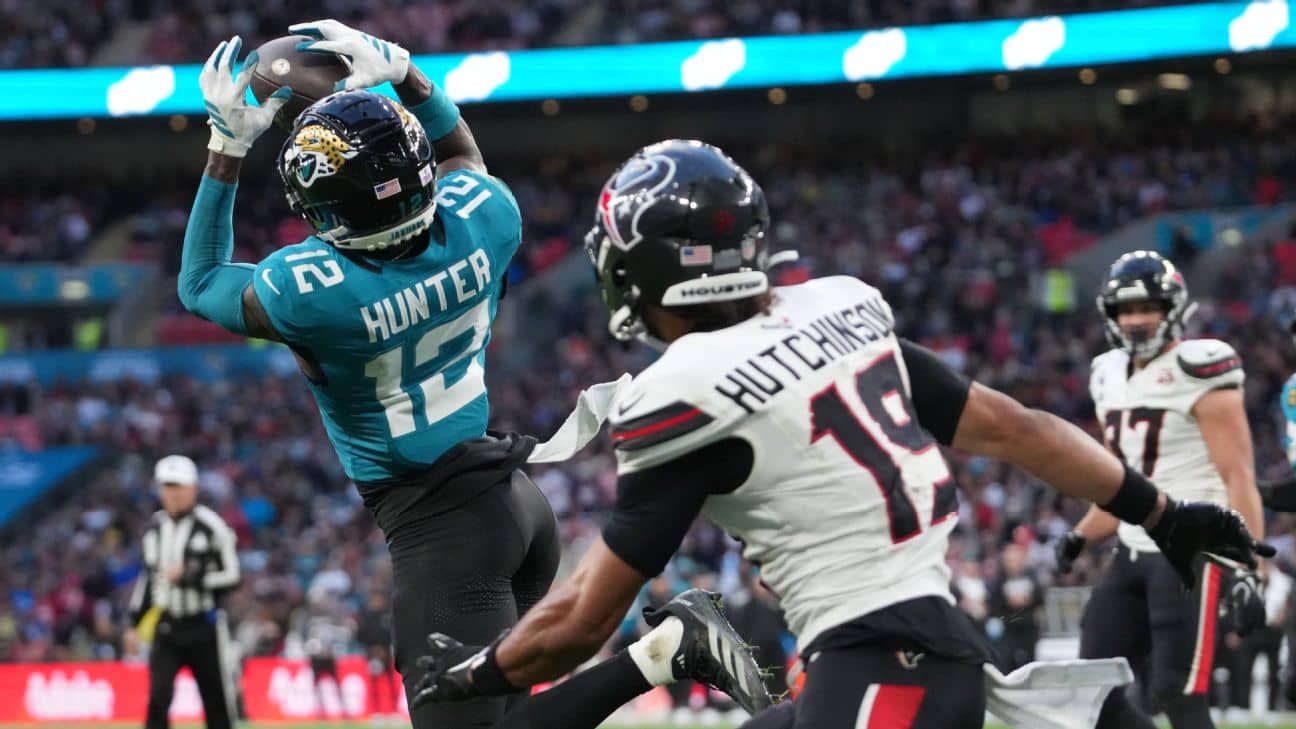
Gators Rise to No. 17 in AP Poll During Bye Week, Face No. 3 Georgia in Atlanta as Double-Digit Underdogs
1d ago
Franz Wagner Scores 21 in the Fourth as Magic Rally Past Defending Champion Knicks 111-102 for First Win
1d ago