Volusia County Drug Operation Ends in About 50 Arrests After Yearlong Investigation
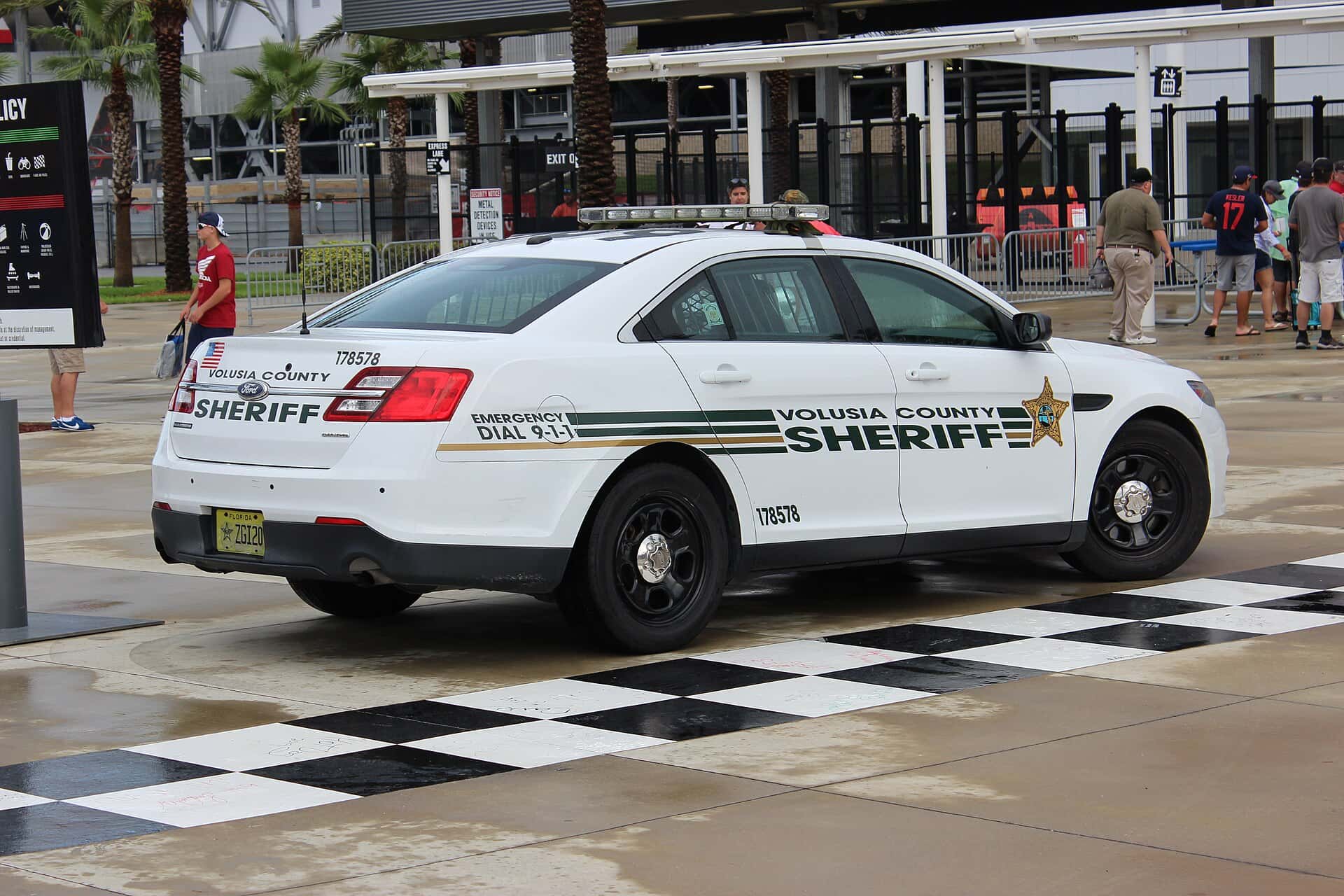
A yearlong multi-agency investigation in Volusia County has culminated in a major operation that authorities say led to roughly 50 arrests and dismantled a large-scale fentanyl and cocaine distribution network. The takedown, carried out at the end of June, reflects the sustained law-enforcement effort directed at the fentanyl trade that has driven overdose deaths across Florida.
According to authorities, the illicit drug sales occurred around the clock at a property in Holly Hill, and the investigation targeted a network whose alleged organizers now face serious felony charges. Those arrested are accused of crimes ranging from drug trafficking to weapons offenses, and all are presumed innocent unless and until proven guilty in court.
The operation, accompanied by a related effort by the Daytona Beach Police Department, illustrates the scale of coordinated investigations into drug distribution. It also underscores the continuing threat posed by fentanyl, a synthetic opioid that has become a leading driver of overdose deaths and a central focus of law enforcement in Florida and nationwide.
The investigation and arrests
The investigation spanned roughly a year and involved multiple agencies working together, culminating in an operation on June 30 that authorities say resulted in approximately 50 arrests. The effort dismantled what officials described as a large-scale fentanyl and cocaine operation, capping months of investigative work.
According to authorities, the drug sales reportedly occurred around the clock at a property in Holly Hill, with the network operating continuously. Investigators identified alleged organizers and gathered the evidence that led to the charges, and officials said firearms were also recovered in connection with the operation.
The individuals arrested face a range of felony charges, and those identified as suspected organizers are accused of leading the network. As with any criminal case, the charges represent accusations that must be proven in court, and each defendant retains the presumption of innocence throughout the legal process.
A coordinated effort
The Volusia County operation was accompanied by a related effort from the Daytona Beach Police Department, which authorities described as an overlapping investigation. The department reported that it executed search warrants at multiple apartment complexes and residences in South Daytona and Daytona Beach as part of its own effort.
According to the department, that investigation resulted in a number of individuals taken into custody, with additional people still sought on active arrest warrants in connection with the case. The parallel efforts reflect the coordinated approach that agencies often take when confronting drug distribution that spans multiple locations and jurisdictions.
Multi-agency investigations of this kind allow law enforcement to pool resources and to build cases against networks that operate across communities. The combination of the county-led operation and the city police effort illustrates how agencies collaborate to address drug trafficking that reaches into multiple neighborhoods and involves numerous individuals.
The fentanyl threat
The operation's focus on fentanyl reflects the drug's role as a leading driver of overdose deaths in Florida and across the country. Fentanyl is a synthetic opioid many times more potent than heroin, and even small amounts can be lethal, making its distribution a particular priority for law enforcement.
Authorities across Florida have devoted substantial resources to investigating and disrupting fentanyl distribution, recognizing the drug's outsized contribution to the overdose crisis. Operations targeting trafficking networks aim to remove significant quantities of the drug from circulation and to hold accountable those accused of distributing it.
The presence of fentanyl in the alleged operation underscores the danger that such networks pose to communities. The drug's potency means that distribution carries deadly consequences, and law-enforcement efforts to dismantle trafficking operations are framed as measures to protect the public from a substance responsible for widespread loss of life.
Weapons and the wider case
Authorities said the operation also recovered firearms, adding a weapons dimension to the case. The presence of guns in connection with drug distribution is a recurring feature of such investigations, and it can factor into the charges brought against those arrested, reflecting the intersection of drug trafficking and weapons offenses.
The charges facing the defendants include serious felonies, and the involvement of firearms can heighten the potential penalties. As the cases proceed, the specific allegations against each individual will be addressed through the legal process, which will determine the outcomes based on the evidence and the requirements of the law.
The combination of drug and weapons charges illustrates the range of criminal conduct that authorities say the investigation uncovered. The defendants are entitled to the presumption of innocence, and the accusations will be tested in court as the prosecutions move forward through the criminal-justice system.
The value of long investigations
The yearlong span of the investigation reflects the methodical approach that law enforcement often takes in building cases against drug-distribution networks. Rather than pursuing individual arrests, investigators frequently spend months gathering evidence, identifying participants, and mapping the structure of an operation before moving to dismantle it in a coordinated action.
That patience allows agencies to build stronger cases and to target not only low-level participants but the alleged organizers who direct a network. The identification of suspected organizers in the Volusia County operation reflects the aim of such investigations to reach the individuals authorities believe are responsible for running a distribution scheme, not merely those at its lowest levels.
The tradeoff is time, as extended investigations require sustained resources and coordination among agencies. The multi-agency structure of the Volusia County effort, combined with the related Daytona Beach investigation, illustrates how law enforcement pools its capabilities to pursue cases that a single agency might struggle to build on its own, extending the reach of the effort across jurisdictions.
Fentanyl and the overdose crisis
The operation's focus on fentanyl situates it within the broader struggle against an overdose crisis that has claimed lives across Florida and the nation. Fentanyl, a synthetic opioid far more potent than heroin, has become a leading driver of overdose deaths, and its presence in the illicit drug supply has made distribution networks a priority for law enforcement.
The drug's extreme potency means that even small quantities can be lethal, and its proliferation has transformed the landscape of drug enforcement. Operations that remove fentanyl from circulation are framed by authorities as efforts to protect the public from a substance responsible for a staggering toll, lending urgency to investigations targeting its distribution.
Beyond enforcement, the crisis has prompted broader responses encompassing prevention, treatment, and public awareness. Law-enforcement actions like the Volusia County operation represent one component of that wider effort, addressing the supply side of a crisis that also demands attention to the demand for and the treatment of addiction that fuels the deadly trade.
Multi-agency collaboration
The Volusia County operation exemplifies the collaborative approach that law enforcement increasingly relies on to confront drug distribution that spans multiple locations and jurisdictions. By pooling resources and coordinating their efforts, agencies can build more comprehensive cases and target networks that might elude any single department acting alone.
The parallel investigation conducted by the Daytona Beach Police Department, which authorities described as overlapping with the county-led effort, illustrates how such collaboration functions in practice. The execution of search warrants at multiple locations and the arrests that resulted reflect the coordinated action that multi-agency operations are designed to achieve across communities.
Collaboration of this kind allows agencies to share intelligence, combine expertise, and marshal the personnel needed for large-scale operations. Confronting drug networks that operate across neighborhoods and jurisdictions requires that kind of cooperation, and the Volusia County effort demonstrates how agencies work together to address a problem that does not respect jurisdictional boundaries.
The scale of the operation, with roughly 50 arrests and additional suspects still sought, reflects the reach that coordinated efforts can achieve. As authorities continue to pursue those named in outstanding warrants, the collaboration among agencies will remain central to bringing the case to its conclusion and to holding accountable those accused of participating in the alleged network.
The community impact
Drug-distribution operations of the kind authorities describe can have corrosive effects on the neighborhoods where they take root, contributing to crime, disorder, and the human toll of addiction. The dismantling of an alleged network is often welcomed by residents who have lived with the consequences of open drug activity in their communities.
Authorities have framed the operation as part of a broader effort to improve public safety and to confront the fentanyl trade that has driven overdose deaths across the region. The removal of a distribution network, if the allegations are borne out, is presented as a step toward addressing both the criminal activity and the public-health crisis that such operations feed.
The recovery of firearms alongside the drugs underscores the intersection of narcotics and weapons that authorities frequently encounter in these investigations. That combination heightens the danger such operations pose to communities and to the officers who investigate them, adding to the significance that law enforcement attaches to dismantling the alleged network.
What comes next
The roughly 50 individuals arrested, along with those sought on outstanding warrants in the related Daytona Beach investigation, face criminal proceedings that will unfold over time. The cases will move through the courts, where prosecutors must prove the charges and the defendants are entitled to a defense.
For Volusia County and the surrounding communities, the operation represents a significant law-enforcement action against an alleged drug network. Officials have framed such efforts as part of the ongoing work to combat the fentanyl trade and to address the overdose crisis that has affected communities across Florida.
The ultimate outcomes of the cases will be determined by the courts, and the presumption of innocence applies to all those charged. As the prosecutions proceed, the operation stands as an example of the sustained, coordinated investigations that agencies undertake to confront drug distribution and the deadly threat posed by fentanyl.
Spotted an issue with this article?
Have something to say about this story?
Write us a letterComments
No comments yet. Be the first to weigh in.
Related Coverage
St. Petersburg Man on Supervised Release Charged With Robbing Two Pinellas Banks in 'Old Man' Mask
20h ago

Prosecutors Clear Three Miami Officers in 2025 Wynwood Shooting That Killed Bystander Evelyn Valdes
20h ago

Former Congressional Candidate Elijah Manley Charged With Written Threats Over Post Backing Angie Nixon
1d ago

Putnam County jury convicts Caylen Deller of murder, rejecting self-defense claim
1d ago