What the Eleventh Circuit Does for Floridians, and What It Decided This Month
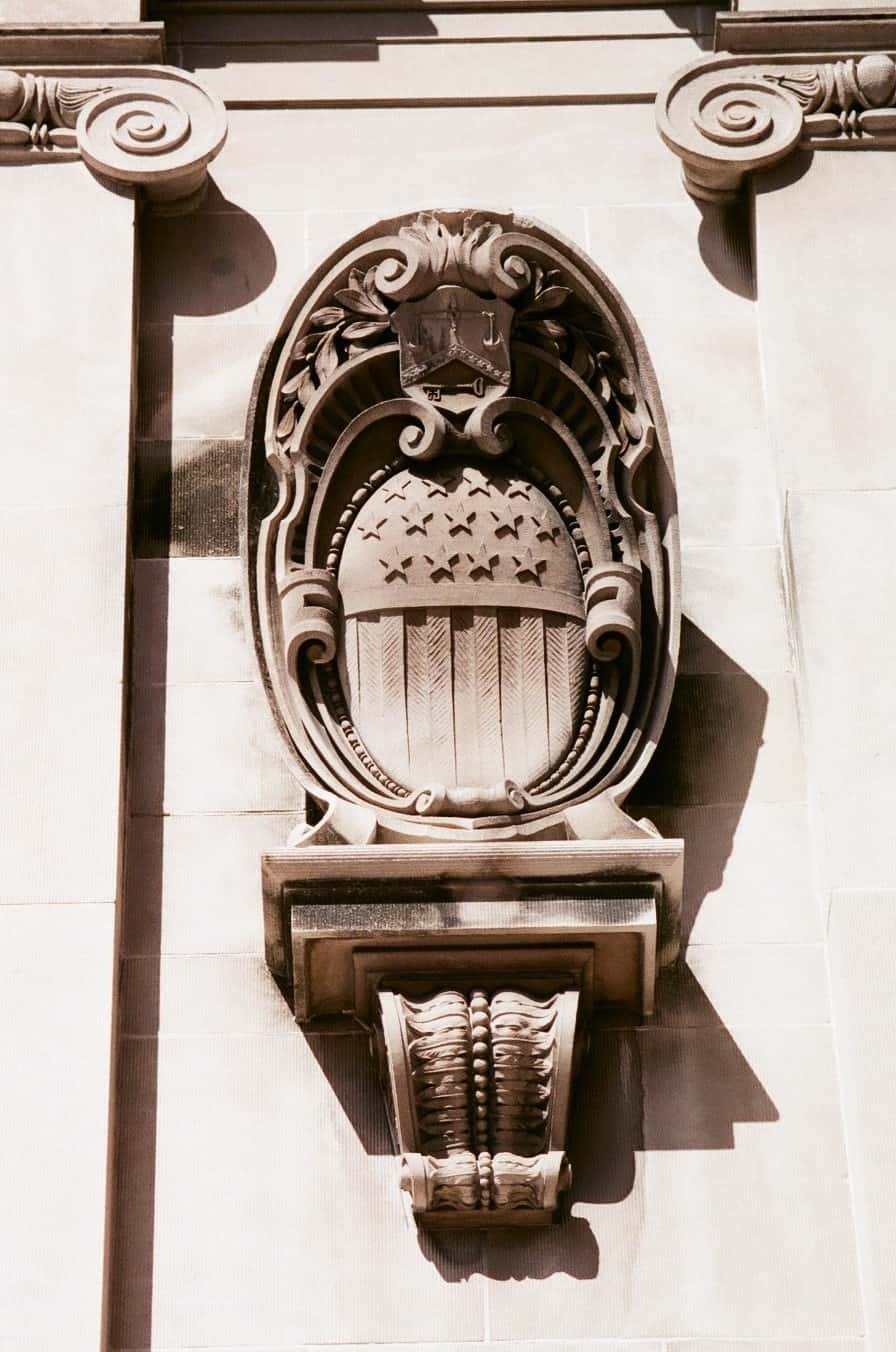
The U.S. Court of Appeals for the Eleventh Circuit issued a series of opinions during the week of Aug. 17 covering immigration petitions, a Florida Department of Corrections habeas matter and federal fraud prosecutions arising out of Florida. The court is also seeking public comment on proposed amendments to its rules of practice, a process that shapes how every federal appeal originating in Florida is litigated.
What the court is
The Eleventh Circuit is the federal appellate court with jurisdiction over Florida, Georgia and Alabama. It hears appeals from the three federal district courts in Florida: the Northern District based in Tallahassee, the Middle District based in Orlando and Tampa, and the Southern District based in Miami.
Its rulings bind every federal district judge in Florida and establish the interpretation of federal law that governs the state unless and until the U.S. Supreme Court says otherwise. For most litigants, the Eleventh Circuit is the last stop, because the Supreme Court takes only a small fraction of the cases presented to it.
The court sits primarily in Atlanta but hears arguments in Miami and Jacksonville as well. Panels of three judges decide most cases, with the full court sitting en banc in a small number of matters each year.
The mid-August docket
Opinions issued on Aug. 18 included United States v. Chun, a case involving a physician specializing in pain medicine and a pharmaceutical sales representative who were indicted in the Middle District of Florida over their roles in a scheme involving a fentanyl-based drug. Other decisions released the same day included United States v. Andres Alvarado, United States v. Tamara Quicutis, United States v. Saleem Hakim, United States v. Kenneth Mininger, and Travelers Property Casualty Insurance Company v. Kamesha Davis.
Cases issued Aug. 20 and Aug. 21 included Rishi Ramdial v. U.S. Attorney General, John Wilson, Jr. v. Secretary, Florida Department of Corrections, Annette Kingsolver v. U.S. Attorney General, and Delta Air Lines, Inc. v. U.S. Department of Transportation.
That mix is representative of the court's ordinary caseload. Immigration petitions for review, federal criminal appeals, prisoner habeas petitions and civil disputes involving insurers and regulated industries constitute the bulk of what the Eleventh Circuit decides in any given week.
Why the opioid prosecution category matters in Florida
The Chun case falls into a category with particular Florida history. Prosecutions arising from prescribing practices and pharmaceutical marketing have been a sustained feature of the Middle District of Florida's docket, reflecting the state's role in the opioid crisis over the past two decades.
Florida's pill mill era in the late 2000s and early 2010s produced federal and state enforcement responses that reshaped prescribing regulation nationally, including the state prescription drug monitoring program and tighter controls on pain management clinic ownership.
Appellate decisions in this area determine the legal standards under which physicians can be criminally prosecuted for prescribing decisions, a question with direct consequences for legitimate pain management practice as well as for enforcement.
The immigration docket
Petitions for review of immigration decisions are among the most numerous case types the Eleventh Circuit handles. Individuals contesting removal orders issued by immigration judges and affirmed by the Board of Immigration Appeals seek review in the circuit where the proceedings occurred.
For Florida, that volume reflects the state's immigration court caseload, which is among the largest in the country. Decisions in these cases determine the standards for asylum claims, cancellation of removal, criminal-conviction consequences for immigration status and the scope of judicial review over agency determinations.
Enforcement activity in South Florida has intensified in recent weeks, and the legal questions that arise from those operations frequently reach the Eleventh Circuit on appeal.
Corrections and habeas review
Cases naming the Secretary of the Florida Department of Corrections as respondent are habeas corpus petitions, in which state prisoners challenge their convictions or sentences on federal constitutional grounds after exhausting state remedies.
Federal habeas review of state convictions operates under substantial statutory constraints imposed by the Antiterrorism and Effective Death Penalty Act, which requires federal courts to defer to reasonable state court determinations. Relief is granted in a small fraction of petitions.
Florida operates one of the largest state prison systems in the country and has an active death penalty docket, and capital habeas cases are among the most consequential matters the Eleventh Circuit handles.
The rules amendment process
The court has issued a notice of and opportunity for comment on proposed amendments to its rules, distributed through the federal district courts in Florida and reported by The Florida Bar.
Circuit rules govern briefing formats, page and word limits, deadlines, record preparation and oral argument procedures. Changes affect every practitioner who files an appeal in the circuit, and the comment process is the mechanism by which the bar provides input before amendments take effect.
For non-lawyers the significance is indirect but real. Procedural rules affect the cost and timeline of appeals, which in turn affects access to appellate review for parties with limited resources.
What it means for Floridians
Most Floridians will never appear before the Eleventh Circuit, but its decisions determine how federal law operates in the state across a wide range of areas: employment discrimination, civil rights claims against government agencies, environmental regulation, immigration status, criminal sentencing and insurance disputes.
The court also reviews challenges to Florida state laws brought under federal constitutional theories. When a Florida statute is challenged in federal court, the Eleventh Circuit is where that challenge is ultimately resolved short of the Supreme Court.
Opinions are published on the court's website and through legal research services, and the Justia and FindLaw databases maintain freely accessible archives of circuit decisions.
How a case reaches the circuit
Federal appeals follow a defined path. A party who loses in a federal district court files a notice of appeal, the record is transmitted, briefs are exchanged on a schedule set by the rules, and a three-judge panel decides the case with or without oral argument.
Most appeals are decided without oral argument. The Eleventh Circuit, like other circuits, disposes of a substantial share of its docket through unpublished opinions that resolve the case for the parties but do not create binding precedent.
Published opinions are the ones that matter beyond the individual case. They bind future panels of the same circuit and every district judge within it, and changing them requires either en banc review by the full circuit or Supreme Court intervention.
The three federal districts in Florida
The Northern District of Florida covers the Panhandle and Big Bend, with courthouses in Tallahassee, Pensacola, Panama City and Gainesville. It handles a significant share of cases involving state government because Tallahassee is the capital.
The Middle District spans from Jacksonville through Orlando and Tampa to Fort Myers and is among the busiest federal districts in the country by caseload. It has historically handled a large volume of health care fraud and pharmaceutical prosecutions, reflecting the concentration of those industries in Central Florida.
The Southern District covers Miami-Dade, Broward, Palm Beach and the counties south and west of them, including the Keys. Its docket includes substantial international narcotics, money laundering and securities cases arising from South Florida's role as a financial and transportation hub.
Insurance litigation and the federal docket
The appearance of an insurer case among the mid-August decisions reflects a category with particular Florida significance. Insurance disputes reach federal court through diversity jurisdiction when parties are from different states and the amount in controversy exceeds the statutory threshold.
Florida's property insurance environment has generated substantial litigation over the past decade, and legislative changes to attorney fee provisions and claim procedures were enacted specifically to alter that dynamic. Federal courts apply Florida substantive law in these cases while following federal procedure.
Appellate decisions interpreting Florida insurance law in federal court can diverge from state court interpretations, and federal courts sometimes certify unsettled questions of Florida law to the Florida Supreme Court rather than predicting how it would rule.
The court's composition and workload
The Eleventh Circuit has twelve authorized active judgeships, supplemented by senior judges who continue hearing cases on reduced caseloads. Judges are nominated by the president and confirmed by the Senate to lifetime appointments.
The circuit was created in 1981 when Congress split the former Fifth Circuit, which had grown too large to function effectively. Decisions of the old Fifth Circuit issued before the split remain binding precedent in the Eleventh Circuit unless overruled en banc.
Caseload per judge in the Eleventh Circuit runs high relative to other circuits, which is one reason a substantial share of appeals are resolved without oral argument and through unpublished dispositions.
How Florida law reaches federal court
Federal courts hear cases arising under federal law and cases between citizens of different states where the amount in controversy is sufficient. The second category, diversity jurisdiction, is how a substantial volume of ordinary Florida disputes ends up in federal court.
In diversity cases, federal courts apply state substantive law while following federal procedural rules. That means a federal judge in Miami deciding a Florida contract or insurance dispute must determine what the Florida Supreme Court would hold.
When the answer is genuinely unsettled, the Eleventh Circuit can certify the question to the Florida Supreme Court, which then answers it and returns the case. That mechanism preserves state authority over state law while allowing federal courts to resolve the disputes before them.
Reading a decision and finding the record
Eleventh Circuit opinions are published on the court's own website and archived through free services including Justia and FindLaw as well as subscription legal research platforms. Docket information is available through the federal PACER system.
Opinions distinguish between published and unpublished dispositions, and the distinction is stated on the document. Only published opinions create binding precedent, though unpublished decisions may be cited as persuasive authority under the circuit's rules.
For non-lawyers following a case of public interest, the most useful documents are typically the opinion itself and the briefs, which set out each side's position more fully than news coverage generally conveys. Both become part of the public record.
What's next
The court issues opinions on a continuous schedule through the year. The comment period on the proposed rule amendments will run according to the schedule set in the court's notice, after which the court will decide whether to adopt the changes as proposed.
Cases decided by three-judge panels can be the subject of petitions for rehearing en banc, and parties may seek Supreme Court review by petition for certiorari, though such petitions are rarely granted.
The Florida Press will continue to report on federal court decisions affecting Florida.
Spotted an issue with this article?
Have something to say about this story?
Write us a letterComments
No comments yet. Be the first to weigh in.
Related Coverage

Isaias Shuts Pensacola and Okaloosa Airports as Airlines Waive Fees and Tolls Lift on Panhandle Bridges
7h ago

Ex-CIA official pleads guilty in $194 million fraud, will forfeit $102 million in Palm Beach and Hobe Sound real estate
8h ago

11th Circuit voids septic permit ban in Indian River Lagoon manatee case after federal 'harm' rule rollback
8h ago

Trump ties disaster aid to midterm campaign as Hurricane Isaias nears Florida Panhandle
1d ago