A Below-Normal Forecast Meets Its First Gulf Test as Federal Readiness Is Watched
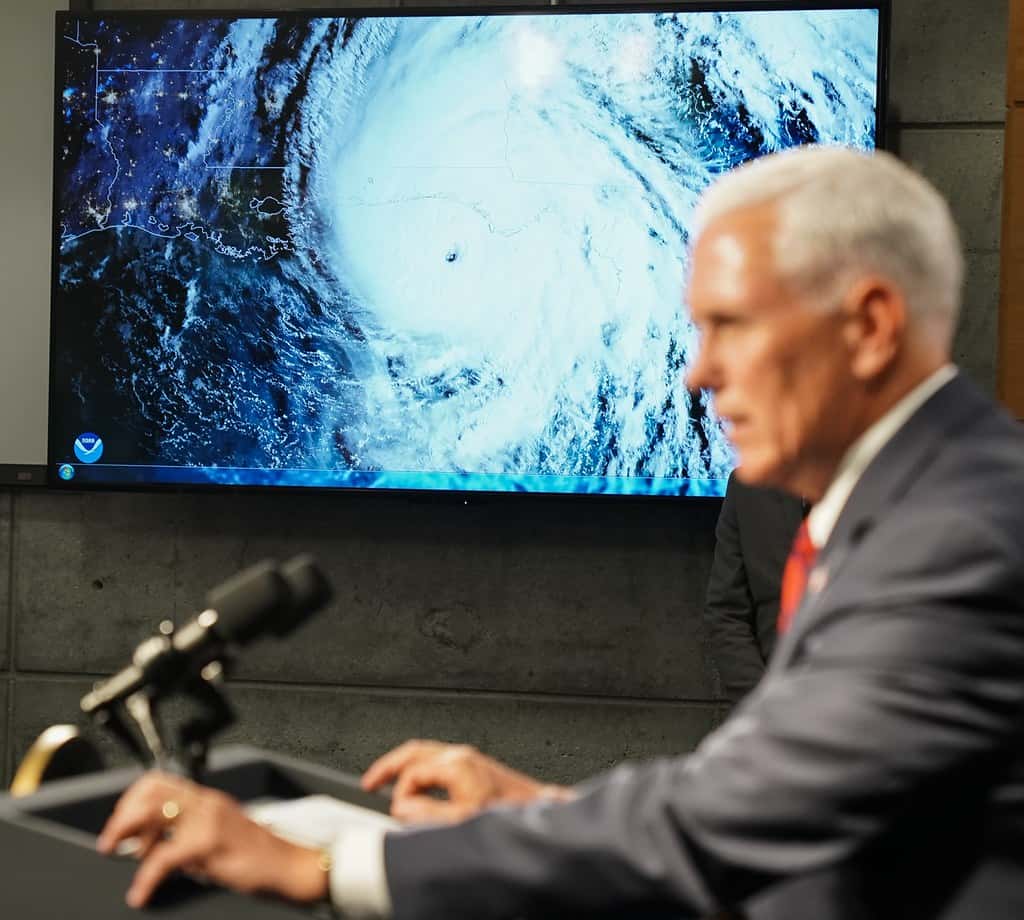
The federal government told Floridians to expect a quieter-than-usual hurricane season in 2026. Now, with the first tropical system of consequence organizing in the Gulf and threatening the Panhandle with rain and coastal flooding, that forecast faces its first real test, and so does the federal apparatus Florida depends on to predict, prepare for, and respond to storms. The season's slow start has given way to a reminder that even a below-normal year demands vigilance from the agencies that stand between the tropics and the state's residents.
The soon-to-be Tropical Storm Bertha is not, on its own, a major threat. But its arrival focuses attention on the systems that matter most when storms strike Florida: the National Oceanic and Atmospheric Administration's forecasting, the National Hurricane Center's advisories, and the federal disaster-response and flood-insurance programs that shape recovery. How those pieces perform in a manageable early-season event offers a preview of how they would hold up in a worse one.
What NOAA predicted
In its May outlook, NOAA forecast a below-normal 2026 Atlantic hurricane season, projecting 8 to 14 named storms, of which 3 to 6 were expected to become hurricanes and 1 to 3 to reach major hurricane strength. The agency put the odds of a below-normal season at 55 percent, with a 35 percent chance of a near-normal season and just a 10 percent chance of an above-normal one, expressing about 70 percent confidence in those ranges.
For comparison, an average season produces about 14 named storms and seven hurricanes, including three major ones. The 2026 forecast, driven in part by atmospheric conditions expected to suppress storm development, pointed to a calmer year than Florida has weathered in some recent seasons. The early months seemed to bear that out, with only a short-lived Arthur in June before the tropics fell quiet.
Bertha, if named as expected, would be only the second named storm of the season, keeping the pace consistent with a below-normal year. But forecasters have been emphatic that a low seasonal count offers no protection to any individual community, since a single landfall can define a season regardless of how quiet the basin is overall.
The federal forecasting backbone
Florida's storm preparedness rests on a foundation of federal science. The National Hurricane Center, part of NOAA, issues the advisories, watches, and warnings that trigger local action, and its track and intensity forecasts guide everything from evacuation decisions to utility staging. When a storm approaches, the center's every advisory becomes the reference point for millions of residents and hundreds of officials.
That forecasting depends on an infrastructure of satellites, hurricane-hunter aircraft, ocean buoys, and supercomputer models, all funded and operated at the federal level. The accuracy of hurricane forecasts has improved dramatically over the decades, a direct result of sustained federal investment in observation and modeling, and that accuracy saves lives and money by narrowing the area that must prepare for the worst.
The reliability of that system is a recurring topic of concern whenever federal budgets and staffing come under pressure. Florida, as one of the most hurricane-exposed states in the country, has an outsized stake in ensuring that the forecasting backbone remains robust, since degraded forecasts would translate directly into greater risk for its residents.
Disaster response and the federal role
Beyond forecasting, Florida relies on federal partners for the response and recovery that follow major storms. The Federal Emergency Management Agency coordinates federal assistance after disaster declarations, helping fund debris removal, temporary housing, and rebuilding. The interplay between FEMA and the state's own emergency-management apparatus is central to how Florida recovers from significant storms.
The scale of federal involvement typically depends on the severity of an event. A storm like Bertha, expected to bring rain and localized flooding rather than catastrophic damage, is likely to be handled largely at the state and local level. But the readiness of the federal response system matters most for the major storms that a below-normal season can still produce, and early-season events serve as a check on that readiness.
The division of labor is a subject of ongoing national debate, with discussions about how much of the disaster-response burden should fall on the federal government versus the states. For Florida, which has built a sophisticated emergency-management operation of its own, that debate carries practical stakes, since the balance struck in Washington shapes the resources available when the state faces its worst days.
The flood insurance question
One of the most consequential federal programs for Florida is the National Flood Insurance Program, which provides the flood coverage that standard homeowners policies exclude. Because flooding is the most common and costly hazard from tropical systems, and because a slow storm like Bertha threatens exactly that kind of rain-driven flooding, the program's role is directly relevant as the season ramps up.
Most flood policies in Florida flow through the federal program, making it a linchpin of the state's financial resilience to storms. Its structure, funding, and periodic reauthorization by Congress are perennial concerns, since a lapse or a major change in the program could leave homeowners exposed at the worst possible moment. Florida officials watch its status closely.
The program also intersects with the state's broader insurance struggles. As Floridians grapple with high property insurance costs, the separate and often misunderstood matter of flood coverage adds another layer of financial risk. Officials routinely urge residents to secure flood insurance before storms arrive, given the waiting periods that make last-minute coverage impossible.
How forecasting improved
The reliability Floridians take for granted when a storm approaches is the product of decades of federal investment in atmospheric science. Hurricane track forecasts have grown dramatically more accurate over the years, allowing officials to narrow the area that must prepare and to give residents more precise, timely warnings. That progress has saved lives and reduced the economic disruption of unnecessary evacuations.
Those gains rest on an infrastructure of observation and computation: satellites that watch storms from orbit, aircraft that fly into them to gather data, buoys that measure ocean and atmospheric conditions, and supercomputers that run the models forecasters rely on. Each element is funded and operated at the federal level, and the accuracy of the resulting forecasts depends on all of them working together.
Intensity forecasting, predicting how strong a storm will get, has historically lagged track forecasting and remains a harder problem, though it too has improved. For a state as exposed as Florida, continued advances in both areas translate directly into safety, which is why the health of the federal forecasting enterprise is a matter of genuine local concern.
The recovery machinery
When a major storm does strike, the federal role shifts from prediction to recovery, and that machinery is as consequential as the forecasting. Federal disaster declarations unlock assistance for debris removal, temporary housing, infrastructure repair, and aid to individuals and businesses, resources that can determine how quickly a battered community gets back on its feet. The coordination between federal and state agencies is central to that process.
Florida has built one of the most capable state emergency-management operations in the country, honed by repeated experience with major storms. That capacity allows the state to handle smaller events largely on its own, but the largest disasters exceed any single state's resources and require federal partnership. The division of responsibility between the two levels of government is a recurring subject of policy debate.
How that balance is struck matters enormously to Florida. A robust federal partner strengthens the state's ability to recover from catastrophic storms, while any weakening of federal support would shift more of the burden onto state and local governments and, ultimately, onto residents. The stakes are highest precisely when a storm is worst, which is why the readiness of the recovery apparatus warrants attention even in a quiet year.
What it means for Floridians
For Florida residents, the lesson of an early-season storm in a supposedly quiet year is that federal forecasting and response are not abstractions but the machinery on which their safety depends. The accuracy of a hurricane center advisory, the responsiveness of federal disaster aid, and the availability of federal flood insurance all shape how Floridians weather storms and recover from them.
The below-normal forecast should be read as a statement about probabilities across the basin, not a guarantee for any household. Floridians benefit from treating every season, and every storm, with the seriousness the hazard warrants, while recognizing how much of their protection is delivered by federal systems operating quietly in the background.
Preparedness as a shared duty
The interplay between federal systems and individual responsibility runs through every discussion of hurricane readiness. Federal forecasting and disaster response provide the framework, but their effectiveness depends on residents acting on the information they deliver. A perfect forecast does little good if people ignore it, and the most generous federal aid cannot undo the consequences of a community that failed to prepare.
That shared duty is why officials pair their advisories with relentless reminders about personal preparation. The federal government can predict a storm and help a community recover, but the decisions that most determine survival, whether to evacuate, whether to avoid a flooded road, whether to have supplies on hand, rest with individuals and families. The system works best when both parts function.
For Florida, a state that lives with hurricane risk every year, that partnership between government and residents is a permanent feature of life. Understanding how the federal pieces fit together, and how they depend on personal action, helps residents make sense of the warnings they receive and respond to them effectively when a storm threatens.
What is next
As Bertha moves through the Gulf, the National Hurricane Center will continue issuing advisories, and state and federal officials will coordinate on any needed response. The event offers a low-stakes opportunity to observe how the forecasting and preparedness systems perform before the peak of the season arrives.
The heart of hurricane season, from August through October, still lies ahead, even in a below-normal year. The Florida Press will continue to cover the season's development, the federal systems Florida depends on, and their implications for the state.
Spotted an issue with this article?
Have something to say about this story?
Write us a letterComments
No comments yet. Be the first to weigh in.
Related Coverage
Ukraine and Sudan TPS Hit Monday Deadline With No DHS Decision, Leaving Florida Families in Limbo
6h ago
Rubio Defends Trump's Waiver of New Russia Sanctions as Rick Scott Voices Doubts
8h ago

Miami's Cuban exiles sour on Trump and Rubio as Cuba action stalls nine months after Maduro's capture
10h ago

Florida's Latino voters stand apart as Hispanics nationally sour on Trump heading into the 2026 midterms
12h ago