Miami's Cuban exiles sour on Trump and Rubio as Cuba action stalls nine months after Maduro's capture
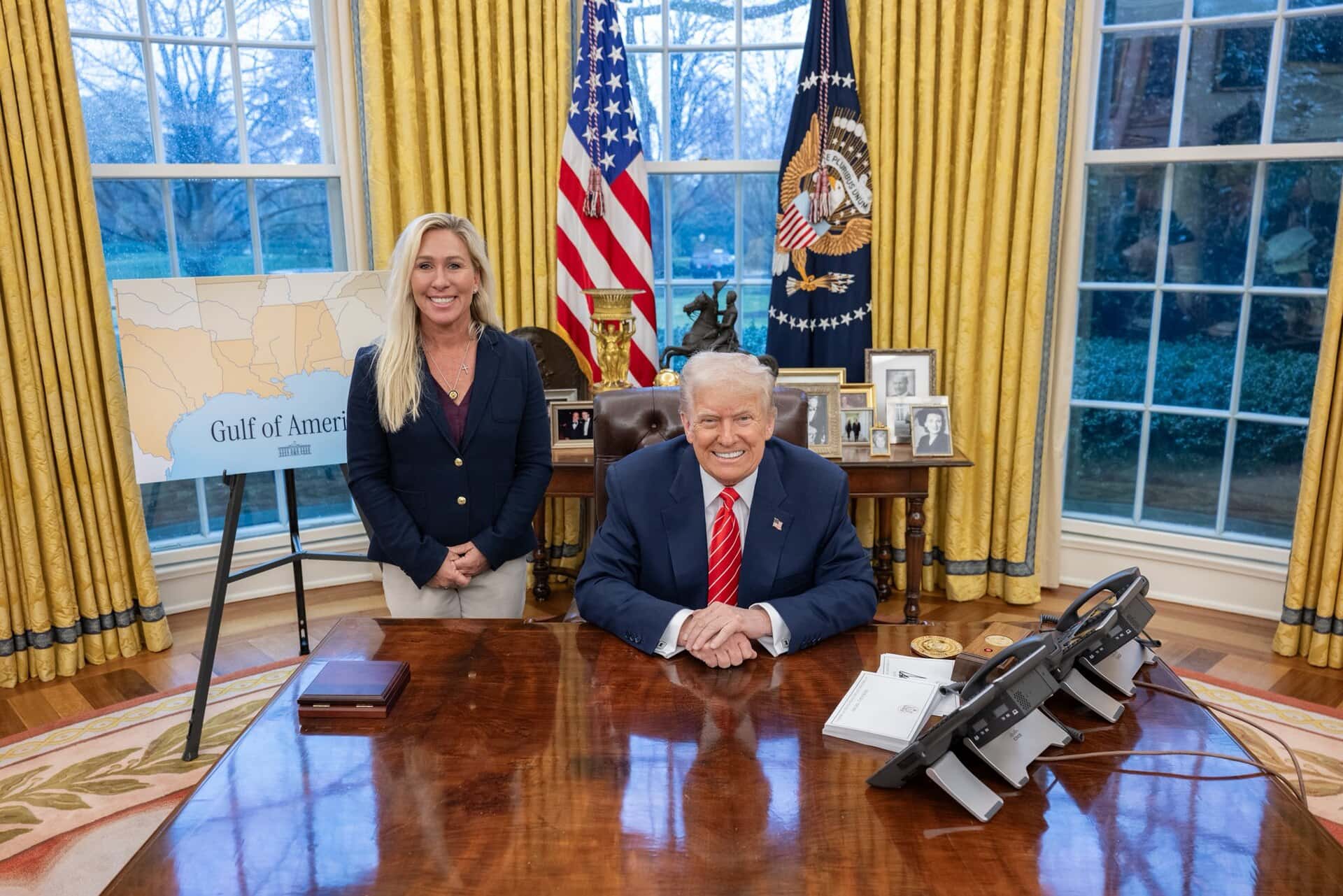
Nine months after U.S. forces captured Venezuelan leader Nicolás Maduro in Caracas, frustration is building among parts of Miami's Cuban exile community that the Trump administration has not delivered a similar blow to the communist government in Havana. The disappointment, aired on Spanish-language radio and in reporting by the Florida Bulldog, comes as Secretary of State Marco Rubio, the Miami native who leads the administration's Cuba policy, left this weekend on a trip to Central and South Asia, and as Republicans court Cuban American voters in Miami-Dade County ahead of the Nov. 3 midterms.
From Caracas to a stalemate
The expectations date to Jan. 3, when the U.S. military captured Maduro and his wife, Cilia Flores, in Caracas. Speaking beside President Donald Trump at Mar-a-Lago in Palm Beach County that day, Rubio described Cuba's Communist leaders as incompetent and senile and said that if he were in the Cuban government, he would be concerned, according to Local 10 News.
The administration followed with an effective blockade of oil shipments to the island early in the year, which deepened Cuba's fuel shortages and blackouts. Many exiles read those steps as a prelude to a Venezuela-style operation. In April, a Miami Herald poll of 800 Cubans and Cuban Americans in South Florida found 79% supported some form of U.S. military intervention to bring regime change or humanitarian relief, as WLRN reported, and more than three-quarters opposed allowing the government to stay in power in exchange for adopting capitalism.
That moment has not come. On Sept. 26, Trump told reporters at the White House that he expected the United States and Cuba to reach a deal and said he did not think the military would be needed, according to multiple news reports. Two days later, in a Fox News interview, Rubio warned that Cuban leaders who believe they can wait out the administration would learn the lesson the hard way if they do not change course, and he called Cuba a failed state. On Oct. 5, CiberCuba reported, Rubio directed a separate message at the island's armed forces, urging them to open their eyes to the reality they face.
Reported talks with a Castro grandson
Behind the public warnings is a back channel. Axios reported in February that Rubio had been holding discussions with Raúl Guillermo Rodríguez Castro, the grandson of former Cuban leader Raúl Castro. A senior administration official described the contacts at the time as discussions about Cuba's future rather than negotiations.
On Oct. 5, The Atlantic reported that those conversations had stalled over a U.S. condition that President Miguel Díaz-Canel leave power, a demand Havana rejected, according to CiberCuba's account of the report. The Atlantic also linked the pause in part to the U.S. conflict with Iran, which has drawn ships and aircraft to the Middle East. The Cuban government has said there are no formal negotiations, only channels of communication, while the State Department has said talks continue and has dismissed Havana's characterization as propaganda, CiberCuba reported. The Florida Press has not independently confirmed The Atlantic's account.
Discontent on Miami radio
A Florida Bulldog report by Kirk C. Nielsen published Oct. 15 used Miami's Spanish-language talk radio as a gauge of exile sentiment and found callers accusing Trump and Rubio of failing to keep their promises, according to summaries by CiberCuba and other Cuban outlets. Some callers said they would stop voting Republican if Cuba is not free by the end of the year, those outlets reported.
Guillermo Grenier, a sociologist who has long studied Miami's Cuban community, expects any backlash to show up as Cuban Americans staying home rather than voting for Democrats, according to CiberCuba's summary. That distinction matters because Republicans in Miami-Dade depend on high turnout from Cuban American voters to carry countywide and congressional races.
Immigration has added to the strain. Deportations of Cubans have risen during Trump's second term, and the site reported Oct. 14 that available data puts the total near 12,000. Federal lawyers are also again asking a Miami judge to dismiss a lawsuit by nearly 1,000 Cubans holding I-220A release papers. Still, Cuban Americans remain Trump's strongest Latino constituency: a Florida International University Latino Public Opinion Forum survey released in April found 53% of Cuban respondents supported Trump, and more than 70% backed his deportation campaign.
Rubio's travel draws questions
Rubio departed Washington on Saturday for Uzbekistan and later India, his 31st trip abroad as secretary of state, The Associated Press reported. The AP noted that Rubio has concentrated on Latin America, especially Venezuela and Cuba, while special envoys have taken the public lead on Iran, Gaza and the Russia-Ukraine war. Ivo Daalder, a former U.S. ambassador to NATO, criticized the schedule, saying the trip fits a pattern of avoiding major crises. The State Department pushed back, telling the AP that some of the most consequential diplomatic work happens outside the public spotlight, and Deputy Secretary of State Christopher Landau defended the focus on the Western Hemisphere.
Rubio, who also serves as national security adviser, told reporters before leaving that the Central Asia relationship is important and that strategic visits often suffer when diplomats only travel to crises.
Republicans court the Cuban vote
Republican nominee for governor Byron Donalds campaigned at the Bay of Pigs Museum and Library in Little Havana on Friday, Oct. 16, alongside his running mate, state Sen. Bryan Ávila of Miami-Dade County. Donalds told the crowd, "We want Cuba to be free of communism," and said Florida would not tolerate socialism, according to WSVN. He did not lay out a specific Cuba policy, and his Democratic opponent, David Jolly, campaigned the same day with pastors in Deerfield Beach.
The congressional races most tied to Cuba policy are the three Miami-Dade seats held by Cuban American Republicans:
| District | Incumbent | 2026 outlook |
|---|---|---|
| FL-27 | María Elvira Salazar (R) | Faces Democrat Eliott Rodriguez; Cook moved it to Lean Republican |
| FL-26 | Mario Díaz-Balart (R) | Rated Solid Republican by Cook |
| FL-28 | Carlos Giménez (R) | Rated Solid Republican by Cook |
In FL-27, which runs from Little Havana down the coast to Cutler Bay and west into Kendall, both candidates are Cuban American former television journalists. Salazar has celebrated the fuel blockade and sanctions as pressure that is cracking the Cuban government, WLRN reported, while Rodriguez has said he does not support policies that leave ordinary Cubans without electricity and water and favors an economic transition toward democracy. A Tulchin Research poll for the Democratic-aligned House Majority PAC, taken Sept. 8 to 13, showed Salazar ahead 47% to 46%. The site reported Oct. 4 that Rodriguez outraised Salazar in the third quarter.
What it means for Florida
For South Florida, Cuba policy is not abstract. Many Miami-Dade families have relatives on the island living through blackouts and shortages. At the same time, commerce continues: the site reported Oct. 13 that U.S. exports to Cuba hit a record $202.5 million in August, driven by fuel sold to private Cuban firms, a sign of how the administration's pressure campaign coexists with a growing private trade channel.
Polling suggests most Cuban American voters still favor Republicans, and no survey has yet measured how much the Cuba stalemate will affect turnout. The open question for Republicans is whether frustration over Cuba, layered on top of anger over deportations, keeps some loyal voters home in a year when Democrats are targeting FL-27.
What's next
Early voting begins Monday, Oct. 19, and Election Day is Nov. 3. Rubio is scheduled to be in Uzbekistan and India this week. The administration has not announced any change in its Cuba strategy, and Trump has said he expects a deal with Havana without military action, leaving exile voters to weigh whether pressure short of force is enough.
Spotted an issue with this article?
Have something to say about this story?
Write us a letterComments
No comments yet. Be the first to weigh in.
Related Coverage

Florida's Latino voters stand apart as Hispanics nationally sour on Trump heading into the 2026 midterms
2h ago
Florida Medicare enrollees face higher Part D drug plan premiums in 2027 as federal subsidy ends
2h ago
Abortion Pill Rules Unlikely to Change Before 2027 as Florida's Mifepristone Lawsuit Waits
4h ago

Maxwell Frost's Orlando Office Evacuated, Suspicious Envelope Intercepted at Darren Soto's Kissimmee Office
23h ago