Artemis III Milestones at Kennedy Space Center: SLS Boosters Arrive and a Crew Announcement Nears
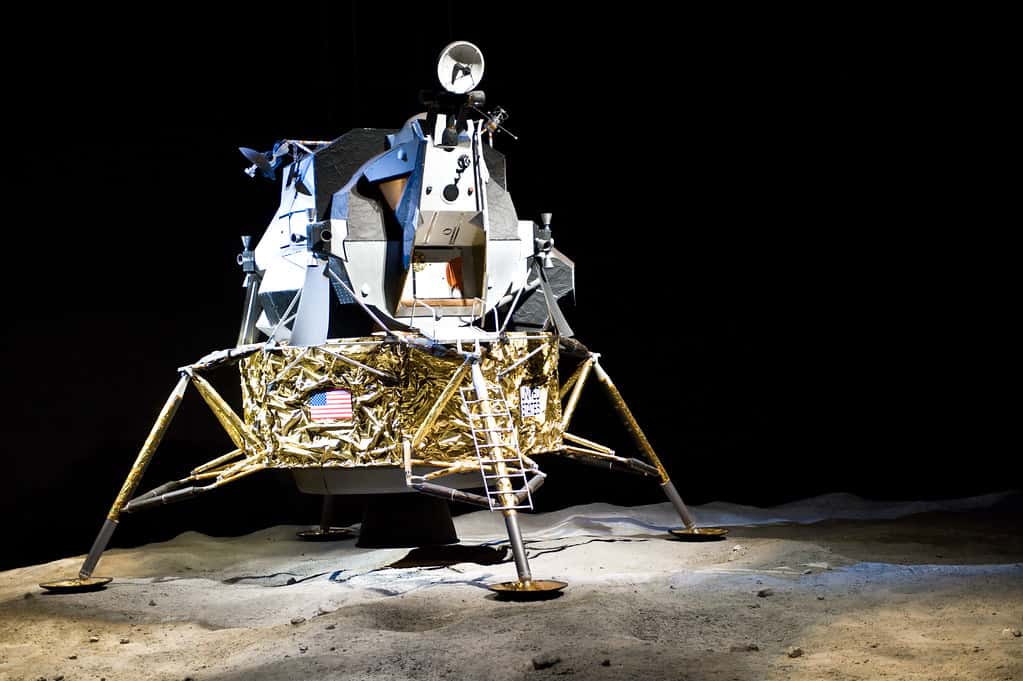
Florida's Space Coast is entering a defining stretch for America's return to the Moon, with two major milestones for NASA's Artemis III mission converging on Kennedy Space Center. NASA is preparing to announce the crew that will fly the mission on June 9, 2026, and the last of the hardware needed to build its giant rocket's boosters has begun the journey to Florida. Together, the developments put Brevard County at the center of the nation's most ambitious human spaceflight effort in decades.
The crew announcement, set for June 9, will reveal the astronauts assigned to Artemis III, the mission intended to return humans to the surface of the Moon. NASA is planning an announcement event and watch party at the Kennedy Space Center Visitor Complex Rocket Garden, turning the moment into a public celebration on the very coast where the mission will one day lift off. For a region whose identity is bound up with the space program, the event is more than a personnel reveal; it is a marker of momentum toward launch.
The other milestone is the steady arrival of the rocket itself, piece by piece. The final solid rocket booster motor segments for the Space Launch System, NASA's heavy-lift rocket, shipped on June 2, 2026, from Northrop Grumman's facility in Utah. Those segments are bound for Kennedy Space Center, where they will be assembled into the towering boosters that help propel the rocket off the pad. The hardware's journey to Florida signals that the physical machine for Artemis III is coming together.
NASA prepares to name the Artemis III crew
The June 9 announcement will answer one of the most anticipated questions in spaceflight: who will fly Artemis III. The mission is designed to carry astronauts back to the lunar surface, and the crew selected for it will join a small and storied group of people chosen to travel to the Moon. NASA's decision to stage the reveal at Kennedy Space Center underscores Florida's role as the home of the launch.
By holding the event at the Visitor Complex Rocket Garden, NASA is inviting the public into a moment that might otherwise unfold behind closed doors. The Rocket Garden, a display of historic rockets that has long drawn visitors to the Space Coast, offers a fitting backdrop, linking the new mission to the lineage of American spaceflight. The watch party format reflects how NASA has worked to build public engagement around the Artemis program.
The choice of venue also reinforces the economic and cultural ties between the mission and the surrounding region. The crowds expected to gather for the announcement represent the kind of interest that sustains the Space Coast's tourism draw, where the public's fascination with spaceflight translates into visitors, attention, and a sense of shared stakes in the mission's success.
For NASA, naming the crew is a pivotal step that brings the mission's human dimension into focus. Up to this point, much of the public conversation has centered on hardware and schedules. Putting names and faces to Artemis III transforms it from an engineering program into a story about the people who will undertake the journey, a shift that tends to galvanize public attention.
The final booster segments head to Florida
While the crew takes shape, so does the rocket. The shipment of the final solid rocket booster motor segments on June 2 from Northrop Grumman's Utah facility marks the completion of a key manufacturing phase. In all, eight booster motor segments are en route to Kennedy Space Center, where they will be assembled into the Space Launch System rocket's twin five-segment solid rocket boosters.
Those boosters are central to getting the rocket off the ground. Solid rocket boosters provide a large share of the thrust needed at liftoff, lifting the enormous weight of the rocket and spacecraft off the pad and through the early phase of flight. The five-segment design refers to the way each booster is built from stacked motor segments, with the segments joined together at Kennedy to form the complete boosters.
The cross-country journey of the segments, from Utah to Florida, illustrates the sprawling logistics behind a single mission. Major components are manufactured at specialized facilities around the country and then transported to the Space Coast, where the pieces come together. Kennedy Space Center serves as the integration point, the place where the rocket is assembled and prepared for flight.
The arrival of the last segments is a tangible sign of progress. With the booster hardware in transit to Florida, the work of stacking and assembling the rocket can advance, moving Artemis III closer to the configuration it will need to launch. For the teams at Kennedy, the incoming segments represent the next chapter of hands-on assembly.
What Artemis III aims to accomplish
Artemis III carries an ambitious goal: returning astronauts to the surface of the Moon. The mission is scheduled to launch in 2027, and it represents a centerpiece of NASA's broader Artemis campaign to reestablish a human presence on and around the Moon. A successful flight would mark a landmark moment in human exploration.
The mission relies on a combination of vehicles working in concert. Artemis III uses the Orion spacecraft, which carries the crew, mounted atop the Space Launch System rocket that provides the power to leave Earth. The SLS rocket, with its twin solid rocket boosters now taking shape at Kennedy, is the heavy-lift vehicle designed to send Orion and its crew on their way toward the Moon.
Reaching the lunar surface is an enormously complex undertaking that demands every element of the mission to function together. From the boosters that lift the rocket off the pad to the spacecraft that carries the astronauts, each component must perform as intended across a journey that spans hundreds of thousands of miles. The hardware milestones now unfolding at Kennedy are steps toward proving that the full system is ready.
The 2027 launch target gives the program a clear horizon, and the milestones arriving in 2026 are the building blocks toward it. The crew announcement and the booster shipment are not the finish line, but they are concrete evidence that the mission is moving from planning into the tangible work of preparation, with Florida as the staging ground.
A second arrival bound for the Space Coast
Artemis III is not the only major NASA project converging on Kennedy Space Center. NASA's Nancy Grace Roman Space Telescope is also set to arrive at the center in the coming weeks, traveling aboard the Pegasus barge from the agency's Goddard facility. Its arrival adds to the busy slate of activity unfolding on the Space Coast ahead of its own future launch.
The Roman Space Telescope represents a different facet of NASA's work, focused on observing the cosmos rather than carrying astronauts. Its journey to Kennedy by barge highlights the variety of missions that pass through the Florida spaceport, which serves as a launch and processing hub for both crewed and uncrewed endeavors. The center's facilities prepare a wide range of spacecraft for flight.
The use of the Pegasus barge to move the telescope from Goddard underscores the logistical reach of the spaceport. Just as the booster segments travel from Utah by land, the telescope will arrive by sea, converging on the same Florida coast where so much of the nation's space activity is concentrated. The barge route is a long-standing method for transporting large and delicate space hardware.
The overlapping arrivals paint a picture of a spaceport operating at full tilt. With Artemis III hardware coming together and the Roman Space Telescope inbound, Kennedy Space Center is handling multiple high-profile projects at once, reinforcing its standing as a central node in the nation's exploration efforts and a hub of activity on Florida's Space Coast.
Why this matters for Central Florida
For Central Florida, the Artemis III milestones are more than national news; they are local economic and cultural events. Kennedy Space Center and Cape Canaveral, located on the Space Coast in Brevard County, serve as the launch and processing hub for the nation's space program. The activity centered there ripples outward into the surrounding communities in ways residents feel directly.
The space economy is a major employer in the region, supporting jobs across engineering, manufacturing, logistics, and the many supporting industries that keep a spaceport running. As Artemis III hardware arrives and assembly advances, that work translates into sustained activity for the workforce whose livelihoods are tied to the program. The milestones reaching Florida are, in part, milestones for the people who build and prepare these missions.
Beyond employment, the space program is a powerful tourism draw for Central Florida. Events like the crew announcement watch party at the Visitor Complex Rocket Garden bring visitors to the Space Coast, where public fascination with spaceflight fuels a steady stream of tourism. Each high-profile moment reinforces the region's identity as a place where history-making missions take shape.
As the June 9 crew announcement approaches and the booster segments make their way to Kennedy, Central Florida finds itself at the heart of a national story. The convergence of these milestones on the Space Coast highlights how deeply the region is bound to the future of American spaceflight, with the road to the Moon running straight through Florida.
Spotted an issue with this article?
Have something to say about this story?
Write us a letterComments
No comments yet. Be the first to weigh in.
Related Coverage

Monroe County Elections Chief Investigating Video of Apparent Armed Federal Agents Outside Keys Early Voting Site
1h ago

Frost and Lee File Bipartisan SLOTHS Act to Ban Sloth Imports After Orlando's Sloth World Deaths
2h ago
Democrat Nicole Locklin Challenges Longtime Rep. Mario Díaz-Balart in Redrawn 26th Congressional District
4h ago

SpaceX Launches Bandwagon-5 Rideshare From Cape Canaveral, Lighting Up a Brief Space Jellyfish Over Florida
21h ago