Buccaneers and Jaguars Close Preseason With Roster Spots Still Open
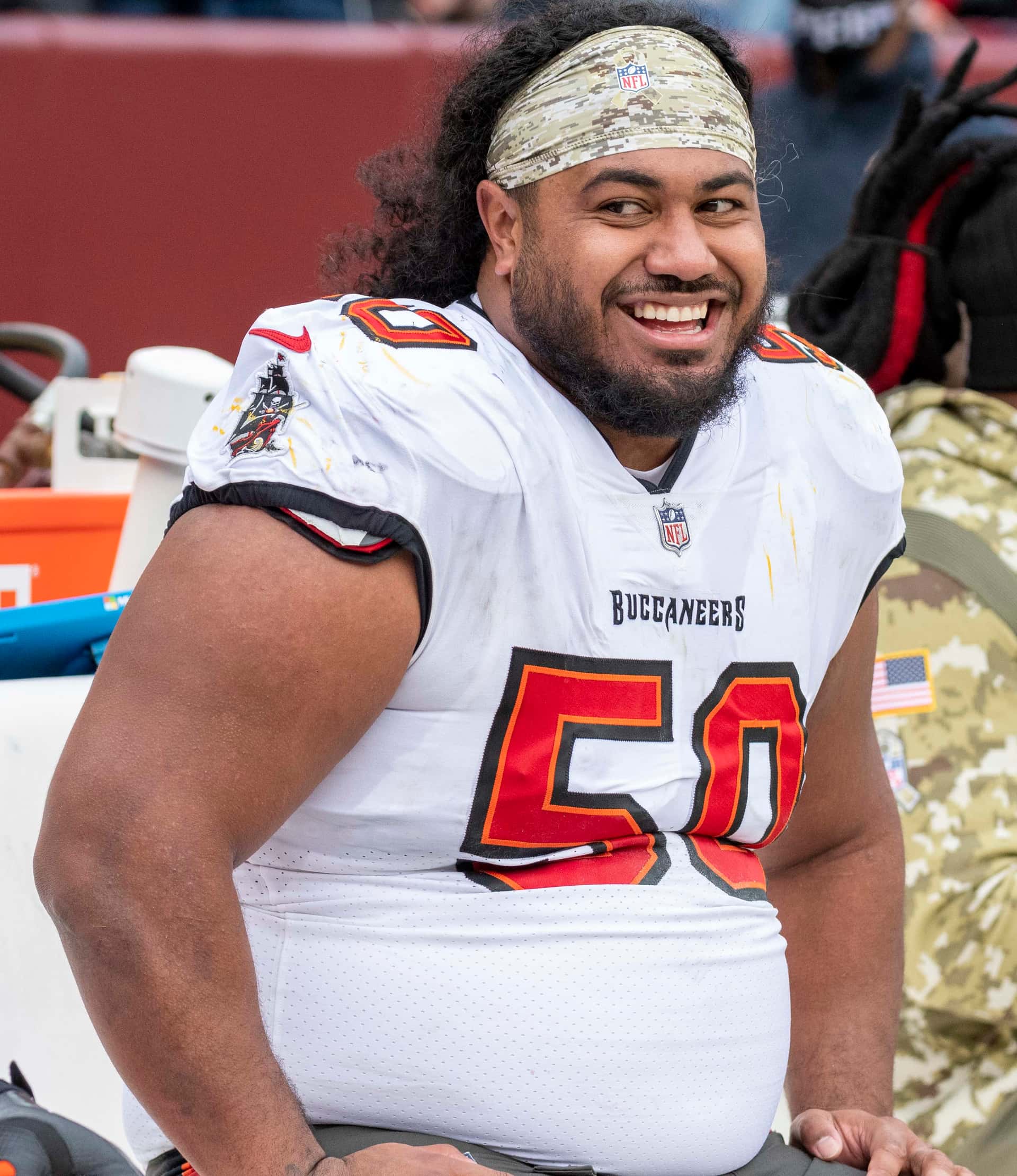
The Tampa Bay Buccaneers close the preseason in Jacksonville against the Jaguars, an all-Florida exhibition that functions less as a competitive event than as a final evaluation window. Both clubs are carrying 90 players and both must be at 53 by 6 p.m. Eastern on Sunday, August 30, which means dozens of players on each sideline are effectively auditioning for a job that will be decided within 48 hours of the final whistle.
Preseason finales have a distinct character. Established starters rarely play, or play only a series, and the bulk of the snaps go to players fighting for the last handful of roster spots or for a practice squad invitation. For a large share of the participants, this is the last organized football they will play for a while.
The two teams had already met this week in joint practices before the game, which is now common practice around preseason matchups. Joint sessions give coaching staffs controlled looks at opposing personnel and are often more informative to evaluators than the game itself, since situations can be scripted rather than left to circumstance.
What Tampa Bay is deciding
The clearest open question in Tampa is at backup quarterback, where reports around the team describe a competition that the preseason finale is expected to settle. The backup job matters more than its snap count suggests, since the position determines what a season looks like if the starter misses time.
Beyond quarterback, the Buccaneers face the standard bottom-of-roster decisions: which of the developmental linemen to keep, how many receivers to carry, and whether to hold an extra player at a position of thin depth rather than take the best available player at another. Those choices are usually decided by special teams value, since a fifth or sixth receiver who cannot contribute on coverage units is difficult to justify.
Tampa Bay's roster construction has been oriented toward competing rather than rebuilding, which changes the calculus at the margins. Contending teams generally favor experienced depth over upside, because the reason a 53rd player appears in a game is usually an injury during a meaningful week.
What Jacksonville is deciding
The Jaguars are working around an injury at running back, with LeQuint Allen sustaining a soft tissue injury earlier in the week that is expected to keep him out for the remainder of camp. Reports around the team suggest Jacksonville could carry a fourth running back as insurance heading into Week 1.
Carrying an extra player at one position always costs a spot somewhere else. A fourth running back typically means one fewer player at receiver, tight end or in the defensive secondary, and those decisions ripple through the special teams plan since running backs and defensive backs occupy overlapping roles on coverage units.
Jacksonville opens the regular season against the Cleveland Browns, and roster decisions this weekend are made with that specific matchup in mind. Teams frequently adjust the initial 53 in the following days once waivers process, so a Week 1 roster is rarely identical to the roster submitted on Sunday.
How the cutdown works
The mechanics matter for understanding what happens after the game. Players with fewer than four accrued seasons are subject to waivers, meaning any team can claim them, with priority based on the previous season's standings in reverse order. Players with four or more accrued seasons become unrestricted free agents and can sign anywhere immediately.
That distinction shapes strategy. A team hoping to retain a young player on the practice squad must first get him through waivers, and the more a player showed in preseason the more likely another club claims him. Teams sometimes make cuts earlier in the week specifically to control the timing of when a player hits the wire.
Practice squads carry 16 players and function as an active developmental roster. Practice squad players can be elevated to the game day roster a limited number of times per season without being signed to the active roster, and any team can sign another club's practice squad player to its active roster at any point during the season.
What it means for Florida football fans
All three Florida NFL teams are working through the same deadline, and the state's rosters will look meaningfully different by Monday. For fans tracking specific players, the waiver period is often more consequential than the cuts themselves, since it determines where released players land.
The preseason finale also marks the end of the exhibition calendar and the start of the stretch when depth charts stabilize. Position battles that have been open since July resolve within days, and the versions of these teams that take the field in Week 1 are largely the versions that will carry through September.
For the Tampa Bay and Jacksonville markets specifically, the finale is the last live football at either stadium before games count. Attendance at preseason finales is typically light, and the crowd skews toward fans specifically interested in evaluating young players.
Local impact across the state
Florida's three NFL franchises anchor distinct regional markets, and their fortunes shape local sports economies in different ways. Jacksonville's team occupies a larger share of its market's attention than either Florida rival, given the absence of other major professional franchises in the city.
Tampa Bay supports the broadest professional portfolio in the state, with football sharing a market that also carries baseball and hockey. Late August places the Buccaneers directly alongside a Rays club in a playoff race, which splits regional coverage.
South Florida has the most crowded calendar of all, and the Dolphins face the same cutdown deadline while carrying the youngest roster in the league. The three Florida clubs are in genuinely different competitive phases, which makes the shared deadline the main thing they have in common this weekend.
Why joint practices have replaced preseason snaps
The shift toward joint practices reflects a calculation coaching staffs have made about risk and information. A preseason game exposes players to full-speed contact with limited control over situations, while a joint practice allows staffs to script specific looks and to stop a period when the work is done.
The evaluation value is higher in the controlled setting. A coach evaluating a rookie cornerback can run twenty repetitions against a specific route concept in practice, whereas a game might produce two such situations across three quarters. The volume of usable information is substantially greater.
Injury risk is the other half of the calculation. Preseason games have historically produced injuries to players who had already made the roster, which is the worst possible outcome from an exhibition. Joint practices are not risk free, but the tempo and the ability to stop a period reduce exposure.
The consequence is that preseason games have become almost entirely developmental showcases. Starters appear briefly or not at all, and the football on display bears little resemblance to what the regular season will look like.
What happens to the players who are cut
The vast majority of players released this weekend will not sign with another team immediately. Of the roughly 1,180 players cut across the league, a portion will be claimed on waivers, a larger portion will sign practice squad contracts, and many will not receive an offer at all.
Practice squad contracts pay a weekly salary substantially below the active roster minimum but keep a player in an NFL building with access to coaching and facilities. For a young player, that position is generally preferable to waiting for a call, since teams sign from practice squads throughout the season as injuries accumulate.
Injury settlements are a separate category. A player injured during camp who would otherwise be released can reach a settlement with the club covering the expected recovery period, after which he becomes free to sign elsewhere.
For players who receive no offer, the practical reality is that the football calendar offers few alternatives at this point in the year. Some pursue opportunities in other leagues, and some are signed later in the season when a team exhausts its depth at a position.
Why special teams decides the last spots
The players competing for the final roster positions are rarely competing on the basis of their primary position. A team carrying six receivers does not expect the sixth to catch passes in a meaningful game; it expects him to cover kicks, protect on punts and contribute on the units that account for a substantial share of any given contest.
Special teams coordinators therefore carry unusual influence over the cutdown. They evaluate the same players the position coaches do, on different criteria, and a player who cannot contribute in the kicking game is difficult to keep regardless of what he shows at his position.
The specific skills involved include tackling in space, avoiding blocks in confined areas and the discipline to maintain lane assignments at full speed. Those attributes do not always correlate with performance at a player's primary position, which is why preseason games remain useful for evaluating them.
Rule changes affecting kickoff formations in recent seasons have altered which body types and skill sets teams value on those units, adding a further variable to roster decisions that were already made on narrow margins.
What is next
Rosters must be at 53 by Sunday evening. Waiver claims process the following day, practice squads form after that, and by midweek each club has a functional 69-player organization split between the active roster and the practice squad.
Injury designations follow. Players placed on injured reserve before the cutdown are ineligible to return that season, while players moved to injured reserve after rosters are set can return after a minimum absence, which is why the timing of those transactions is handled carefully.
The regular season then arrives quickly. Jacksonville hosts Cleveland, Tampa Bay begins its own schedule, and the roster questions that dominated August become depth chart footnotes within a week. That compression is a defining feature of the NFL calendar: the decisions take a month to make and stop mattering almost immediately once real games start.
Spotted an issue with this article?
Have something to say about this story?
Write us a letterComments
No comments yet. Be the first to weigh in.
Related Coverage
Brandon Hagel Scores Twice in Final Two Minutes for Hat Trick as Lightning Beat Islanders 5-3
23h ago
Kirill Kaprizov's Hat Trick Spoils Panthers' Home Opener as Wild Win 4-1 in Sunrise
1d ago

Rays Open ALCS Against Guardians at Tropicana Field Without Shane McClanahan; Drew Rasmussen Starts Game 1
2d ago
John Carlson scores twice, Dennis Hildeby makes 34 saves as Lightning hold off Wild 3-2
2d ago