Buccaneers Fall 33-27 to the Bengals in Cincinnati

The Tampa Bay Buccaneers opened their 2026 season with a 33-27 loss at Cincinnati on September 13, a road defeat that kept them within one score for most of the afternoon without ever giving them the lead they needed at the end. The result sends Tampa Bay to 0-1 heading into a Week 2 slate that runs September 17 through 21.
A six-point road loss to a conference opponent is the kind of result that reads differently depending on what follows it. Played out against a team that turns out to be good, it is a competitive road game. Played out against a team that does not, it becomes a game Tampa Bay let slip.
The Buccaneers have been one of the NFC's more consistently competitive franchises in recent seasons, built around a division title cadence that has made them a fixture in the postseason field. Openers have not historically defined their years.
The shape of the game
Thirty-three points allowed is the number that will occupy Tampa Bay's defensive staff this week. Scoring 27 on the road is generally enough to win an NFL game, and a team that puts up that total and loses has a defensive problem rather than an offensive one.
Road openers carry their own difficulty that is easy to underweight. Crowd noise disrupts communication at the line, which affects protection calls and audibles, and the effect is most pronounced in the first quarter before an offense settles. Teams that open on the road historically underperform their season-long numbers in the first half of Week 1.
Staying within one score throughout does suggest the Buccaneers were not overmatched. A team that trails by six at the end has possessions available and a path to the result. The distinction between losing close and losing badly matters for how a coaching staff approaches the correction.
The NFC South picture
The division is where Tampa Bay's season gets decided, and a Week 1 non-division loss costs less than a Week 1 division loss would have. The NFC South has been among the league's more volatile divisions, with the title changing hands and win totals clustering in a narrow band.
That volatility cuts both ways for the Buccaneers. It means an 0-1 start is recoverable in a way it would not be in a division where a team needs 12 wins to contend. It also means every division game carries outsized weight, and the margin between winning the South and missing the playoffs has repeatedly come down to head-to-head results.
Tampa Bay's recent run of division success has given the franchise a stability it lacked for long stretches of its history, and the organization has generally been able to absorb early-season setbacks without the season unraveling.
What Tampa Bay has to fix
Allowing 33 points means an opponent converted in the situations that decide games: red zone efficiency, third down, and explosive plays. Which of those drove the result determines the fix, and the answers usually differ. Red zone problems are often personnel and leverage. Third down problems are usually first and second down problems. Explosive plays allowed point to coverage busts or safety depth.
The offense producing 27 on the road is a reasonable output and not the area requiring attention. Tampa Bay's offensive identity in recent seasons has been built on a functional passing game with enough run balance to keep defenses honest, and 27 points suggests that machinery worked.
Special teams and situational football are the other places a six-point loss hides. Field position, a missed kick, a penalty on a return, a fourth-down decision: any of these swing a one-score game, and none show up in the topline score.
What it means for Tampa Bay fans
For the Tampa Bay region, the Buccaneers share September attention with a Rays team that just clinched a playoff berth and with a Lightning club opening training camp. That is an unusually crowded local sports calendar, and it is a good problem for a market that has not always had one.
Raymond James Stadium home games in September and October carry the heat factor that Florida teams have historically treated as an advantage, and that advantage is unavailable on the road. Tampa Bay's home schedule is where the season gets built.
The broader Florida NFL picture had Jacksonville alone at 1-0 after a 34-10 rout of Cleveland, with both Tampa Bay and Miami opening 0-1. Miami's loss was the least competitive of the three.
The season-long view
NFL seasons are decided by the middle eight games far more often than by openers, and organizations with stable structures tend to correct early problems. Tampa Bay has had that stability, with continuity in its front office and a roster built through both the draft and targeted free agency.
The injury variable is the one that overrides everything else. A team that stays healthy through October generally gets to play the season it planned; a team that does not plays a different season regardless of how Week 1 went.
Schedule structure matters too. The path through the middle of the season, and specifically the clustering of division games, determines how much a slow start actually costs. A team that plays its division games late has more time to correct.
What a one-score loss usually reveals
There is a useful distinction in football analysis between losing because you were worse and losing because of variance. A six-point road loss sits in the range where the result could have gone either way, and teams that lose several of these in a season are usually better than their record while teams that win several are usually worse.
The components that swing one-score games are largely non-repeatable: turnover luck, fumble recovery rates, opponent field goal accuracy, and the outcomes of a handful of contested catches. Coaching staffs know this, which is why the postgame evaluation of a close loss focuses on process rather than on the final margin.
What is repeatable, and therefore worth correcting, is the defensive performance that allowed 33 points. Points allowed in the low 30s is not a variance outcome. It reflects something structural that an opponent exploited and that future opponents will study.
The Tampa Bay sports calendar collision
The Buccaneers open their season into the most crowded stretch the Tampa Bay market has ever had. The Rays clinched a playoff berth on September 11 and are chasing an American League East title. The Lightning open training camp this week. College football is in full swing at the University of South Florida and across the region.
That competition for attention and for discretionary entertainment spending is a genuine business factor for all of these organizations, and it is a relatively recent condition. For most of the region's history, the fall sports calendar was uncontested.
It is also a marker of how far the market has come. Tampa Bay now supports three major professional franchises, all of which have been competitive within the past several years, in a metropolitan area that was without any of them within living memory.
What the schedule ahead demands
The NFC South is decided by divisional results more than by overall record, and the distribution of those games across the schedule shapes how much a slow start costs. A team that plays most of its division games in the second half has time to correct; a team that front-loads them does not.
Tampa Bay's recent success has been built on winning the division rather than on accumulating wild card wins, and the franchise has demonstrated an ability to peak late. That pattern is partly roster construction and partly the schedule structure that rewards teams playing well in December.
The immediate priority is avoiding 0-2, which historically correlates with a substantially reduced playoff probability. Teams do recover from it every season, but the arithmetic gets harder and the margin for a midseason injury disappears.
What the opener tells us and what it does not
Week 1 in the NFL is the least predictive week of the season, and analysts who cover the league professionally say so every year without much effect on how fans read it. Teams install new schemes in training camp and reveal them for the first time in the opener. Opponents have no film on those installations. Rosters are healthier than they will be in November, and the depth players who will matter later have not yet been tested.
The specific things that do carry signal from an opener are the ones tied to personnel rather than to scheme. Whether an offensive line can protect, whether a secondary can cover without help, whether a pass rush wins one on one: those are talent questions and they look similar in September and December.
For Tampa Bay, the signal worth extracting from a 33-point performance by an opponent is whether the points came from scheme confusion, which is correctable with a week of film, or from personnel mismatches, which are not. The coaching staff knows the answer before the public does, and it will be visible in the adjustments.
The market's expectations for this team
Tampa Bay entered the season with expectations built on a recent run of division success, and expectations shape how a Week 1 loss gets received. A franchise coming off consecutive division titles is judged against January rather than against September, and the fan reaction to a competitive road loss reflects that.
The organization's stability has been a genuine asset. Continuity in the front office and a roster built through a mix of drafting and targeted free agency have given the Buccaneers a floor that many franchises lack, and it is why an 0-1 start does not generate the institutional anxiety it would elsewhere.
The pressure, such as it is, falls on execution rather than on direction. This is a team that knows what it is trying to be. The question the opener raised is whether the defense can hold up while it does it.
What's next
Tampa Bay moves to Week 2 with the league slate running September 17 through 21. Avoiding 0-2 is the immediate objective, since a two-game hole meaningfully changes playoff probability even in a volatile division.
Practice reports through the week will indicate availability, and the defensive adjustments from the opener will be the thing to watch when the Buccaneers next take the field.
Bucs fans looking for the fuller picture should watch the divisional standings rather than the overall record through the early weeks. In the NFC South, that is the number that has consistently mattered most.
Spotted an issue with this article?
Have something to say about this story?
Write us a letterComments
No comments yet. Be the first to weigh in.
Related Coverage
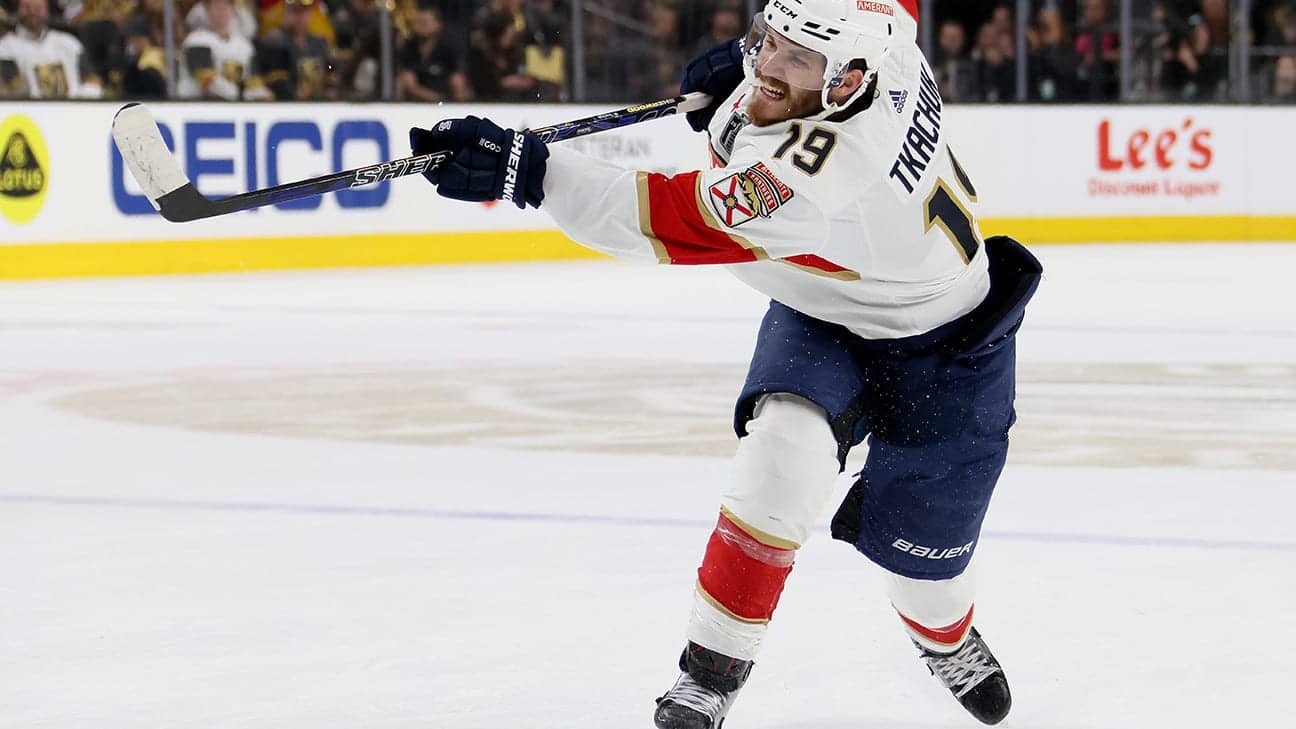
Brady Tkachuk Scores in Hostile Ottawa Return, but Senators Beat Panthers 5-1
42m ago
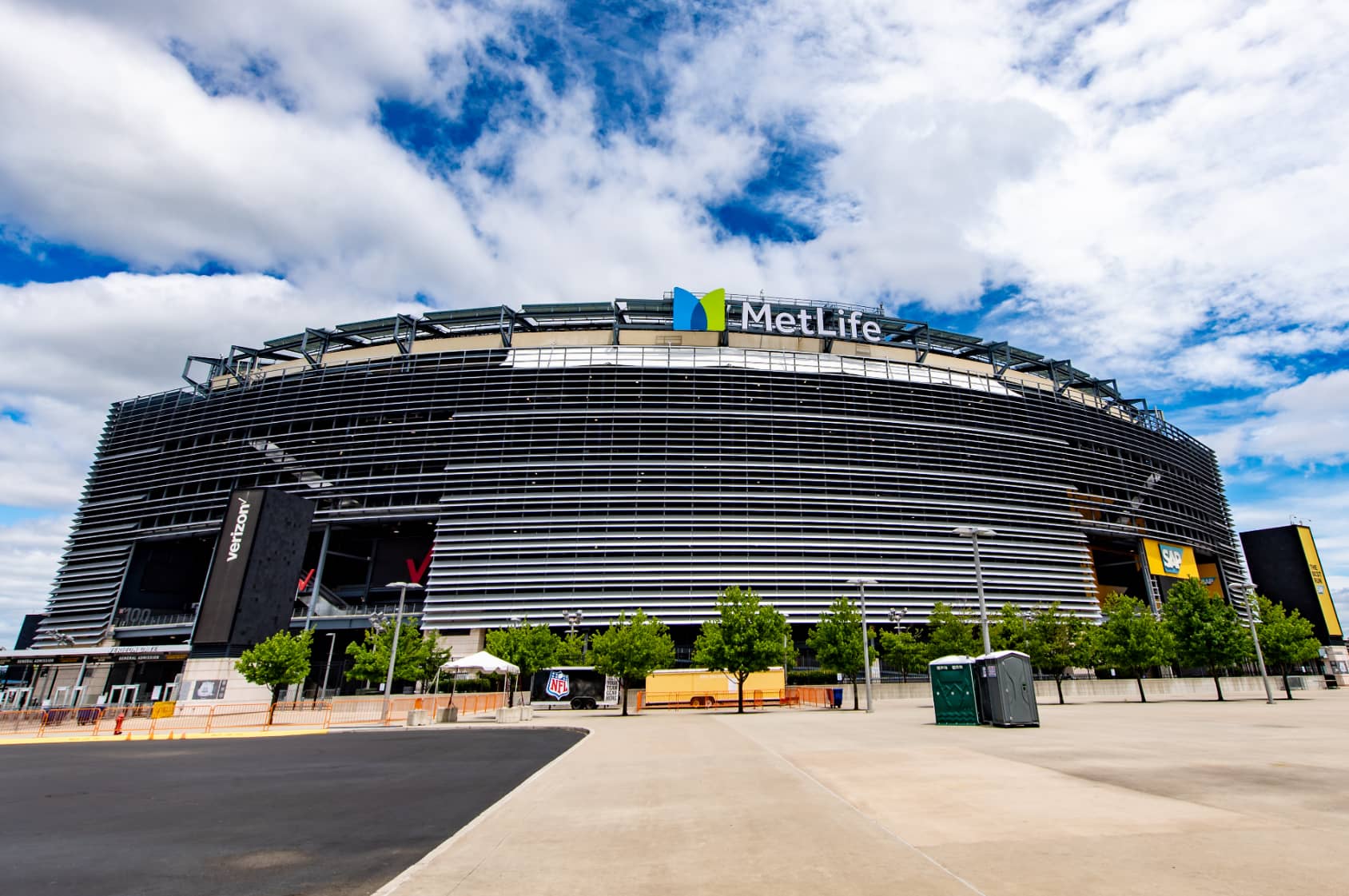
Winless Dolphins Visit Jets in Week 7 as Jeff Hafley Says Malik Willis 'Should Be Good'
17h ago
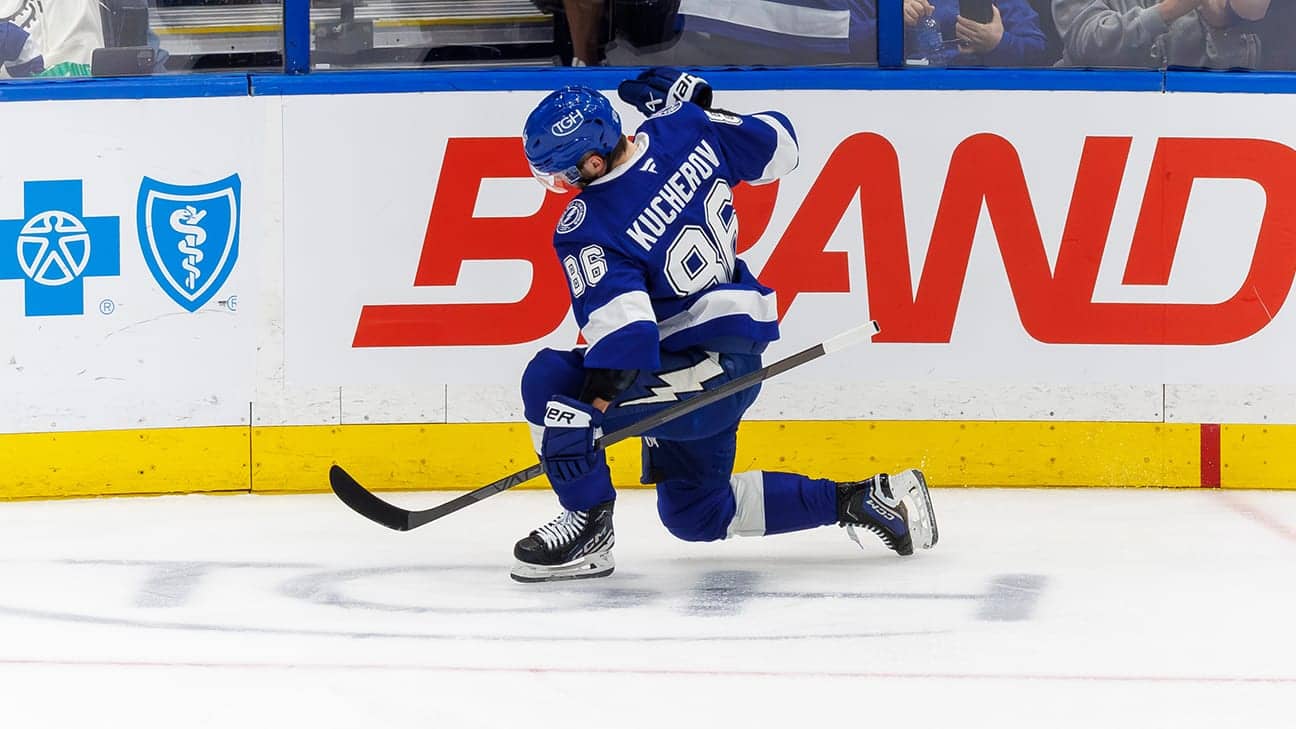
Nikita Kucherov Ties Steven Stamkos' Lightning Points Record as Tampa Bay Routs Golden Knights 6-2
20h ago

Florida Bar Places IT Employee on Leave Over Racist, Homophobic Messages Sent to Miami's Damon Wilson II
23h ago