NOAA Weighs Reopening Part of Florida's Rare Oculina Bank Coral Reef to Shrimp Trawling
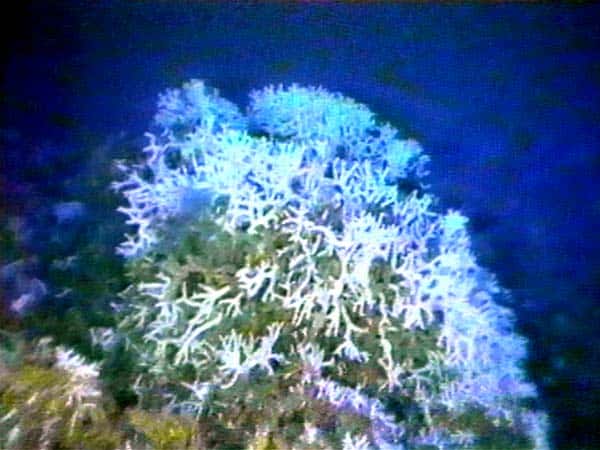
NOAA Fisheries is taking public comment through Nov. 17 on a proposal to reopen part of the Oculina Bank, a rare deep-water coral reef off Florida's east-central coast, to bottom trawling for rock shrimp. The plan, approved by the South Atlantic Fishery Management Council in January on a 12-1 vote, would create a shrimp fishery access area of about 14.1 square nautical miles along the eastern edge of the reef's protected zone, an area where trawling has been banned for years.
The decision now rests with the federal government. Shrimpers say they need the grounds to keep a shrinking fleet working. Scientists and conservation groups warn that trawling next to the last intact stands of a coral found nowhere else could undo decades of protection.
What NOAA is considering
The proposal is contained in two companion documents, Coral Amendment 11 and Shrimp Amendment 12. NOAA Fisheries published a notice of availability in the Federal Register on Sept. 18, opening a comment period that ends Nov. 17, according to an agency bulletin.
Under the plan, vessels holding a federal limited access commercial permit for rock shrimp could bottom trawl inside a 14.10-square-nautical-mile strip on the eastern boundary of the northern extension of the Oculina Bank Habitat Area of Particular Concern. A variable buffer of 350 to 1,580 meters would separate the trawling area from known coral pinnacles, intended to keep sediment stirred up by trawl gear from settling on live coral. Anchoring and the use of bottom longlines, dredges, pots and traps would remain prohibited in the area.
NOAA says the goals are to help the South Atlantic rock shrimp fishery reach optimum yield, restore access to historic fishing grounds and keep protections for the Oculina coral ecosystem. Some news coverage of the council's January vote, including by WPTV, described the area as up to 24 square miles; the agency's notice puts it at 14.10 square nautical miles.
A reef that took centuries to grow
The protected zone lies about 15 nautical miles off Fort Pierce and extends north toward Cape Canaveral, according to NOAA. Its reefs are built by Oculina varicosa, the ivory tree coral, which forms thickets and pinnacles hundreds of feet down and shelters snapper, grouper and thousands of other species.
Federal scientists discovered the reef in 1975. The government designated it a Habitat Area of Particular Concern in 1984, and in 1994 closed part of it to trawling in what became the nation's first marine protected area of its kind, WPTV reported. Protections were later expanded to most of the reef and made permanent. By then, scientists say, trawling had destroyed roughly 90% of the reef.
"It would take centuries to grow back even some semblance of the corals," Mark Perry, executive director of the Florida Oceanographic Society in Stuart, told WPTV.
The second attempt
This is not the council's first try. In July 2022, NOAA Fisheries disapproved Coral Amendment 10, which would have opened an access area of about 22 square miles in the same location. The agency found the record was not sufficient to support the action, saying the council had not shown how the opening would minimize harm to essential fish habitat, minimize bycatch or meet the goals of the federal coral management plan.
The council reworked the proposal with newer seafloor mapping and a smaller preferred area, approved it in January 2026 and submitted it to NOAA Fisheries in April, according to the council's timeline. Supporters on the council pointed to a 2022 NOAA mapping study that found no live coral, standing dead coral or coral rubble within the proposed trawling area, and to an April 2025 executive order from President Donald Trump directing fishery councils to reduce regulatory burdens and expand fishing opportunities.
"I support reopening this area, I do believe it provides a buffer," council vice chair Jessica McCawley said at the January meeting, according to WPTV. Council member Charlie Phillips said he understood the concerns but did not believe the change would cause harm to the reef.
The shrimpers' case
Rock shrimp is a small, specialized fishery, and it has been shrinking for years. Council data reviewed by WPTV show annual rock shrimp trips fell from more than 700 in the mid-1990s to fewer than 100 a year since 2010, and the number of active rock shrimpers dropped from 144 in 1996 to fewer than 30.
"The shrimping industry is teetering on the brink of extinction," Bob Zales, executive director of the Southeastern Fisheries Association, told WPTV. He blamed rising costs, imported shrimp and lost fishing grounds. Shrimpers working out of Port Canaveral have also faced growing restrictions on where they can fish during rocket launches, the station reported. Industry groups including the Southern Shrimp Alliance have urged NOAA to approve the amendments.
The case against
Opponents argue the economic payoff is small next to the risk. Nationwide landings of brown rock shrimp totaled about 600,000 pounds worth roughly $1 million in 2023, according to NOAA data cited by WPTV, while Florida fishermen landed nearly 100 million pounds of fish worth just under $300 million that year, including snapper and grouper that use the reef.
The same 2022 mapping study that supporters cite also warned that sediment from trawling could drift onto living reef and smother coral, and scientists have raised concerns about bycatch of snapper and grouper. "For gosh sakes, it's the last 10% of something that occurs nowhere else on Earth," Mike Gravitz of the Marine Conservation Institute told WPTV. Marine biologist Edie Widder, founder of the Ocean Research and Conservation Association in Fort Pierce, called rock shrimp "a niche market."
Public sentiment before the council vote ran heavily against the plan. Of roughly 150 public comments submitted to the council, about 120 opposed both amendments, 25 supported both and five backed only one, WPTV reported. Multiple organizations have since launched petitions urging NOAA to reject the plan, the station reported. The Pew Charitable Trusts and the Natural Resources Defense Council were among the groups that opposed the earlier Coral Amendment 10.
What it means for Florida
The Oculina Bank lies off St. Lucie, Indian River and Brevard counties, and its health matters most to the Treasure Coast and Space Coast. Snapper and grouper, the fish that support much of Florida's far larger commercial and recreational fishing economy along that coast, use the reef as habitat. On the other side, the few dozen rock shrimpers still working see the access area as one of the few places left to expand their catch.
The decision is also a test of how far the Trump administration's push to open more waters to commercial fishing will reach into areas that were closed for conservation.
What's next
Comments on the amendments are due by Nov. 17. They can be submitted online at regulations.gov under docket NOAA-NMFS-2026-1750-0001, or mailed to NOAA Fisheries' Southeast Regional Office, Sustainable Fisheries Division, 263 13th Avenue South, St. Petersburg, FL 33701-5505. NOAA says comments sent by email or received after the deadline may not be considered.
NOAA expects to publish a proposed rule with a comment period in the same time frame and will consider both sets of comments before deciding whether to approve, disapprove or partially approve the amendments on behalf of the Secretary of Commerce. If approved, the access area would take effect only after a final rule is published.
Spotted an issue with this article?
Have something to say about this story?
Write us a letterComments
No comments yet. Be the first to weigh in.
Related Coverage

Monroe County Elections Chief Investigating Video of Apparent Armed Federal Agents Outside Keys Early Voting Site
1h ago

Frost and Lee File Bipartisan SLOTHS Act to Ban Sloth Imports After Orlando's Sloth World Deaths
3h ago
Democrat Nicole Locklin Challenges Longtime Rep. Mario Díaz-Balart in Redrawn 26th Congressional District
5h ago

SpaceX Launches Bandwagon-5 Rideshare From Cape Canaveral, Lighting Up a Brief Space Jellyfish Over Florida
22h ago