Jaguars Host Browns and Bucs Visit Bengals as Florida's NFL Season Opens
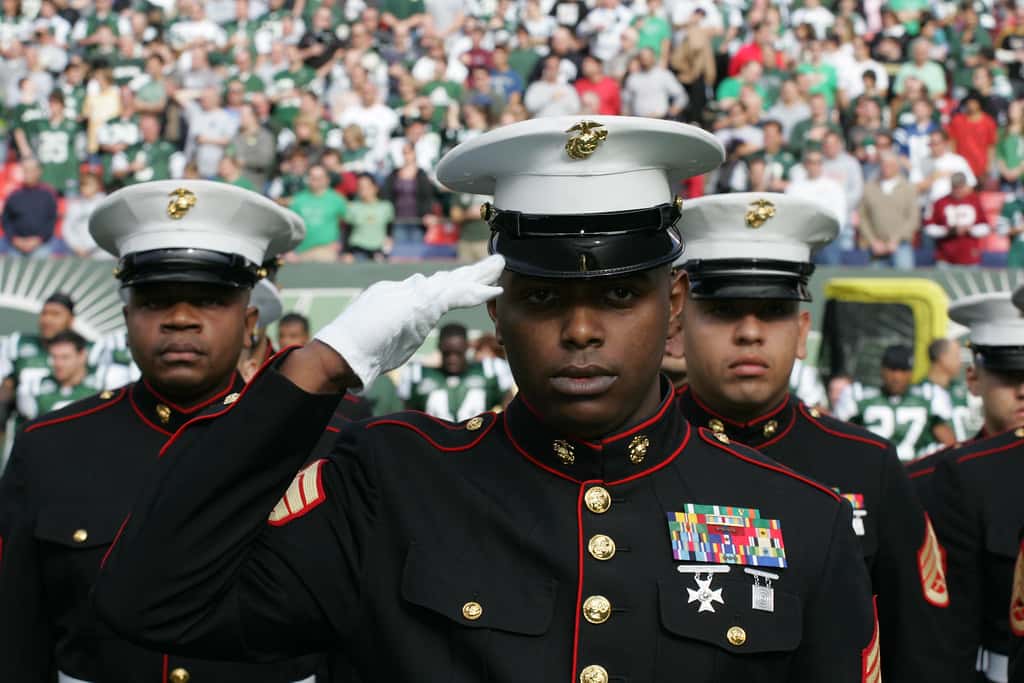
Two of Florida's three NFL teams begin their seasons Sunday afternoon in the early window. The Jacksonville Jaguars host the Cleveland Browns at EverBank Stadium, and the Tampa Bay Buccaneers travel to Cincinnati to face the Bengals. Both games kick off at 1 p.m. Eastern, the Jaguars on CBS and the Buccaneers on FOX. The Miami Dolphins play later in the day in Las Vegas, completing a full Sunday for Florida football.
Jacksonville opens at home
The Jaguars begin at EverBank Stadium, which has been undergoing a major renovation program that will reshape the venue over the coming years. Home openers carry particular weight in Jacksonville, where the franchise's connection to the community has been built around a smaller market's investment in a single professional team.
Cleveland presents a defensive challenge that has been consistent regardless of the Browns' broader circumstances. Games against defenses built around front-four pressure tend to be decided by how an offensive line holds up without help, which makes protection the variable to watch.
The AFC South is the division Jacksonville must navigate, and it has been among the more volatile in the league over the past several seasons. Division winners have changed hands repeatedly, and the gap between first and last has been narrow enough that early results carry outsized influence on how a season is perceived.
Tampa Bay on the road
The Buccaneers open at Paycor Stadium in Cincinnati. Road openers against teams with established offensive identity present a specific problem: the defense is installing its communication in a hostile environment against an opponent that has continuity on its side.
Tampa Bay's preseason concluded with a 19-0 loss to the Jaguars on August 28, a game in which neither side played starters. Preseason finales carry essentially no predictive value for exactly that reason, and the result should not inform expectations for either club.
The NFC South has been winnable in recent seasons with records that would not contend in other divisions. That dynamic keeps Tampa Bay in the race deep into most seasons regardless of how the year starts, and it raises the stakes on the six division games specifically.
The league's unusual opening week
The 2026 season began on a Wednesday, only the second time in NFL history the league has opened on that day. The defending Super Bowl champion Seattle Seahawks hosted the New England Patriots and won 13-10.
Week 1 also includes an international game, with the San Francisco 49ers and Los Angeles Rams playing in Melbourne, Australia on Thursday. The NFL has expanded its international slate steadily, and Australia represents a new market for the league's growth strategy.
Those scheduling choices matter to Florida teams indirectly. International games and non-standard opening days affect bye week placement and travel loads across the schedule, and teams evaluate those factors when the schedule is released in the spring.
Three teams, three markets
Florida is one of a small number of states supporting three NFL franchises, and each occupies a distinct market. Miami is the oldest, founded in 1966 and carrying the legacy of the 1972 undefeated season. Tampa Bay joined in 1976 and has won two Super Bowls. Jacksonville arrived in 1995 as an expansion franchise.
The market sizes differ substantially. South Florida is a top-20 media market, Tampa Bay sits in a similar range, and Jacksonville is considerably smaller. Jacksonville's status as the smallest market with an NFL team has shaped everything from its stadium economics to its international game strategy, which has included regular appearances in London.
Competition for attention is a Florida-specific issue. The state supports two MLB teams, two NBA teams, two NHL teams, three major college football programs in the power conferences, and an MLS club with the most recognizable athlete in world sport. Attention is divided in ways it is not in most NFL markets.
What Week 1 actually tells us
Season openers are the least reliable games on the schedule for drawing conclusions. Teams have not played meaningful football in seven months, starters have limited preseason exposure, and early-season penalty and turnover rates run higher than they do later.
The useful signals are structural rather than statistical. Whether an offensive line holds up, whether a defense communicates cleanly against motion and shifts, and whether a team is organized in situational football are the things that show up in Week 1 and persist.
Historical data on Week 1 results as predictors of playoff outcomes is weak. Teams that start 0-1 make the postseason regularly, and teams that win openers convincingly miss it. The value of the game is in what it reveals about process.
What it means for Florida fans
Sunday delivers a full day of Florida football for the first time since January. The Jaguars and Buccaneers games run simultaneously in the early window, which means viewers in overlapping markets will have to choose or split their attention.
Local broadcast rules determine what airs in each market. Jacksonville-area viewers receive the Jaguars game on CBS, Tampa Bay-area viewers receive the Buccaneers on FOX, and South Florida receives the Dolphins in the late window. Viewers outside their home team's market may need out-of-market packages.
Attendance for home openers typically runs strong across the league, and Jacksonville's opener at EverBank Stadium is the only Florida home game in Week 1. Tampa Bay and Miami both open on the road.
The EverBank Stadium project
Jacksonville's home venue is undergoing a renovation program that will substantially change the building. The project addresses seating configuration, shade and cooling for a stadium that sits in North Florida heat, and premium and club spaces that drive the revenue smaller-market franchises depend on.
Stadium economics matter more in Jacksonville than in larger markets. National television revenue is shared equally across the league, which means local revenue is where franchises differentiate, and local revenue depends heavily on the building. A smaller market with a modern venue can approach the local revenue of a larger market with an older one.
Construction affects operations during the work. Stadium renovation projects of this scale typically require phased construction around the season, with major work concentrated in the offseason and capacity reduced during portions of the schedule.
The city and the franchise share the cost under an agreement negotiated between them, a structure common in American stadium projects and consistently controversial. Jacksonville's arrangement was debated extensively before approval.
Florida's role in the NFL calendar
Florida hosts more NFL activity than its three franchises alone would suggest. The state has hosted numerous Super Bowls across Miami Gardens and Tampa, more than any other state, a function of weather in early February and of stadium capacity.
Hard Rock Stadium in Miami Gardens has hosted the game repeatedly under its various names, and Raymond James Stadium in Tampa has hosted it as well. The league rotates the game among venues that meet its requirements, and warm-weather or domed stadiums have historically had an advantage.
Florida also hosts the Pro Bowl in some years and substantial college football postseason activity, including the Orange Bowl at Hard Rock Stadium, the Citrus Bowl and Pop-Tarts Bowl in Orlando, the Gasparilla Bowl in Tampa, and the Gator Bowl in Jacksonville.
That density reflects the state's infrastructure and its February and December weather. It also reflects a tourism industry organized around drawing visitors for events, with hotel capacity and airport access that most markets cannot match.
What's next
Week 2 brings the first look at how each team adjusts after live film exists on their current configuration. Coaching staffs generally make their most significant in-season adjustments between Weeks 1 and 3, before the schedule's demands limit what can be installed.
Injury reports through the week establish availability, and the NFL's reporting requirements produce a clearer picture by Friday. Early-season injuries have disproportionate impact because depth charts are still settling.
Florida's three teams do not meet each other in Week 1, but intrastate matchups appear later in the schedule and carry local interest beyond their standings implications. Those dates are set at schedule release and are on the published 2026 calendars.
Flexible scheduling begins later in the season, when the league can move games into or out of prime time windows based on their standings relevance. Teams in contention late frequently see kickoff times change on short notice, which affects fans planning travel.
For the three Florida franchises, the season's shape becomes clear over the next month. Divisional positioning, injury luck, and whether new coaching staffs and roster configurations produce coherent football are all questions that September and early October answer more reliably than any preseason projection did.
Fans planning to attend games should note that both Florida stadiums hosting home dates this season operate cashless concessions and mobile ticketing, standard across the league. Clear bag policies apply at every NFL venue, and both EverBank Stadium and Raymond James Stadium publish their specific requirements ahead of each home date. Parking passes at both venues sell separately from game tickets and frequently sell out before game day for higher-demand matchups.
Sunday is the first real evidence any of these teams will generate. Preseason projections, training camp reports, and offseason roster grades all precede the only thing that determines a season, which is how eleven players on each side execute against an opponent trying to stop them. Three Florida franchises find that out within a few hours of each other.
Both Florida games kick off at 1 p.m. Eastern on Sunday, the Jaguars at home in Jacksonville against Cleveland and the Buccaneers on the road in Cincinnati against the Bengals.
The Dolphins follow in the late afternoon window from Las Vegas, completing the first full Sunday of Florida professional football since January.
Spotted an issue with this article?
Have something to say about this story?
Write us a letterComments
No comments yet. Be the first to weigh in.
Related Coverage

UCF Hosts No. 2 BYU in Highest-Ranked Visit in Bounce House History as Knights Seek Homecoming Upset
4h ago
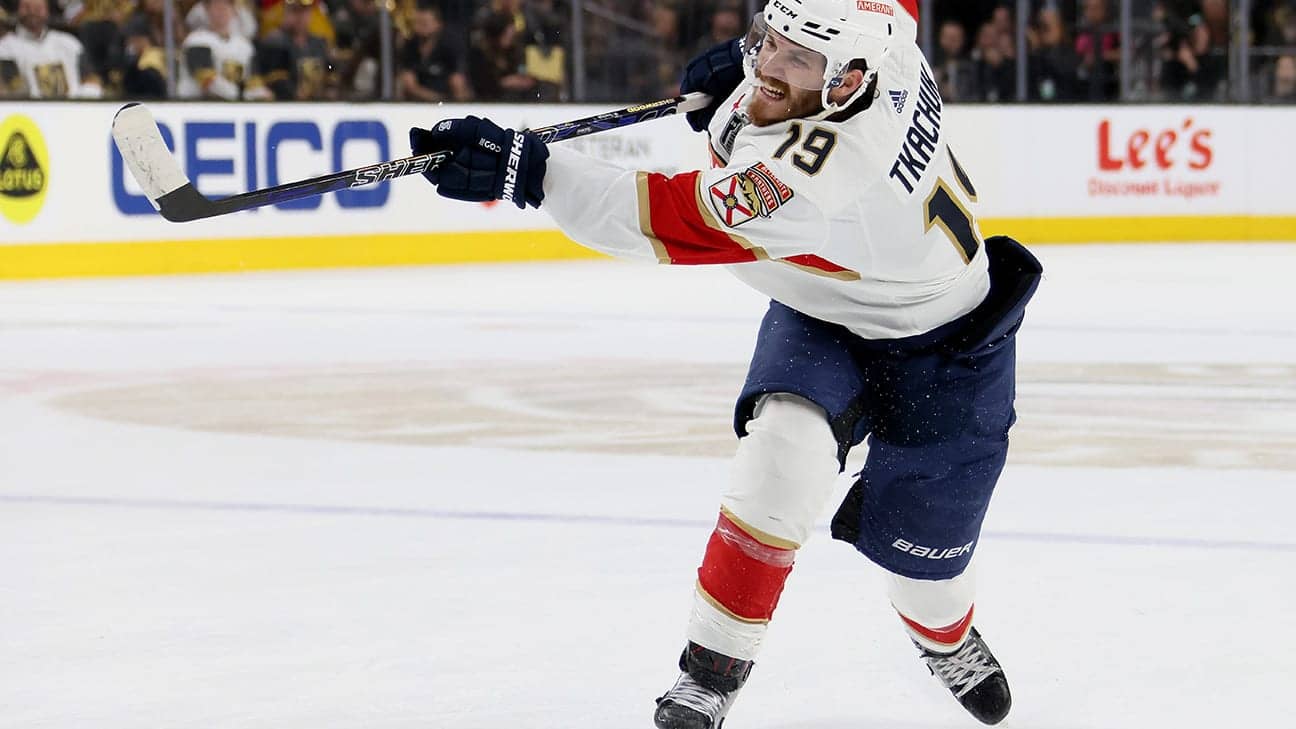
Brady Tkachuk Scores in Hostile Ottawa Return, but Senators Beat Panthers 5-1
9h ago
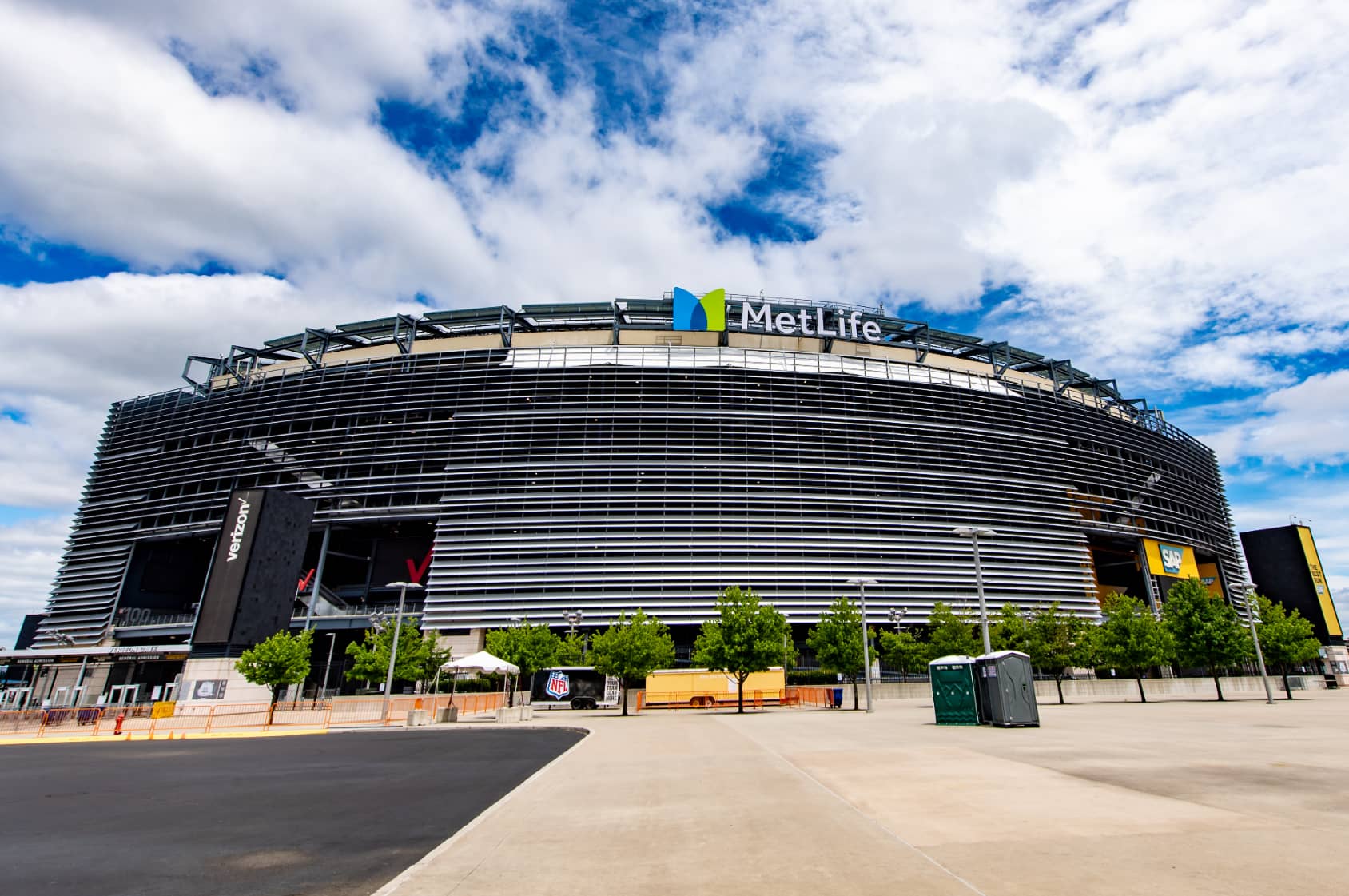
Winless Dolphins Visit Jets in Week 7 as Jeff Hafley Says Malik Willis 'Should Be Good'
1d ago
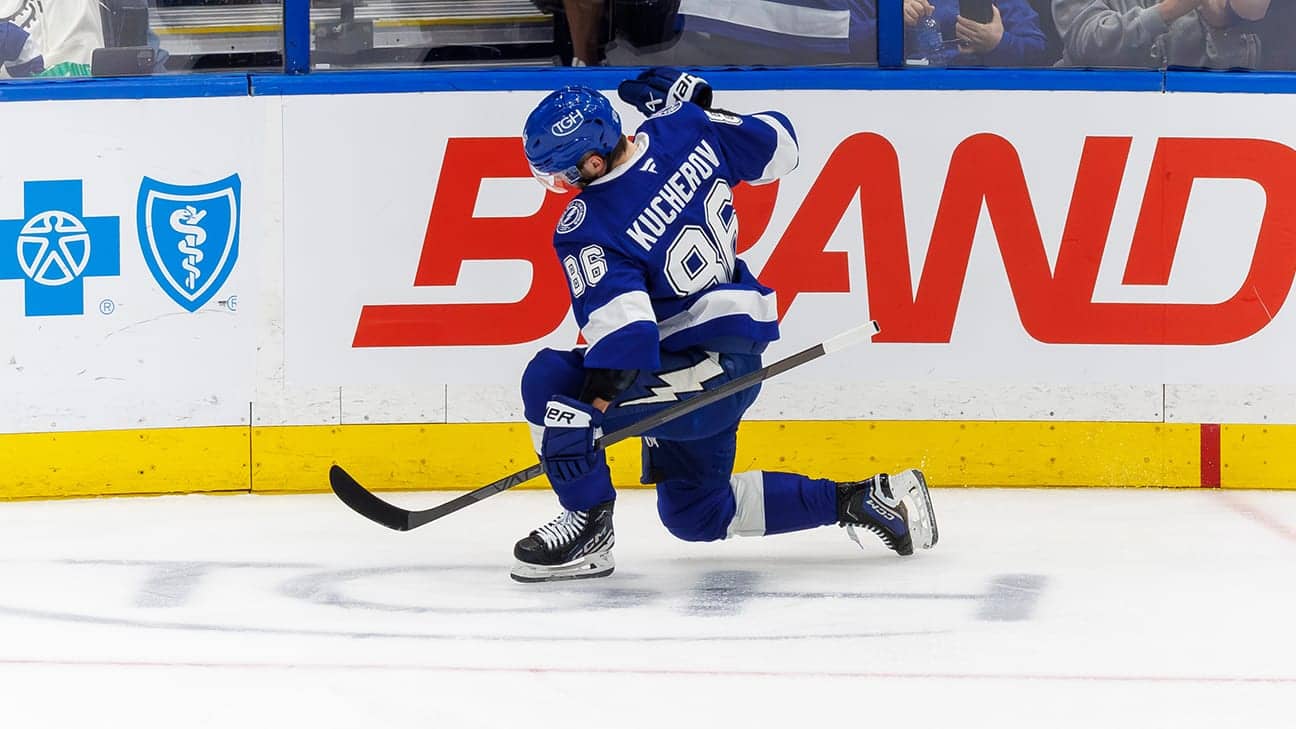
Nikita Kucherov Ties Steven Stamkos' Lightning Points Record as Tampa Bay Routs Golden Knights 6-2
1d ago