Nine Florida HIV Prevention Groups Lose Direct CDC Grants as Federal Money Shifts to State Health Department
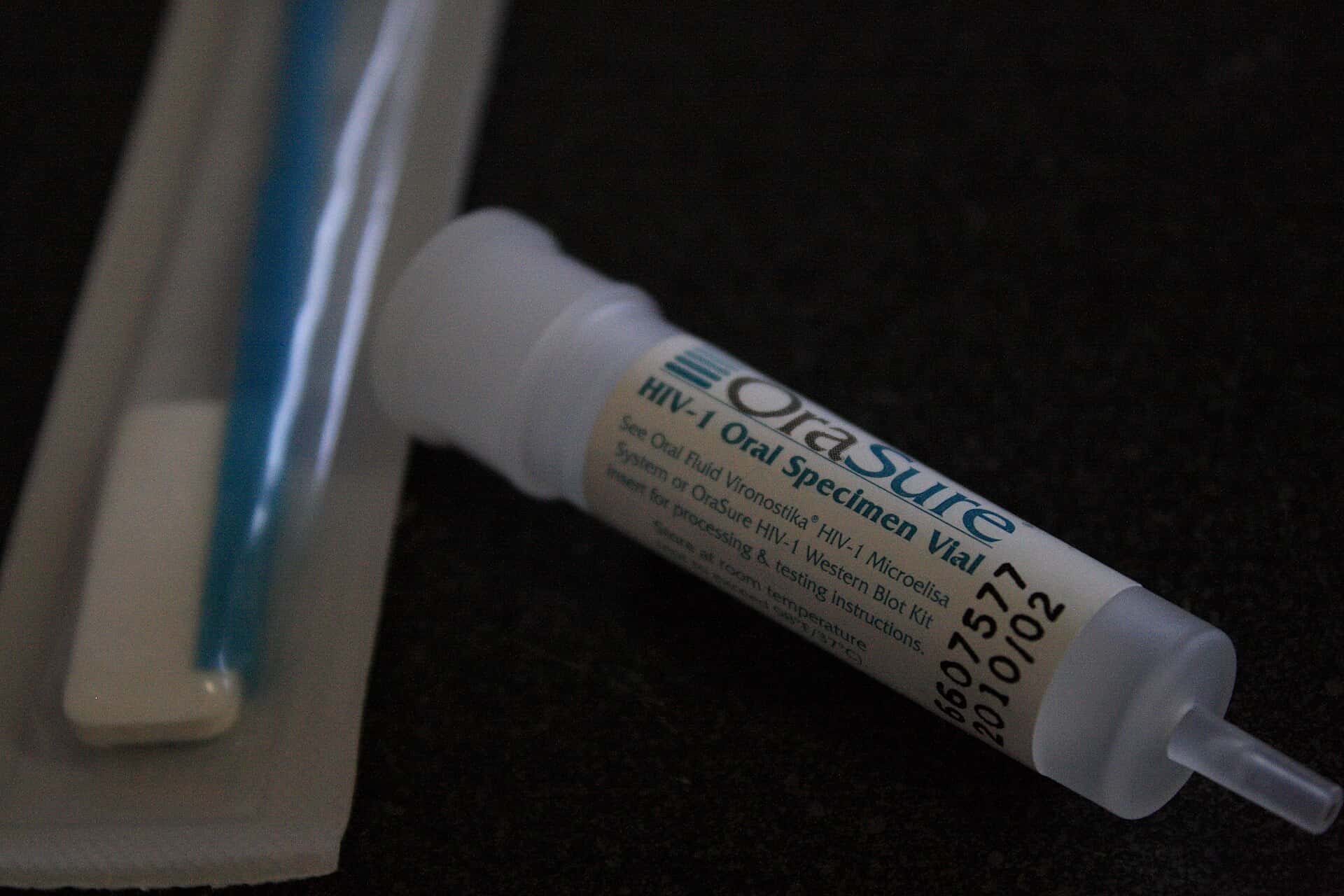
Nine Florida community organizations that test residents for HIV and connect them to prevention drugs lost their direct federal funding on Sept. 30, after the Trump administration declined to renew a Centers for Disease Control and Prevention grant program and moved the money to state health departments instead. The change matters more in Florida than almost anywhere else: the state has one of the highest rates of new HIV diagnoses in the country, and its community clinics drew more from the expiring grants than those of any state except Texas.
Nationally, the decision ended about $46 million in direct grants to nearly 100 community-based organizations in 31 states, according to reporting by Stateline and Roll Call. In their place, the CDC is sending one-time grants to state and local health departments that run through May 2027. Those agencies are encouraged, but not required, to pass a share of the money along to the community groups that used to receive it directly.
What changed on Sept. 30
The grants, known by the funding number PS21-2102, paid community groups to run HIV testing, link people who test positive to care, and refer people at risk to pre-exposure prophylaxis, or PrEP, and post-exposure prophylaxis. In July, the White House Office of Management and Budget told the CDC it would not renew them, according to Roll Call and a July 30 letter from members of Congress. The direct awards ended Sept. 30.
Under the replacement arrangement, jurisdictions with the most HIV diagnoses are encouraged to send at least 25% of their new money to community groups, while areas with fewer diagnoses are encouraged to pass along 10%, Stateline reported. Whatever health departments keep must go to HIV surveillance and PrEP access. The National Alliance of State and Territorial AIDS Directors expects the federal government to distribute roughly $90 million to health departments through May 2027.
That total is larger than the old program on paper, but advocates say community groups will still come out behind. KFF estimated that community organizations would need about 35% of the new money to stay whole, and the state AIDS directors' group put the figure closer to 50%, both well above the 25% suggestion. In at least one state, the plan already falls short: Texas intends to send about 23% of its $5.24 million grant to community organizations, according to Stateline.
Florida's exposure
Florida clinics received about $26 million under the expiring program, second only to Texas, according to KFF figures cited by Central Florida Public Media in August. The state ranks third in the nation in its rate of new HIV diagnoses, behind the District of Columbia and Georgia, according to WUSF. CDC figures for 2023 put Florida's rate at 22.7 diagnoses per 100,000 people age 13 and older, behind D.C. at 32.6 and Georgia at 25.5. The Florida Department of Health counted 4,463 new HIV diagnoses statewide in 2024, a rate of 19.4 per 100,000 residents.
The organizations that lost CDC grant money in Florida, according to WUSF, are:
- Empath Partners in Care (Epic), serving St. Petersburg and Tampa
- METRO Inclusive Health, St. Petersburg
- Latinos Salud, Wilton Manors
- Borinquen Health Care Center, Miami
- Care Resource Community Health Centers, Miami
- Health Council of Southeast Florida, Palm Beach Gardens
- Orange Blossom Family Health, Orlando
- Hope and Help Center of Central Florida, Winter Park
- BASIC NWFL, Panama City
The list covers every major metro area in the state, from Miami-Dade and Broward to Tampa Bay, Orlando and the Panhandle. Orange County, home to two of the affected clinics, is one of the CDC's 48 priority jurisdictions for HIV because of its high rate of new diagnoses. It recorded 423 new diagnoses in 2024, down from a six-year high of 453 in 2023, according to Central Florida Public Media. Neither Orlando-area clinic responded to that outlet's requests for comment in August.
Tampa Bay group faces a $445,000 hole
Empath Partners in Care stands to lose $445,000, its president, Joy Winheim, told WUSF. The money paid for outreach in the Black community, with a focus on heterosexual residents, and for reduced-price access to PrEP. In the program's most recent year, Epic ran 600 tests and found 10 people who had HIV but did not know it.
Winheim told WUSF she does not plan to lay off staff for now and hopes some of the state's share will reach Epic. She warned that removing that testing could have a major effect on HIV rates in Florida, and said there will be a funding gap of unknown length, while stressing that the testing still needs to happen.
Carl Schmid, executive director of the HIV+Hepatitis Policy Institute, told WUSF the decision came as a shock and argued that the money should go to the organizations closest to the communities most affected by HIV. In August he predicted that states would likely run competitive grant processes to distribute their share, which could leave gaps in services while applications are reviewed.
What the state is getting
Florida's health department is expected to receive more than $11 million in the supplemental CDC funding, the most of any state or city health department, according to Central Florida Public Media. That money lasts until May 2027.
How much of it will reach community clinics is the open question. The Florida Department of Health's HIV prevention program has historically funded both community-based organizations and county health departments to run prevention work, according to the department's website. But no public plan from the department detailing what share of the new federal money it will pass to community groups, or which groups, had been reported as of Thursday. The U.S. Department of Health and Human Services did not respond to WUSF's request for comment on the shift.
Florida's congressional delegation weighs in
Rep. Lois Frankel, a Democrat from Palm Beach County, was one of four lawmakers who led a July 30 letter from 113 House members to OMB Director Russell Vought urging the administration to handle the money as Congress intended. Florida Democratic Reps. Kathy Castor of Tampa, Maxwell Frost of Orlando, Jared Moskowitz, Debbie Wasserman Schultz and Frederica Wilson also signed, according to a release from Rep. Mark Pocan of Wisconsin, another of the letter's leaders.
The lawmakers also flagged a less visible consequence: organizations that lose direct CDC funding may lose eligibility for the federal 340B drug pricing program tied to those grants, which could raise what they pay for HIV prevention medications.
A broader squeeze on HIV services in Florida
The grant change lands on top of other pressure on HIV programs in Florida this year. In the spring, the state health department tightened eligibility for its AIDS Drug Assistance Program to people earning up to 130% of the federal poverty level, down from 400%, before Gov. Ron DeSantis signed a bill pausing the change until June 30, WUSF reported in April. The president's fiscal 2027 budget proposal calls for $1.5 billion in cuts to HIV testing and prevention, according to the HIV+Hepatitis Policy Institute; Congress rejected a cut of the same size a year earlier.
A study published on behalf of the Infectious Diseases Society of America projected that ending CDC-funded testing would lead to about 13,000 additional HIV cases by 2030 across 18 states, including roughly 1,300 in Florida. The shift also sits awkwardly with the federal Ending the HIV Epidemic initiative, which President Donald Trump launched in his first term in 2019 with a goal of cutting new infections by 90% by 2030.
What's next
The immediate test is how quickly the Florida Department of Health moves its new federal money and whether community clinics get a meaningful share of it. Groups like Epic are operating on reserves and hope in the meantime. With the supplemental grants scheduled to end in May 2027, clinics also face uncertainty about what comes after, as Congress works through the fiscal 2027 budget and the administration's proposed HIV prevention cuts.
Residents who relied on the affected clinics for free or low-cost testing and PrEP can still contact their county health department, which offers HIV testing statewide, or call the clinics directly to ask which services continue.
Spotted an issue with this article?
Have something to say about this story?
Write us a letterComments
No comments yet. Be the first to weigh in.
Related Coverage

Customs Rule That Could Cut Off Mailed Prescriptions From Canada for Florida Seniors Delayed to Jan. 20
3h ago

Cuba Says Florida-Based Speedboat Raiders Confessed and Face Terrorism Charges That Carry Death Penalty
4h ago

USDA's $8 Billion Harvest Fuel Relief: What Florida Growers and Fishermen Can Expect
21h ago

SpaceX Posts $4.4 Billion Profit on $14.6 Billion Revenue as Starship Readies for Florida Pads
22h ago