Carnival posts record third quarter as Miami cruise giant books 2027 at record levels
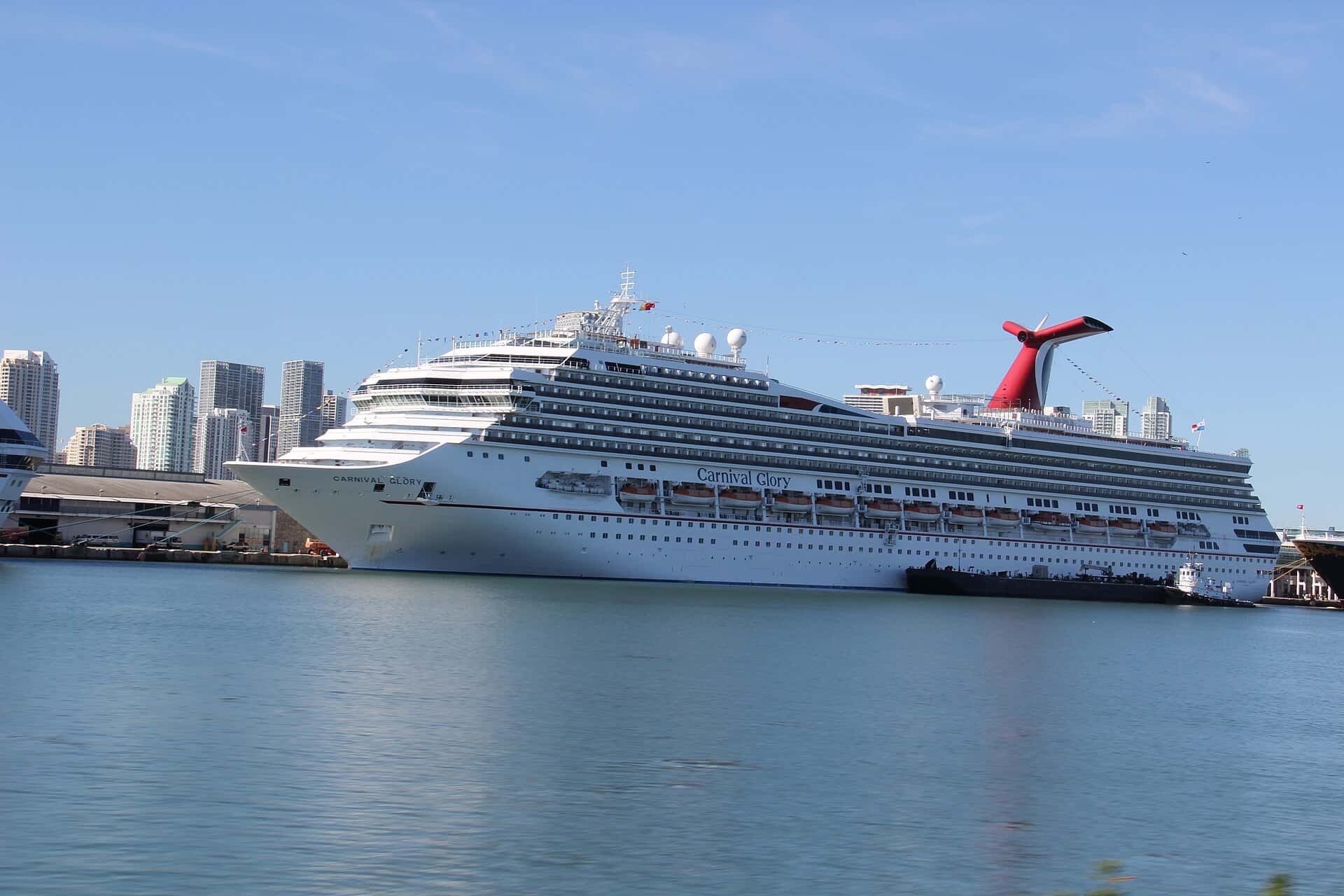
Carnival Corporation, the world's largest cruise company and one of South Florida's best-known employers, reported record third-quarter revenue of $8.435 billion and net income of $1.923 billion this week, and said bookings for 2027 are already at record levels for both occupancy and pricing. The results, for the quarter that ended Aug. 31, point to continued strength in an industry that runs through Florida's seaports and supports thousands of jobs from PortMiami to Port Canaveral.
The Doral-based company, which operates Carnival Cruise Line, Princess Cruises, Holland America Line and several other brands, said its performance beat its own June guidance on several key measures even as higher fuel prices and currency swings weighed on earnings. For Florida, where cruising is a major economic engine, a strong booking curve for 2027 suggests busy terminals, steady demand for port workers and suppliers, and continued investment in homeport operations.
The quarter by the numbers
Carnival's third quarter, which covers the peak summer sailing season, produced the highest quarterly revenue in company history. Diluted earnings per share came in at $1.40, while adjusted earnings per share were $1.43. The company said adjusted EPS was in line with the prior year despite a net unfavorable impact of about $0.10 per share, or $131 million, from fuel prices and currency exchange rates.
| Measure | Q3 2026 result | Context |
|---|---|---|
| Revenue | $8.435 billion | Quarterly record |
| Net income | $1.923 billion | Record, per the company |
| Diluted EPS | $1.40 | U.S. GAAP basis |
| Adjusted EPS | $1.43 | In line with prior year despite $0.10 fuel and currency hit |
| Adjusted EBITDA | $3.0 billion | $110 million better than June guidance |
| Net yields (constant currency) | Up 2.4% | More than a point better than guidance |
| Customer deposits | $7.6 billion | Q3 record, $0.5 billion above prior-year record |
| Adjusted cruise costs ex-fuel per ALBD | Up 1.8% | A point better than guidance |
| Fuel consumption per ALBD | Improved 3.8% | Efficiency gain |
Adjusted EBITDA, a common measure of operating cash earnings, totaled $3.0 billion, which the company said was $110 million better than the guidance it gave in June. Net yields, the industry's key measure of revenue per available berth day, rose 2.4% in constant currency, more than a percentage point ahead of guidance. Adjusted cruise costs excluding fuel per available lower berth day, or ALBD, rose 1.8%, about a point better than the company had projected.
Reading the cruise industry's numbers
Cruise companies use a handful of specialized measures that can be confusing to people outside the industry. An available lower berth day, or ALBD, represents one passenger bed available for one day, counting two lower berths per cabin. It is the industry's standard unit of capacity, and dividing costs or revenue by ALBDs lets analysts compare performance across quarters even as ships enter or leave the fleet.
Net yields measure revenue per ALBD after subtracting certain direct costs, such as travel agent commissions and air transportation sold with cruises. Reporting them in constant currency strips out the effect of exchange rates, which matters for a company like Carnival that sells many cruises in British pounds, euros and Australian dollars through brands such as P&O Cruises, Cunard, Costa and AIDA. A 2.4% rise in net yields means the company is collecting meaningfully more money for each unit of capacity than a year ago.
Adjusted figures exclude items the company considers unusual or not reflective of ongoing operations. Analysts tend to focus on adjusted EPS and adjusted EBITDA when comparing results with expectations, while net income and diluted EPS reflect results under standard accounting rules.
Record bookings for 2027
The headline for investors and for Florida's port communities was the strength of future bookings. Carnival said that for full-year 2027, its booked occupancy and pricing are both at record levels. Customer deposits, money that passengers pay in advance for future cruises, reached a third-quarter record of $7.6 billion, about $0.5 billion above the prior-year record.
Customer deposits matter because they show how much demand is already locked in. High deposits give the company cash on hand, reduce the need for last-minute discounting and signal that travelers remain willing to commit to vacations well in advance. According to reports on the company's earnings call, booking volumes during the quarter ran well ahead of the prior year even though the company is adding relatively little new capacity.
Limited capacity growth is an important part of the story. When fewer new ships are entering the fleet, strong demand tends to push up prices on existing ships, which supports yields. Carnival has said in recent years that it plans to grow its fleet more slowly than in the past, a strategy aimed at improving profitability and paying down debt accumulated during the pandemic shutdown.
Fuel, efficiency and the cost picture
Fuel is one of the cruise industry's largest expenses, and a spike in fuel prices this year cut into earnings. The company said the combined net impact of fuel prices and currency exchange rates reduced adjusted EPS by about $0.10 in the quarter. Even so, Carnival held adjusted EPS flat with the prior year, a result it attributed to stronger pricing, onboard spending and cost control.
Efficiency improvements helped. Fuel consumption per ALBD improved 3.8%, reflecting a combination of newer, more efficient ships, itinerary planning and onboard energy-saving measures. Those gains also support the company's environmental targets, an area where the cruise industry faces scrutiny from regulators and port communities, including in Florida.
According to reports on the earnings call, the company also said its full-year outlook improved by more than $150 million in adjusted net income compared with June guidance, despite the higher fuel costs.
Spending to rise in 2027
Chief Financial Officer David Bernstein said capital spending will rise in 2027, driven largely by maintenance. The company expects five major drydocks next year, compared with two in 2026. Drydocks are scheduled periods when ships are taken out of service for inspections, repairs, technology upgrades and refurbishment of cabins and public spaces.
More drydocks typically mean more ship days out of service and higher maintenance costs, which investors will factor into 2027 expectations. They also reflect the reality of maintaining a large, aging fleet alongside newer vessels. For passengers, refurbished ships often return with new venues and updated features, which cruise lines use to support pricing.
Why it matters for Florida
Florida is the center of the North American cruise industry, and Carnival is one of its largest players. The company's headquarters sits at Carnival Place in Doral, in Miami-Dade County, and reports say it plans to consolidate North American operations at a new Miami campus in 2028. Its brands sail from all of Florida's major cruise ports, including PortMiami, Port Everglades in Broward County, Port Canaveral in Brevard County and Port Tampa Bay.
Each sailing supports a chain of local economic activity: longshore workers who load provisions and luggage, terminal staff, ground transportation, hotels where passengers stay before and after cruises, restaurants, and the food and beverage suppliers that stock ships. Port fees and passenger spending also flow to county-owned seaports, which reinvest in terminals and infrastructure.
Carnival Cruise Line has also added sailings for 2026 and 2027 from Miami and Port Canaveral, a sign that the company sees continued demand for short and mid-length cruises from Florida to the Bahamas and the Caribbean. Those Florida-based itineraries have become even more central to the company's strategy since the opening of Celebration Key, Carnival's private destination on Grand Bahama, which is designed to be reached easily from Florida homeports.
According to the cruise line's previously announced schedules, Carnival Conquest is homeported year-round at PortMiami with three-, four- and five-day options, including weekend trips to Celebration Key, while Carnival Glory and Carnival Freedom offer similar short cruises from Port Canaveral. Short getaways like these are especially important to Florida ports because they turn over quickly, bringing new passengers through the terminals several times a week.
Carnival's ties to South Florida date to its founding in the early 1970s, when Ted Arison launched Carnival Cruise Line in Miami with a single ship. The company grew into a global group of brands while keeping its corporate base in Miami-Dade County, and its success helped turn PortMiami into what promoters call the cruise capital of the world.
That history is visible in the company's current deployment. Carnival Cruise Line's schedules also include Carnival Horizon sailing from Miami between summer 2026 and spring 2027 on longer Caribbean voyages, according to the line's announcements, complementing the short Bahamas runs that dominate weekend traffic at Florida ports.
Strength across the industry
Carnival's results come as the cruise industry continues a strong run that began after operations resumed following the pandemic shutdown. Cruise lines have reported record demand in recent years, helped by travelers who see cruises as a better value than comparable land-based vacations and by a growing number of first-time cruisers.
Florida's competing cruise companies, including Miami-based Royal Caribbean Group and Norwegian Cruise Line Holdings, have also leaned heavily on Florida homeports and private island destinations in the Bahamas. That competition has fueled new terminal construction in South Florida and Central Florida, as ports race to accommodate larger ships and more passengers.
The industry still faces risks. Fuel prices remain volatile, hurricanes can disrupt itineraries during the Atlantic season that runs through Nov. 30, and an economic slowdown could pressure consumer spending on travel. Cruise lines have also faced attention over environmental impacts, crowding in popular ports and labor issues. For now, though, Carnival's results suggest that demand remains firm heading into 2027.
What's next
Carnival typically reports its fourth-quarter and full-year results in December, when the company is expected to offer more detailed guidance for 2027, including expected yields, costs and the impact of the heavier drydock schedule. Investors will be watching whether record booking levels translate into higher pricing as next year approaches, and how fuel costs evolve.
In Florida, the more immediate indicator will be the winter cruise season, when sailings from PortMiami, Port Everglades, Port Canaveral and Port Tampa Bay are at their busiest. Strong advance bookings point to crowded terminals and steady work for the thousands of Floridians whose jobs depend on the cruise business. Travelers planning 2027 cruises, meanwhile, may find that record demand means fewer bargains and higher fares for popular sailings from Florida ports.
Spotted an issue with this article?
Have something to say about this story?
Write a letter to the editorComments
No comments yet. Be the first to weigh in.
Related Coverage

Federal judge strikes down ICE immigration courthouse arrest policy: what it means for Florida
27m ago

U.S. Adds Just 29,000 Jobs in September as Unemployment Rises to 4.2%, a Warning Sign for Florida's Job Market
14h ago

SNAP Benefits Rise Slightly for Florida Families as State Takes On 75% of Program's Administrative Costs Under New Federal Law
14h ago
Navy Moving Mayport Destroyer USS John Basilone to Spain, Shrinking Jacksonville's Fleet
17h ago