Amendment 3: Osceola, Orange counties warn of cuts to mosquito control, EMS
Two of Central Florida's largest local governments are warning residents that Amendment 3, the property tax measure on the Nov. 3 ballot, could force cuts to services ranging from mosquito spraying to emergency medical response. Osceola County projects it would lose about $94.5 million by 2029 if the amendment passes, while Orange County estimates a loss of roughly $165 million in county property tax revenue in 2027, growing to about $275 million in 2028. Supporters, led by Gov. Ron DeSantis, counter that the measure would deliver long-overdue relief to homeowners squeezed by rising tax bills.
The dueling messages capture the central tension of the most consequential tax question Florida voters have faced in years. The amendment needs 60% approval to become part of the state constitution, and local officials across the state have spent the budget season laying out what they say would happen if it passes.
What Amendment 3 would do
Lawmakers placed Amendment 3 on the ballot through House Joint Resolution 1-F, approved during a special legislative session in June. The measure makes several changes to how Florida taxes property, with the biggest effects falling on county, city and special district budgets.
For homestead properties, the amendment would raise the exemption that applies to non-school property taxes from the current $25,000 to $150,000 in 2027 and to $250,000 in 2028. Starting in 2029, that exemption would be adjusted for inflation. Because the larger exemption applies to non-school levies, school district property taxes would continue to be calculated under existing rules.
For non-homestead property, including rental homes, second homes and commercial property, the amendment would lower the annual cap on assessment increases from 10% to 5% beginning in 2027. That change would slow the growth of taxable values on properties that do not qualify for homestead protection.
Local governments rely heavily on property taxes to fund day-to-day operations, so a larger exemption shrinks the tax base that millage rates are applied to. Unless commissions raise rates or find other revenue, a smaller tax base translates directly into less money for services.
How the math works for homeowners
Property taxes in Florida are calculated by applying a millage rate to a property's taxable value. One mill equals $1 of tax for every $1,000 of taxable value. A homeowner's bill typically combines levies from the county, a city if the home is inside city limits, the school district and various special districts, such as those for mosquito control, fire rescue, libraries or water management.
Because the larger exemption would apply to non-school levies, the size of a homeowner's savings depends on the combined non-school millage where the home sits. As a simple illustration, a home facing a combined non-school rate of 10 mills would see roughly $1,000 less in annual tax for every additional $100,000 of exempted value. Homeowners with higher assessed values and those in areas with higher local millage would generally see larger savings, while owners of lower-valued homes would see the exemption cover a larger share of their non-school taxable value.
Critics of the amendment note that the exemption benefits only homestead owners, and that renters, owners of second homes and businesses would not receive the same break. Some local officials have argued that if governments raise millage rates to make up lost revenue, a greater share of the tax burden could shift onto those non-homestead properties, though the 5% assessment cap would limit how quickly their taxable values could rise.
Osceola County's projected losses
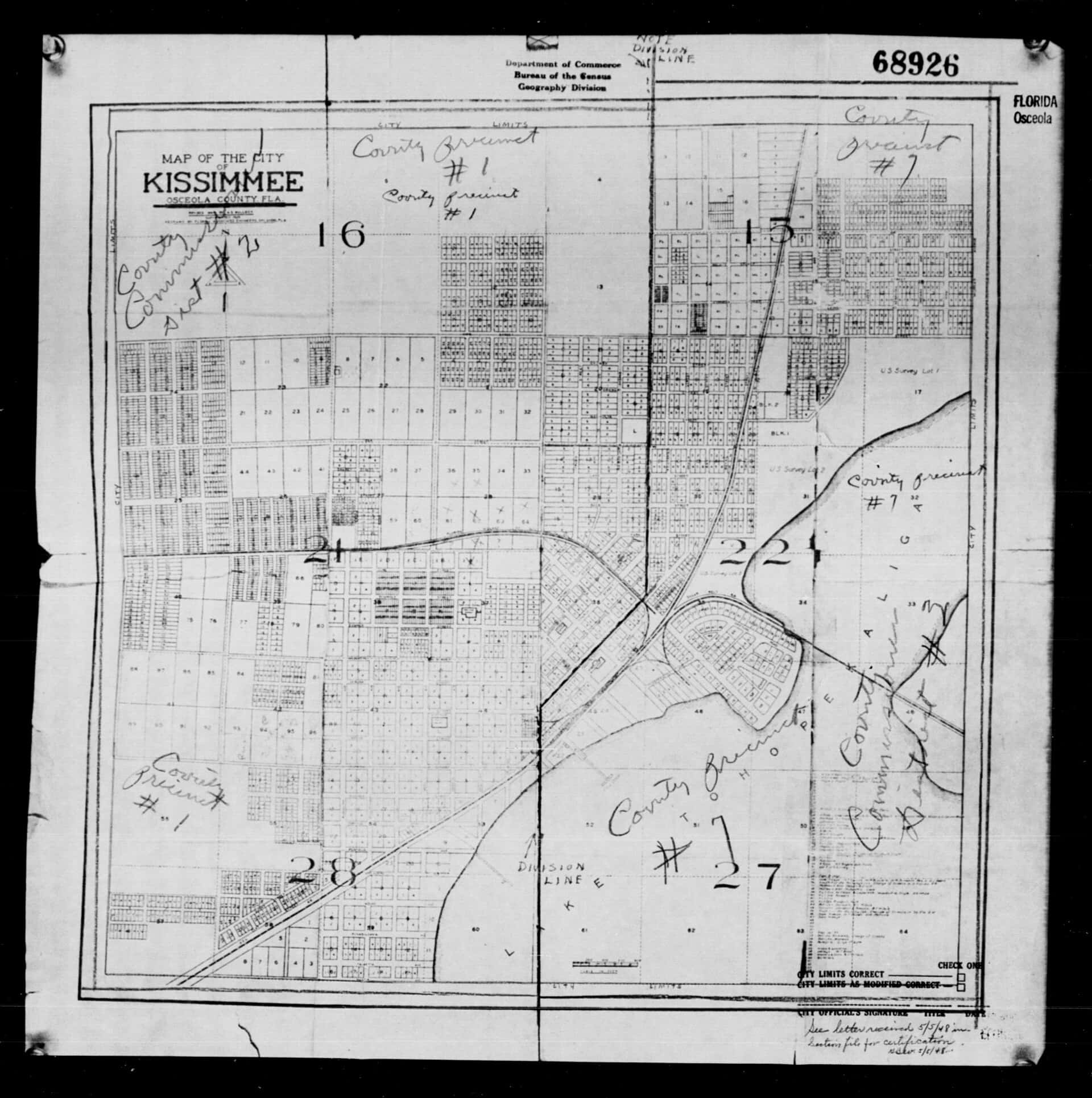
Osceola County, which includes Kissimmee and St. Cloud and is one of the fastest-growing counties in the state, has projected that Amendment 3 would reduce its revenue by about $94.5 million by 2029. The county has broken that figure down by fund, with the largest share hitting the general fund that pays for most core county services.
| Osceola County fund or program | Projected loss by 2029 |
|---|---|
| General fund | About $79.3 million |
| Emergency medical services (EMS) | About $8.6 million |
| Libraries | About $3.5 million |
| SAVE Osceola conservation program | Just under $3 million |
| Total | About $94.5 million |
County officials have outlined several possible responses if the amendment passes, including the potential closure of a fire station, reduced mosquito spraying and an end to county funding for the school resource officer program, which places law enforcement officers on school campuses. Those options were described as possibilities as the county plans for lower revenue, not final decisions.
Osceola has already begun bracing. WFTV reported that the county put about $12 million in improvement projects on hold ahead of the vote, including work that would create new parking facilities, improve fire stations and build roads. The county also adopted its fiscal 2027 budget in September while keeping its general fund tax rate unchanged, according to local reporting.
Orange County warns of transit and mosquito control cuts
In neighboring Orange County, home to Orlando and the region's tourism corridor, budget officials estimate the amendment would reduce county property tax revenue by about $165 million in 2027 and about $275 million in 2028. Orange County Budget Director Kurt Petersen presented those figures during summer budget workshops, according to Central Florida Public Media.
County officials have warned that transit and mosquito control are among the services that could be affected. Orange County dedicates a share of its property tax revenue to public transportation, and reductions in that revenue would flow through to the LYNX bus system and other transit programs. Mosquito control, which relies on local funding for spraying, surveillance and larval control, was also flagged as vulnerable.
Orange County commissioners approved a budget of more than $9 billion in late September, and local reporting noted that county leaders again cautioned that public safety spending could face pressure if Amendment 3 is approved.
Mosquito control and public health concerns
Opponents of the amendment have focused heavily on mosquito control. According to opposition groups, Mosquito Control Special Taxing Districts across Florida would lose about $65 million over the next two years if Amendment 3 passes. Those districts, along with county mosquito programs, conduct the aerial and truck spraying, inspections and larvicide treatments that keep mosquito populations in check.
The concern is sharpened by Florida's recent experience with dengue fever, a mosquito-borne virus that has been reported in locally acquired cases in South Florida and elsewhere in the state. Opponents have argued that cutting mosquito abatement while dengue remains a public health concern would be a mistake, and a University of South Florida epidemiologist told reporters that Florida could become more vulnerable to mosquito-borne illnesses if control efforts lose funding.
Mosquito control is a uniquely local function in Florida. Many districts are independent special taxing districts governed by elected boards, and their budgets are funded largely through property taxes. Because the amendment changes the tax base for all non-school levies, those districts would see reduced revenue alongside counties and cities.
The statewide picture
The Florida Policy Institute, a nonprofit policy research group that opposes the amendment, has released an online calculator estimating that local governments statewide would collect about $46 billion less in property tax revenue over five years if the measure passes. The calculator lets residents see projected losses for their own county and city.
Local officials have also raised concerns that the state did not conduct a detailed study of the fiscal effect on local communities before lawmakers approved the ballot measure during the special session, according to reporting by Central Florida Public Media.
Local governments that lose property tax revenue have a limited set of options. They can raise millage rates, within the 10-mill cap the Florida Constitution places on county and city operating levies; cut spending; delay capital projects; draw down reserves; or turn to fees and other revenue sources where state law allows. Many counties and cities have said they would likely use a combination of those approaches, and several have already begun freezing hiring or postponing projects in anticipation of the vote.
The case for Amendment 3
Supporters argue that the amendment would put money back in the pockets of Florida homeowners at a time when housing costs, insurance premiums and property tax bills have climbed sharply. DeSantis, who has said he will campaign for the measure, has described taxpayers as the foundation of their communities and has argued that homesteaders deserve meaningful relief.
The governor has also rejected the argument that the amendment would inevitably lead to cuts in essential services. He has said local governments benefited from years of rapidly rising property tax collections during Florida's real estate boom and should rein in spending before asking homeowners to pay more. In that view, warnings about fire stations and mosquito spraying reflect budget choices, not unavoidable consequences.
Backers also say the relief would be especially meaningful for seniors and residents on fixed incomes, and that lowering the assessment cap on non-homestead property could help businesses and landlords, potentially easing pressure on rents. Some supporters have argued that the tax relief could help longtime Floridians afford to stay in their homes.
Polling has suggested the measure faces a challenge in reaching the 60% threshold. A recent poll reported by CBS12 showed support below 60%, and the station reported that DeSantis had raised doubts about whether it would pass.
What's next
Florida voters will decide Amendment 3 on Nov. 3, and early and mail voting will begin in the weeks before Election Day. If at least 60% of voters approve, the first homestead exemption increase would take effect in 2027, and local governments would build their next budgets around the smaller tax base.
In Osceola and Orange counties, officials have said they will continue contingency planning through the fall. Residents can review their county's projections on local government websites, and the Florida Policy Institute's calculator offers an estimate for individual communities. Voters weighing the measure will be balancing potential savings on their own tax bills against the services their local governments say could be cut.
Spotted an issue with this article?
Have something to say about this story?
Write a letter to the editorComments
No comments yet. Be the first to weigh in.
Related Coverage
Orange County's $9 Billion Budget Takes Effect With $1.1 Billion for Public Safety and a Bigger Sheriff's Budget
16h ago

Miami-Dade Commission Sets Oct. 6 Hearing on Plan to Eliminate 12 Metrobus Routes
18h ago

Jacksonville's $2 Billion Budget Takes Effect With Record Public Safety Spending and Restored Housing Fund
20h ago
Florida's Voter Registration Deadline Is Monday as Democrats Edge GOP in September Sign-Ups
22h ago