Class Action Targets Florida's SNAP Ban on Soda and Candy, One of 18 State Waivers Challenged in Federal Court
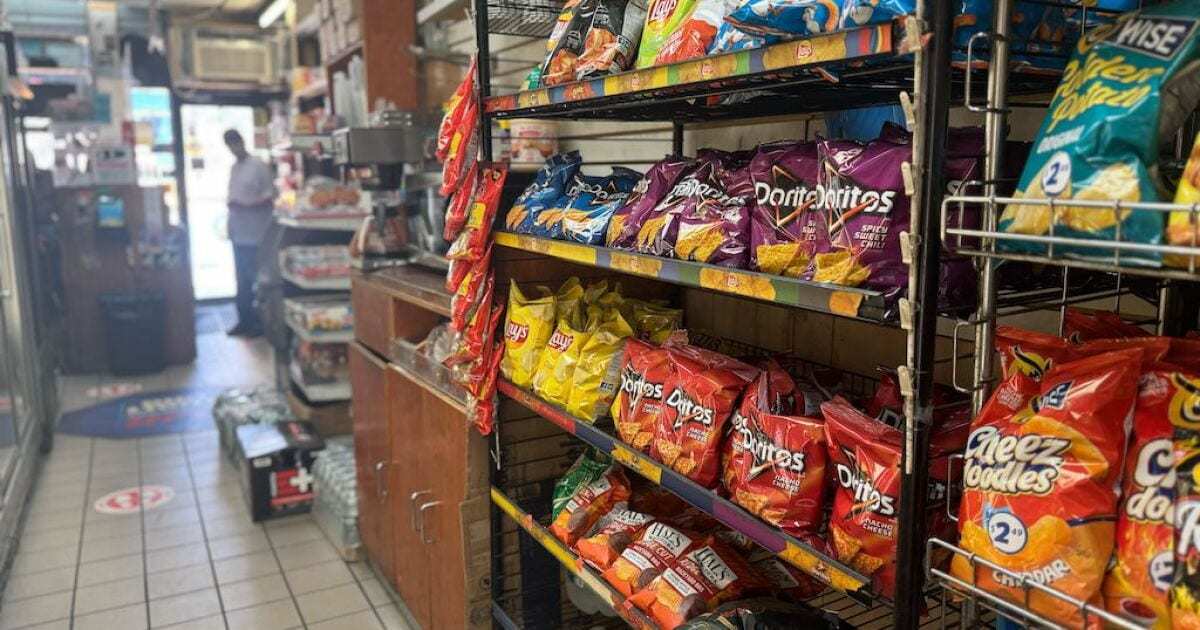
Florida's ban on using SNAP benefits to buy soda, energy drinks, candy and prepared desserts is now the target of a federal class action. The National Center for Law and Economic Justice filed the suit on Wednesday, Nov. 18, in federal court in Washington, D.C. It asks a judge to strike down the U.S. Department of Agriculture waivers that let Florida and 17 other states restrict what food stamp recipients can buy. The lawsuit argues that the USDA never had the legal authority to make such sweeping changes to the Supplemental Nutrition Assistance Program through waivers.
The case matters for more than 2 million Floridians who rely on SNAP. Florida's restrictions are among the broadest in the country, and they have been in effect statewide since April 20. The same judge who will hear the case already struck down similar waivers in five other states in June.
What the lawsuit says
According to reporting by Stateline, carried by WLRN, the suit seeks to overturn food restrictions in Arkansas, Florida, Hawaii, Idaho, Indiana, Kansas, Louisiana, Missouri, Montana, Nevada, North Dakota, Ohio, Oklahoma, South Carolina, Texas, Utah, Virginia and Wyoming. Its central claim is that the USDA lacks the power to use waivers to restructure SNAP by cutting categories of food out of the program. Reports on the complaint say it also argues the department failed to seek public comment, as required by law, before granting the waivers.
The plaintiffs are SNAP recipients who say the restrictions have harmed their health. One Idaho plaintiff with autoimmune conditions relies on electrolyte drinks and granola bars that her state now restricts, and the complaint says her condition worsened after the waiver took effect. An Oklahoma plaintiff lives in an extended-stay hotel without a kitchen and drinks soda for gastrointestinal relief. Another, in Missouri, is diabetic and needs quick sources of sugar, such as candy bars, to manage low blood sugar, according to the filing. Published coverage has not identified a Florida plaintiff, but as a class action the case seeks relief across every state covered by a waiver.
"These unlawful waivers serve as a backdoor method to restrict access to SNAP," NCLEJ attorney Katharine Deabler-Meadows said, according to Stateline. The USDA said it does not comment on pending litigation.
The June ruling that set the stage
The new case follows an earlier challenge. In March, five SNAP recipients sued the USDA over the waiver program. On June 22, U.S. District Judge Amy Berman Jackson ruled in their favor and blocked waivers in Colorado, Iowa, Nebraska, Tennessee and West Virginia. Jackson found that Congress defined what counts as "food" in the SNAP law and did not authorize the agency to waive or amend that definition. She also found the USDA relied on the wrong section of the law and skipped required procedures. She said her ruling was based on the law, not on whether limiting sugary foods is good policy.
That ruling covered only the five states named in the earlier suit, which left Florida's restrictions in place. Agriculture Secretary Brooke Rollins blasted the decision, calling Jackson an activist judge, and the USDA has since filed a notice of appeal to the U.S. Court of Appeals for the D.C. Circuit. The new complaint has been assigned to Jackson, according to reports on the filing. The 18-state class action is effectively an attempt to extend the June reasoning to every remaining state with an approved waiver.
How Florida's restrictions work
The USDA's Food and Nutrition Service approved Florida's waiver in August 2025, but the state could not put it into effect until this spring. The Florida Department of Children and Families, which runs SNAP in the state, began enforcing what it calls Healthy SNAP on April 20, 2026. It is a two-year demonstration project. According to Stateline, the approval allows up to three one-year extensions, but the project cannot run longer than five years.
Florida's version goes further than most. Hawaii's waiver restricts only soft drinks, for example. Florida's list covers four categories, and the USDA definitions spell out what falls inside each:
| Restricted category | How it is defined | Examples |
|---|---|---|
| Soda | Carbonated drinks with added sugar or artificial sweeteners | Regular, diet and zero-sugar sodas |
| Energy drinks | 65 mg or more of caffeine per 8 ounces, marketed for energy | Red Bull-style drinks |
| Candy | Sugar or sweeteners combined with chocolate, fruit, nuts, caramel, gummies or hard candy | Candy bars, gummies |
| Prepared desserts | Shelf-stable, ready-to-eat, prepackaged sweets | Packaged snack cakes, Oreos, Chips Ahoy! |
Some sweet items remain allowed, which has fed critics' complaints that the rules are confusing. Sports drinks, sparkling water, coffee, tea, granola bars, Pop-Tarts and fresh bakery items are still eligible. Juice drinks qualify if they contain at least 50% juice or less than 5 grams of added sugar per serving. Benefit amounts did not change, and recipients can still use them at the same stores.
DCF said in April that the state made the change to better align SNAP with its intended purpose. The agency has described the restrictions as a proactive step to make sure benefits go toward more nourishing foods, and has tied the policy to the federal Make America Healthy Again initiative. As a condition of the waiver, Florida must file quarterly reports with the federal government, including data on out-of-state SNAP spending in bordering states, complaints and client hearings, and it must survey recipients about their purchases before and after the ban.
Who is affected in Florida
Florida's SNAP rolls have shrunk sharply over the past year. According to DCF data reported by the Florida Phoenix, 2,285,099 Floridians received SNAP in June 2026, down about 23% from 2,970,283 a year earlier. The drop followed the 2025 federal budget law, which tightened work requirements and eligibility for some lawfully present immigrants.
For families still on SNAP, the restrictions have changed how they shop. In a May report, WLRN spoke with Miami mother Natasha St. Cyr, who said she has to ration what she can afford for the whole month and now leaves her autistic son at home when she shops to avoid conflicts over restricted items. Others said the change has had little effect. Raquel Hall, a mother of four in Overtown, told WLRN her family eats a mostly plant-based diet and was largely unaffected.
Health experts are split. Pediatrician Michelle Kirwan told WLRN that sugary drinks are harmful but that restrictions alone are unlikely to significantly improve health outcomes, and she called for more attention to access, affordability and summer meal programs. Health and Human Services Secretary Robert F. Kennedy Jr. has defended the waivers, saying last year that they help put real food back at the center of the program. The federal government argues the restrictions keep taxpayer dollars from paying for products that fuel diabetes and other chronic disease.
Florida's response so far
As of Friday, neither DCF nor Gov. Ron DeSantis's office had publicly responded to the new lawsuit, based on a review of state announcements and news coverage. The suit is aimed at the USDA's approvals rather than at the state itself, so Florida's restrictions would end only if the court rules the federal government lacked authority to grant the waiver.
What's next
The USDA will have to answer the complaint, and the court will have to decide whether the case can proceed as a class action covering recipients in all 18 states. Given her June ruling, Jackson's view of the law is already on the record, but the government's appeal of that decision is pending at the D.C. Circuit, and a higher-court ruling could control the outcome of both cases. If the court blocks the waivers, Florida recipients could again buy soda and candy with benefits. If the USDA wins on appeal, Florida's two-year pilot would run into 2028, with the option of extensions. In the meantime, the restrictions remain in force at every Florida checkout.
Spotted an issue with this article?
Have something to say about this story?
Write us a letterComments
No comments yet. Be the first to weigh in.
Related Coverage

Ecuadorian Fishermen Sue Trump Administration Over March Drone Strike, the First Survivor Challenge to a Boat Campaign Run From Doral
24m ago

148 sick in illness outbreak on Caribbean Princess cruise from Fort Lauderdale, CDC says
2h ago
What Drove the Spike in Early Social Security Claims, and What It Means for Florida's 5.3 Million Beneficiaries
17h ago

U.S. and Venezuela Sign Deal to Restore Military Ties as Hegseth Visits Caracas, a Shift Felt in Doral
18h ago