Ecuadorian Fishermen Sue Trump Administration Over March Drone Strike, the First Survivor Challenge to a Boat Campaign Run From Doral
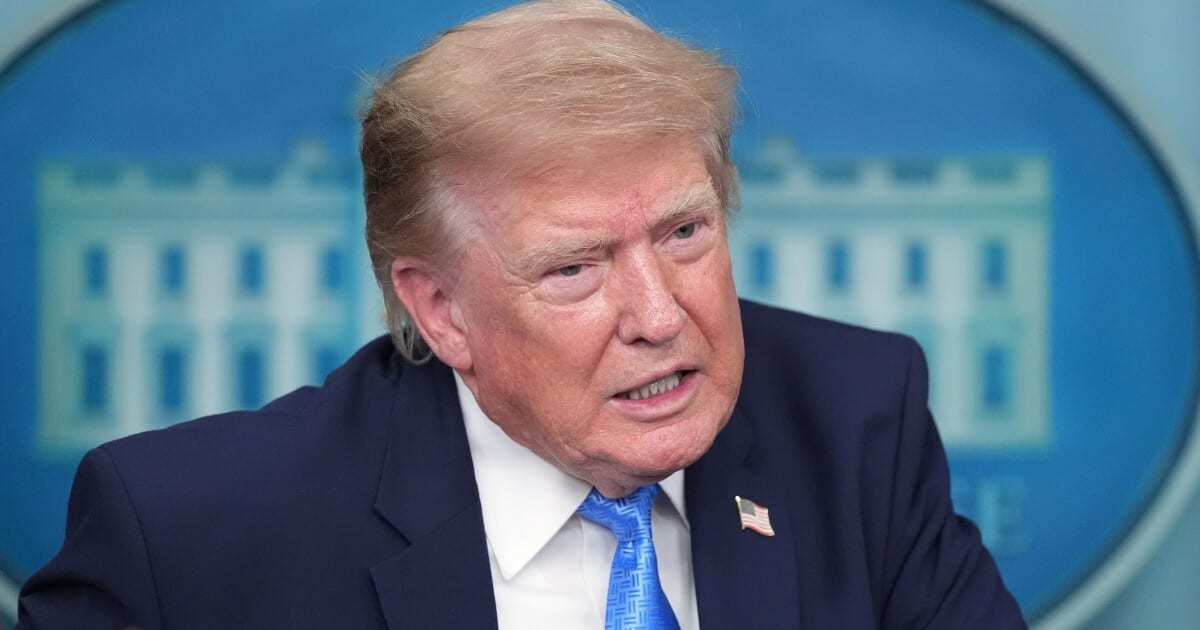
A group of Ecuadorian fishermen has sued the Trump administration in federal court, saying American drones bombed and burned their boat in the Pacific Ocean in March, then held them captive and mistreated them. The suit, filed Monday, Nov. 16, in the U.S. District Court for the Western District of Pennsylvania in Pittsburgh, is the first brought by survivors of the administration's campaign of strikes on boats it says carry drugs. That campaign is directed largely from U.S. Southern Command, headquartered in Doral in Miami-Dade County, which puts South Florida at the center of a widening legal fight over the strikes.
What the fishermen say happened
The lawsuit centers on the fishing vessel La Negra Francesca Duarte II (some reports spell it Francisca), which sailed out of the port city of Manta. According to the complaint, as described by The Associated Press, the boat was returning from a fishing trip on March 17 when Ecuador's navy stopped it for an inspection. The suit says the inspection, after a three-hour search, had just cleared the ship and its crew of any illicit activity.
Shortly afterward, the fishermen say, American drones struck the boat and set it on fire in the eastern Pacific off Ecuador's coast. Two men suffered serious burns. The suit alleges the crew was then held against their will for about 24 hours and treated inhumanely: their hands were tied, they were hooded, and they were given little water and no food. According to the complaint, their captors laughed about destroying a boat that supported all of the plaintiffs' livelihoods.
After that, the men say, they spent seven days aboard a Salvadoran ship that took them to El Salvador. Most were sent to a migrant care center, and the two injured men were taken to a hospital. All were flown home to Ecuador by the end of March.
Reports differ on the number of plaintiffs. Most outlets put it at 16 or 17 fishermen, and Bloomberg Law described nearly 20.
The legal claims
The fishermen are represented by Pittsburgh attorney Daniel Kovalik, who said he filed in Pittsburgh because of that court's experience with maritime law. The suit was brought under U.S. admiralty law, which allows claims for serious injuries and unlawful attacks on the high seas. It accuses the government of assault and battery, false imprisonment, destruction of property and intentional infliction of emotional distress. The plaintiffs are seeking damages and asking the court to order U.S. forces to stop the boat attacks, according to reports on the filing.
Kovalik has brought a previous complaint over the campaign, on behalf of the family of a Colombian man believed to have been killed in a strike last year.
The government's response
The U.S. government has not publicly claimed responsibility for the strike on the La Negra Francesca Duarte II. Southern Command has previously denied that its forces were involved in incidents reported by Ecuadorian fishing vessels, and it told CNN it does not comment on pending or ongoing litigation. In August, The Washington Post reported that drone strikes on Ecuadorian fishing boats near the Galápagos Islands in March were part of a covert CIA program. CNN said it could not verify that report, and the U.S. denied responsibility.
Asked about the lawsuit, White House spokeswoman Anna Kelly defended the broader campaign, saying the strikes "have been against designated narcoterrorists bringing deadly poison to our shores," and that President Trump "promised to take on the cartels." The Pentagon said it does not comment on pending litigation.
A campaign run from Doral
The strikes began in September 2025 with an attack on a boat off Venezuela and later expanded to the eastern Pacific. At least 240 people have been killed, according to the AP. Southern Command, whose headquarters sits in Doral near Miami International Airport, has posted video of many strikes on social media. But U.S. officials have released little public evidence that the boats carried drugs, and a PolitiFact review published by WLRN in June found no evidence released on the type or quantity of drugs aboard.
The administration has told Congress the United States is in an armed conflict with drug cartels, whose members it calls unlawful combatants. Democratic lawmakers and some legal experts call the strikes extrajudicial killings. The Pentagon's inspector general has said it will evaluate whether the military followed its targeting rules.
The campaign has also caused strain inside Southern Command. Adm. Alvin Holsey, the command's leader, announced in October 2025 that he would retire at the end of that year, a move that unnamed sources linked to tensions with the administration over Venezuela.
The Florida delegation and the courts
Florida figures are central to the policy. Secretary of State Marco Rubio, a former Florida senator, has defended the legality of the strikes, saying each one has a legal officer on deck who must make a determination. He lobbied senators against an October 2025 war powers resolution that would have limited the strikes; it failed 48-51. U.S. Sen. Ashley Moody of Florida praised Trump's 2025 naval deployment near Venezuela as bold action to cut off drug trafficking at the source.
Neither lawsuit over the campaign was filed in Florida. The first suit over the campaign, a wrongful death case filed in January by the Center for Constitutional Rights and the ACLU, was brought in federal court in Massachusetts on behalf of the families of two Trinidadian men killed in an October 2025 strike. The Ecuadorian case went to Pittsburgh by choice of counsel, even though the military command that runs the publicly acknowledged strikes is based in South Florida.
Why it matters for South Florida
Southern Command, which oversees U.S. military activity across Latin America and the Caribbean, is one of the most prominent federal installations in Miami-Dade County, and the strike campaign is now its best-known mission. South Florida is also home to large Colombian, Venezuelan and Ecuadorian communities whose home countries border the waters where the strikes have taken place. If a court rules that the strikes can be challenged under admiralty law, it could open the door to more claims from survivors and families, and to closer scrutiny of decisions made in Doral.
What's next
The government will have to respond to the complaint in Pittsburgh. Some legal analysts have noted that the administration could invoke the state secrets privilege, which can end a case if a judge agrees. Because the government has not acknowledged carrying out this strike, the fishermen will also have to show the U.S. was responsible. Meanwhile, the strikes continue, and the families in the Massachusetts case are pressing their own claims.
Spotted an issue with this article?
Have something to say about this story?
Write us a letterComments
No comments yet. Be the first to weigh in.
Related Coverage
Class Action Targets Florida's SNAP Ban on Soda and Candy, One of 18 State Waivers Challenged in Federal Court
49m ago
148 sick in illness outbreak on Caribbean Princess cruise from Fort Lauderdale, CDC says
2h ago

What Drove the Spike in Early Social Security Claims, and What It Means for Florida's 5.3 Million Beneficiaries
17h ago
U.S. and Venezuela Sign Deal to Restore Military Ties as Hegseth Visits Caracas, a Shift Felt in Doral
18h ago