Congress Averts Shutdown With Funding Extension Through December
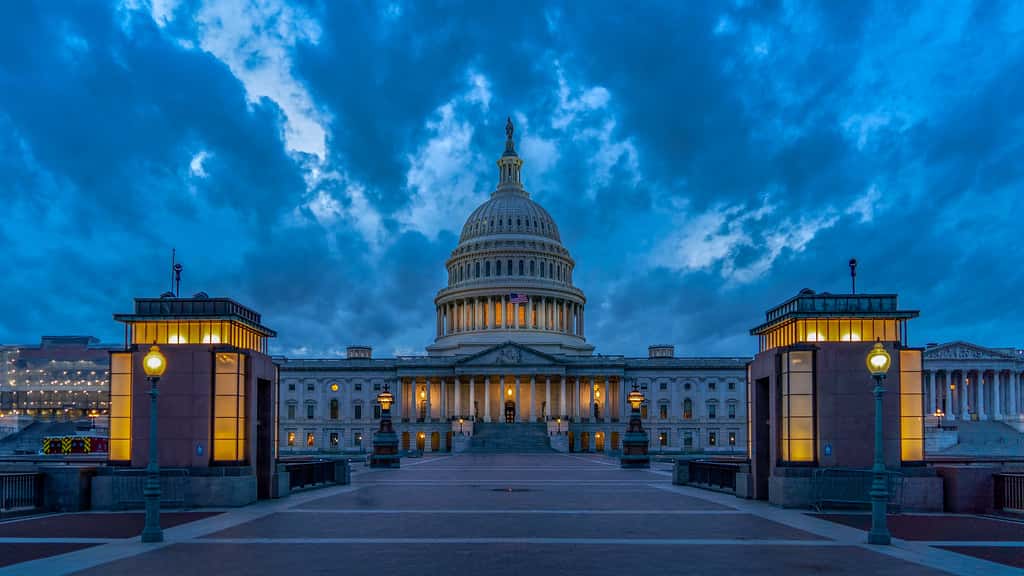
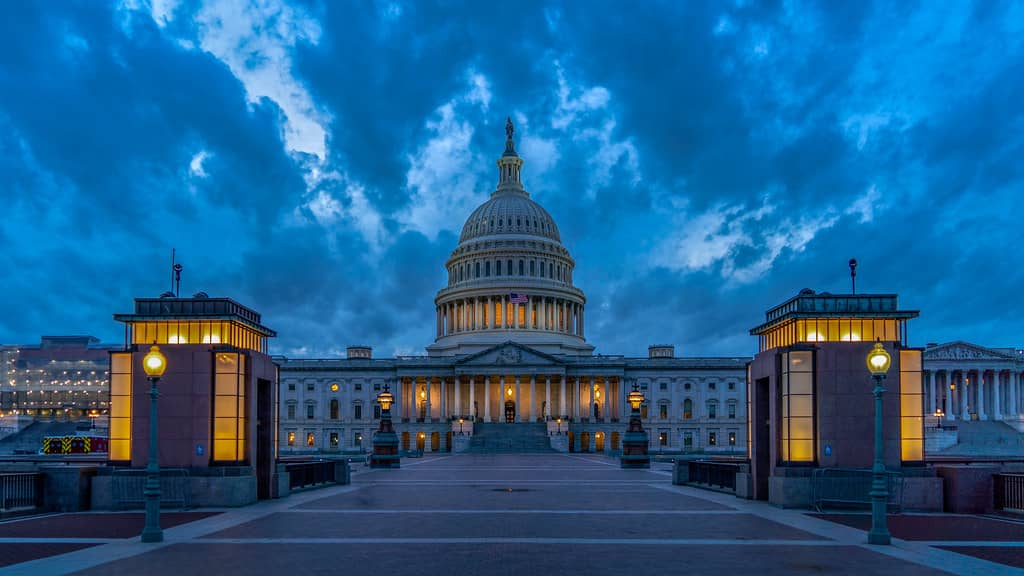
Congress has extended federal funding into December, averting a government shutdown that would have begun when the fiscal year ended September 30. The House passed the short-term measure by a vote of 370 to 48, and the continuing resolution carries federal operations through December 11, moving the next confrontation past the November election.
For Florida, the stakes in a shutdown are unusually concrete. The state hosts an extensive military presence, a large federal civilian workforce, the nation's busiest launch range, and federal programs including disaster assistance and flood insurance that Floridians rely on more heavily than residents of most states.
The extension resolves the immediate question without settling the underlying appropriations disputes, which return in December under conditions shaped by the election results.
What a continuing resolution does
A continuing resolution funds government operations at existing levels when Congress has not completed the annual appropriations bills. It is a stopgap rather than a budget, keeping agencies open without resolving disagreements about what they should receive.
The mechanism has become routine. Congress has rarely completed all appropriations bills before the fiscal year begins in recent decades, and continuing resolutions have become the standard method of avoiding lapses.
Agencies dislike them because operating at prior-year levels constrains planning. New programs cannot start, multiyear contracts are difficult to execute, and hiring decisions get deferred. The practical cost of governing through stopgaps accumulates even when no shutdown occurs.
The vote margin, 370 to 48, indicates broad bipartisan support for avoiding a lapse, reflecting the political calculation facing members campaigning for reelection.
Why Florida has more at stake than most states
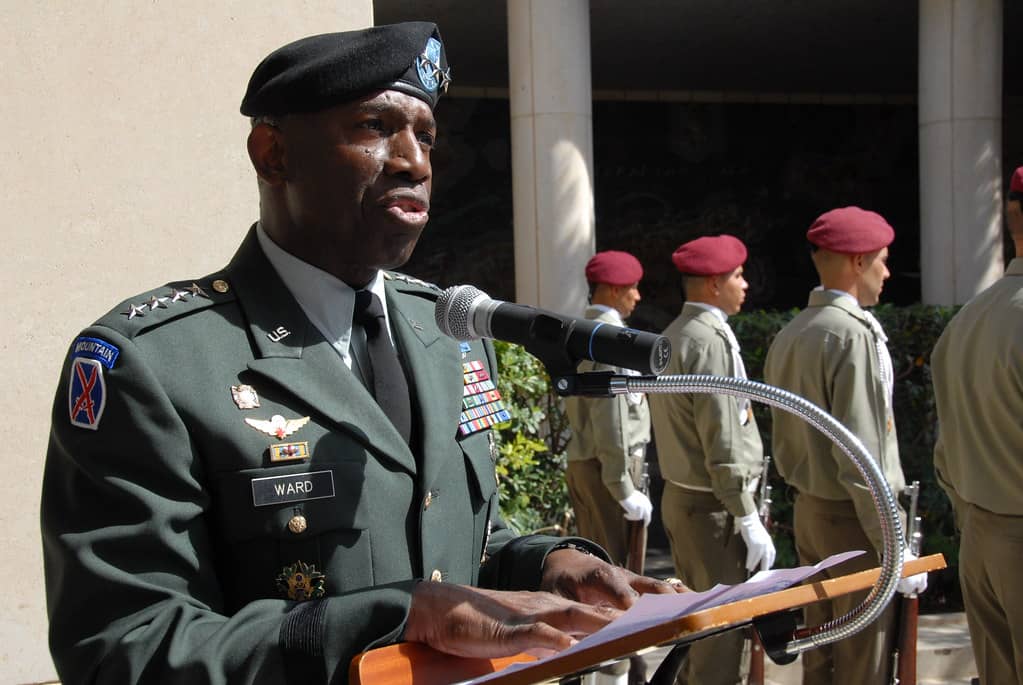
Florida's military footprint is among the largest in the country. MacDill Air Force Base in Tampa hosts U.S. Central Command and U.S. Special Operations Command. Naval Air Station Pensacola, Naval Station Mayport, Eglin Air Force Base, Tyndall Air Force Base, Patrick Space Force Base, Naval Air Station Jacksonville and Homestead Air Reserve Base together support tens of thousands of military and civilian personnel.
During a shutdown, active duty service members continue working, but pay can be disrupted depending on how the lapse is structured. Civilian defense employees face furloughs, and contractors supporting base operations may see work suspended without the back pay federal employees typically receive.
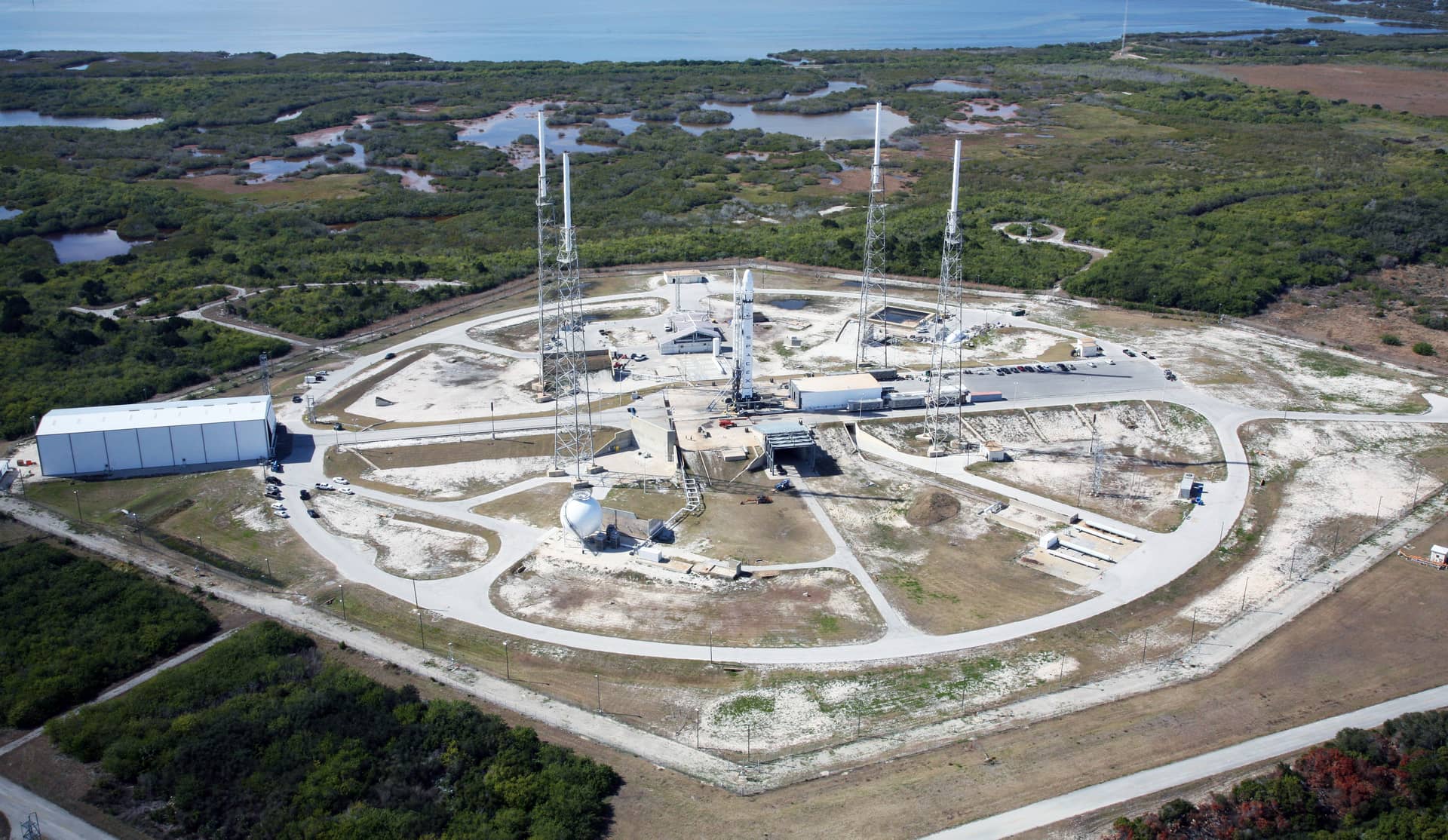
The space sector adds another dimension. Kennedy Space Center and Cape Canaveral Space Force Station support a workforce spanning NASA, the Space Force and commercial providers. NASA operations beyond those protecting life and property scale back during a lapse, which affects Artemis program work and the Brevard County economy built around it.
Disaster programs and flood insurance
Florida's exposure to federal disaster programs is unmatched. The Federal Emergency Management Agency administers disaster assistance, and its operations during a funding lapse become complicated in ways that matter enormously during hurricane season.
The National Flood Insurance Program presents a particular concern. Its authorization has been extended repeatedly through short-term measures, and when the program lapses, it cannot issue new or renewal flood policies. Existing policies remain in force until expiration, with a grace period, but new coverage becomes unavailable.
That has direct consequences for real estate transactions. Federally backed mortgages in designated flood zones require flood insurance, so a lapse can stall closings. National estimates have suggested a lapse might affect roughly 1,300 property sales a day nationwide.
Florida holds a large share of the program's 4.55 million policies nationwide, which means any disruption falls disproportionately on Florida homeowners and buyers.
What it means for Floridians
The immediate effect of the extension is that none of these disruptions occur in October. Federal workers keep working and getting paid, bases operate normally, and federal programs continue.
The deferred effect is that the same questions return in December, during a period that includes the holiday season and, in Florida, the beginning of the winter tourism season when the state's economy runs at high volume.
Households with federal employment should be aware that the December 11 deadline is real. Financial planning that accounts for the possibility of a lapse is prudent, particularly for contractor employees who historically have not received back pay.
Florida's delegation and the politics ahead
Florida's congressional delegation is among the largest in the country, and its members have split on funding measures in past cycles. Senator Marco Rubio has previously expressed opposition to shutdowns as a tactic, while Senator Rick Scott has voted against funding measures he considered fiscally inadequate.
That division reflects a broader tension within the Republican conference between members who view shutdowns as unacceptable disruption and those who see funding deadlines as the principal available leverage for spending restraint.
The November 3 election will reshape the calculation. A Congress facing a December deadline immediately after an election operates under different political incentives than one facing a deadline before it, and the results will influence how much appetite exists for confrontation.
What happens during an actual lapse
Because shutdowns have become recurring events, the mechanics are well documented, and the distinctions matter for Floridians trying to understand their exposure.
Agencies divide employees into excepted and non-excepted categories. Excepted employees, whose work involves protection of life and property, continue working without pay until funding resumes. Non-excepted employees are furloughed and are barred from working.
Federal employees have historically received back pay after lapses end, a practice Congress codified. Contractor employees generally have not, because their employers are private companies whose contracts were suspended.
Mandatory spending programs, including Social Security and Medicare benefits, continue because their funding does not depend on annual appropriations. Services administered by furloughed staff can nonetheless slow.
Air traffic controllers and Transportation Security Administration screeners are excepted, which means airports continue operating, though extended lapses have historically produced staffing difficulties as unpaid employees face financial pressure.
Florida's federal footprint by the numbers
Beyond the military installations, Florida hosts substantial federal civilian employment across agencies including the Department of Veterans Affairs, which operates major medical centers in Tampa, Miami, Gainesville, Orlando and Bay Pines.
The National Park Service manages Everglades National Park, Biscayne National Park, Dry Tortugas National Park and several national seashores and monuments, all of which see reduced operations during lapses.
The Army Corps of Engineers Jacksonville District administers the Everglades restoration program and manages water control structures throughout South Florida, work that has direct consequences for flood management.
The National Weather Service and the National Hurricane Center, both housed within NOAA, continue operating during lapses as excepted activities, which means forecasting and warning functions are maintained.
Why December is harder than September
The political dynamics of a pre-election funding deadline differ substantially from those of a post-election one, which is why the December date carries more risk than the one just avoided.
Members facing voters in seven weeks had strong incentives to avoid a disruption they would have to explain. That incentive disappears after November 3.
A lame duck session also includes members who are leaving office and who face no electoral consequence from any position they take. Historically, that has produced both greater flexibility and greater unpredictability.
For Florida, the December timing coincides with the start of the winter tourist season, when the state's hospitality economy runs at its highest volume and when disruptions to air travel or federal services would be most visible.
The appropriations process as designed
Congress is supposed to pass twelve annual appropriations bills covering the federal government's discretionary spending, with the fiscal year beginning October 1.
The process begins with the President's budget request, followed by committee hearings, subcommittee markups, floor consideration in both chambers and conference negotiations to reconcile differences. Completed on schedule, it would produce enacted bills before the fiscal year starts.
That has rarely happened in recent decades. The combination of narrow majorities, disagreements over spending levels and policy riders attached to appropriations bills has made completing all twelve on time the exception rather than the rule.
The consequence is governance by continuing resolution, which agencies describe as materially worse for planning than either full-year appropriations at higher or lower levels.
Disaster funding and the hurricane calendar
For Florida, the intersection of federal funding uncertainty and hurricane season carries specific risk that other states do not face to the same degree.
The Disaster Relief Fund, which FEMA draws on for response and recovery, has at various points run low during active seasons, requiring supplemental appropriations. When that coincides with a funding impasse, the timing becomes fraught.
The 2026 season has been historically quiet, with no hurricane forming through the climatological peak, which removes the immediate pressure. Season runs through November 30, and the December 11 funding deadline falls after it closes.
That sequencing is fortunate rather than planned. In a more active year, a December funding fight could coincide with ongoing recovery operations from a fall landfall.
What Floridians can watch
The most reliable indicator of whether December brings a resolution or a confrontation is progress on the individual appropriations bills through October and November.
Bills that clear committee and reach floor votes in both chambers have a path. Bills stalled in committee in late November are unlikely to be enacted by December 11.
Florida's delegation members sit on committees relevant to the state's interests, including appropriations subcommittees covering defense, homeland security and energy and water, the last of which funds Army Corps projects including Everglades restoration.
Constituents seeking information about specific programs can contact delegation offices directly, and congressional offices handle casework related to federal benefits and services throughout any funding disruption.
What's next
Appropriations committees will continue working on the full-year bills that the continuing resolution defers. Completing them before December 11 would resolve the matter; failing to do so would require either another continuing resolution or a shutdown.
The National Flood Insurance Program's authorization requires separate attention, and its status will be a specific point of interest for Florida's delegation given the state's exposure.
For Floridians, the practical guidance is that federal operations continue normally through the fall, and the questions that matter return in December. Hurricane season runs through November 30, and the 2026 Atlantic season has been historically quiet, which reduces the near-term risk that a funding fight collides with a disaster response.
Spotted an issue with this article?
Have something to say about this story?
Write a letter to the editor