Fed Holds Rates at 3.75% to 4% as Inflation Stays High, Leaving Florida Homebuyers Facing 7% Mortgages Days Before the Election
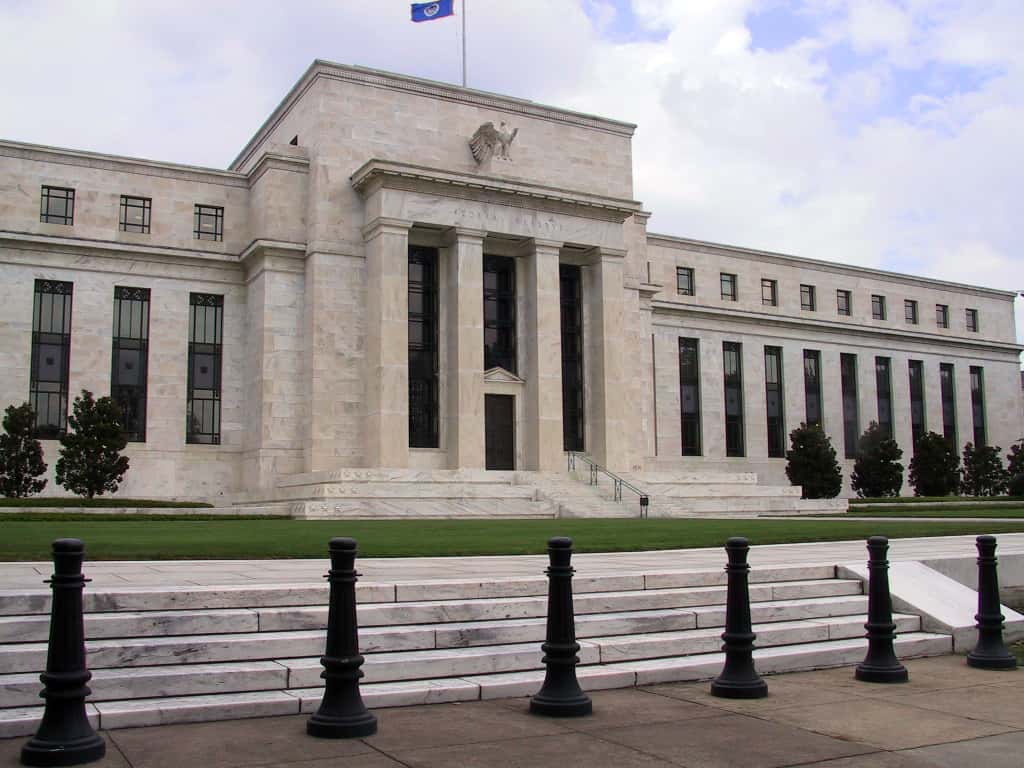
The Federal Reserve held its benchmark interest rate steady on Wednesday, Oct. 28, keeping the federal funds target range at 3.75% to 4% and offering little hint of what comes next, even as inflation runs well above its goal. The decision leaves Florida homebuyers facing 30-year mortgage rates above 7% and drivers paying more than $4 a gallon as voters head to the polls on Nov. 3.
The vote was 10 to 2. Fed Governor Lisa Cook and Cleveland Fed President Beth Hammack dissented, preferring to raise the range by another quarter point, according to the Fed's statement.
What the Fed decided
The pause follows the Fed's Sept. 16 decision to raise the target range by a quarter point to its current level, its first increase in three years. That hike defied President Donald Trump's calls for rate cuts.
This time the Fed's policy committee chose to wait. “Inflation remains elevated,” the statement said, adding that “the accumulation of more information” will help the committee decide the right policy stance to ensure a timely return to its 2% inflation goal. The statement closed with a blunt line: “The Committee will deliver price stability.”
The Fed's description of the economy was upbeat. It said economic activity “is expanding at a strong pace,” that productivity growth is strong, capital investment is robust and that job gains have kept pace with the workforce.
The statement did not say whether another increase is likely. Fed officials penciled in one more hike for this year at their September meeting, and Wall Street futures markets have priced in an increase in December, according to the Associated Press. The Fed's final meeting of the year is Dec. 8 and 9.
What Warsh said
In his opening statement at the afternoon news conference, Chair Kevin Warsh said the economy is pointing in the right direction but “inflation is too high.” He said energy and related prices have moved higher again in recent weeks and that the Fed's job is to keep those price jumps from spreading across the economy.
Warsh said third-quarter growth likely ran above 3%, led by consumer spending and business investment, and that the four-week average of jobless claims remains at the lowest level in generations. He noted that Americans have been dealing with inflation above the Fed's target for close to six years. Since the September hike, he said, financial and credit conditions have tightened for some businesses and households, which he described as the expected effect.
Warsh, who became chair five months ago, also announced a change to the Fed's calendar. The committee will keep eight meetings a year, but in 2027 one of them will be devoted to long-range strategy with no rate vote, and he expects two such strategy meetings in 2028.
Inflation picture
The consumer price index rose 3.7% in September from a year earlier, far above the 2.4% rate in February, before the Iran war pushed up oil and gas prices. Prices rose 0.3% month over month in both August and September, a pace that would leave annual inflation well above the Fed's target, the AP reported.
The day after the decision, the Commerce Department reported that the Fed's preferred gauge, the personal consumption expenditures price index, rose 3.6% in September from a year earlier, up from 3.4% in August. National unemployment stood at 4.2%.
The decision also landed amid political pressure. Trump criticized the September hike, though he largely blamed the rate-setting committee rather than Warsh, whom he appointed. Cook, one of Wednesday's dissenters, has been targeted by the administration, which tried to fire her last year; the Supreme Court ruled in June that she could keep her job while litigation continues. Wednesday's vote was Cook's first dissent since joining the board in 2022.
What it means for Florida homebuyers
The Fed does not set mortgage rates directly, but its decisions and its outlook shape the bond yields lenders follow. The average 30-year fixed mortgage rate in Freddie Mac's weekly survey was 7.32% for the week of Oct. 22, down from 7.40% the week before but well above 6.19% a year earlier. The AP reported the rate hit a three-year high of 7.4% earlier this month. Higher rates have made buying a home unaffordable for 5 million more Americans since the start of the year, according to consulting firm Oxford Economics.
Florida's housing market shows the strain. Florida Realtors' September report shows fewer closings and fewer pending deals than a year earlier, even as prices held roughly flat and listings ticked up:
| Single-family homes | Sept. 2026 | Sept. 2025 | Change |
|---|---|---|---|
| Closed sales | 20,537 | 21,271 | -3.5% |
| Median sale price | $415,000 | $410,000 | +1.2% |
| New pending sales | 19,809 | 21,431 | -7.6% |
| New listings | 27,489 | 26,839 | +2.4% |
| Months of supply | 4.4 | 5.1 | -13.7% |
The condo market is softer. The statewide median condo and townhouse price was $293,500 in September, down 1.8% from a year earlier, according to Florida Realtors. Cash buyers remain a large share of the market, accounting for 5,743 of September's single-family closings, which insulates part of the market from rate swings. Buyers who need financing feel every move in rates.
Gas, credit cards and car loans
Higher interest rates also raise the cost of car loans and credit card balances, adding to the pinch from fuel. AAA put Florida's average price for regular gasoline at $4.09 on Monday, Oct. 26, about $1.20 more than a year ago, NBC 6 South Florida reported. Prices ranged from $3.67 in Escambia County to $4.38 in Monroe County, and Florida diesel averaged $6.14. AAA expects some relief as stations switch to cheaper winter-blend gasoline.
Florida's job market is holding up. The state's unemployment rate fell to 4.4% in September, its fourth straight monthly decline, according to FloridaCommerce, though it remains above the national rate.
The election backdrop
The Fed's decision came six days before midterm elections in which the cost of living and affordability are central issues. In Florida, that debate is playing out in races up and down the ballot and in Amendment 3, the property tax measure on the Nov. 3 ballot. Warsh told reporters that politics played no role in the decision, Yahoo Finance reported, and Wednesday's statement made no reference to the election.
Some of the forces pushing prices higher, including the rapid buildout of artificial intelligence infrastructure and higher energy costs, will not be easily tamed by higher interest rates, the AP noted. Many economists argue the economy's solid growth shows it can withstand higher rates.
What's next
The Fed's next decision comes Dec. 9, at the end of a two-day meeting that will include new economic projections. Before then, officials will see October jobs and inflation reports. For Floridians shopping for homes or carrying variable-rate debt, the key signal will be whether those numbers push the Fed toward the additional hike its officials projected in September. Freddie Mac publishes its weekly mortgage rate survey each Thursday.
Spotted an issue with this article?
Have something to say about this story?
Write us a letterComments
No comments yet. Be the first to weigh in.
Related Coverage

Civil Rights Groups Sue Over DHS Voter Probes of Naturalized Citizens, and Florida Sits Outside a Court Order Limiting Them
1h ago

Artemis III Rocket Takes Shape at Kennedy as SLS Core Stage Joins Its Boosters Ahead of a Pad 39B Tanking Test
2h ago

UN Votes on Cuba Embargo for 34th Year After Former Florida Congressman Mike Waltz Clashes With Cuba's Foreign Minister
18h ago
Port of Fernandina Gets $11 Million Federal Grant to Fight Flooding and Repair Docks, Sen. Ashley Moody Says
19h ago