Civil Rights Groups Sue Over DHS Voter Probes of Naturalized Citizens, and Florida Sits Outside a Court Order Limiting Them
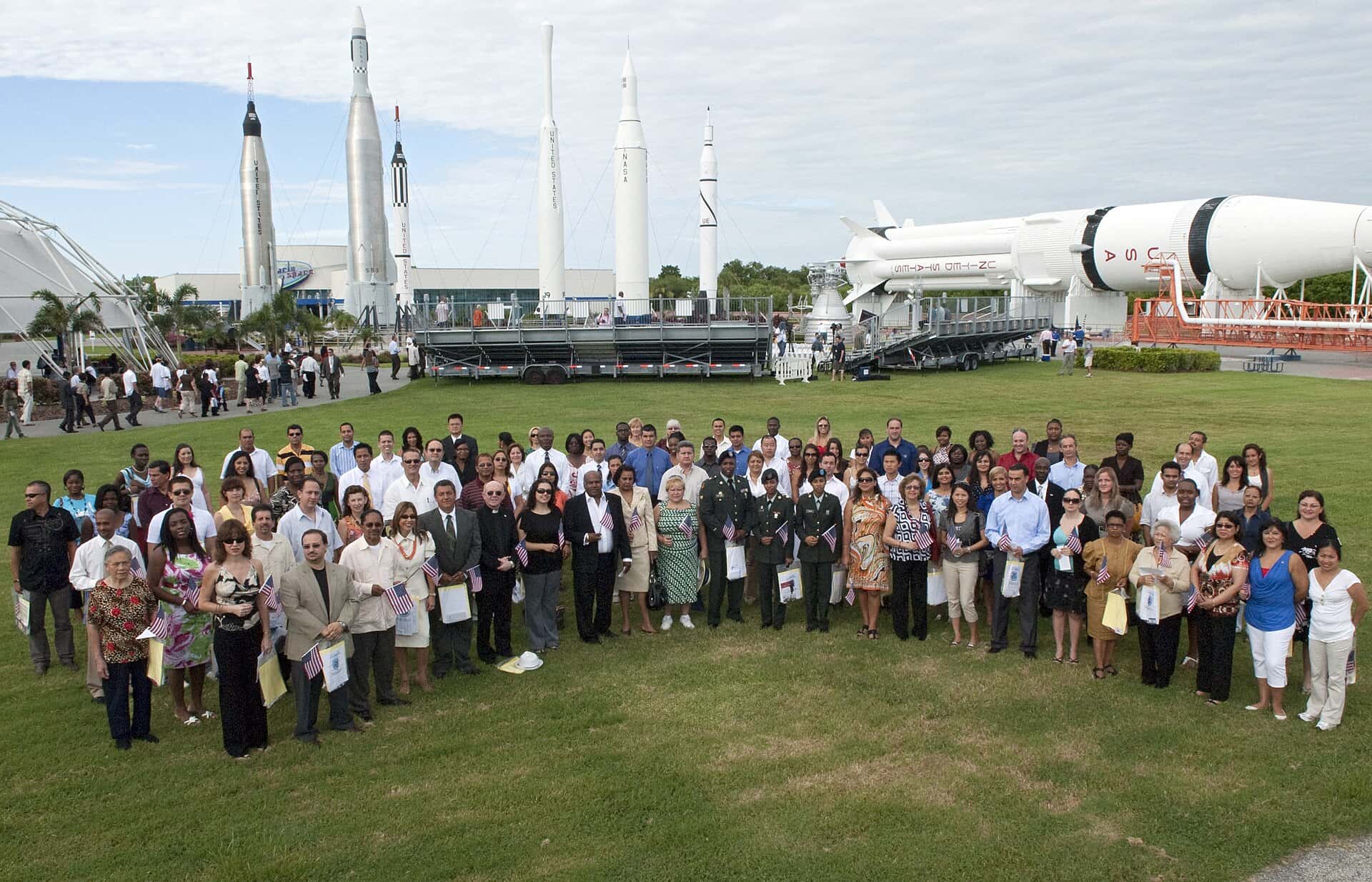
Civil rights groups have sued the Department of Homeland Security, accusing the agency of singling out naturalized Americans in investigations of possible illegal voting, the Florida Phoenix and States Newsroom reported Wednesday, Oct. 28. The case matters in Florida, which has one of the largest shares of naturalized citizens in its electorate and is not among the nine states where a federal judge has already restricted DHS voter investigations ahead of the Nov. 3 election.
What the lawsuit claims
The suit, filed in federal court in California by groups including OCA-Asian Pacific American Advocates and Common Cause and represented by the ACLU's Voting Rights Project, challenges what the plaintiffs call an “Unlawful Voter Initiative” run by U.S. Citizenship and Immigration Services, according to States Newsroom's reporting. The groups say the program targets thousands of naturalized and derivative citizens for voter-eligibility investigations and tracking.
The plaintiffs argue the program relies on outdated data and questionable methods, including searching private voter registration records on state election websites, and that election officials have found it wrongly flagging eligible voters. They contend it violates a provision of the Civil Rights Act meant to guard against discriminatory voter investigations. The suit asks a judge to halt the investigations and to bar DHS from demanding that state or local election officials refuse to count ballots from voters who appear on DHS-compiled lists of alleged noncitizen voters.
The allegations trace back to a whistleblower disclosure released in September by Senate Democrats, including Sens. Alex Padilla and Chuck Schumer. The whistleblower alleged that USCIS headquarters directed officers to use individuals' personal information to search state voter registration systems. CBS News reported that, according to the whistleblower, employees were given quotas of 40 subjects a day, roughly 12 minutes per person.
DHS has defended the work. “There is no quota on criminality,” a department spokesperson told CBS News, adding that DHS will pursue every illegal voter. Another spokesperson said those who are in the country legally and are not breaking other laws “have nothing to fear.”
Why Florida has a large stake
Naturalized citizens make up a large share of Florida voters. According to the States Newsroom report, Florida, New Jersey and New York follow California with the highest percentages of eligible voters who are naturalized citizens, ranging from 17% to 20%.
Advocates say naturalized citizens are especially likely to be flagged in error. The whistleblower alleged that naturalized citizens are disproportionately likely to be wrongly flagged as unlawful voters, and plaintiffs challenging Florida's own citizenship law have argued that the state's verification system does not capture naturalization data, so a citizen can appear in records as a noncitizen.
A court order that stops at Florida's border
On Oct. 21, U.S. District Judge Araceli Martinez-Olguin in California ordered federal immigration authorities to stop carrying out “elections-related field operations and field interviews” in nine states when officials know, or should reasonably suspect, that the people involved are U.S. citizens, CBS News reported. The states are California, Connecticut, Georgia, Missouri, Nevada, New York, Pennsylvania, Washington and Wisconsin. Florida is not on the list.
The judge found the policy likely violates a Voting Rights Act provision against intimidating people who help others vote, and she pointed to a “high likelihood of error” in how the government assembles its list of targets. That case was brought by groups including the California Nurses Association and National Nurses United. Her order expires when the polls close on Election Day. DHS said in response that it has “no plans to question or investigate people we believe to be U.S. citizens.”
The door-knocking campaign itself, documented by CBS News, involved armed Homeland Security Investigations agents visiting homes to ask about immigration status and voting history. Internal documents reviewed by CBS described field reviews in at least six states, including California, Georgia, Missouri, Pennsylvania, Washington and Wisconsin.
Recent Florida cases
Federal and state prosecutors have brought a series of noncitizen voting cases in Florida this fall. All are accusations, and the defendants are presumed innocent.
- On Sept. 29, USCIS said it helped Florida investigators bring charges against 16 noncitizens accused of voting unlawfully, in cases announced by the Florida Attorney General's office. The cases came from Brevard, Collier, Columbia, DeSoto, Hillsborough, Lee, Marion, Okeechobee and Polk counties.
- On Oct. 26, the Justice Department announced charges against 48 people in five states, including six lawful permanent residents in the Middle District of Florida accused of illegal voting or of falsely claiming citizenship to vote.
- DHS also said Homeland Security Investigations agents arrested five lawful permanent residents in Florida on voting-related charges on Oct. 21 and 22.
Those defendants are green card holders, not naturalized citizens, which is the distinction at the heart of the new lawsuit: the plaintiffs say people who are now citizens are being swept into the same screening. Nationally, the Justice Department has charged 156 people with voting-fraud-related offenses since the start of the Trump administration, CBS reported, out of about 227 million registered voters.
Florida's own citizenship checks
Florida has been one of the most aggressive states in using federal data to check voter citizenship. In July, U.S. District Judge T. Kent Wetherell II in Pensacola ordered DHS to restore Florida, Iowa, Indiana and Ohio's access to the expanded Systematic Alien Verification for Entitlements, or SAVE, database under a settlement with those states, FOX 13 reported, even though a federal judge in Washington had halted broader use of the revamped system. On Sept. 25, the U.S. Supreme Court lifted a lower-court block on the expanded system, allowing its use while litigation continues.
Florida also has its own law on the books. Gov. Ron DeSantis signed House Bill 991, which his office calls the Florida SAVE Act, on April 1. It requires citizenship checks for new and updated voter registrations, and voters whose citizenship cannot be confirmed through state and federal records will have to provide documents such as a passport, birth certificate or naturalization certificate. The law takes effect Jan. 1, 2027, after this election, according to news reports at the signing. Secretary of State Cord Byrd said the law ensures “only citizens can vote in Florida elections.”
Groups including the League of Women Voters of Florida, the Florida Immigrant Coalition and UnidosUS sued the same day, arguing in part that the law will make it significantly harder for naturalized citizens to register and vote. That case remains pending.
What naturalized voters should know
Florida voters can check their registration status through the state Division of Elections' online voter lookup or their county supervisor of elections before Election Day. Under Florida law, a voter whose eligibility cannot be confirmed at the polls may cast a provisional ballot, which the county canvassing board then reviews.
What's next
The new lawsuit asks a federal judge to halt the USCIS initiative. The government can appeal the nine-state order, which ends when polls close. In Florida, the fight over citizenship checks will continue past Election Day as HB 991 heads toward its January 2027 start and the challenges to it move through federal court.
Spotted an issue with this article?
Have something to say about this story?
Write us a letterComments
No comments yet. Be the first to weigh in.
Related Coverage

Artemis III Rocket Takes Shape at Kennedy as SLS Core Stage Joins Its Boosters Ahead of a Pad 39B Tanking Test
1h ago

UN Votes on Cuba Embargo for 34th Year After Former Florida Congressman Mike Waltz Clashes With Cuba's Foreign Minister
17h ago
Port of Fernandina Gets $11 Million Federal Grant to Fight Flooding and Repair Docks, Sen. Ashley Moody Says
18h ago

Miami Real Estate Brokers Oren and Tal Alexander and Brother Alon Sentenced to 30 Years Each for Sex Trafficking
18h ago