Florida Students Return to Class Under Dangerous Heat Advisories
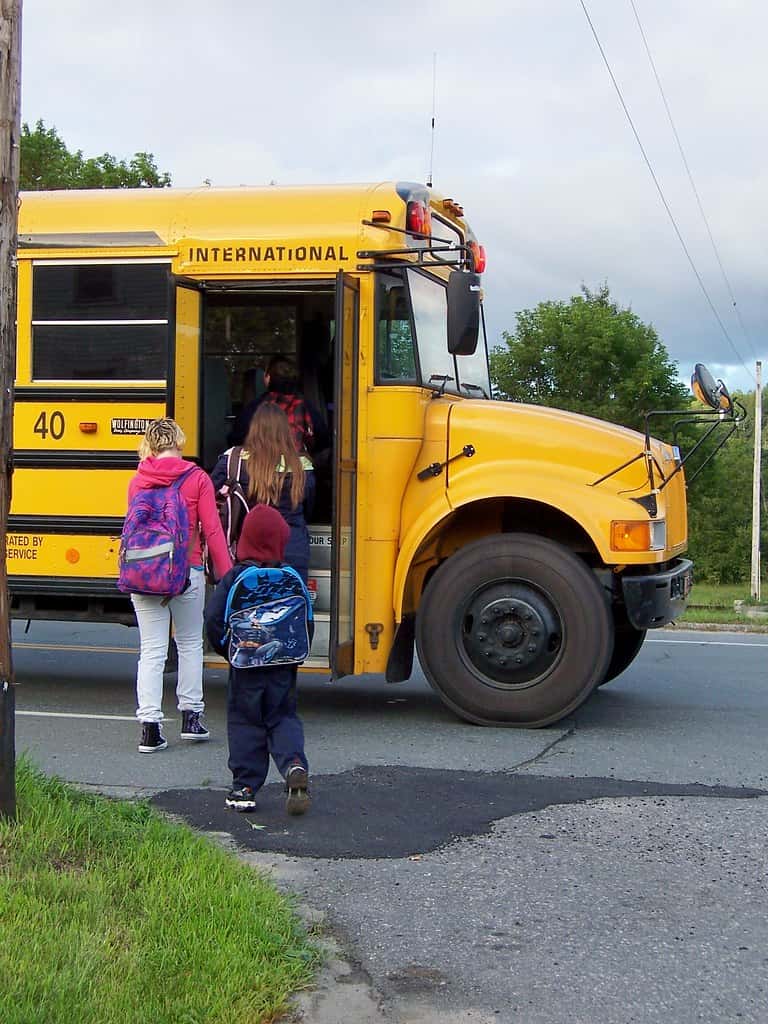
Most Florida school districts opened the 2026-27 academic year on Monday, sending several million students back to bus stops and campuses on one of the hottest mornings of the summer. Heat advisories covered large portions of the state, with heat index values forecast to reach 105 to 110 degrees in South Florida and afternoon air temperatures in the low to mid 90s across the Interstate 4 corridor. Orange County and Polk County students started Tuesday, a day behind most of their neighbors.
The overlap of the first week of school with a stretch of dangerous heat is not unusual in Florida, but it puts real operational pressure on districts. Buses without air conditioning, outdoor bus loops, athletic practices, band camps and simple transitions between buildings all become risk points when the heat index climbs past 105. Districts across the state have spent the past several years formalizing procedures for exactly these conditions.
Forecasters described the pattern as one likely to shift later in the week, with rising rain chances offering some relief. Until then, the practical guidance from the National Weather Service has been consistent: limit outdoor exertion during the afternoon hours, hydrate before feeling thirsty, and treat the heat index rather than the air temperature as the number that matters.
What the heat advisories cover
A heat advisory is issued by local National Weather Service offices when the combination of temperature and humidity is expected to produce heat index values in a range that poses a meaningful health risk. In South Florida, Miami-Dade and Broward counties saw advisories built around heat index values in the 104 to 109 range, with values in the Florida Keys forecast somewhat higher.
The heat index, sometimes called the apparent temperature, estimates how hot conditions feel to the human body by accounting for humidity's effect on the evaporation of sweat. In a dry climate, a 95-degree afternoon is uncomfortable. In Florida's summer humidity, the same air temperature can produce a heat index above 105 because the body's primary cooling mechanism becomes far less effective.
One detail that matters for parents: official heat index values are calculated for shaded conditions. Direct sunlight can add as much as 15 degrees to what a person actually experiences. A student waiting at an unshaded bus stop, or standing on an athletic field, is exposed to conditions materially worse than the advisory number suggests.
How districts manage heat
Florida districts operate under a mix of state athletic association rules and locally adopted heat policies. The Florida High School Athletic Association has for several years required schools to monitor conditions using wet bulb globe temperature readings, a measurement that incorporates humidity, radiant heat from the sun and air movement, and to modify or suspend practices when readings cross defined thresholds.
Those rules cover mandatory rest breaks, limits on equipment during practice, and requirements that cold water immersion tubs be available on site during high-risk conditions. Cold water immersion is the recognized treatment for exertional heat stroke, and the difference between having a tub on the field and not having one is measured in survival rates rather than comfort.
For the general student population, districts typically move recess and physical education indoors when advisories are in effect, increase water availability, and adjust dismissal procedures to reduce the time students spend standing outside. Transportation departments face the hardest problem, since bus fleets in many districts include older vehicles without air conditioning, and a bus sitting in a loading loop heats quickly.
Recognizing heat illness
Heat illness exists on a spectrum, and the distinctions carry practical consequences. Heat cramps are painful muscle spasms, often in the legs or abdomen, and generally respond to rest, shade and fluids containing electrolytes. They are a warning sign rather than an emergency.
Heat exhaustion involves heavy sweating, cool and clammy skin, weakness, dizziness, nausea and headache. The correct response is to move the person to a cool environment, loosen clothing, apply cool wet cloths and give fluids if the person is alert. Anyone who cannot keep fluids down or whose symptoms worsen over the course of an hour needs medical attention.
Heat stroke is a medical emergency. The distinguishing signs are a very high body temperature, hot skin that may be dry or may still be sweating, confusion, slurred speech, loss of coordination and possible loss of consciousness. The instruction from emergency physicians is to call 911 immediately and begin cooling the person while waiting, and specifically not to give fluids to someone who is not fully alert. Delays in cooling drive the mortality risk.
Who is most at risk
Children are more vulnerable to heat than adults for several physiological reasons. They have a higher surface area relative to body mass, they produce more metabolic heat per unit of mass during activity, and younger children sweat less efficiently. They are also less likely to recognize or report early symptoms, and less likely to voluntarily stop an activity they are enjoying.
Student athletes in the first days of practice carry elevated risk because they have not yet acclimatized. Heat acclimatization is a real physiological adaptation that takes roughly 10 to 14 days of progressive exposure, and the majority of serious heat illness in high school athletics occurs during that initial window. This is why acclimatization protocols limit equipment and practice duration in the opening days of fall camp.
Students with chronic health conditions, including asthma, diabetes, heart conditions and obesity, and those taking certain medications including some ADHD stimulants and antihistamines, face additional risk. Parents in those categories should confirm the school nurse and coaching staff are aware.
The broader trend
Florida summers have grown measurably hotter and, more consequentially, more humid over recent decades. The metric that has shifted most is the overnight low. When nighttime temperatures fail to drop into a range that allows the body to recover, consecutive days of heat exposure compound rather than reset. That is why multi-day heat events produce disproportionate health effects compared to isolated hot days.
The practical implication for schools is that heat is becoming a routine operational consideration rather than an occasional disruption. Districts across the state have been revisiting bell schedules, athletic practice windows, facility cooling capacity and bus fleet specifications with heat as an explicit design constraint.
Some Florida districts have adjusted calendars to start earlier in August, which places the opening weeks squarely in the hottest part of the year. The tradeoff is a first semester that ends before winter break, which districts and families generally prefer. That tradeoff is worth naming plainly, because it means the heat and school overlap is a structural feature rather than a bad break.
The bus problem
Transportation is where heat policy meets budget reality most directly. Many Florida districts operate mixed fleets in which newer buses have air conditioning and older ones do not, and replacement cycles for school buses run 12 to 15 years. A district cannot convert its fleet quickly even when the policy will is there.
The interior of a parked bus in direct Florida sun can exceed outside air temperature substantially within minutes. Districts manage this through route sequencing, staging buses in shade where possible and limiting idle time at loading zones, but a long rural route on a hot afternoon remains a genuinely difficult environment for students.
Driver shortages, a persistent problem in Florida districts as elsewhere, compound the issue by forcing route consolidation. Combined routes mean longer rides, and longer rides mean more time in the conditions the policy is trying to manage.
What districts open the year facing
Beyond the weather, Florida districts open 2026-27 managing a set of pressures that have become routine. Teacher recruitment and retention remains the dominant operational challenge, with vacancies concentrated in mathematics, science, special education and in rural districts that compete poorly on salary.
Enrollment forecasting has become harder as school choice options have expanded. Charter enrollment has grown substantially, state scholarship programs now reach a broad eligibility population, and home education participation has increased. Districts fund staffing based on projected enrollment, and projections that miss produce either understaffed classrooms or budget shortfalls.
Facility capacity is a related problem with a different shape. Fast-growing counties in central and southwest Florida face crowding and portable classrooms, while some districts in slower-growing areas operate buildings well below capacity and face consolidation decisions that are politically difficult in every community that has ever faced them.
What parents can do in the first weeks
The opening weeks of school are when routines get set, and a few specifics matter more than general advice. Students should carry a refillable water bottle and be encouraged to drink before they feel thirsty, since thirst lags actual fluid need, particularly in children.
Parents of student athletes should confirm that their child's school has completed the required preparticipation physical evaluation and that emergency action plans are in place at practice venues. Asking a coach directly whether cold water immersion capability is available on site is a reasonable question, not an accusatory one.
Families should also verify emergency contact information in the district's system, confirm any medication authorizations with the school nurse and review the district's early dismissal and severe weather procedures. Those procedures activate on short notice, and the first time a family reads them should not be during an event.
What's next
Forecasters have indicated a pattern change is likely later in the week, with increasing rain chances across the peninsula. Afternoon thunderstorms bring their own hazards, including lightning, which suspends outdoor activities under standard athletic association rules, and localized flooding that affects bus routes.
Parents should check their district's website for specific heat and lightning policies, which vary. Practical steps that apply everywhere include sending students with a filled water bottle, choosing light-colored and loose clothing, and confirming that bus stop arrangements minimize time standing in direct sun.
The National Weather Service offices in Miami, Tampa Bay, Melbourne, Jacksonville, Key West, Tallahassee and Mobile issue the advisories that apply to each region of the state. Those bulletins, updated throughout the day, remain the authoritative source for conditions where any given family lives.
Spotted an issue with this article?
Have something to say about this story?
Write a letter to the editor