Florida Voters Renew School Tax Referendums From Polk to Duval, Funding Teacher Raises and School Safety
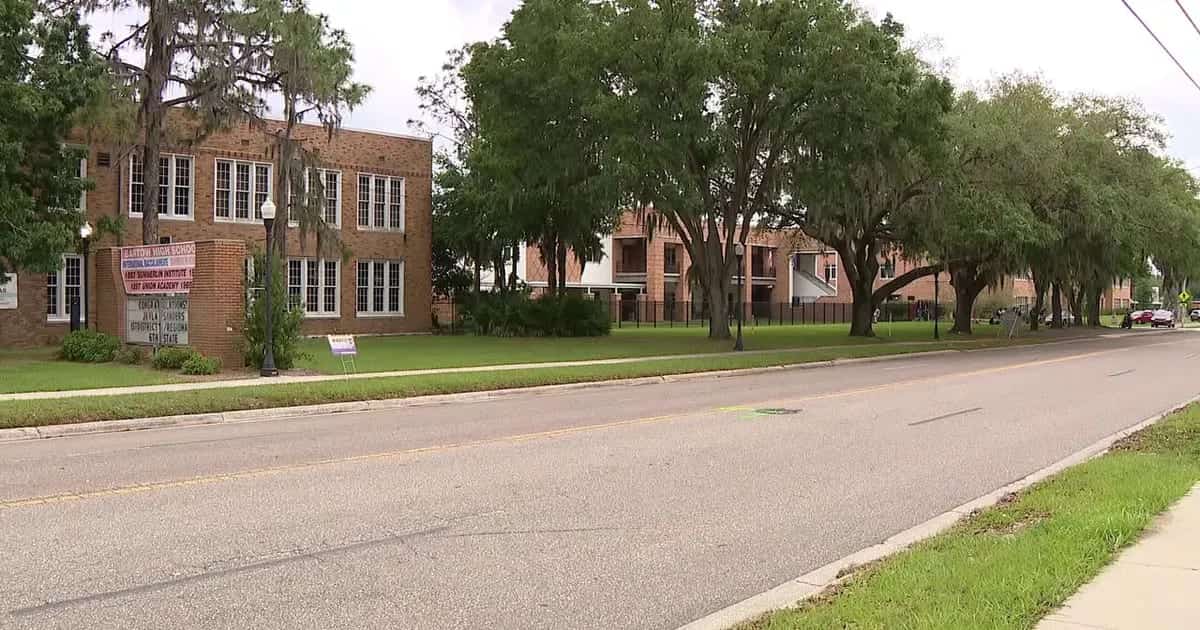
Florida voters from Polk County to the First Coast to South Florida said yes to local school property taxes on Tuesday, Nov. 3, renewing or approving one mill levies that pay for teacher raises, school police and campus safety in some of the state's largest districts. In Polk County, where voters had never before approved such a tax, the new levy will fund a $3,700 base pay raise for teachers, cafeteria workers, bus drivers and other support staff starting next school year.
Miami-Dade, Broward and Palm Beach voters renewed their school levies by wide margins, and voters in Duval, Clay and Nassau counties extended theirs for four more years. The votes came on the same ballot as Amendment 3, the statewide property tax measure, which does not touch school district taxes.
Results across Florida
The results and estimated amounts reported by local outlets are below. Percentages are unofficial election night figures.
| County | Measure | Result | Estimated amount |
|---|---|---|---|
| Miami-Dade | Renewal of 1 mill levy | Passed, about 82% yes | About $500 million a year |
| Palm Beach | Renewal of 1 mill levy | Passed, about 77% yes | $361.4 million in fiscal 2026 |
| Broward | Renewal of 1 mill levy | Passed, about 67% yes | $358 million a year from 2027-28 |
| Polk | New 1 mill levy | Passed | About $80 million a year |
| Duval | Extension of 1 mill levy | Passed | Not reported |
| Clay | Extension of 1 mill levy | Passed | Not reported |
| Nassau | Extension of 1 mill levy | Passed | Not reported |
One mill equals $1 in tax for every $1,000 of taxable property value, or about $300 a year on a home with $300,000 in taxable value.
Polk County's first school levy
Polk's measure, titled "Millage for School Safety, Teachers, and Career Education," was a new tax rather than a renewal. Before the vote, according to pre-election coverage, Polk was the only one of Florida's seven largest school districts without a voter approved millage, and it had the lowest starting teacher salary among them.
FOX 13 reported that the one mill increase will raise about $80 million a year through June 2031, with $13.6 million, or 18%, going to the county's charter schools. The average Polk homeowner will pay about $259.42 more a year. Pre-election estimates varied: WUSF reported in October that the levy would generate about $65.6 million, with 80% going to teacher and staff pay and the remaining 20% to school safety and security, fine and performing arts, workforce development, career technical education and early childhood education.
The money will fund a $3,700 across the board increase to base salaries for teachers, cafeteria workers, bus drivers and other support staff, though employees will not see the higher pay until the next school year begins. Supporters expect the base raise could grow in future years as property values rise. The aim is to bring Polk's pay closer to neighboring districts and ease staffing shortages.
Stephanie Yocum, president of the Polk Education Association, told FOX 13 that almost a quarter of the district's vacancies are in its special education program, and that the millage will help with recruiting and retaining staff for those hard to fill positions. Superintendent Fred Heid said student performance has improved for five years even though Polk is among the lowest funded districts in the state, and that the new money will help the district climb higher.
South Florida renews by wide margins
South Florida's three big districts first passed their one mill levies in 2018 and have renewed them every four years. Tuesday's vote was the third renewal, WLRN reported.
In Miami-Dade, about 82% of voters said yes. The levy is expected to raise about $500 million a year, more than double the roughly $232 million a year it generated from 2018 to 2022. Under the measure, 88% of the money goes to teacher salaries and 12% to the district's police department. Superintendent Rafael Villalobos said he "definitely did not expect" approval above 80%.
Broward voters approved their renewal with about 67% of the vote. The levy is projected to bring in $358 million a year starting in the 2027-28 school year, in a district with a current year budget of $4.7 billion. Nearly 90% goes to compensation supplements for teachers and eligible staff, and the measure also funds 224 mental health professionals, nearly 400 school safety personnel and nearly $2 million for wearable panic buttons. Superintendent Howard Hepburn cited "the highest percentage of voter support since the first referendum passed in 2018."
In Palm Beach County, about 77% voted yes. The levy brought in $361.4 million in fiscal 2026 and pays for teacher investment, student programs, school safety and arts programs. Superintendent Mike Burke had warned that if it failed, about 900 teachers in school choice programs would lose their jobs and teacher pay would fall by $8,000 a year. After the vote, he said the district does "not take that trust for granted."
In all three counties, the revenue is shared between district operated schools and eligible charter schools.
Duval, Clay and Nassau extend their levies
On the First Coast, voters in Duval, Clay and Nassau counties chose to extend existing one mill school taxes for four more years, News4JAX reported. All three were renewals, not new taxes.
In Duval, the ballot language said the money supports compensation for teachers, security and support staff, along with academic programs, arts, athletics and student activities. Under state law, charter schools receive 19% of the money and the district keeps 81%. Of the district's share, 88% goes to teachers, staff and school police and 12% funds arts and athletics. The extension begins July 1, 2027, and runs through 2031. Superintendent Christopher Bernier said he was "overwhelmed with gratitude to Duval voters."
Newly elected Duval School Board members said the vote protects pay for teachers, school resource officers and support staff. "It's very important to us that the teachers are taken care of," said District 2 member Donovan Bradley. All three new members said a shared goal is to fold the funding into the district's general budget so it does not depend on a vote every four years. "I believe that we don't need to kick it down the road again," said District 6 member Lindsey Denmark.
Clay County's levy funds school safety and security and competitive pay to attract and retain teachers and staff. It extends the tax through June 30, 2031, and an independent citizens oversight committee reviews the spending. In Nassau County, the district says 70% of the money has gone to employee compensation and 12% to school safety, with the rest split between arts and athletics.
Why districts keep asking
District leaders say the local levies fill gaps left by state funding. Florida ranks among the bottom 10 states in per student spending, at $13,487 for the school year that ended in 2025 compared with a national average of $17,619, according to a National Education Association report cited by WLRN. Enrollment declines in South Florida have also meant less state money. Broward's school district says on its website that "outside of the legislative process, a referendum is the School Board's only option to continue generating these funds."
Amendment 3 does not touch school taxes
The school levies shared the ballot with Amendment 3, the statewide property tax amendment that voters approved with about 62% of the vote. That measure targets the non-school portion of property tax bills, expanding the homestead exemption for non-school taxes, and school district property taxes are exempt from its changes. Only the first $25,000 of a homestead's assessed value remains exempt from school taxes, as under current law.
Before the election, some officials worried voters would be confused about asking for a school tax on the same ballot as a tax cut. Attorney Chris Hand told News4JAX that voters "can be excused if they look at the ballot and see some potential cognitive dissonance there." The results suggest most voters separated the two.
What's next
The renewed levies in Miami-Dade, Broward, Palm Beach, Duval, Clay and Nassau continue without interruption, so current pay supplements and safety funding stay in place. Polk's new tax takes effect next July, and its $3,700 raises will reach paychecks when the 2027-28 school year begins. Districts will now negotiate how the money flows through teacher contracts, and in four years most of these counties will face the same question on the ballot again unless lawmakers or local boards find another way to fund it.
Spotted an issue with this article?
Have something to say about this story?
Write us a letterComments
No comments yet. Be the first to weigh in.
Related Coverage
FSU Gets $400,000 Federal Grant to Fight Sexual Assault, Dating Violence and Stalking on Campus
2d ago
Florida Seeks Expert Reviewers for 96 Proposed Social Studies Textbooks, From Kindergarten to History of Communism
2d ago
Osceola County Weighs $191,885 in Opioid Settlement Money for Vape Detectors at 19 Schools
2d ago
New College of Florida Seeks Up to $47 Million to Finance USF Sarasota-Manatee Campus Takeover
4d ago