DeSantis Signs $117.6 Billion Florida Budget for New Fiscal Year, Vetoes $810 Million
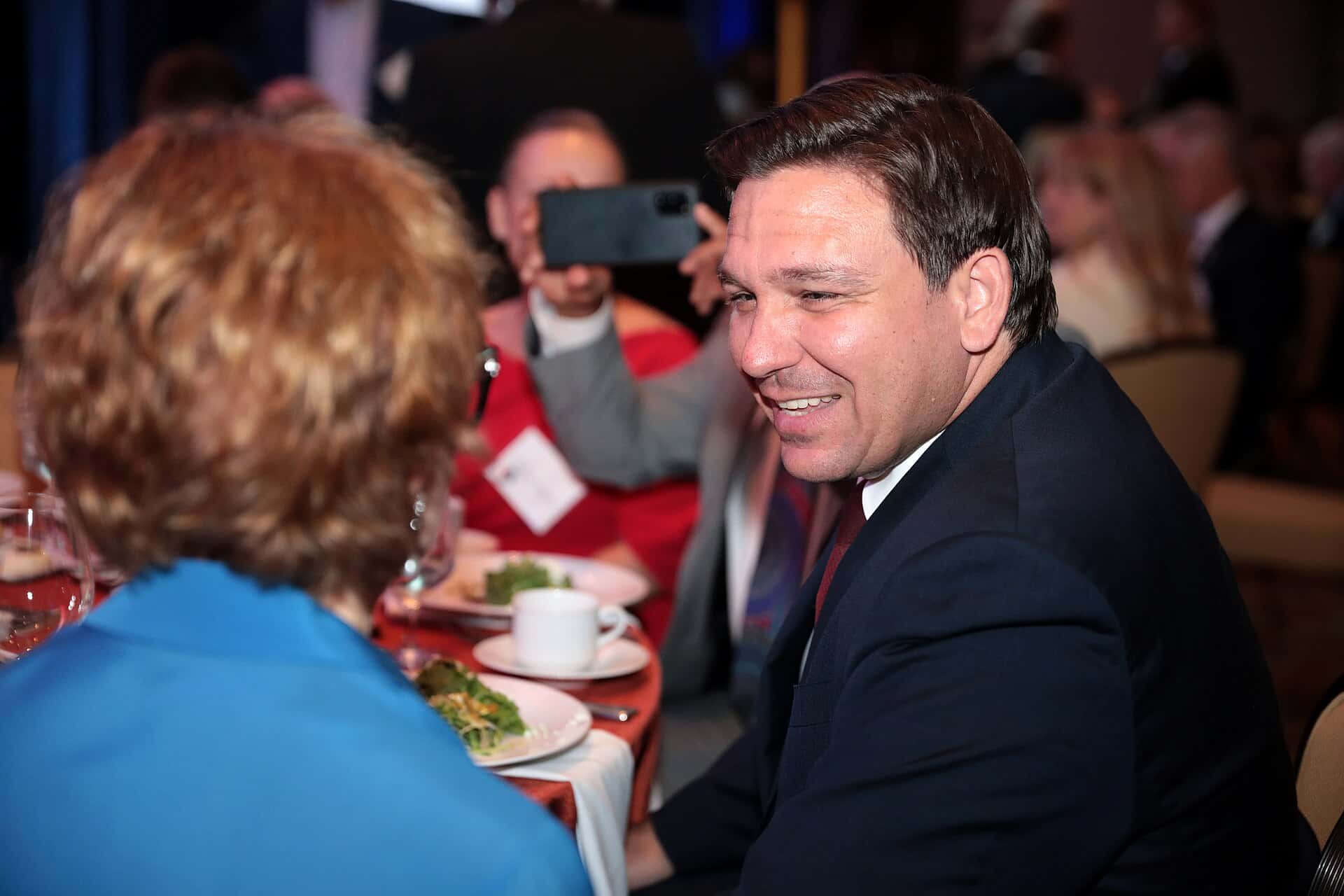
Governor Ron DeSantis signed Florida's spending plan for the 2026-2027 fiscal year in advance of the state's new budget year that began Wednesday, July 1, putting his name to a roughly $117.6 billion package after removing about $810 million in line-item vetoes. State officials described the plan as the eighth and final budget of the governor's tenure, and the governor's office framed it as the capstone of eight years of fiscal decisions that have grown the state's reserves while paying down debt.
What the budget includes
The signed plan totals roughly $117.6 billion for the fiscal year that opened July 1, according to figures released by the state. That number reflects the governor's line-item vetoes, which the state put at approximately $810 million in individual spending items struck from the plan lawmakers sent to his desk. Florida governors hold a line-item veto power that lets them cancel specific appropriations without rejecting the entire budget, and DeSantis has used that tool in each of his budget cycles.
Alongside the vetoes, the governor's office pointed to the state's built-up cushion against future downturns. State officials said the plan maxes out Florida's main rainy-day reserve while growing total state reserves to a level the administration placed around $18 billion. The administration also highlighted debt reduction, saying the state has paid down a significant share of its outstanding obligations over the governor's time in office. Those reserve and debt figures come from the state and reflect the administration's own accounting of its fiscal position.
On education, the state highlighted a record per-student funding figure, which officials placed at $9,338 per pupil for the coming year. Per-pupil spending is one of the most closely watched numbers in any Florida budget because it flows into district operating funds for teacher salaries, classroom materials, and student services across the state's public schools. The governor's office presented the figure as a new high for the state.
The Florida context
Florida operates on a fiscal year that runs from July 1 through June 30, which means the budget the governor signed took effect almost immediately after his signature. Lawmakers passed the spending plan during the 2026 legislative session, and the measure then moved to the governor for review, veto decisions, and signature. The timing places the signing just days before the Fourth of July holiday and at the start of the state's new budget year.
The administration presented the plan as the latest in a series of budgets that have trended downward from the peak spending years tied to federal pandemic aid. State officials said the new plan continues a multi-year pattern of the overall budget declining from those elevated levels, a point the governor's office has emphasized as evidence of restraint. Independent observers generally note that state budgets rose sharply when federal relief dollars flowed in and have adjusted as that money wound down.
Reserve levels matter in Florida because the state does not levy a personal income tax and leans heavily on sales tax collections that can swing with tourism and consumer spending. A large rainy-day fund gives the state a buffer if a recession, a major hurricane, or a tourism slowdown cuts into revenue. The administration has repeatedly tied its reserve strategy to Florida's exposure to hurricanes and to the volatility of a sales-tax-driven revenue base.
The scale of the plan also reflects the sheer size of the state it funds. Florida is among the most populous states in the country, and its budget has to stretch across a growing population that continues to draw new residents from other states each year. Population growth adds pressure on schools, roads, health programs, and public safety agencies at the same time it broadens the base of consumers whose spending feeds the sales tax. Balancing that growth against a revenue system without an income tax is a recurring feature of how Florida constructs its annual spending plans.
The vetoes and the spending decisions
The roughly $810 million in vetoes represents individual projects and appropriations the governor chose to remove from the plan lawmakers approved. Line-item vetoes in Florida often include local projects, specific grants, and earmarked spending that the governor's office concludes do not fit statewide priorities or that duplicate other funding. The precise list of struck items is published by the state, and lawmakers whose projects were vetoed sometimes seek to restore them in future sessions.
Budget years in Florida frequently feature tension between the governor's office and legislative leaders over spending levels and specific priorities. Reporting around the signing pointed to friction between the governor and House leadership over fiscal policy, including a separate debate over a property tax measure headed to the ballot. The governor has distanced himself from that proposal while praising the Legislature for putting a question before voters, according to his public comments.
For Floridians, the practical effect of the vetoes depends on which local projects were affected. Vetoed items can include road improvements, water projects, cultural grants, and community facilities that legislators secured for their districts. When a project is struck, local governments and organizations that were counting on the money must either find another source or wait for a future budget cycle to try again.
What it means for Floridians
The most direct effect for most residents runs through the largest categories of state spending: public education, health care programs, public safety, and transportation. Record per-pupil funding, if it reaches classrooms as budgeted, flows into district operating dollars that shape class sizes, teacher pay negotiations, and instructional resources. Parents and educators tend to watch how districts translate the state figure into local decisions once the money arrives.
Health care and social services make up another large share of any Florida budget, funding Medicaid, hospitals, and programs for children, seniors, and people with disabilities. Transportation dollars support the state road network that carries residents, freight, and tourists, an especially important system in a state that draws tens of millions of visitors each year. The exact effects of the new plan will become clearer as agencies begin spending under the fresh appropriations.
The reserve build-up carries a longer-term significance for taxpayers. A larger cushion can help the state respond to a hurricane or an economic downturn without immediate cuts or borrowing, and rating agencies watch reserve levels when they assess the state's creditworthiness. Stronger credit can lower the cost of state borrowing, which indirectly benefits taxpayers who ultimately back that debt.
The politics of a final budget
Because state officials described this as the eighth and final budget of the governor's tenure, the plan carries a weight beyond its individual line items. Final budgets tend to be read as summary statements of an administration's priorities, and the governor's office has leaned into that framing by pointing to reserves, debt reduction, and per-pupil funding as evidence of a consistent fiscal approach across eight years. How much of that record endures depends on the choices of future governors and legislatures, which are not bound by the priorities of any single administration.
The reported friction with House leadership underscores that even a governor at the end of a long tenure must negotiate with a coequal branch that controls how spending bills are written. The Legislature builds the budget line by line, and the governor's veto pen shapes the final product only after lawmakers have set the terms. The separate debate over the property tax measure headed to the ballot illustrates how fiscal disagreements can extend beyond the annual budget into questions that voters ultimately decide. Those tensions often carry into the next session, when lawmakers whose priorities were trimmed look for new openings.
For Floridians trying to gauge what the budget signals, the interplay between the governor and legislative leaders matters as much as the headline totals. Spending levels, veto choices, and ballot questions together sketch a picture of where state government is heading, and that picture tends to sharpen as the political calendar moves toward the next election and the next legislative session.
Local impact across the state
Because the budget funds statewide programs and local projects alike, its reach extends into every region of Florida. School districts from the Panhandle to the Keys draw on the per-pupil funding formula, while transportation and water projects are distributed across urban and rural counties. Coastal communities that face repeated storm threats have a particular stake in the state's reserve strategy and emergency management funding.
Local governments also feel the effects of individual vetoes. When the governor strikes a district project, the affected city or county must weigh whether to fund it locally, seek other grants, or shelve it. Those decisions ripple into local budgets and can influence property tax and fee debates at the city and county level, especially in communities with tight finances.
The new fiscal year also coincides with a batch of new state laws taking effect July 1, meaning residents encounter budget and policy changes at roughly the same time. That convergence tends to make early July a period when state government's decisions become most visible to everyday Floridians, from school funding to fee schedules to the programs their tax dollars support.
The uneven geography of the state means the same budget can land differently from one community to the next. Fast-growing metropolitan areas may focus on how transportation and school dollars keep pace with new arrivals, while smaller rural counties may weigh whether a single vetoed project alters a local plan that had few alternatives. That variation is part of why the published veto list draws close attention in individual communities long after the statewide totals have been reported.
What's next
With the budget signed, state agencies begin operating under the new appropriations, and the practical rollout of funding decisions moves from Tallahassee to departments, districts, and local governments. The full published list of vetoes gives lawmakers and communities a roadmap of which items were removed, and some of those disputes will likely resurface when the Legislature convenes for its next session.
Budget watchers will track revenue collections through the year to see whether sales tax and other receipts meet the projections built into the plan. If collections run ahead of or behind forecasts, the state's reserve position and mid-year spending decisions could shift. Hurricane season, which runs through November, adds a layer of uncertainty because a major storm can force emergency spending and draw on reserves.
For residents, the clearest signals in the months ahead will be how districts deploy education funding, how agencies administer health and transportation programs, and whether any vetoed local projects are revived. The budget sets the framework, but its real-world effects unfold gradually as the new fiscal year progresses across Florida.
Spotted an issue with this article?
Have something to say about this story?
Write a letter to the editorComments
No comments yet. Be the first to weigh in.
Related Coverage
Orange County's $9 Billion Budget Takes Effect With $1.1 Billion for Public Safety and a Bigger Sheriff's Budget
2h ago

Miami-Dade Commission Sets Oct. 6 Hearing on Plan to Eliminate 12 Metrobus Routes
5h ago

Jacksonville's $2 Billion Budget Takes Effect With Record Public Safety Spending and Restored Housing Fund
6h ago
Florida's Voter Registration Deadline Is Monday as Democrats Edge GOP in September Sign-Ups
9h ago