Disney Details Villains Land and Cars Expansion for Walt Disney World
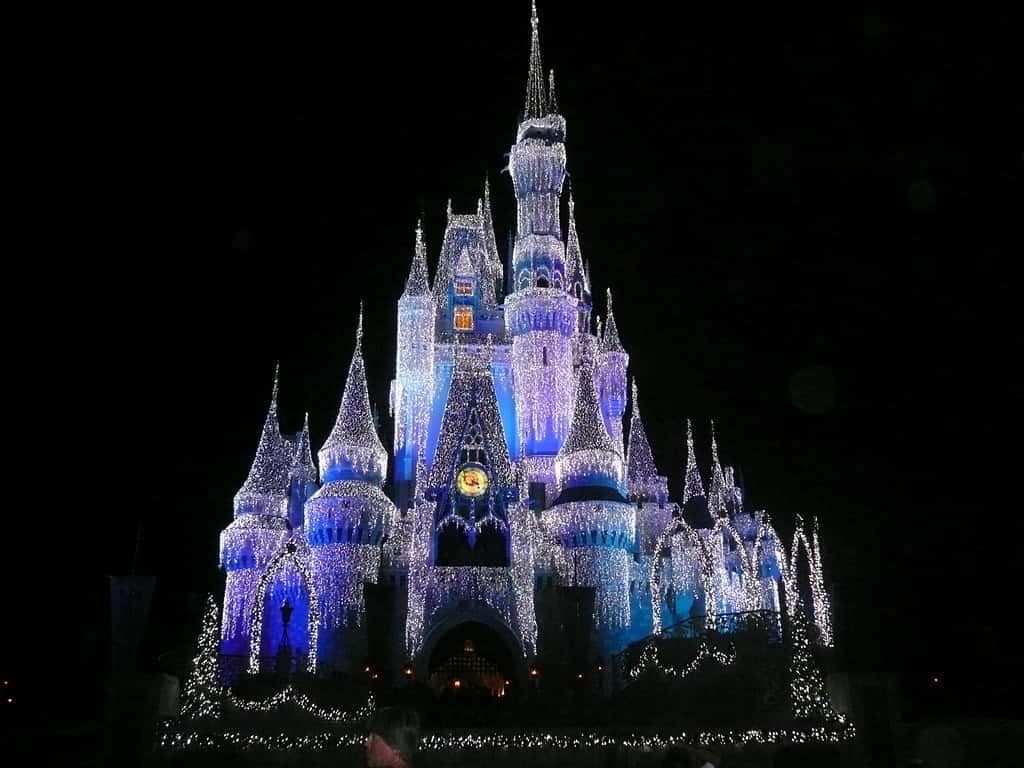
Disney used its D23 presentation this month to detail expansions across all four Walt Disney World theme parks, laying out the most substantial buildout the Central Florida resort has committed to in years. The announcements included a Cars-themed land coming to Magic Kingdom's Frontierland, an immersive land built around Disney villains, and a full reimagining of a longstanding Epcot attraction.
For Central Florida, theme park capital investment is regional economic policy in practice. Construction of this scale employs thousands of workers over multiple years, and completed attractions shape hotel occupancy, restaurant traffic and airport volume across a corridor that runs from Orange County into Osceola and Lake counties.
The announcements also land in a competitive context that has shifted. Universal Orlando opened Epic Universe, its fourth Central Florida gate, adding meaningful capacity to the market for the first time in decades and giving visitors more reason to split a multi-day trip.
What Disney announced
The Magic Kingdom expansion centers on Piston Peak National Park, which brings the world of the Cars films into Frontierland with two announced attractions. Cars Ridge Run Rally is described as sending guests across rugged terrain, snowy peaks and geysers using a ride system designed to react to the terrain beneath the vehicle. Miss Fritter's Daredevil Spin-Along will feature the school bus character from Cars 3.
A separate land built around Disney villains was also detailed, set in a dark forest poisoned by a cursed wishing well. Disney has positioned it as an immersive land on the scale of Star Wars: Galaxy's Edge, which is the company's reference point for a fully themed environment rather than an attraction with surrounding decoration.
At Epcot, Journey Into Imagination is receiving a complete reimagining that brings back Figment and the Dreamfinder character. Dreamfinder appeared in the original version of the attraction and has been absent for decades, and its return has been among the most persistent requests from longtime Epcot visitors.
Disney also outlined updates for Hollywood Studios and Animal Kingdom as part of the same presentation, continuing an approach of distributing investment across all four parks rather than concentrating it in one.
The Central Florida context
Walt Disney World is the largest single-site employer in Florida, and the surrounding tourism economy supports employment well beyond the property line in hotels, restaurants, transportation, retail and services. Orange and Osceola counties collect substantial tourist development tax revenue tied to hotel stays, which funds convention facilities, venues and destination marketing.
Capital announcements matter to that system on a multi-year horizon. Construction generates immediate demand for skilled trades in a market where those workers are also needed for residential and commercial development. Completed attractions then generate a longer-term effect on attendance and length of stay.
The competitive dynamic with Universal has intensified. Epic Universe added a fourth gate to the Universal Orlando Resort, changing the calculation for visitors planning a week in Central Florida. Disney's response has been to accelerate the pace of new attraction announcements across its existing parks.
Universal has continued its own development, releasing 2026 holiday dates and new offerings for Epic Universe, and permanently closing Fast and Furious Supercharged on August 17 to make room for a new experience at Universal Studios Florida. SeaWorld Orlando and Busch Gardens Tampa also continue adding attractions in a market where every operator is investing simultaneously.
What it means for Floridians
Florida residents interact with the parks differently than out-of-state visitors do. Annual pass programs, resident ticket offerings and seasonal events make the parks a recurring destination rather than a once-a-decade trip, and residents tend to follow attraction announcements closely because the additions affect a place they visit regularly.
For workers, the expansions represent job creation across a range of roles. Construction phases require trades workers, and operating phases require attractions, food service, merchandise, custodial and technical staff. Theme park employment has been a significant point of entry into the Central Florida labor market and remains one of the region's largest job categories.
For the broader state economy, tourism is one of the pillars alongside agriculture, construction, health care and international trade. Sales tax collections tied to visitor spending contribute meaningfully to state revenue, and Florida's absence of a personal income tax makes those consumption-based collections proportionally more important than they are in most states.
Local impact across the state
Orange County carries the most direct exposure, with the theme park corridor concentrated in the Lake Buena Vista and International Drive areas. Hotel development along that corridor tracks park capacity, and additions to either affect the other.
Osceola County has absorbed substantial residential and hospitality growth driven by proximity to the parks, with the Kissimmee corridor developing as a lower-cost lodging alternative. Lake and Polk counties have seen residential growth from workers commuting into the tourism corridor, which places pressure on road capacity and school enrollment in communities well outside Orange County.
Statewide, the effect flows through the visitor pipeline. International arrivals landing at Miami, Fort Lauderdale and Tampa frequently include a Central Florida segment, and cruise passengers sailing from Port Canaveral often pair a voyage with theme park days. Attraction announcements in Orlando therefore influence booking patterns across multiple Florida markets.
Why Frontierland is where the Cars land is going
Placing a Cars-themed area within Frontierland is a design decision with a specific logic. The Cars films set substantial portions of their story in the American West, and the Piston Peak National Park concept borrows the visual language of western national parks, which allows the new area to share a design vocabulary with the land it extends rather than sitting inside it as a foreign element.
Magic Kingdom has been constrained for years by the physical footprint of its developed areas, and expansion requires either building outward into backstage land or replacing existing attractions. Extending Frontierland toward available space is the less disruptive route.
The ride system described for Cars Ridge Run Rally, in which vehicles react to the terrain beneath them, points toward a trackless or terrain-responsive design rather than a conventional coaster. Systems of that type allow different vehicles to take different paths through the same show building, which increases the variety of a ride experience across visits.
The second attraction announced for the area, built around the school bus character from Cars 3, appears to serve a different audience segment, providing a lower-intensity option that families with younger children can ride together. Pairing a headline attraction with a family option is standard practice in modern land design.
What the villains concept represents
Disney has built immersive lands around properties with strong existing worlds, and a villains land is a different proposition because it draws on characters from across many films rather than a single narrative universe. The described setting, a dark forest poisoned by a cursed wishing well, provides the connective device that makes assembling those characters coherent.
Comparing it to Star Wars: Galaxy's Edge sets a specific expectation about scale. That land was built as a fully realized environment with its own architecture, merchandise, food and interactive elements, rather than as attractions with surrounding theming, and it represented one of the largest single investments in the company's park history.
Villain characters have been a durable commercial category for Disney across merchandise, media and park experiences, with a distinct audience that skews older than the core family demographic. A land aimed at that audience addresses a segment the parks have historically served through seasonal events rather than permanent installations.
Nighttime operation is a natural fit for the concept, and lands designed with darkness as a feature rather than a limitation change how a park distributes attendance across operating hours, which is an operational benefit alongside the creative one.
The Epcot reimagining
Journey Into Imagination occupies an unusual place in Epcot's history. The original version, which paired Figment with the Dreamfinder character, is remembered by longtime visitors as one of the park's defining experiences, and subsequent revisions removed elements that audiences had attached to.
Restoring Dreamfinder addresses a request that has persisted across decades of fan feedback. Companies rarely reverse a creative decision that old, and doing so signals a broader approach to Epcot that treats the park's original identity as an asset rather than as dated material to move past.
Epcot has been through extended construction in recent years, with multiple areas rebuilt and reorganized. Adding another major project extends that period, which affects the guest experience during construction even as it improves the eventual result.
The park occupies a specific role within the resort, oriented toward a slightly older audience than Magic Kingdom and anchored by its international pavilions and food and beverage programming. Attraction investment aimed at families with younger children broadens that audience, which is the commercial rationale behind reviving an intellectual property with cross-generational recognition.
What is next
Construction timelines for projects of this scale generally run several years from announcement to opening, and Disney typically confirms opening windows closer to completion. Vertical construction becoming visible from park walkways is usually the first public indicator that a project has moved past planning.
Capacity and pricing will be the practical questions for visitors. New lands historically draw concentrated demand at opening, and Disney has managed that in recent years through virtual queues and reservation systems. How the company handles access for the villains land in particular will matter to residents planning visits.
The competitive response is the other variable. Universal has not finished developing around Epic Universe, and both operators are building simultaneously in a market where labor and materials are shared. Central Florida is entering a construction cycle that will shape the region's tourism economy through the end of the decade.
Spotted an issue with this article?
Have something to say about this story?
Write us a letterComments
No comments yet. Be the first to weigh in.
Related Coverage

Tampa Theatre Reopens After $24.5 Million Restoration in Time for Its 100th Birthday
20h ago

Family sues Disney over brawl in Flight of Passage line at Animal Kingdom
2d ago

Mother Sues Universal and Mack Rides, Saying Son Lost Consciousness on Epic Universe's Stardust Racers
6d ago
Walt Disney World turns 55 with Lakeshore Lodge reservations opening Oct. 8
Oct 1