Dolphins Reshuffle the Quarterback Room With McCord In and Ewers Out
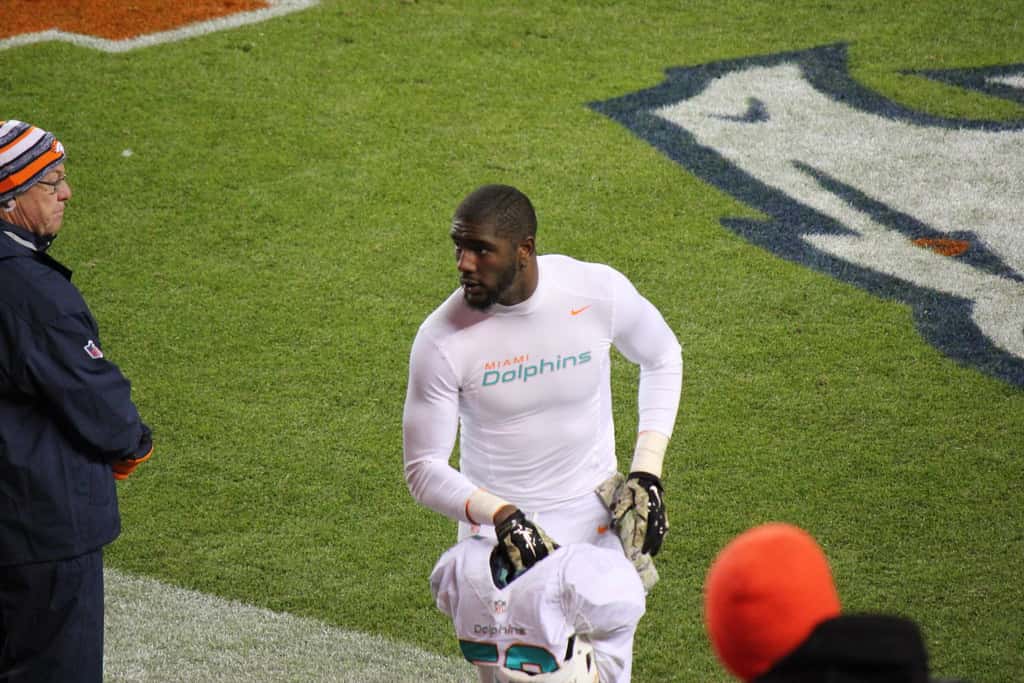
The Miami Dolphins reworked their quarterback depth chart in the days around the NFL's roster cutdown, agreeing to terms with the Green Bay Packers to acquire quarterback Kyle McCord in exchange for a 2028 sixth-round pick, and separately agreeing to send quarterback Quinn Ewers to the Jacksonville Jaguars for a 2028 sixth-round pick. Both moves were pending physicals.
The Dolphins also released linebacker Tyrel Dodson, a move that clears a starting job for second-round pick Jacob Rodriguez, and completed their reduction from the 90-man offseason limit to the 53-man regular season roster by the league deadline.
Miami opens the regular season on the road at the Las Vegas Raiders on September 13 at 4:25 p.m. Eastern at Allegiant Stadium.
Reading the quarterback trades
Two sixth-round picks in the same future draft class, moving in opposite directions, is about as low-stakes as NFL quarterback transactions get in terms of capital. What the trades reveal is a preference rather than a valuation. Miami wanted McCord more than it wanted Ewers, and Jacksonville had the opposite view.
Both are young quarterbacks who entered the league recently and have not established themselves as starters. Teams evaluate developmental quarterbacks on traits that are difficult to assess from outside the building, including how quickly they process coverage, how they handle a playbook, and how they operate in a meeting room. A preference expressed through a sixth-round swap usually reflects that kind of internal evaluation rather than anything visible in preseason statistics.
The practical effect is roster efficiency. Teams carry two or three quarterbacks on a 53-man roster, and every developmental arm occupies a spot that could hold a special teams contributor. Trading a young quarterback another team values more highly, and acquiring one you value more highly, is straightforward roster management.
For Dolphins fans, the more important point is what the trades do not indicate. Neither move signals a change at the top of the depth chart.
The Dodson release and the rookie opportunity
Releasing Tyrel Dodson to open a starting linebacker job for second-round pick Jacob Rodriguez is a more consequential decision than either quarterback trade. Cutting an established veteran to install a rookie starter is a statement about what the coaching staff believes it has in the player.
Second-round picks are expected to contribute, but handing one an immediate starting role at linebacker is different from working him into a rotation. Linebacker in a modern NFL defense requires run fit discipline, coverage responsibility in zone and man, and communication authority in the front seven. Rookies typically struggle with the communication piece more than the physical demands.
The upside is that a rookie who can handle the job provides four years of production on a rookie contract at a position where veteran replacements are expensive. The risk is that the learning curve costs the defense games in September and October.
How Rodriguez performs against Las Vegas in Week 1 will be one of the more informative data points from Miami's opener.
What Miami needs this season
The Dolphins have spent recent seasons as a team that could beat anyone on a good day and lose to anyone on a bad one, with results that swung on health and on performance against physical defenses in cold weather. That pattern has defined the franchise's inability to convert regular season competitiveness into postseason advancement.
The opener at Las Vegas is a favorable draw in that respect. Allegiant Stadium is a dome, which removes weather from the equation, and the Raiders are a division rival of nobody Miami plays regularly, which means no familiarity advantage either way.
Miami's schedule difficulty and its early-season health will do more to determine the season than any of the roster moves made in the past two weeks. The AFC East remains competitive, and the wild card race in the AFC has been decided by tiebreakers in recent years.
The quarterback depth moves matter mainly as insurance. A team whose season depends on the health of its starter needs functional backups, and Miami evidently believes McCord fits that description better than the alternative.
Florida's three NFL teams open together
Miami, Tampa Bay, and Jacksonville all begin the 2026 season in the same week, and each enters with a distinct situation. The Dolphins travel to Las Vegas on September 13. The Buccaneers open at Cincinnati on the same day, with quarterback Baker Mayfield playing out the final year of his contract after breaking off extension talks over offers he described as not appealing.
Jacksonville, which just acquired Ewers from Miami, has been managing its own roster questions, including moving on from offensive lineman Chuma Edoga in what has been read as confidence that right tackle Cole Van Lanen will be ready for Week 1.
Three NFL teams in one state produces a Sunday viewing pattern unlike most markets, with Florida fans able to watch all three franchises across a single afternoon window.
For the state's football economy, all three teams being competitive matters for attendance, local broadcast ratings, and the hospitality business around Hard Rock Stadium, Raymond James Stadium, and EverBank Stadium.
What it means for Dolphins fans
The immediate practical answer is that the roster is set and the season starts on September 13. Fans looking for a signal about the season from the quarterback trades will not find one, because sixth-round pick swaps for developmental arms do not carry that information.
The Rodriguez decision is the one worth tracking. A rookie starting at linebacker will be tested early and often, and opposing offensive coordinators will attack the position deliberately in September.
Ticket demand at Hard Rock Stadium typically tracks early-season results, and Miami's home schedule pricing in the secondary market will move based on how the team performs in its first several games.
The larger question for the franchise remains what it has been for several years: whether a team that has been competitive in the regular season can finally convert that into postseason results.
Why the roster cutdown produces so much movement
The late-August reduction from 90 players to 53 is the single largest personnel event on the NFL calendar outside the draft. Every team releases roughly 37 players within the same window, which floods the market with available talent and creates the conditions for trades like the ones Miami made.
Teams that have a surplus at one position and a deficit at another find natural partners, and low-round future picks become the currency because the actual value being exchanged is the player rather than the pick. A 2028 sixth-round selection is close to a placeholder, a way to formalize a swap that both sides want.
Waiver claims add another layer. Players released by one team are subject to waivers, and clubs claim in reverse order of the prior season's standings, which gives the worst teams first access. Practice squad assembly follows, giving teams a developmental roster of 16 additional players who can be elevated during the season.
The result is that a roster considered final on cutdown day frequently looks different two weeks later. Miami's 53 as constituted in early September is a starting point rather than a settled group.
What the Dolphins need to prove in September
Miami's recent seasons have followed a recognizable arc: fast starts against favorable early schedules, followed by difficulty against physical opponents and in cold-weather road games late in the year. Breaking that pattern requires demonstrating something different early rather than simply accumulating wins against beatable teams.
The Las Vegas opener does not test the cold-weather question, since Allegiant Stadium is a dome. What it can test is whether the defense holds up with a rookie starting at linebacker and whether the offense functions when the game plan meets an opponent that has prepared for it.
Health is the other variable, and it has been the one that determined Miami's ceiling in several recent seasons. A roster with talent at the skill positions has repeatedly arrived at December without enough of that talent available.
The AFC playoff field has been decided by tiebreakers in recent years, which means September results carry disproportionate weight. A team that starts slowly is often mathematically alive in December while practically eliminated by the tiebreaker math.
What's next
Kickoff at Allegiant Stadium is September 13 at 4:25 p.m. Eastern. The pending physicals on both quarterback trades should be resolved before then, which would finalize the depth chart.
Practice reports during the week will indicate how the coaching staff is distributing reps in the quarterback room and whether Rodriguez holds the starting linebacker job through the final preparation week.
The first four weeks of an NFL season tend to establish a team's identity in a way that is difficult to change later. Miami's September will say more about the 2026 Dolphins than any roster move made in the past month.
For the broader Florida football audience, the week ahead offers a full slate. All three of the state's NFL teams play on September 13, and all three of its major college programs have already opened with wins, with Miami ranked seventh nationally after a 45-6 result at Stanford and Florida coming off a 66-21 home win.
That combination has not been common in recent years, and it makes the coming month an unusually busy one for Florida sports fans across all three professional markets and the college programs that feed them.
Roster churn of this kind is easy to over-read in early September. Sixth-round picks change hands every year, veterans are released to make room for rookies every year, and the depth chart on opening day rarely matches the one a team finishes with in January. What the Dolphins have done in the past two weeks is ordinary NFL housekeeping, and the season will be decided by health, coaching, and the players already penciled in as starters.
Spotted an issue with this article?
Have something to say about this story?
Write us a letterComments
No comments yet. Be the first to weigh in.
Related Coverage
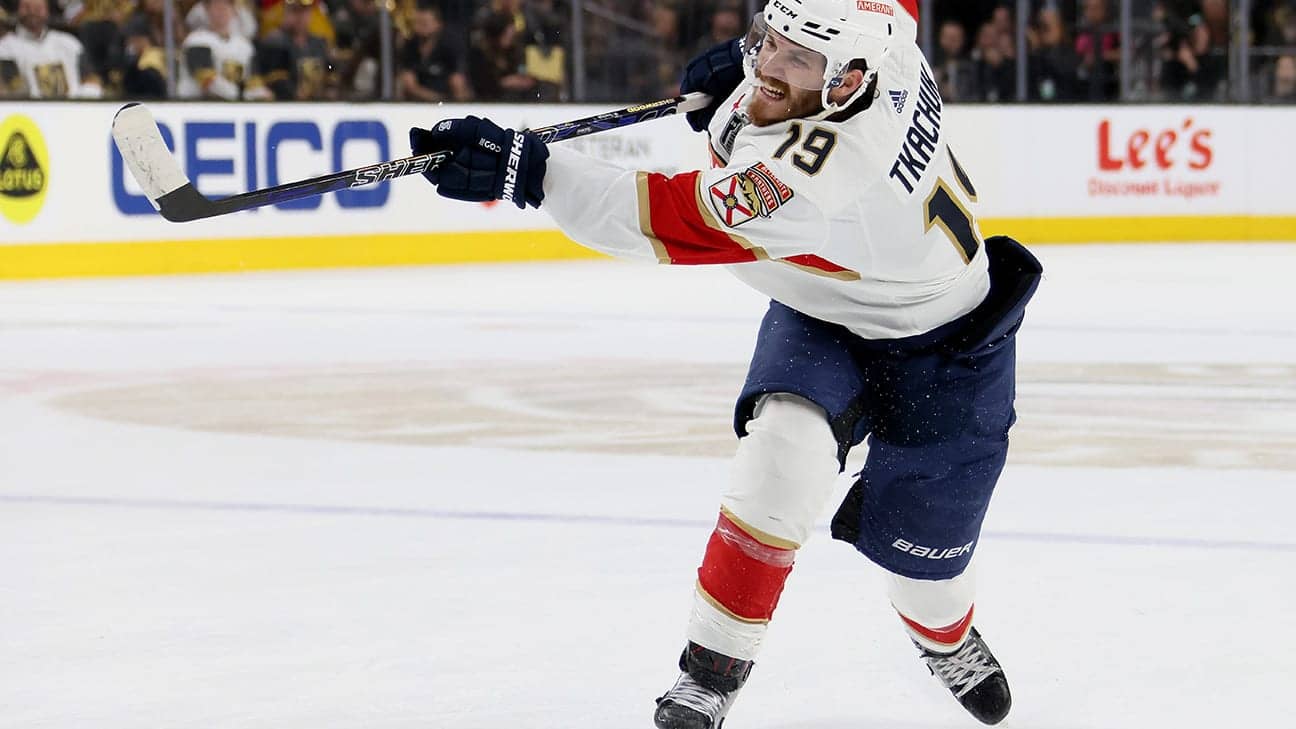
Brady Tkachuk Scores in Hostile Ottawa Return, but Senators Beat Panthers 5-1
5h ago
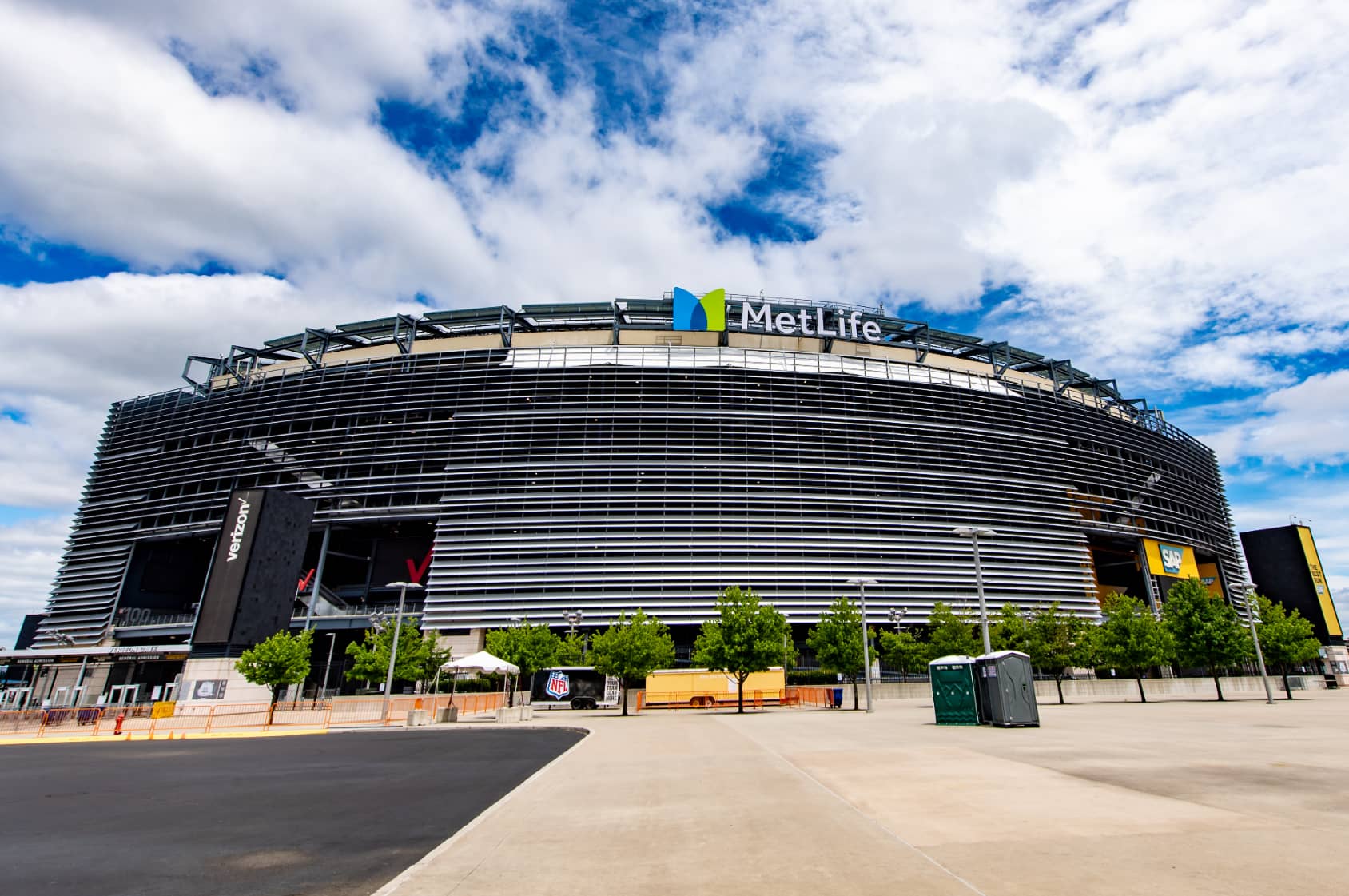
Winless Dolphins Visit Jets in Week 7 as Jeff Hafley Says Malik Willis 'Should Be Good'
21h ago
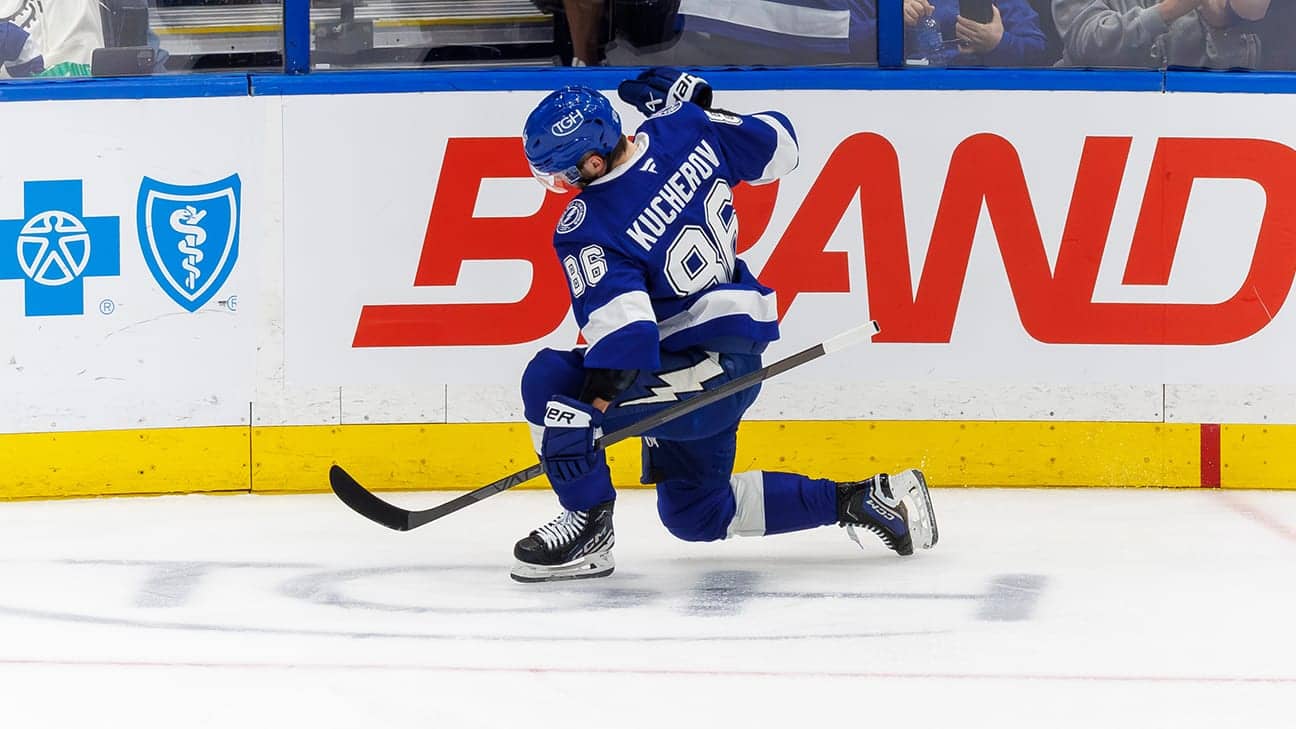
Nikita Kucherov Ties Steven Stamkos' Lightning Points Record as Tampa Bay Routs Golden Knights 6-2
1d ago

Florida Bar Places IT Employee on Leave Over Racist, Homophobic Messages Sent to Miami's Damon Wilson II
1d ago