Customs Rule That Could Cut Off Mailed Prescriptions From Canada for Florida Seniors Delayed to Jan. 20
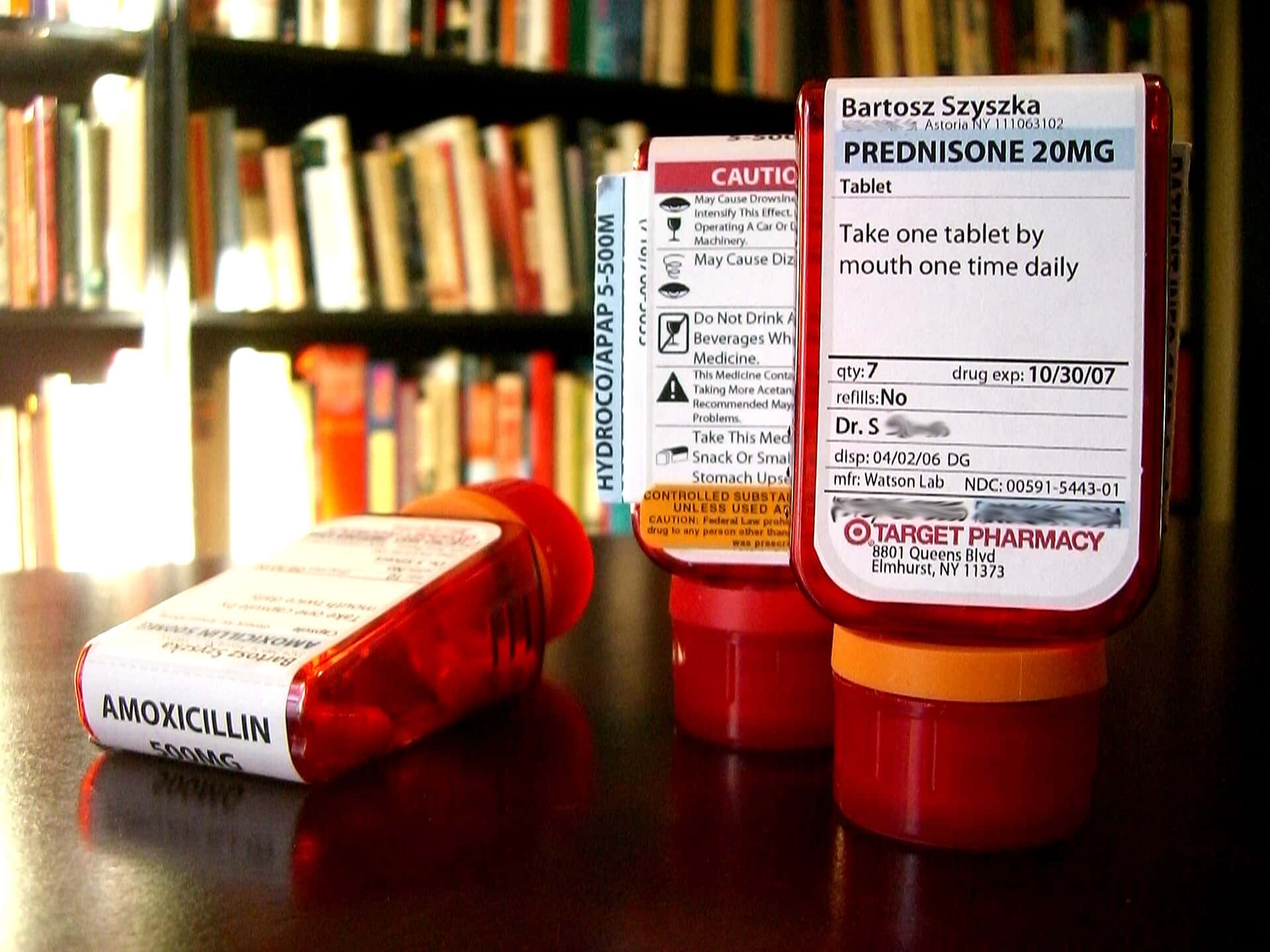
Florida seniors who fill prescriptions through Canadian mail-order pharmacies have three more months before a federal customs change could cut off those shipments. U.S. Customs and Border Protection has pushed back the compliance date for its new international mail entry process from Oct. 22, 2026, to Jan. 20, 2027, giving patients, pharmacies and shippers 90 more days before low-value mailed packages, including personal drug orders, must clear a more demanding customs process.
The agency announced the extension on Oct. 14. CBP's own bulletin says there will be no changes to international mail entry procedures before Jan. 20, 2027, according to trade advisers who summarized it, and the delay was reported by Reuters, STAT and KFF Health News. The rule itself was not withdrawn, so the underlying problem for Floridians who rely on cheaper drugs from abroad has been postponed, not solved.
What the rule does
CBP published the rule in the Federal Register on June 24 as an interim final rule titled the indefinite suspension of the de minimis exemption for mail shipments and a new postal informal entry. For decades, low-value packages, those under $800, could enter the country by mail without a customs broker, a bond covering unpaid duties, or a formal entry filing. The new process, known in the trade as Entry Type 13, requires additional data and a bond guarantee for each covered package.
CBP says the change is meant to protect tariff revenue and block trafficking in fentanyl and counterfeit goods. The rule applies to international mail generally, not to medicines specifically, and the agency's extension announcement did not address prescription drugs, according to Reuters. But Canadian pharmacies and patient advocates warned that the new data and bonding requirements would make it effectively impossible for individuals to keep receiving personal prescriptions by mail, and some pharmacies told customers in early October that orders placed after Oct. 9 might not arrive before the original cutoff.
The Food and Drug Administration officially bars individuals from importing foreign prescription drugs, but it has discretion to allow them in limited circumstances, according to Reuters. The Department of Health and Human Services referred questions about the delay to CBP, which did not immediately say whether a personal-use exemption is planned, Reuters reported.
Why Florida is especially exposed
Florida's large retiree population makes it one of the places where the change would be felt most. Ken Hunter, executive director of the Campaign for Personal Prescription Importation, estimates that more than 4 million Americans order medications from other countries each year, many of them seniors in places like Florida who take lifelong daily drugs, he told WKMG News 6 in Orlando. A 2020 study in JAMA Network Open put the number at about 2.3 million, AP reported.
Unlike residents of states along the northern border, Floridians cannot easily drive to Canada to buy medicines in person, a point three Florida Republicans in Congress made directly. Reps. Aaron Bean of Northeast Florida, Gus Bilirakis of the Tampa Bay area and Scott Franklin of Polk County wrote to the administration in September asking CBP and the FDA to make sure Floridians simply seeking relief from high drug prices will not be inadvertently affected by the rule, according to AP.
Separately, a letter signed by 71 members of Congress, led by Reps. Jan Schakowsky of Illinois and Mark Pocan of Wisconsin, asked agencies to delay the procedures for prescription medicines unless personal-use drugs could be assured entry, Reuters reported. Seven Florida House members signed letters urging the White House to pause and study the change, according to News 6.
What patients stand to lose
The savings at stake are substantial. Hunter's group found that a three-month supply of the blood thinner Eliquis, 180 five-milligram pills, costs about $565 from online Canadian pharmacies, compared with about $1,017 through Amazon's pharmacy and $1,029 through GoodRx.
Margo Chenault of Orlando told News 6 she uses Vyzulta, a glaucoma eye drop that she said costs about $500 a bottle in the United States and is not covered by her insurance. Ordering from a Canadian pharmacy saves her about 80%, she said, and she was placing an order for six more bottles, roughly a year's supply, before the original Oct. 22 deadline.
Hunter warned that patients who stop taking drugs such as Eliquis because of cost face higher risks of stroke and heart attack, and that Medicare and Medicaid could end up paying more to treat them. White House spokesperson Allison Schuster told AP that President Donald Trump remains dedicated to lowering the cost of prescription drugs.
Reaction to the delay
Merith Basey, chief executive of Patients For Affordable Drugs, called the delay a welcome reprieve but not a permanent solution, and said disrupting existing personal importation practices puts an important safety valve at risk, according to Reuters. Hunter's group has asked the administration to pause the rule for prescriptions and asked Congress to pass legislation protecting personal importation, saying the issue has become bipartisan.
Florida's own importation program still idle
The customs fight comes as Florida's separate state program to import cheaper drugs from Canada in bulk remains stalled. The Legislature passed a law in 2019 directing the Agency for Health Care Administration to set up the program, and the state sued the FDA and HHS in August 2022 over delays. The FDA approved Florida's plan in January 2024, the first state program to win approval.
Nearly three years later, the first shipments still have not arrived, News 6 reported this month. The program was designed initially for Medicaid recipients and other state-covered patients, not for individual consumers, and projected savings of up to $183 million in its first year, Fox 13 reported. Each drug must clear separate FDA approval, lab testing and compliance checks, and Canada's government must approve each shipment to confirm the drugs are surplus. The state has spent tens of millions of dollars, mostly on warehouses and logistics, according to Fox 13. AHCA said in 2025 it needed about $4 million a year to keep the effort alive.
That leaves the individual mail-order channel as the only route through which Florida residents currently get Canadian prices, which is why the CBP rule matters so much to the state's seniors.
What Floridians who buy drugs from Canada should know
For now, nothing changes: mail shipments of prescriptions can continue to enter under existing procedures until Jan. 20, 2027. Advocates suggest patients use the window to talk with their doctors about alternatives or generics, ask their pharmacies about the status of pending and future orders, and check whether the drug's manufacturer offers a patient assistance program.
What's next
The extension buys time for the pressure campaign from lawmakers in both parties and from patient groups seeking a carve-out for personal-use prescriptions. Whether CBP or the FDA creates one before Jan. 20 is the key question for Florida's Canadian mail-order customers. Without one, the cutoff that seniors braced for this month will arrive in the middle of winter, when many of the state's seasonal residents are back in Florida and far from the Canadian border.
Spotted an issue with this article?
Have something to say about this story?
Write us a letterComments
No comments yet. Be the first to weigh in.
Related Coverage

Cuba Says Florida-Based Speedboat Raiders Confessed and Face Terrorism Charges That Carry Death Penalty
1h ago

USDA's $8 Billion Harvest Fuel Relief: What Florida Growers and Fishermen Can Expect
18h ago

SpaceX Posts $4.4 Billion Profit on $14.6 Billion Revenue as Starship Readies for Florida Pads
19h ago

NOAA Weighs Reopening Part of Florida's Rare Oculina Bank Coral Reef to Shrimp Trawling
20h ago