Dolphins Wrap Mandatory Minicamp With a Clear Emphasis on Rebuilding the Secondary
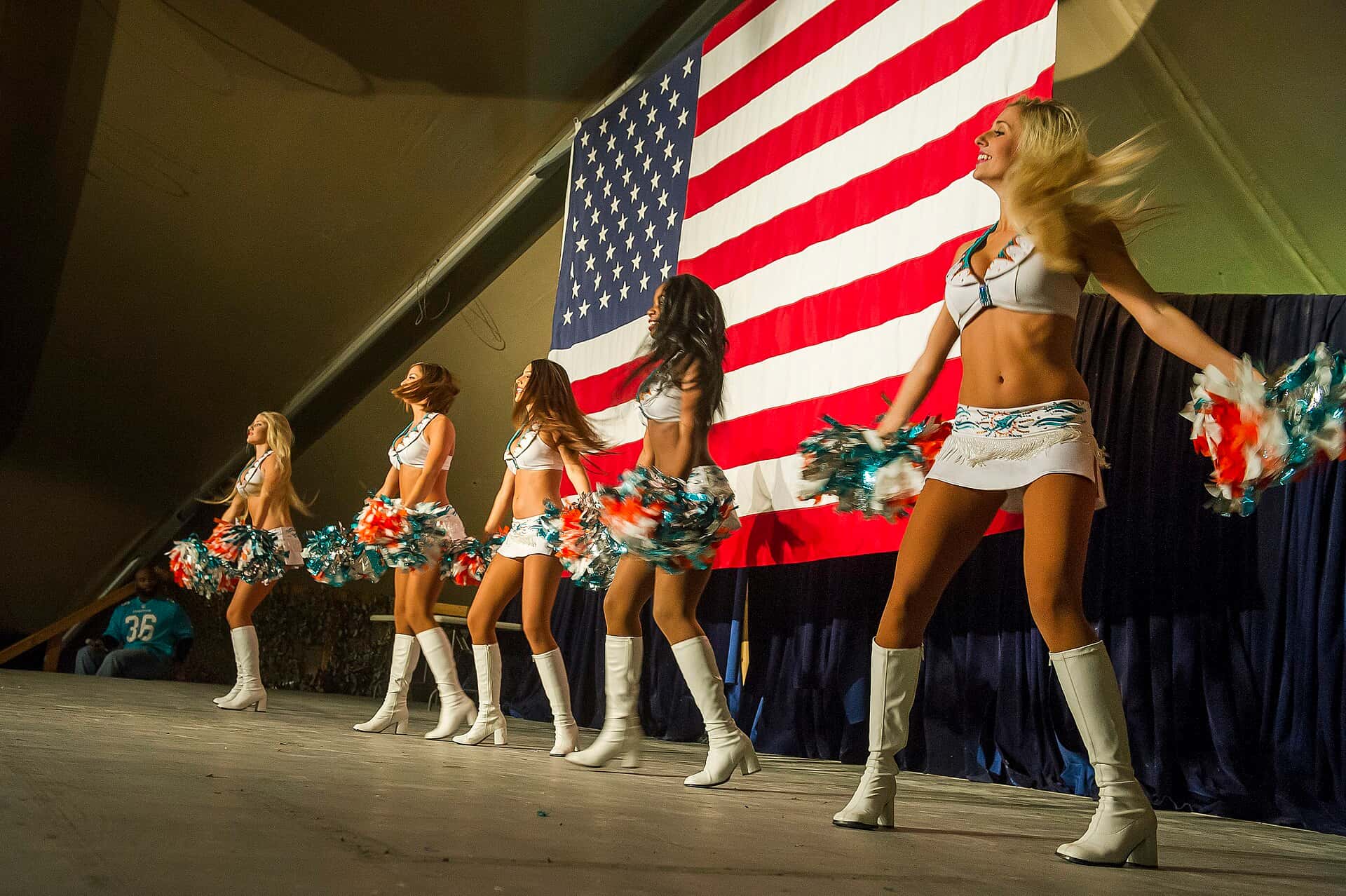
The Miami Dolphins closed out their mandatory minicamp this week with a competitive final practice and a clear sense of where the coaching staff is directing its attention. After three days of work at the Baptist Health Training Complex in Miami Gardens, the offseason program made plain that rebuilding and developing the secondary is the central project of this Dolphins offseason, with head coach Jeff Hafley setting the tone for how that unit will be coached. Minicamp marks the last time the full roster gathers before the longer break that precedes training camp, which lends the final sessions a sense of importance even though the work is conducted at a controlled tempo. For a team trying to establish an identity on defense, those final practices offered an early window into the priorities that will shape the months ahead.
A focus on the secondary
Miami placed a heavy emphasis on the secondary this offseason, and the minicamp reinforced that priority. Hafley made clear that his approach to developing the defensive backs centers on communication rather than criticism, a philosophy aimed at building the kind of cohesion and trust that successful coverage units require. In a position group where a single blown assignment can lead to a big play, communication is the foundation everything else is built on. Coverage in the modern game asks defensive backs to process a flood of information before the snap and to adjust instantly once the ball is in the air, and a unit that talks through those situations is far better equipped to stay organized when an offense tries to create confusion.
That coaching emphasis reflects a recognition that the secondary is an area Miami needs to solidify. Defensive backs must operate in lockstep, reading offenses, passing off receivers, and adjusting on the fly, and a unit that communicates well can mask individual limitations while a talented but disjointed group can break down. Hafley's stated preference for teaching over berating is designed to accelerate that chemistry. A coaching style built on instruction rather than intimidation tends to give younger players the confidence to play fast, and playing fast is essential in a phase of the game where hesitation is so often punished. The hope is that an environment focused on learning will help the group reach a level of trust that holds up under pressure once the games begin to count.
The work is as much about installation and habit-building as it is about evaluation. Offseason practices in shorts and helmets, without full contact, are ideal for drilling the mental side of the game, and Miami used the minicamp to lay the groundwork for the coverage concepts and communication standards it wants to carry into training camp and the regular season. Without the physical toll of full-contact work, players can repeat assignments and refine their pre-snap routines until the responses become automatic. That repetition is the quiet engine of an offseason program, and it is especially valuable for a secondary trying to develop the instincts and shared language that separate a reliable coverage unit from one prone to breakdowns.
There is also a strategic logic to leaning so heavily on the back end of the defense. The contemporary NFL is built around the passing game, and offenses increasingly attack through the air with formations, motions, and route combinations designed to stress coverage. A secondary that can communicate, adjust, and stay sound becomes a stabilizing force for the entire defense. By making the defensive backfield the central project of the offseason, the Dolphins are addressing the part of the field where modern offenses do the most damage.
New faces in the mix
The Dolphins also added to their roster during the stretch, announcing the signings of first-round cornerback Chris Johnson and fifth-round tight end Seydou Traore. The addition of a first-round cornerback aligns directly with the offseason emphasis on the secondary, signaling that Miami invested premium draft capital in the very area the coaching staff is working hardest to develop. When a team spends an early pick and dedicates its coaching focus to the same position group, the message is unmistakable: the secondary is the priority, and the resources are being directed accordingly.
For a rookie cornerback, the jump to the professional game is significant, and the offseason program is the first step in that transition. Learning the defense, adapting to the speed and precision of NFL receivers, and earning the trust of coaches and teammates all begin in practices like these. A first-round investment carries expectations, and how quickly the young corner absorbs the system will be a storyline to watch into camp. Cornerback is widely considered one of the hardest positions for a rookie to master, because the margin for error is so small and the receivers across from him are among the most polished athletes in the sport. The mental side, recognizing routes and understanding leverage and help, often takes longer to develop than the physical tools, which makes the offseason classroom work just as important as anything that happens on the field.
The tight end addition rounds out the offensive depth, giving the quarterbacks another target as they develop timing in the passing game. Roster construction in the spring is about both immediate competition and long-term development, and Miami's moves reflect attention to multiple position groups even as the secondary commands the spotlight. A versatile tight end can help an offense in the intermediate passing game while also contributing to the run, and adding depth at the position gives the staff flexibility as it sorts through its options. The signings together suggest a front office working to balance an urgent defensive need against the steady accumulation of depth that every roster requires over the course of a long season.
How these additions integrate will become clearer as the program advances, but the early signals are consistent with the broader plan. Miami appears intent on building a defensive backfield capable of holding up against the league's best passing attacks, and the arrival of a premium cornerback prospect is the most visible piece of that effort. The framework the team established during minicamp gives the newcomers a clear standard to meet.
The offense finds a rhythm
While the defense drew the headlines, the Dolphins offense showed signs of rhythm through the air during the minicamp. Wide receivers including Tutu Atwell, Malik Washington, and Jalen Tolbert were frequent targets on intermediate routes, the kind of throws that form the backbone of a consistent passing attack. Building chemistry between quarterbacks and receivers on those routes is a key offseason objective. The intermediate areas of the field, the throws that travel beyond the line of scrimmage but stop short of deep shots, are where timing and trust matter most, and an offense that can move the ball reliably in that range tends to sustain drives and control the tempo of a game.
The quarterback work included the natural ups and downs of spring practice. Malik Willis threw an interception on his first pass during one session but later capped another day with a 40-yard touchdown strike to tight end Ben Sims, a sequence that illustrates the experimental, developmental nature of offseason practices. Mistakes in June are part of the process, and the staff uses them as teaching moments rather than verdicts. The contrast between an early miscue and a later highlight throw captures exactly what these practices are for: experimentation, repetition, and growth, all in an environment where the consequences of a mistake are instructive rather than costly. Quarterbacks are encouraged to test windows and work through reads they might avoid in a regular-season game, and the lessons from those attempts carry forward.
The emphasis on intermediate passing suggests an offense working to establish reliable, repeatable connections before the stakes rise. Spring practices are where quarterbacks and receivers iron out the timing and spacing that make a passing game efficient, and the Dolphins appear to be prioritizing that foundation. Repetition on those routes builds the kind of anticipation that allows a quarterback to release the ball before a receiver comes out of his break, the small edge that often separates a completion from an incompletion. Establishing that rapport now is the groundwork for the sharper execution the offense will need when the practices speed up.
The Florida context
The Dolphins are one of three NFL franchises in Florida, sharing the state with the Tampa Bay Buccaneers and the Jacksonville Jaguars, and they remain one of the most followed sports teams in South Florida. The offseason program, while far from the drama of the regular season, draws close attention from a fan base eager for any indication of how the team is shaping up. Even practices conducted at a measured pace become news in a market that follows the team year-round, and the smallest developments in June can fuel weeks of conversation among supporters hungry for a sign of progress.
Football holds a special place in Florida's sports culture, from youth leagues and high school powerhouses to the college programs and the three professional teams. The Dolphins, as the longest-tenured of the state's NFL franchises, carry a deep history and a passionate following, and the rhythms of their offseason are a regular feature of the South Florida sports conversation. That history gives the franchise a reach across generations of fans, and it raises the level of interest in even the quietest stretches of the calendar. In a region with a crowded sports landscape, the Dolphins remain a constant, and their offseason storylines compete for attention alongside the other teams that share the market.
For Dolphins fans, the minicamp offered the first real look at how the new pieces fit and where the coaching staff is concentrating its energy. The emphasis on the secondary and the early development of a first-round cornerback give supporters concrete storylines to follow as the long buildup to the season continues. Those early threads, the coaching philosophy, the rookie additions, and the offense searching for rhythm, give the fan base a framework for what to watch in the months ahead and a sense of the direction the team is trying to establish before the season arrives.
What's next
With mandatory minicamp complete, the Dolphins now enter the quieter portion of the offseason before training camp opens in late July. The break gives players time to recover and continue conditioning on their own, while the coaching staff evaluates the spring work and refines its plans for camp, when pads come on and the competition intensifies. That stretch away from the facility is when individual players are expected to keep themselves in shape and arrive ready to compete, and the staff uses the time to study the spring film and shape the install for the more demanding sessions to come.
Training camp will be the real test of whether the offseason emphasis on the secondary translates into improved play, and whether the rookie additions can earn meaningful roles. The intermediate passing game that showed promise in the spring will face stiffer challenges once full-speed practices begin. The arrival of pads changes everything, introducing the physical element that no offseason practice can replicate and revealing which players are ready to hold up against live competition. The communication standards the secondary worked to establish will be tested by an offense moving at full speed, and the answers that emerge will say a great deal about how far the unit has come.
For now, the Dolphins leave minicamp with a defined priority and a clear coaching philosophy, and South Florida fans have a framework for what to watch when the team reconvenes in late summer. The offseason offered a blueprint more than a verdict, a sense of where the staff is concentrating its energy rather than a measure of how the season will unfold. The questions that matter most, whether the secondary can come together and whether the young additions can contribute, will be answered in the heat of training camp.
Spotted an issue with this article?
Have something to say about this story?
Write us a letterComments
No comments yet. Be the first to weigh in.
Related Coverage

UCF Hosts No. 2 BYU in Highest-Ranked Visit in Bounce House History as Knights Seek Homecoming Upset
3h ago
Brady Tkachuk Scores in Hostile Ottawa Return, but Senators Beat Panthers 5-1
8h ago
Winless Dolphins Visit Jets in Week 7 as Jeff Hafley Says Malik Willis 'Should Be Good'
1d ago
Nikita Kucherov Ties Steven Stamkos' Lightning Points Record as Tampa Bay Routs Golden Knights 6-2
1d ago