Epic Universe Adds a Nightly Spectacular as Orlando's Park War Intensifies
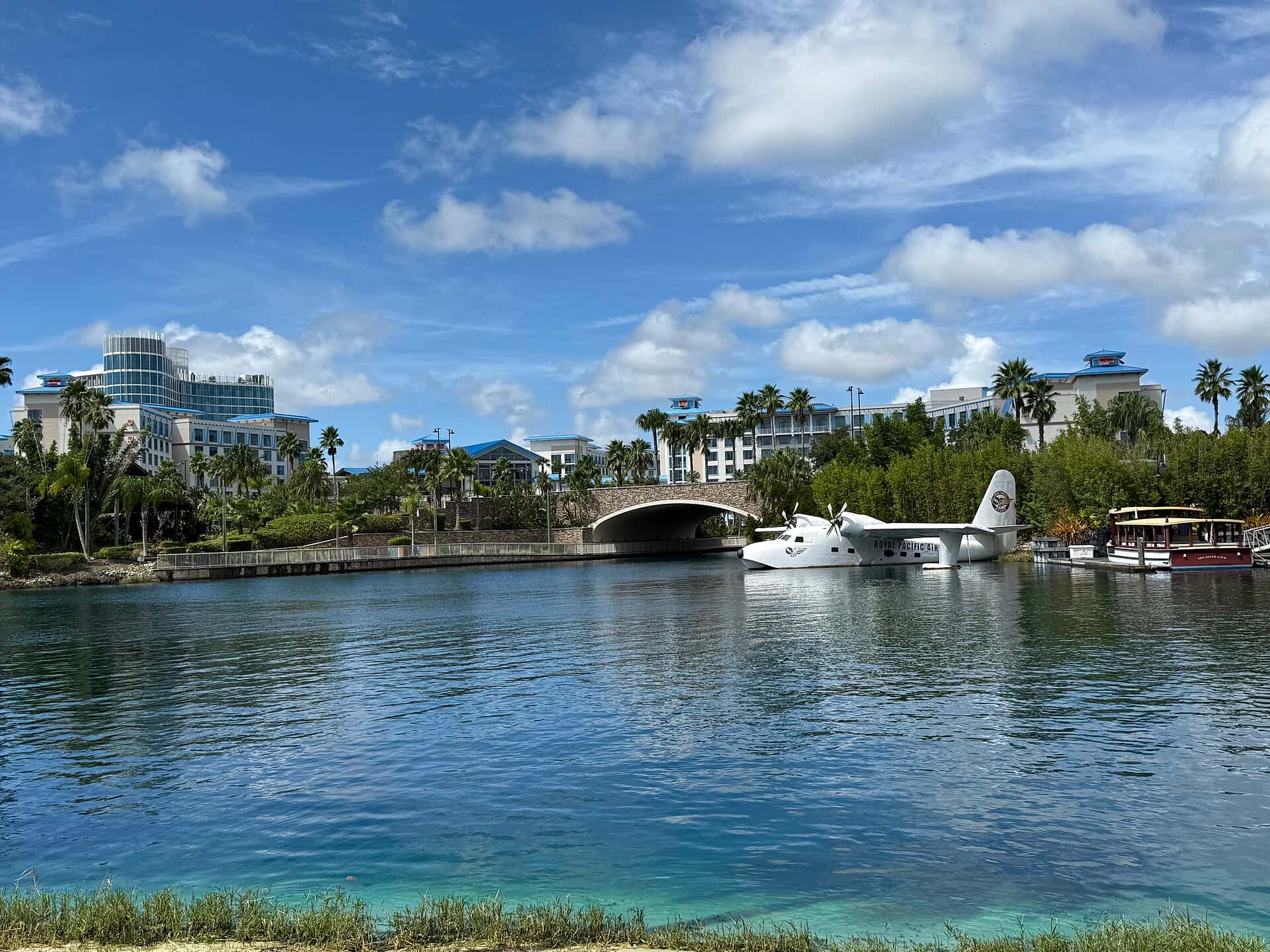
Universal Orlando has added a nightly spectacular to Epic Universe, the theme park that opened in 2025 and celebrated its first anniversary in May. The show, Universal Celestial Goodnight, debuted July 7 and runs nightly in Celestial Park, the central hub area that connects the park's themed worlds.
The production is built around water, light, and pyrotechnics rather than a projection-based narrative. Universal has described it as featuring 600 synchronized lights, more than 350 fountains, and 7 million LED lights distributed across Celestial Park, culminating in a fireworks finale.
The show draws on characters and settings from across the park's lands, including Super Nintendo World, How to Train Your Dragon Isle of Berk, The Wizarding World of Harry Potter Ministry of Magic, and Dark Universe. That structure serves a specific purpose: it gives guests a reason to remain in the park through closing rather than departing after their last ride.
Why a nighttime show matters
Nighttime spectaculars are not decorative additions in the theme park business. They are operational and financial instruments. A park that closes without a capstone event loses guests through the late afternoon, and every hour a guest remains represents additional food, beverage, and merchandise revenue.
Walt Disney World has understood this for decades. Magic Kingdom's fireworks over Cinderella Castle function as the park's defining image and its scheduling anchor. EPCOT, Hollywood Studios, and Animal Kingdom each carry their own evening productions. Universal's older Orlando parks have run evening shows in various forms.
Epic Universe opened without one, which was noticeable given the park's ambition and its position as the first new major theme park gate in Orlando in decades. Adding the show in the second year addresses a structural gap in the guest experience.
The design decision to build the show around Celestial Park rather than a single castle-style focal point reflects the park's layout. Epic Universe is organized around a central garden space from which the themed worlds branch, a plan that differs from the hub-and-spoke design of Magic Kingdom.
What Epic Universe changed in Orlando
Epic Universe's opening in May 2025 represented the largest capital investment in Orlando's theme park sector in years and shifted the competitive dynamic in a market that Disney had dominated by sheer scale.
The park added a fourth major Universal gate to the destination, alongside Universal Studios Florida, Islands of Adventure, and the Volcano Bay water park. That count changes the calculation for visitors planning trips, because a Universal-only itinerary can now fill more days than it previously could.
Hotel development accompanied the park, expanding Universal's on-property room inventory. On-site accommodation is strategically significant in Orlando because guests staying on property tend to spend more within the resort and are less likely to divide their days between competitors.
For Central Florida's economy, the investment has meant construction employment during development and permanent operating positions since. Orange and Osceola counties collect tourist development tax revenue on lodging, which funds convention facilities, tourism marketing, and in recent years has been debated for broader uses.
The competitive picture
Walt Disney World has responded with its own investment program, having announced expansion plans across its four parks. The competitive escalation benefits Orlando as a destination even as it raises costs for both operators.
SeaWorld Orlando and Busch Gardens Tampa Bay occupy a different tier, competing on roller coaster development and on annual pass value rather than on overall scale. Legoland Florida in Winter Haven targets a younger demographic.
Pricing has become a persistent point of friction across the market. Single-day admission at Orlando's major parks now exceeds $100 before add-ons, and express or lightning-lane products that reduce wait times carry separate charges. Universal's decision to remove Hagrid's Magical Creatures Motorbike Adventure from the Express program on July 1 is an example of how operators continually adjust those offerings.
Tourism's weight in the Florida economy
Tourism remains one of Florida's foundational industries, supporting hundreds of thousands of jobs statewide and drawing well over 100 million visitors annually in recent years. Central Florida's theme park corridor is the single largest concentration of that activity.
The employment effects extend well past the parks themselves. Hotels, restaurants, transportation services, retail, and the vacation home rental market across Orange, Osceola, and Lake counties depend substantially on theme park visitation.
That dependence carries risk. Tourism is sensitive to economic conditions, to fuel and airfare prices, and to weather. Hurricane season overlaps with a significant portion of the visitation calendar, and park closures during storms produce immediate revenue effects.
Florida's tax structure amplifies the importance of the sector. Without a state income tax, Florida relies heavily on sales tax, a meaningful share of which is paid by visitors. Tourism weakness translates into state revenue pressure relatively quickly.
What summer visitors should know
Late July and August represent one of Orlando's more challenging visiting periods. Heat and humidity peak, with heat advisories issued frequently across Central Florida this month, and afternoon thunderstorms are a near-daily feature of the climate, though the recent heat pattern has suppressed some of that convective activity.
Guests planning to stay for a nighttime show should account for the full day's heat exposure. Standard guidance from parks and from public health agencies includes steady hydration, use of shaded and indoor attractions during peak afternoon heat, and awareness of heat illness symptoms.
Lightning is a specific Florida hazard. Parks suspend outdoor attractions and sometimes evening shows when lightning is within a defined radius, which means a scheduled fireworks finale is weather-dependent. Visitors building an itinerary around a specific show should have a flexible plan.
The employment picture
Universal Orlando is among Central Florida's largest employers, and Epic Universe's opening expanded that workforce substantially across operations, food service, merchandise, entertainment, and technical positions.
Adding a nightly production creates a distinct category of employment in show operations, technical direction, and maintenance. A show involving hundreds of fountains, extensive lighting infrastructure, and pyrotechnics requires ongoing technical staffing rather than a one-time installation.
Hospitality wages in Central Florida have been a persistent regional issue, with housing costs in Orange and Osceola counties rising faster than service sector pay over recent years. The affordability gap has affected worker recruitment across the tourism corridor.
How Epic Universe is laid out
Epic Universe departs from the conventional theme park plan in ways that shape how the new show functions. Rather than a single entry corridor leading to a central icon, the park is organized around Celestial Park, a landscaped hub with water features and gardens that serves as both an arrival area and a destination in itself.
From that hub, guests pass through portals into distinct worlds. Super Nintendo World brings interactive elements built around video game properties. How to Train Your Dragon Isle of Berk is themed to the animated film series. The Wizarding World of Harry Potter Ministry of Magic extends Universal's most commercially successful themed environment. Dark Universe draws on classic monster properties.
The design places the park's most heavily landscaped and least intellectual-property-driven space at the center, which is unusual. Most parks reserve the central position for their strongest branded asset. Building the nighttime show around Celestial Park uses that central space for something it had not previously been used for.
The practical effect is that the show is visible from a large area rather than requiring guests to gather at a single viewing location, which changes crowd flow at closing time relative to a castle-facing fireworks show.
The Orlando visitor economy
Orange County collects a tourist development tax on short-term lodging, and the revenue it generates is among the largest such streams in the country. Those funds are statutorily directed toward tourism-related purposes including convention facilities, marketing, and, following legislative changes, a broader set of eligible uses.
The scale of that revenue is a direct function of hotel occupancy, which tracks theme park attendance closely. A new park that extends the average length of stay raises occupancy across the destination rather than only at the operator's own hotels.
Osceola County, immediately south of Orange, captures a substantial share of vacation home and short-term rental activity, particularly along the U.S. 192 corridor. That segment serves larger family groups for whom hotel rooms are impractical, and it has grown considerably over the past decade.
The employment base supporting all of this extends across hospitality, transportation, retail, and food service. Central Florida's labor market is more concentrated in these occupations than most large U.S. metropolitan areas, which shapes regional wage levels and makes the area's economy sensitive to travel demand.
What competition has meant for guests
The escalation between Orlando's operators has produced genuine benefits for visitors alongside rising costs. Capital investment has raised the technical standard of attractions substantially, and the pace of new development has accelerated relative to the period when Disney faced less direct competition at scale.
Operational improvements have followed as well. Virtual queue systems, mobile ordering, and app-based park navigation have become standard, driven partly by competitive pressure and partly by the operational necessity of managing large crowds.
The cost side is where the pressure falls on families. Multi-day admission, on-site lodging, express access products, and food and merchandise spending compound quickly, and Orlando trips have become a significant household expenditure for families traveling from out of state.
Annual passes remain the mechanism through which Florida residents access the parks at a manageable per-visit cost, and resident pricing is a standing feature of the market. Local passholders visit differently than destination guests, often for a few hours rather than a full day, which affects how operators think about capacity and about show scheduling.
What's next
Universal has additional development in progress across its Orlando properties, and the company's broader portfolio includes projects outside Florida that will shape where future investment flows.
For Epic Universe specifically, the second year is when a new park's performance becomes clearer. Opening-year attendance is inflated by novelty, and year-two figures give a better read on whether the park has established durable demand.
The nightly show will be tested through the fall and into the holiday season, when Orlando's parks compete most directly through seasonal programming and when attendance patterns differ substantially from the summer.
Spotted an issue with this article?
Have something to say about this story?
Write us a letterComments
No comments yet. Be the first to weigh in.
Related Coverage

Orphaned Pacific Walrus Calf Annautaq, Rescued From an Alaska Beach, Arrives at SeaWorld Orlando
21h ago

St. Petersburg Gears Up for World Series at Tropicana Field: Security, Block Parties and a Mayor's Race
2d ago

St. Pete Pride Asks Supporters to Raise $289,000 by Nov. 30 to Erase Its Deficit Before the 25th Anniversary
6d ago

Joe Redner, Tampa's 'Strip Club King' and longtime courtroom combatant, dies at 86
Oct 17