Epic Universe Marks First Year as Universal Adds After-Hours Nights Event
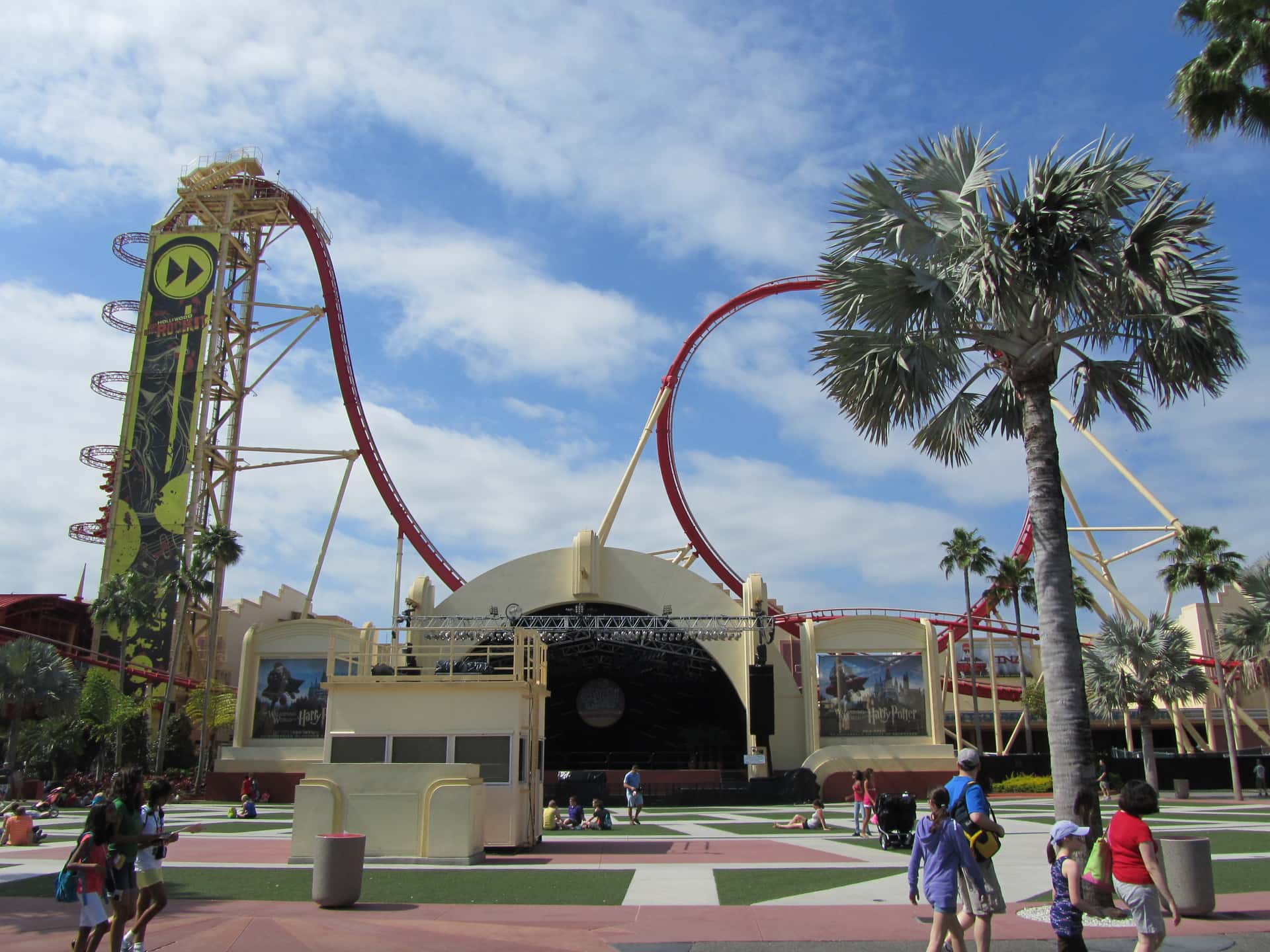
Universal Orlando Resort is expanding the programming around Epic Universe as the park closes out its first year of operation, announcing an after-hours event called Universal Nights alongside a passholder appreciation period that runs from mid-August through the end of September. The moves come as Central Florida's newest major theme park settles into a seasonal operating rhythm.
Tickets for Universal Nights at Epic Universe go on sale August 13. The event runs from 9 p.m. to midnight on scheduled dates, with guests able to enter as early as 7 p.m., a window that includes Celestial Goodnight, the park's nightly fireworks and projection show that debuted July 7.
Separately, Universal Orlando is running 2026 Passholder Appreciation Days from August 15 through September 30. The period opens with two after-hours Passholder Nights at Universal Studios Florida on August 15 and 16.
A first year of unusual scale
Epic Universe opened as the largest single theme park investment in Central Florida in decades, and its first year has been closely watched as an indicator of whether the Orlando market could absorb substantial new capacity without simply redistributing existing attendance.
The park recorded its busiest day ever earlier in 2026, with the heaviest crowds and highest posted wait times since opening. That peak demonstrated the ceiling of demand under favorable conditions, though single-day records are a limited measure of sustained performance.
Coverage of the park's first anniversary has emphasized its technical ambitions, including drone-based show elements, wearable interactive devices and wand-driven experiences that extend the interactive model Universal developed in its Wizarding World areas.
Universal has also adjusted operating hours downward for Epic Universe on the September calendar, a cutback consistent with the shoulder season that follows the summer travel peak and precedes the fall holiday period. Theme parks routinely compress hours during low-demand windows.
The annual pass question
The most persistent point of friction between Universal and its local customer base has been Epic Universe access for annual passholders. A Universal Orlando Annual Pass still does not include admission to Epic Universe, and passholders instead receive discounts of up to 40 percent on select dated add-on tickets.
That structure separates Epic Universe from the resort's other three gates, Universal Studios Florida, Islands of Adventure and Volcano Bay, in the pass hierarchy. For Central Florida residents who hold passes primarily to make frequent short visits, an add-on requirement changes the calculation substantially.
Universal has signaled updates to Epic Universe annual pass arrangements, and coverage this summer has anticipated a period of elevated crowds tied to those changes. The specifics of what any revised pass product would include have been the subject of considerable speculation among Central Florida passholders.
The passholder appreciation programming announced for August and September appears aimed at that local audience, with the two after-hours Passholder Nights at Universal Studios Florida offering exclusive access outside regular operating hours.
The competitive picture in Central Florida
Walt Disney World remains the dominant operator in the Orlando market by attendance and by hotel room inventory, and its response to Epic Universe has been watched as closely as the new park's own performance. Coverage this year has noted Disney taking a different public tone on Epic Universe as 2026 bookings developed.
The practical competitive effect of a new major park is generally to lengthen average stays rather than simply to shift market share. A visitor who previously planned a four-day Orlando trip may plan five or six days to accommodate an additional gate, which benefits hotels, restaurants and ancillary operators across the region regardless of which parks are visited.
SeaWorld Orlando and Busch Gardens Tampa operate in the same regional market at a different scale, and both have historically competed on annual pass value with Florida residents rather than on destination visitation.
Central Florida's tourism economy supports a large share of regional employment, and theme park capacity expansion drives hiring across hospitality, food service, retail and transportation in Orange and Osceola counties.
What it means for Florida visitors
For Florida residents planning a visit, the practical calendar matters. Universal Nights tickets go on sale August 13 for an event that runs 9 p.m. to midnight on scheduled dates, with 7 p.m. entry. After-hours events typically carry separate pricing from daytime admission.
Passholder Appreciation Days run August 15 through September 30, a window that overlaps with the post-summer shoulder season when park attendance typically declines after school districts across Florida and the Southeast reopen. Florida schools return August 10 for most districts.
September's reduced Epic Universe operating hours mean visitors planning fall trips should check the operating calendar rather than assuming the summer schedule. Compressed hours affect ride availability and the timing of nighttime entertainment.
Heat remains a practical consideration through the summer. Heat advisories have covered much of Central and South Florida this week with heat index values reaching 105 to 110 degrees, and a Saharan dust plume has suppressed the afternoon thunderstorms that normally provide brief relief in Orlando.
Local impact across the state
Orange and Osceola counties absorb the most direct economic effect. Theme park employment, tourist development tax collections and hotel occupancy in the International Drive and Lake Buena Vista corridors all respond to park attendance and capacity.
Tourist development tax revenue funds convention center operations, destination marketing and, under Florida statute, certain infrastructure and venue uses. Orange County collects among the largest tourist development tax volumes of any Florida county.
Central Florida's housing market interacts with the tourism economy through workforce demand. The Orlando metro's housing inventory has run roughly 41 percent above pre-pandemic norms, and neighboring Lakeland's inventory is 69 percent above its baseline, both markets that supply theme park workforce housing.
Statewide, Florida's tourism economy extends well beyond Orlando to the cruise ports at PortMiami, Port Everglades, Port Canaveral and Port Tampa Bay, and to beach destinations from the Panhandle to the Keys. Orlando's performance is the largest single component but not the whole picture.
The economics of after-hours events
After-hours events have become a standard tool across the theme park industry, and the reasons are straightforward. A park that is already staffed and operating can extend hours with relatively modest incremental cost while charging a separate admission, which produces favorable margins.
The events also solve a capacity problem. Selling a limited number of after-hours tickets creates a low-crowd experience that guests value precisely because daytime wait times can be substantial. That scarcity is the product being sold as much as the additional hours.
For operators, after-hours events shift demand out of peak daytime periods, which improves the experience for daytime guests as well. That redistribution has real operational value at a park still calibrating its capacity management in its first full year.
Universal Nights running 9 p.m. to midnight with 7 p.m. entry gives ticket holders five hours in the park, with the overlap period allowing them to experience Celestial Goodnight before the exclusive window begins. That structure is common in the industry and maximizes perceived value.
Central Florida's tourism cycle
Orlando's tourism calendar has predictable rhythms that shape operating decisions. Summer is the peak family travel season, driven by school schedules across the country. The period immediately after school districts reopen, which for most Florida districts is August 10, marks the beginning of a demand trough.
That trough is why Universal reduced Epic Universe operating hours on its September calendar. Compressed hours during low-demand periods reduce labor cost while maintaining the guest experience for the smaller crowds present.
The fall brings a distinct demand pattern driven by seasonal events rather than by school vacation. Halloween programming across Central Florida operators, including Universal's Halloween Horror Nights, converts a shoulder season into a high-revenue period with a substantially local and regional audience.
The holiday period from late November through early January returns to family destination travel. Between those peaks, the market depends heavily on Florida residents, which is why annual pass structures and passholder programming carry outsized commercial importance for Central Florida operators.
The workforce behind the gates
Theme park operations in Central Florida employ tens of thousands of people across attractions, food and beverage, retail, custodial, entertainment, maintenance and technical roles. Adding a fourth major gate expanded that workforce substantially.
The staffing model relies heavily on part-time and seasonal roles, which allows operators to scale labor to demand across the seasonal cycle. That flexibility is efficient operationally and produces income volatility for workers whose hours fluctuate with park attendance.
Housing costs are the pressure point. Orlando's inventory has run roughly 41 percent above pre-pandemic norms and neighboring Lakeland's 69 percent above, which has moderated price pressure relative to South Florida but has not resolved the gap between hospitality wages and area housing costs.
Transportation compounds the issue. Many theme park workers commute from Osceola and Polk counties, where housing is more attainable, and Central Florida's transit network serves those corridors incompletely. Reduced operating hours during shoulder seasons translate directly into reduced hours for the workforce that depends on them.
What's next
Universal Nights tickets go on sale August 13, and the event calendar will determine how many dates the resort schedules through the fall. After-hours events are typically capacity-limited and priced separately.
Passholder Appreciation Days conclude September 30. Whether Universal announces revised Epic Universe annual pass access as part of that period is the question most Central Florida passholders are tracking.
The fall and holiday season brings Universal's seasonal programming, including Halloween Horror Nights at Universal Studios Florida, which has historically been the resort's highest-demand seasonal event and a significant driver of local and regional visitation.
Attendance figures for Epic Universe's first full year will not be publicly confirmed until industry estimates are published, typically well after the fact. Those figures will be the clearest indicator of whether the park met the expectations set at its opening.
Spotted an issue with this article?
Have something to say about this story?
Write a letter to the editor