Florida Confirms a Dengue Death as Hillsborough County Drives One of the Worst Outbreaks on Record
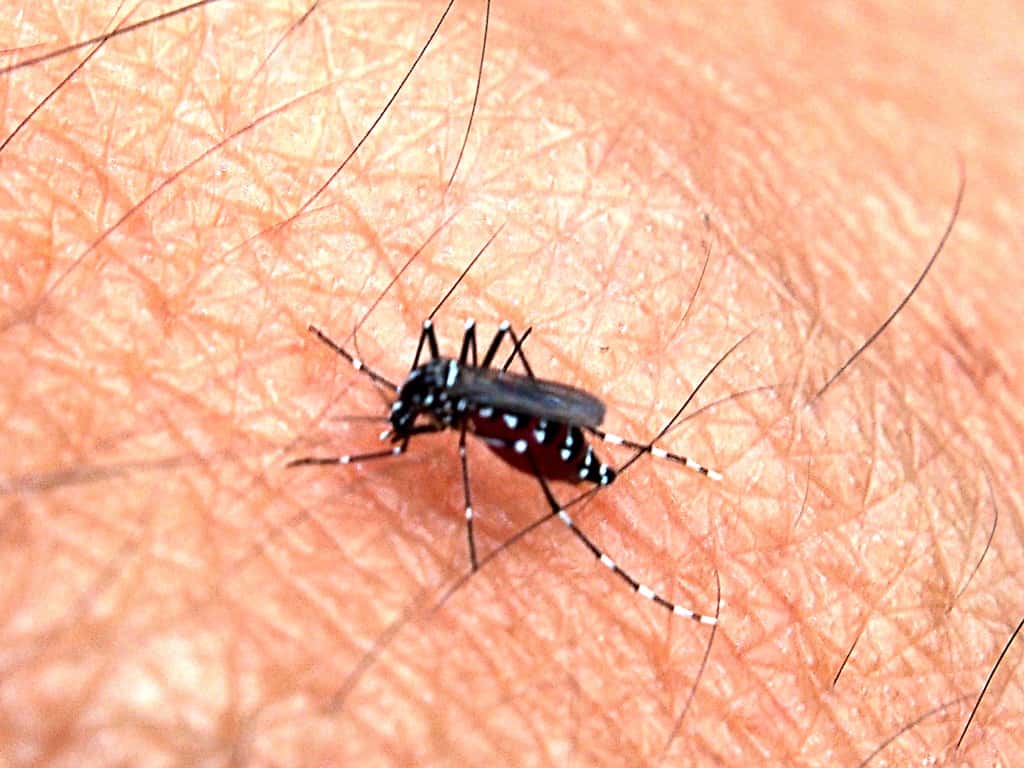
The Florida Department of Health has confirmed a death from dengue fever as the state works through one of its worst outbreaks of the mosquito-borne illness in decades. The confirmation, announced in September, involves an 80-year-old Tampa woman who died September 4 at Tampa General Hospital.
Her death certificate lists dengue infection, sepsis and multi-organ failure as the cause. It is the clearest indication yet that this year's outbreak has moved beyond the mild, self-limiting cases that make up the majority of dengue infections.
Florida has recorded 152 locally acquired dengue cases in 2026, the second-highest total on the state's record behind the nearly 200 cases reported in 2023. More than 130 of this year's locally acquired cases have been reported in Hillsborough County, a jurisdiction that typically records only a handful.
Why Hillsborough County
The concentration in Hillsborough is the outbreak's defining feature. A county that ordinarily sees single-digit local transmission has accounted for the overwhelming majority of the state's cases this year, which points to sustained local mosquito-to-human transmission rather than isolated introductions.
Locally acquired means the patient contracted the virus from a mosquito in Florida rather than while traveling abroad. Travel-associated cases occur every year in Florida and are not unusual. Sustained local transmission is a different and more concerning pattern.
Once local transmission establishes itself in a neighborhood, the cycle can be self-reinforcing. An infected person is bitten by a local mosquito, that mosquito infects others nearby, and the affected area expands outward from the initial cluster.
County mosquito control operations respond to confirmed cases with targeted treatment and inspection in the surrounding area, a labor-intensive process that depends on rapid case reporting.
The mosquito behind it
Dengue is transmitted by Aedes aegypti, a mosquito that differs from the species most Floridians associate with summer evenings. It bites primarily during daylight hours, prefers to live close to people, and breeds in very small amounts of standing water.
That last characteristic is what makes control difficult. A bottle cap, a plant saucer, a clogged gutter or a discarded container can hold enough water to produce mosquitoes, which means control efforts depend heavily on residents eliminating breeding sites on their own property.
A warm, wet summer across the Tampa Bay region allowed the population to multiply faster than usual this year. Parts of South Florida recorded 10 to 20 inches of rain in September alone, and the Tampa area has seen its own extended wet period.
Researchers have also documented a gradual expansion of the range in which Aedes aegypti can survive year-round, a trend attributed to warming temperatures.
What dengue does
Roughly three out of every four people infected with dengue never develop symptoms at all. That means the confirmed case count almost certainly understates the true number of infections substantially.
Among those who do become ill, the typical presentation includes high fever, severe headache, pain behind the eyes, joint and muscle pain, nausea and rash. The joint pain is severe enough that the illness has historically been called breakbone fever.
A small proportion of cases progress to severe dengue, which can involve plasma leakage, severe bleeding and organ impairment. Severe dengue is a medical emergency and requires hospital care.
Risk of severe disease is higher among older adults, people with certain underlying conditions and people experiencing a second dengue infection with a different viral serotype. There is no specific antiviral treatment; care is supportive and focuses on fluid management.
What health officials are asking residents to do
The standard guidance from Florida health authorities centers on two things: preventing bites and eliminating breeding sites.
Bite prevention means using repellents registered with the Environmental Protection Agency, wearing long sleeves and long pants where practical, and ensuring window and door screens are intact. Because Aedes aegypti bites during the day, evening-only precautions are insufficient.
Source reduction means draining standing water weekly from anything on a property that can hold it: bird baths, plant saucers, buckets, tarps, tires, toys, boat covers, gutters and pool covers. Mosquito control districts consistently identify residential properties as the primary breeding source in urban dengue outbreaks.
Residents who develop fever with severe headache and joint pain, particularly in affected areas, are advised to contact a health care provider and mention possible dengue exposure so that appropriate testing can be ordered.
The 2023 comparison
Florida's record year for locally acquired dengue was 2023, with nearly 200 cases. That outbreak was more geographically distributed, with clusters in multiple counties rather than a single dominant one.
This year's pattern is more concentrated, which has both advantages and disadvantages for control. A single focus area allows resources to be directed efficiently. It also means that if transmission is not interrupted there, case counts can continue climbing rapidly.
The season is not over. Mosquito activity in Florida continues well into the fall, and the state's wet pattern has persisted through September. Health officials generally expect case counts to continue accumulating until sustained drier and cooler conditions arrive.
The broader public health picture
Dengue is not Florida's only mosquito-borne concern. The state monitors for West Nile virus, eastern equine encephalitis, chikungunya, Zika and malaria, and county health departments issue mosquito-borne illness advisories when local transmission is detected.
Florida's combination of climate, international travel volume and urban density makes it among the most exposed states in the country for introduced tropical diseases. Miami International Airport and Orlando International Airport both handle large volumes of travelers from regions where dengue is endemic.
The state also reported its first measles case of 2026 in Central Florida earlier this year, an unrelated matter but one that reflects the range of infectious disease monitoring Florida health authorities maintain.
Mosquito control in Florida is funded and operated largely at the county and special district level, which means capacity varies considerably across the state.
How local transmission gets established
Dengue does not spread directly from person to person. It requires a mosquito vector, which means every chain of local transmission begins with an infected person being bitten by a local Aedes aegypti mosquito that subsequently bites someone else.
That typically starts with a traveler returning from a region where dengue circulates widely, including parts of the Caribbean, Central and South America, and Southeast Asia. Most such introductions go nowhere, because the returning traveler is not bitten by a competent vector during the window when the virus is present in their blood.
When conditions align, the chain establishes. Dense housing, abundant breeding sites and a large local mosquito population all raise the odds, which is why urban neighborhoods rather than rural areas generally see clusters.
Once established, a cluster can persist for weeks or months until mosquito control efforts, seasonal change or population immunity interrupt it.
What mosquito control does
Florida's mosquito control operations are organized at the county level and through independent special districts, and their response to a confirmed dengue case follows a standard sequence.
Investigators identify the likely exposure location and establish a treatment radius around it. Crews conduct door-to-door inspections looking for breeding containers, apply larvicide to water that cannot be drained, and treat adult mosquito populations in the area.
Public outreach accompanies the field work, because the majority of Aedes aegypti breeding happens on private residential property where control crews need permission to access. Without resident cooperation, treatment effectiveness drops significantly.
Surveillance traps placed throughout the treatment area let districts measure whether the local population is declining, which determines whether additional rounds are needed.
Why older adults face higher risk
The confirmed Florida death involved an 80-year-old patient, and age is a recognized risk factor for severe outcomes from dengue. Older adults are more likely to have underlying cardiovascular, kidney or metabolic conditions that complicate the fluid management central to dengue treatment.
Severe dengue involves plasma leaking out of blood vessels, which can produce shock if not managed carefully. Treating it requires precise fluid balance, and patients with heart or kidney disease have narrower margins for error in that process.
Sepsis and multi-organ failure, both listed on the Tampa patient's death certificate, are among the ways severe dengue progresses when the initial illness is not controlled.
Health authorities generally advise that older adults and people with chronic conditions who develop dengue-consistent symptoms seek medical evaluation promptly rather than waiting to see whether the illness resolves.
The undercount problem
Because roughly three quarters of dengue infections produce no symptoms, confirmed case counts capture only a fraction of actual transmission. The 152 locally acquired cases Florida has recorded this year likely represent several times that number of infections.
Testing patterns compound the gap. A patient with a mild fever who never seeks care is never tested, and a patient who does seek care may not be tested for dengue unless the provider considers it, which is more likely in areas with a known outbreak than elsewhere.
That means the concentration of cases in Hillsborough County reflects both genuine transmission and heightened clinical awareness there. Areas without a recognized cluster may be undertesting.
Public health surveillance accounts for this by tracking trends rather than treating counts as complete censuses, and by monitoring hospital admissions for severe presentations as a separate signal.
What's next
The immediate priority is interrupting transmission in Hillsborough County. That work involves case investigation, targeted spraying, larval source reduction and community outreach in the affected neighborhoods.
The Florida Department of Health publishes mosquito-borne illness surveillance updates, and county health departments issue local advisories when transmission is detected. Residents in affected areas should watch for those notices.
Whether 2026 surpasses 2023 as Florida's worst year for locally acquired dengue will depend on how quickly the Hillsborough cluster is brought under control and whether transmission establishes itself elsewhere in the state before the season ends.
Spotted an issue with this article?
Have something to say about this story?
Write a letter to the editorComments
No comments yet. Be the first to weigh in.
Related Coverage
Florida Health Officials Flag Water Quality and Mosquito Risks as Wet Season Winds Down
2d ago

Florida Revives Plan to Drop Four School Vaccine Requirements as Doctors and Cancer Groups Object
3d ago
Florida Moves to Let Pharmacists Give the Chikungunya Vaccine as Miami-Dade Drives Case Count
3d ago
Florida's Dengue Outbreak Reaches 152 Local Cases as Transmission Spreads Beyond Hillsborough
6d ago