Florida Medicaid Expansion Campaign Goes Digital in Its Push for the 2028 Ballot After New Petition Law Survives Court Fight
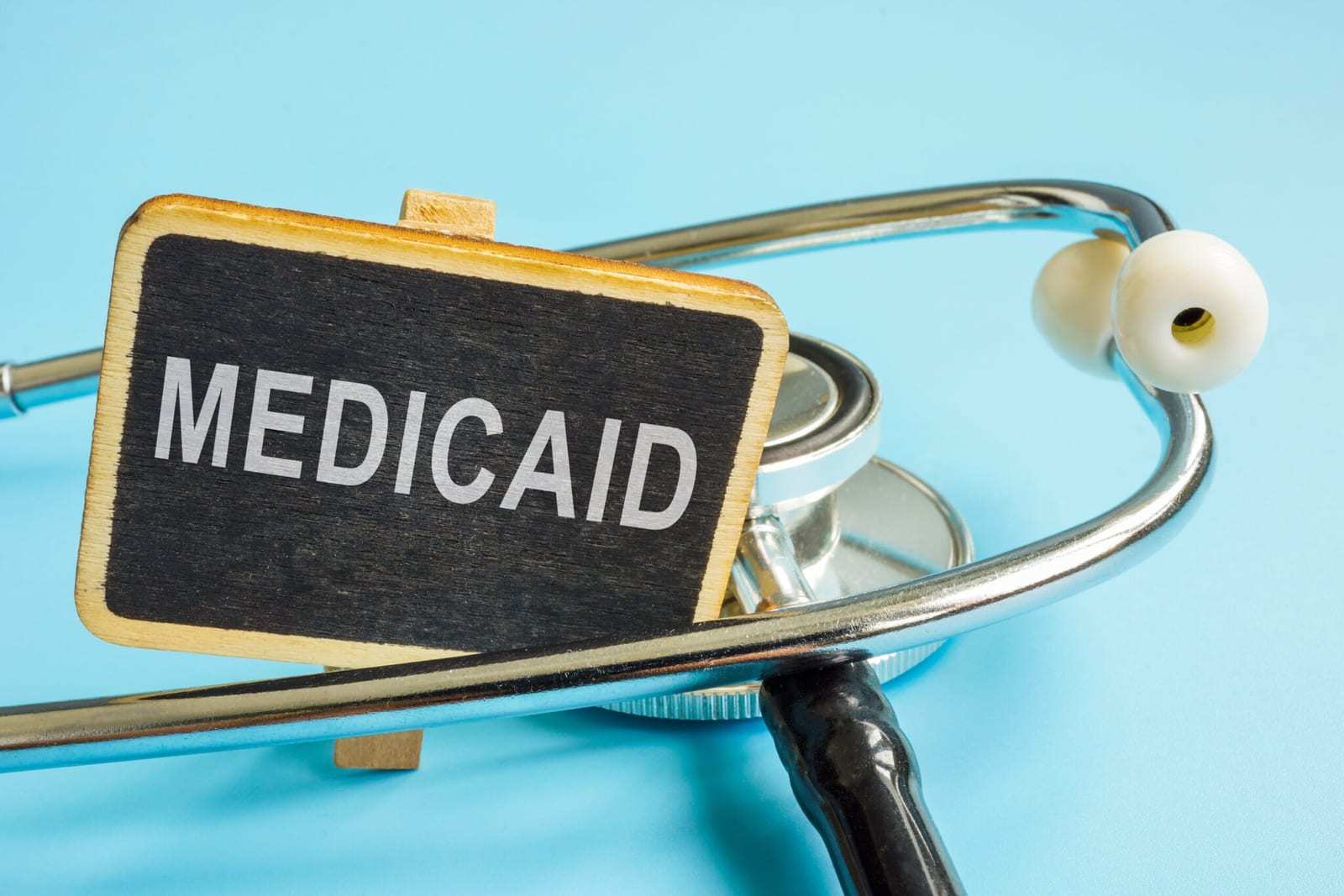
The coalition trying to put Medicaid expansion before Florida voters in 2028 is moving its signature drive almost entirely online, asking supporters to request paper petitions through a website instead of signing on clipboards in parking lots. Florida Decides Healthcare, working with the American Cancer Society Cancer Action Network and the American Heart Association, announced the strategy this week after a 2025 state law that tightened the rules for citizen initiatives was mostly upheld in federal court.
The proposed constitutional amendment would extend Medicaid to low-income adults, including childless adults who are now largely shut out of the program. To qualify for the ballot, the campaign needs more than 880,000 valid signatures from registered voters, the Florida Phoenix reported.
How the digital petition works
Instead of relying on paid and volunteer petition gatherers, the coalition is directing Floridians to MedicaidFlorida.Org or to a QR code it has released. Mitch Emerson, executive director of Florida Decides Healthcare, described the process to the Florida Phoenix: a voter requests a petition, enters some information and verifies that they are registered, and the campaign mails them a petition along with step-by-step instructions and a prepaid return envelope.
Emerson told the Phoenix that the coalition made a strategic decision to pivot away from in-person petition gathering. He argued that the 2025 law was not merely an attempt to make citizen initiatives harder but to make them impossible.
The campaign had already begun steering supporters toward mailed petitions before this week's announcement. Central Florida Public Media reported in October that by the end of the summer the group had received about 20,000 petition requests through the website.
The new push was announced during a Zoom call between Emerson and state Rep. Angie Nixon, a Jacksonville Democrat and former organizing director for Florida Decides Healthcare. Nixon was the Democratic nominee for U.S. Senate this year and lost to Republican Ashley Moody by about 2 percentage points, according to the Phoenix. Emerson served as field director for her campaign. Nixon urged people who have already requested a petition to share the link on social media.
Why the campaign changed course
The shift traces back to HB 1205, a sweeping overhaul of Florida's citizen initiative process that Gov. Ron DeSantis signed in May 2025. Among its provisions, as described by Central Florida Public Media:
- People who collect more than 25 signatures must register with the state and complete training.
- Circulators must be U.S. citizens and Florida residents without felony convictions, unless their rights have been restored.
- Signed petitions must be turned in within 10 days, down from about a month.
- Failing to register as a circulator is a third-degree felony, and fines can reach $50,000 for each circulator who fails to follow the rules.
DeSantis said he signed the bill to combat petition fraud and keep special interests from abusing the amendment process. Florida Republicans have also argued that Medicaid is not meant for able-bodied adults and that expansion would be too expensive.
In September 2025, Florida Decides Healthcare suspended its drive to make the November 2026 ballot, citing the law's costs and restrictions. At the time, WPTV reported, the group said it had collected more than 200,000 petitions and raised $6 million. Emerson told Central Florida Public Media in October that he believes the measure would have been on the 2026 ballot without the law.
The court fight
Florida Decides Healthcare sued over HB 1205 in 2025, joined by other petition sponsors including Smart & Safe Florida, the group behind a recreational marijuana initiative. In June and July 2025, Chief U.S. District Judge Mark Walker of Tallahassee denied most requests to block the law while the case proceeded, though he temporarily blocked a provision expanding the state's racketeering law to cover petition violations and the ban on noncitizen and nonresident circulators.
After a trial early this year, Walker issued a final order on the merits on April 30, 2026. The Florida Phoenix described the law as mostly upheld by the federal court, leaving most of its requirements in place for the 2028 cycle.
Who would qualify
Under the Affordable Care Act, states may extend Medicaid to nearly all adults with incomes at or below 138% of the federal poverty level, about $22,025 a year for an individual in 2026. The federal government pays 90% of the cost for the expansion population. Florida is one of 10 states that have not expanded.
An estimated 388,000 Floridians fall into the so-called coverage gap, earning too much to qualify for Medicaid under current rules but too little to get subsidized marketplace coverage, the Phoenix reported, citing healthinsurance.org. Florida's overall uninsured population rose from 2.3 million in 2023 to 2.5 million in 2024, according to Census figures cited by Central Florida Public Media.
Emerson has illustrated the gap with a single mother of two, who he says can earn only about $7,000 a year and still qualify for Medicaid in Florida today; under expansion, she could earn more than $36,000. Nixon told supporters that Florida has passed up about $14 billion in federal Medicaid money over the past decade.
A long road to the ballot
This is not the group's first setback. In August 2019, Florida Decides Healthcare dropped its effort to make the 2020 ballot, citing a 2019 law that changed how petition gatherers could be paid, and refocused on 2022. It began collecting signatures for 2026 in 2024 before suspending that drive.
The bar remains high. Florida requires initiative sponsors to collect signatures equal to 8% of the votes cast in the last presidential election, spread across at least half of the state's congressional districts. The Florida Supreme Court reviews the ballot language, and a constitutional amendment needs 60% of the vote to pass.
The national picture has also shifted. When the American Cancer Society Cancer Action Network and the American Heart Association joined the coalition in February, the groups pointed to federal Medicaid cuts in the 2025 federal budget law and the expiration of enhanced marketplace subsidies as reasons to act. Many Florida marketplace enrollees saw premiums rise about 20% on average this year after those subsidies lapsed, according to Central Florida Public Media, and Florida has more marketplace enrollees than any other state. Nixon said that although the subsidies were cut, Medicaid expansion remains in play.
What's next
The coalition now has to turn online requests into mailed, signed and verified petitions at a scale of nearly 900,000 valid signatures before the state's deadline for the 2028 ballot. Whether a mail-based drive can match the reach of street-corner petitioning, at a cost a nonprofit coalition can sustain, will decide whether Florida voters get the final say on an issue the Legislature has declined to take up for more than a decade.
Spotted an issue with this article?
Have something to say about this story?
Write us a letterComments
No comments yet. Be the first to weigh in.
Related Coverage
Uthmeier urges Board of Medicine to revoke North Miami Beach OB-GYN's license over alleged illegal abortions
2d ago

Florida dengue cases slow in Hillsborough as emergency nears end, but November rains raise risk in Central Florida
3d ago

Sarasota Memorial Deal Highlights Lee Health's Looming Jan. 1 Split With UnitedHealthcare
4d ago
Florida AG James Uthmeier Sues Leapfrog Group, Alleging Hospital Safety Grades Misled Patients Into Refusing Care
6d ago