Florida AG James Uthmeier Sues Leapfrog Group, Alleging Hospital Safety Grades Misled Patients Into Refusing Care
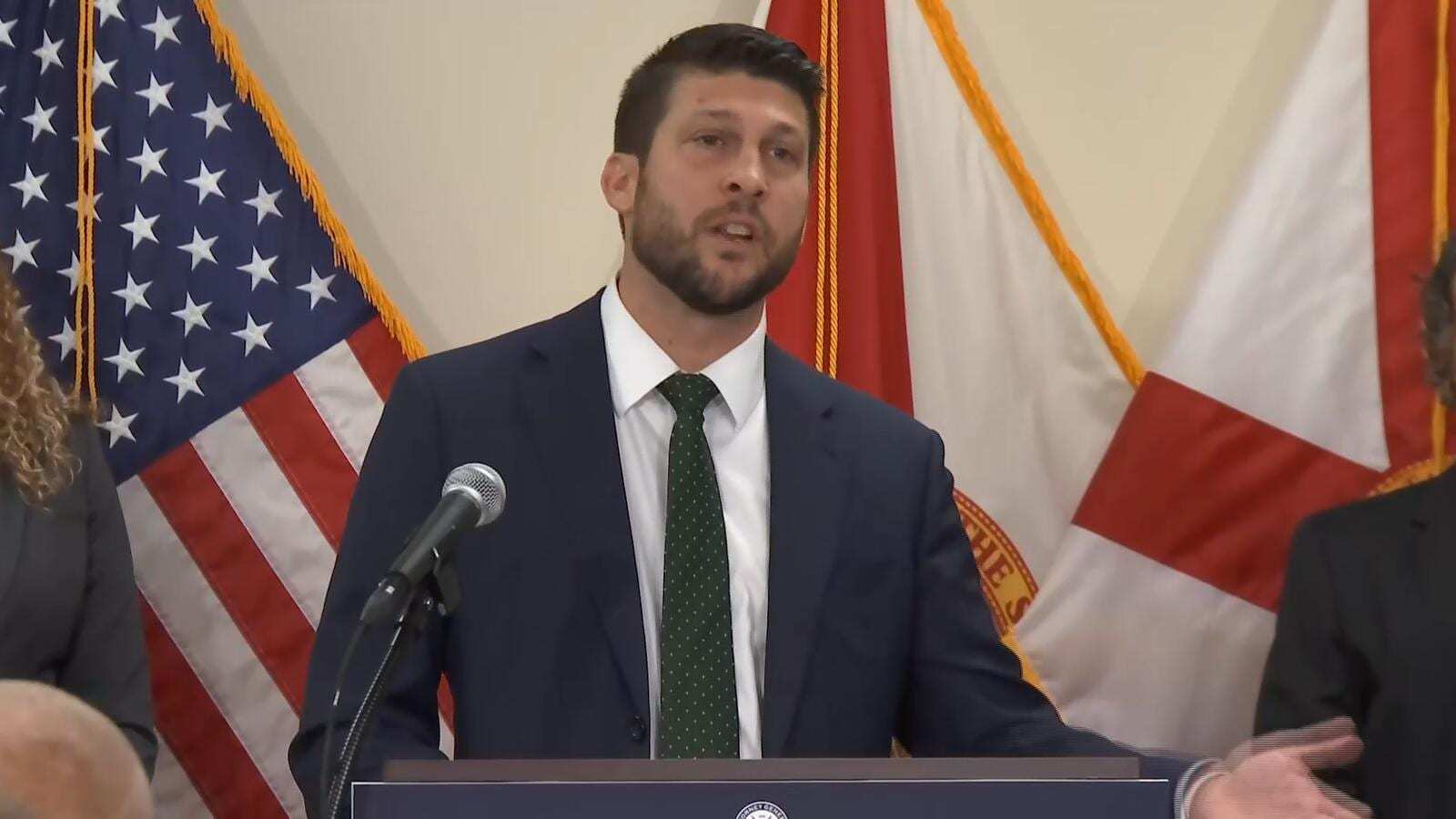
Florida Attorney General James Uthmeier has sued The Leapfrog Group, the nonprofit behind the widely publicized A-through-F Hospital Safety Grades, along with its president and chief executive, Leah Binder, accusing the organization of misleading Florida patients about how those grades are calculated. The complaint, filed in Seminole County and reported Nov. 20, alleges that Leapfrog gave some hospitals its lowest possible scores on safety measures for which it had no data, and that the resulting grades frightened patients into refusing or abandoning care.
The lawsuit brings claims under the Florida Deceptive and Unfair Trade Practices Act and the state's Solicitation of Contributions Act. It marks the first time the state itself has gone to court over Leapfrog's methodology, which a federal judge in South Florida already found deceptive earlier this year in a separate case brought by a group of Tenet Healthcare hospitals.
The suit landed the same day Leapfrog released its fall 2026 grades, in which 43 Florida hospitals earned straight-A honors. The legal action is a separate matter from that release.
What the attorney general alleges
Leapfrog publishes grades for about 190 Florida hospitals twice a year and describes them as peer-reviewed and guided by experts, according to the complaint as reported by News4JAX. The attorney general's office says that description hid a significant change in how the grades are built.
Starting with the fall 2024 grades, the lawsuit alleges, hospitals that did not complete Leapfrog's voluntary annual survey were assigned the lowest scores on four measures for which no substitute data was available. At the same time, the combined weight of those four measures in a hospital's overall grade rose from 24% to 31%, the complaint says.
The state points to Good Samaritan Medical Center in West Palm Beach as an example. Using the hospital's own data, its hand hygiene score was 100, according to the lawsuit. Under Leapfrog's revised approach, the hospital received a 15. The attorney general's office alleges that at least seven Florida hospitals were graded this way.
Uthmeier summed up the case in a statement: "The Leapfrog Group told Florida patients its hospital grades were peer-reviewed and backed by experts. That was a lie."
Patients who refused care
The most striking claims in the complaint involve patients. According to the lawsuit, a patient at Palm Beach Gardens Medical Center refused heart surgery after seeing the hospital's failing grade. A patient at West Boca Medical Center left against medical advice because his daughter was worried about the hospital's Leapfrog reviews, the complaint says.
At Delray Medical Center, a patient told the hospital's chief executive, "I am afraid that I am going to die at your hospital," according to the complaint. The state says that hospital's outcomes were 16% better than the national average.
All three hospitals are in Palm Beach County, and all three were among the plaintiffs in the earlier federal case against Leapfrog.
The money question
The attorney general's case also targets Leapfrog's finances, which is where the Solicitation of Contributions Act comes in. According to the complaint, participation in Leapfrog's survey rose from 64% of hospitals in 2023 to 79% after the scoring change. The state also says Leapfrog's sales of licenses that let hospitals advertise their grades topped $4 million in fiscal 2025.
The implication of the lawsuit is that the methodology change pushed hospitals to take part in the survey and created a market for grade licensing, while consumers were told the grades were a neutral measure of safety. Leapfrog has denied that its system is pay-to-play. Binder has said in earlier interviews that hospitals do not pay to take the survey or to receive a grade.
What the state wants
Uthmeier is asking the Seminole County court to:
- Bar Leapfrog and Binder from misrepresenting how the grades are produced
- Require corrective disclosures to the public
- Order restitution
- Impose civil penalties of up to $10,000 for each willful violation, or up to $15,000 for each violation involving a senior citizen
Because the penalties are calculated per violation, the potential total depends on how the court counts violations, a question the complaint leaves to future proceedings.
The federal case that came first
The state's lawsuit follows a closely watched federal case in the Southern District of Florida. Five hospitals in Tenet Healthcare's Palm Beach Health Network sued Leapfrog under the same state consumer protection law after receiving low grades. The plaintiffs were Good Samaritan Medical Center and St. Mary's Medical Center in West Palm Beach, Delray Medical Center, Palm Beach Gardens Medical Center and West Boca Medical Center. None had taken part in Leapfrog's 2024 survey.
In March 2026, U.S. District Judge Donald Middlebrooks ruled for the hospitals. According to WUSF, he found that Leapfrog's practice of automatically assigning the lowest scores to hospitals that skipped the survey could mislead the public about actual patient safety. WUSF reported that the measures affected in that case included computerized physician order entry, bar-code medication administration, ICU physician staffing and hand hygiene monitoring, which together could make up about a third of a hospital's grade. The judge wrote that "the only beneficiary of this methodology is Leapfrog itself."
Middlebrooks ordered Leapfrog to remove the grades for the five hospitals, stop scoring them under the disputed method, and tell organizations that had paid for licenses that the fall 2024, spring 2025 and fall 2025 grades relied on a methodology the court found deceptive and unfair. The hospitals did not seek money damages in that ruling, only an end to the scoring method.
Binder said at the time that Leapfrog "vehemently" disagreed with the decision and believed it "threatens the First Amendment rights of every American," WUSF reported. In its spring 2026 report, Leapfrog gave no grades to about 450 hospitals nationwide that had not participated in the survey, including eight in Florida.
In June, Middlebrooks rejected Leapfrog's request to reconsider. He also put on hold the hospitals' request for about $10.5 million in legal fees, which can be refiled after appeals are exhausted. In September, Leapfrog asked the 11th U.S. Circuit Court of Appeals to overturn the ruling, arguing in its brief that its safety grades are opinions protected by the First Amendment and that the hospitals did not prove it acted with malice. That appeal is pending.
How the two cases differ
The federal case was a private dispute between hospitals and a ratings group, and the relief was limited to five hospitals. The attorney general's suit is an enforcement action by the state that seeks statewide changes in how Leapfrog describes its grades to Floridians, plus civil penalties and restitution. It also names Binder personally, and it adds the charitable solicitation claim, which was not part of the Tenet case.
The state's complaint also leans heavily on patient harm, citing specific people who turned down or walked away from care. That framing puts the focus on consumers rather than on the hospitals' reputations.
Leapfrog's response
News4JAX's report on the lawsuit did not include a response from Leapfrog, and no public statement from the organization on the state's suit had been located as of Saturday. Leapfrog has said it continues to defend its national ratings program and is pursuing its appeal in the Tenet case.
What it means for Florida patients
For now, Leapfrog's grades remain available, and many Florida hospitals continue to promote strong results. Patients who use the grades can compare them with other public sources, including the federal Centers for Medicare and Medicaid Services hospital ratings, and can ask hospitals directly about their safety data.
The attorney general's suit, if successful, could force Leapfrog to change how it explains its grades to Florida consumers, regardless of how the 11th Circuit rules on the Tenet case.
What's next
Leapfrog and Binder will have the opportunity to respond to the complaint in Seminole County circuit court. The 11th Circuit appeal in the Tenet case, which raises the First Amendment question at the heart of both disputes, remains unresolved. A ruling there could shape how Florida courts treat the state's lawsuit.
Spotted an issue with this article?
Have something to say about this story?
Write us a letterComments
No comments yet. Be the first to weigh in.
Related Coverage

Health Experts Say Federal Order Keeping OUC's Stanton Coal Unit Running Is Raising Health Risks in East Orlando
23h ago

43 Florida Hospitals Earn Leapfrog Straight-A Safety Honors as State Slips to Ninth
1d ago

Flu Cases Jump in Florida as First Cold Front Arrives, With State Among Three Worst on National Flu Index
5d ago

US Loses Measles Elimination Status After 26 Years as Florida Logs 163 Cases and Fights Over School Vaccines
6d ago