RFK Jr. and Dr. Oz Unveil Rewritten Federal Alzheimer's Plan at Broward Health as Florida Cases Near 580,000
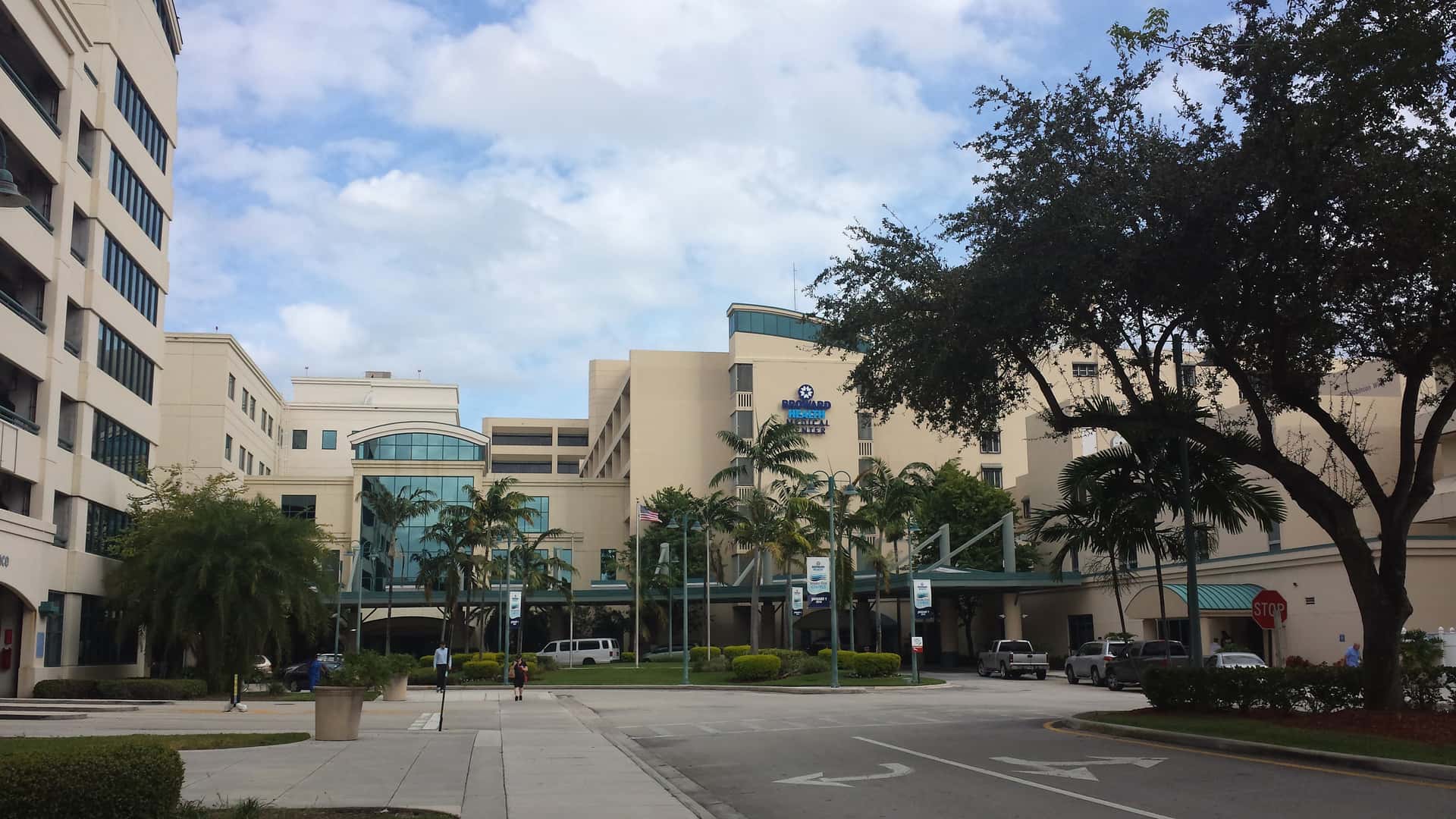
U.S. Health and Human Services Secretary Robert F. Kennedy Jr. and Centers for Medicare and Medicaid Services Administrator Dr. Mehmet Oz came to Broward Health Medical Center in Fort Lauderdale on Thursday, Oct. 22, to roll out the federal government's rewritten plan for fighting Alzheimer's disease, choosing a state that has one of the largest populations of people living with the illness in the country.
The event, billed as the department's first Alzheimer's and Related Dementias Summit, was used to unveil the 2026 Update to the National Plan to Address Alzheimer's Disease and Related Dementias. The update replaces the plan's six longstanding goals with four new ones and shifts the federal emphasis toward preventing dementia and catching it earlier. U.S. Sen. Rick Scott, the Florida Republican who chairs the Senate Special Committee on Aging, joined the officials at the press conference, according to WLRN.
Why Florida was the backdrop
Florida's older population makes it ground zero for the disease. The Alzheimer's Association estimates that about 579,900 Floridians age 65 and older are living with Alzheimer's, roughly one in eight seniors, a total second only to California. WLRN noted that in 2020 Florida ranked second among states for clinical Alzheimer's dementia cases in adults 65 and older. Nationally, the association estimates about 7.4 million Americans live with dementia, WLRN reported.
The burden falls heavily on families. The association's Florida Gulf Coast chapter says more than 877,000 unpaid caregivers in the state provide about 1.38 billion hours of care a year. In Broward County alone, more than 41,000 residents 65 and older are estimated to have the disease, NBC 6 reported.
Broward Health CEO Shane Strum opened the event by describing what the hospital system sees every day. "We see the toll Alzheimer's disease takes not only on patients, but on the people who love them," he said, according to NBC 6.
What the new national plan changes
The National Plan to Address Alzheimer's Disease dates to a 2011 federal law and is updated by HHS on a regular basis. This year's version is a substantial rewrite. According to HHS announcement coverage, the four new goals are:
- Reducing dementia risk across the lifespan.
- Accelerating scientific discovery and innovation.
- Delivering high-value dementia care, including better diagnosis.
- Expanding evidence-based services and supports for people living with dementia and their families.
The update also adds "related dementias" to the plan's title, formally recognizing conditions beyond Alzheimer's itself, and puts new attention on biomarkers, early identification, data and measurement, and populations at high risk. HHS has said it will measure progress on each goal and report on the plan's impact in a 2027 update.
The rewrite follows a public process that began earlier this year. In January, Kennedy named a new chair and 10 members to the federal Advisory Council on Alzheimer's Research, Care, and Services, and in July HHS published a request for public comment in the Federal Register on the future direction of federal dementia efforts.
Kennedy ties dementia to chronic disease
Kennedy, who has made chronic disease the centerpiece of his Make America Healthy Again agenda, framed dementia as part of that larger picture. He linked dementia risk to high blood pressure, diabetes, obesity and physical inactivity, WLRN reported, while acknowledging that reducing individual risk factors does not guarantee a person will avoid the disease.
"We need to actually open our minds, open up the science and do the work," Kennedy said, according to WLRN.
Kennedy also spoke about his family's experience; several of his relatives have had the disease, NBC 6 reported. He stressed that care needs to be more affordable and better coordinated, and that caregivers often struggle to navigate the health care system. "Families should not have to fight the health care system while they fight the disease," he said.
Oz puts a price on the last years of the disease
Oz, whose agency runs Medicare and Medicaid and pays for much of the long-term care that dementia patients eventually need, focused on cost and on slowing decline. "The last five years of an Alzheimer's patient's life is gonna cost nearly $375,000," he said, according to WLRN, about 65% more than end-of-life care for heart disease or cancer.
He described CMS efforts to ease the burden on caregivers and expand lifestyle-based interventions, and said the goal is to find an approach, or a combination of approaches, that could reverse decline as much as published clinical trials suggest is possible, WLRN reported.
The main vehicle for that is MAHA ELEVATE, a CMS Innovation Center model with a $100 million budget. WLRN reported that the money will support about 30 small grants to medical device and research companies working mainly on lifestyle approaches, several of them focused solely on Alzheimer's. Descriptions of the model say CMS plans up to 30 cooperative agreements over three years, with three awards reserved for dementia, and that funded projects must include nutrition or physical activity interventions, including services Original Medicare does not currently cover.
FDA, ARPA-H push on earlier detection
The Florida visit came shortly after the Food and Drug Administration announced a new program, the Neuroscience Advancement and Innovation Nexus, which WLRN reported will pool scientific and regulatory expertise from the agency's drug, biologic and medical device centers. Its first initiative, the Alzheimer's Prevention Accelerator, is aimed at medical products that could delay or prevent Alzheimer's and related dementias.
Kyle Diamantas, the acting FDA commissioner, told the audience that current drugs can slow the disease in people with early symptoms, but that slowing decline after symptoms appear is no longer enough. "New treatments have demonstrated that we can slow disease progression in patients with early symptoms," he said, according to WLRN. Diamantas also said the FDA has authorized four blood-based tests that help assess Alzheimer's-related changes in patients who have cognitive symptoms, NBC 6 reported.
Separately, the Advanced Research Projects Agency for Health said it will invest up to $48.8 million in projects focused on earlier detection and intervention, according to HHS announcement coverage. NBC 6 also reported that the administration is working with hundreds of technology companies, including developers of apps designed to help caregivers manage the disease.
Screening and coverage questions remain
The plan arrives as advocates press for changes that go beyond research money. Earlier this year Kennedy publicly called for earlier Alzheimer's screening, and the Alzheimer's Association has tied that push to the bipartisan ASAP Act, noting that under current law Medicare cannot cover a screening test for Alzheimer's. The 2026 update does not by itself change what Medicare pays for, and the dementia awards under MAHA ELEVATE are limited in number.
For Florida, where hundreds of thousands of residents are living with the disease, the practical questions are how quickly blood tests and earlier diagnosis reach primary care offices, and whether federal programs ease the cost that families and the state's Medicaid program carry for long-term care.
Local service groups welcomed the change in tone. Felipe Pinzón, president and CEO of Hispanic Unity of Florida, attended the event and said he was glad to see a focus on prevention rather than crisis management, WLRN reported.
What's next
HHS will begin tracking progress on the four goals and has said results will be reported in the 2027 update to the national plan. CMS is expected to move ahead with MAHA ELEVATE awards, and the FDA's Alzheimer's Prevention Accelerator will start seeking product candidates. In Congress, Scott's aging committee is likely to remain a forum for questions about screening coverage and caregiver support, issues that weigh heavily on Florida's large senior population.
Spotted an issue with this article?
Have something to say about this story?
Write us a letterComments
No comments yet. Be the first to weigh in.
Related Coverage

South Florida Federal Judge Enters $668,390 Penalty Against Honduran Woman Who Ignored Deportation Order
36m ago

Mortgage Rates Ease to 7.32% in First Weekly Dip Since August as Florida Home Sales Slow
2h ago

FEMA Sends Florida $94 Million for Hurricane Repairs and Storm Hardening as Panhandle Awaits Isaias Decision
5h ago

DeSantis' map was built to flip four Florida House seats to the GOP. Here's where the races stand
6h ago