Florida's Manatees at a Crossroads as Deaths Persist and Threatened Status Draws Renewed Worry
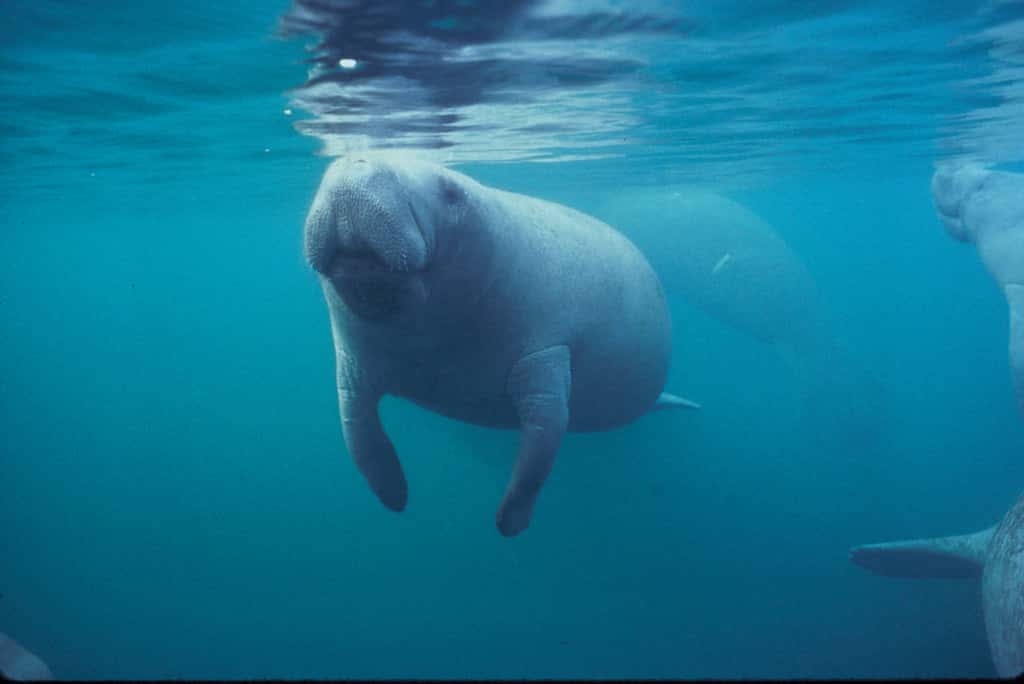
Florida's manatees, the gentle, slow-moving marine mammals that have become a symbol of the state's natural heritage, are at a crossroads. Even after decades of conservation work that pulled the species back from the edge, hundreds of manatees continue to die in Florida waters each year, and biologists are sounding renewed warnings about the future of an animal officially listed as threatened with extinction.
The concern is not that manatees are about to vanish overnight. It is that the conditions sustaining them remain fragile, vulnerable to swings in water quality, habitat loss and the collisions with boats that have long been a leading cause of death. The species has recovered enough to be downgraded from endangered to threatened, but recent difficult years have reminded scientists and advocates that those gains can be reversed.
Understanding the full picture requires looking at each of the stressors manatees face, the ecosystems they depend on, and the policy and scientific tools available to protect them. The challenge is not a lack of knowledge about what the animals need. It is the difficulty of delivering those conditions in a rapidly developing state with competing pressures on its waterways and shorelines.
The grim arithmetic
The numbers tell the story. About 730 manatees die each year in Florida on average, based on data compiled since 2020 by the state's Fish and Wildlife Conservation Commission. The causes range from boat strikes and cold stress to disease and, most alarmingly in recent years, starvation linked to the loss of the seagrass beds that manatees depend on for food.
The annual death toll fluctuates, and some years have been far worse than others. A devastating stretch earlier in the decade saw an extraordinary spike in deaths, driven largely by a collapse of seagrass in key habitat areas, particularly along the Indian River Lagoon on Florida's Atlantic coast. That crisis prompted emergency interventions, including an unprecedented effort to feed wild manatees, and it galvanized attention on the water quality problems threatening the species.
Researchers tracking the population note that mortality spikes are not evenly distributed across the state. Certain stretches of coastline and certain estuaries account for a disproportionate share of deaths, a pattern that reflects where habitat degradation has been most severe. That geographic concentration of risk means that targeted restoration efforts in the worst-affected areas can have an outsized effect on the overall death toll, even as statewide pressures continue.
Population estimates have also carried significant uncertainty over the years, as counting manatees is a difficult and imprecise science. Aerial surveys, underwater observations and photo identification of individuals all contribute to population assessments, but the animals' movements and the limits of survey methods mean that official counts represent estimates rather than precise tallies. That uncertainty complicates judgments about whether the population is growing, stable or declining in any given period.
The seagrass connection
Seagrass is the foundation of the manatee's survival. The animals graze on these underwater meadows, and when the grass disappears, manatees face starvation. The loss of seagrass in recent years has been driven largely by poor water quality, as nutrient pollution from runoff fuels algae blooms that block the sunlight seagrass needs to grow.
That dynamic ties the fate of manatees directly to the broader health of Florida's waters. The same pollution and runoff problems that drive harmful algae blooms and damage estuaries also starve the seagrass beds that manatees rely on. Efforts to improve water quality, including Everglades restoration and projects aimed at reducing harmful discharges, are therefore intertwined with the long-term prospects for the species.
Seagrass restoration is a painstaking process. Even when nutrient loads in a waterway are reduced, it can take years for water clarity to improve sufficiently for seagrass to reestablish. The plants must recolonize bare sediment, and young shoots are vulnerable to disturbance from storms, boat propellers and wave action. Scientists working on restoration emphasize that reducing pollution is the essential first step, but it does not produce instant results, and the lag between improved water quality and recovered seagrass beds means that manatees can continue to suffer even as underlying conditions slowly improve.
The Indian River Lagoon illustrates both the severity of the problem and the difficulty of the fix. Once considered one of the most biodiverse estuaries in North America, the lagoon has lost enormous acreage of seagrass over recent decades, driven by decades of nutrient loading from agriculture, stormwater and septic systems. Restoration efforts are underway across multiple jurisdictions, but the scale of the challenge is significant, and the lagoon's recovery is measured in increments rather than dramatic turnarounds.
Boats and other threats
Beyond starvation, manatees face a familiar array of dangers. Collisions with boats remain a persistent and visible threat, and many manatees bear the scars of propeller strikes. Florida has long imposed speed restrictions in key manatee zones to reduce these collisions, and those rules remain a point of friction between conservation goals and the interests of boaters in a state defined by its waterways.
Cold weather poses another seasonal danger. Manatees are sensitive to cold and seek out warm-water refuges during winter, including the outflows of power plants and natural springs. Prolonged cold snaps can cause cold stress that sickens or kills the animals, and the loss of warm-water habitat as older power plants are retired adds another layer of uncertainty to their future.
Natural springs have taken on greater importance as a warm-water refuge precisely because industrial heat sources are becoming less reliable. Florida's springs are themselves under pressure from groundwater withdrawals and nutrient pollution, adding a layer of concern about the long-term availability of these refuges. Conservation groups have pushed for stronger protections around key spring complexes, arguing that safeguarding warm-water sites is as important as addressing boat traffic and water quality in coastal areas.
A conservation success under strain
The manatee's recovery is genuinely a conservation success story. Decades of protection, habitat management and public education boosted the population enough to justify reclassifying the species from endangered to threatened. That progress reflected real gains and the effectiveness of sustained conservation effort.
But the recent years of elevated mortality have complicated the narrative, prompting some advocates to call for stronger protections and renewed federal attention. The debate over whether the manatee should be reclassified as endangered again reflects the tension between the long-term recovery trend and the acute problems of the present. The animal occupies a precarious middle ground, recovered enough to no longer be considered on the brink but vulnerable enough that a few bad years can erase progress.
The history of the species under the Endangered Species Act offers a useful frame for that debate. The protections afforded by a threatened listing are meaningful but differ from those applied to endangered species, and advocates on both sides of the reclassification question cite that distinction as evidence for their positions. Those who favor returning the species to endangered status argue that current protections are insufficient given recent mortality trends. Those who oppose it argue that a downgrade would send a false signal of failure after genuine population gains.
Why manatees matter to Florida
Manatees are more than a beloved wildlife icon. They are an indicator species whose health reflects the condition of Florida's aquatic ecosystems. When manatees suffer from seagrass loss and poor water quality, it signals problems that ripple through the broader environment and ultimately affect the fisheries, tourism and water resources that Floridians depend on.
The animals also carry significant economic and cultural weight. Manatee viewing draws visitors to Florida's springs and coastal areas, supporting ecotourism, and the species holds a cherished place in the state's identity. Protecting manatees aligns conservation with the practical interests of communities that benefit from healthy waters and the tourism they attract.
For many Floridians, the manatee is not simply a conservation concern but a personal one. Encounters with manatees at springs and coastal marinas are common, and the animals' unhurried, approachable nature has made them objects of genuine public affection. That emotional connection has translated into broad public support for manatee protection that crosses political lines, giving conservationists an unusual degree of popular backing for the policies they advocate.
Federal and state roles in protection
The framework for manatee protection spans both federal and state jurisdiction. The federal Marine Mammal Protection Act and Endangered Species Act establish baseline protections and give federal agencies a central role in recovery planning. The Florida Fish and Wildlife Conservation Commission leads day-to-day management within the state, coordinating with federal partners on monitoring, permitting and enforcement.
That layered structure means that decisions affecting manatees often involve negotiations across multiple agencies and levels of government. Speed zone designations, development permits near critical habitat and water quality regulations all intersect with manatee conservation, and the outcomes depend on coordination among agencies with different mandates and priorities. Critics of the current framework sometimes argue that the complexity of this structure slows decision-making and diffuses accountability. Defenders respond that multi-agency coordination allows for more comprehensive and durable solutions.
Funding is a persistent constraint. Research, monitoring, rehabilitation and restoration all require sustained investment, and budget cycles can introduce uncertainty into long-term programs. Advocacy groups and research institutions have increasingly looked to public-private partnerships and grants to supplement government funding, building a broader financial base for conservation work that might otherwise be vulnerable to shifting political priorities.
What is being done
Conservation efforts span multiple fronts. Water quality initiatives aimed at reducing the nutrient pollution that fuels algae blooms are central to restoring the seagrass beds manatees need. Habitat protection, including the preservation of warm-water refuges and seagrass restoration projects, complements those efforts. Speed zones and boater education continue to address the collision risk.
State and federal agencies, along with research institutions and nonprofit groups, coordinate monitoring and response. The emergency feeding program deployed during the worst of the seagrass crisis demonstrated the willingness of authorities to take extraordinary measures, though officials have emphasized that such interventions are stopgaps rather than solutions. The durable fix lies in restoring the water quality and habitat that allow manatees to feed themselves.
Rehabilitation programs play an important supporting role as well. Injured manatees are rescued, treated and, when possible, returned to the wild, and the expertise built up over years of rehabilitation work has improved outcomes for animals that might otherwise not survive their injuries. The network of facilities capable of caring for manatees represents a significant institutional investment in the species, and the data gathered from rescued animals contributes to scientific understanding of manatee health and the threats they face.
What's next
The future of Florida's manatees hinges on whether the state can sustain and accelerate improvements in water quality and habitat. If seagrass beds recover as water quality improves, the population should stabilize and the worst mortality years could recede. If pollution and habitat loss persist, the species will remain under pressure, and calls for stronger protections will grow louder.
For now, the manatee remains a powerful reminder that conservation is never finished. Decades of effort lifted the species from the brink, but the recent struggles show how quickly hard-won gains can be threatened. The animal's fate is bound up with the health of Florida's waters, making its future a barometer for the broader environmental challenges the state confronts.
The path forward is unlikely to be straightforward. Competing interests over Florida's waterways, the slow pace of ecosystem recovery and the unpredictability of factors like weather and disease mean that manatee conservation will require sustained vigilance and continued investment. The science of what is needed is reasonably clear. The harder task is translating that knowledge into policies and actions that match the scale of the problem.
Spotted an issue with this article?
Have something to say about this story?
Write a letter to the editor