High Mortgage Rates Keep Pressure on Florida Homebuyers as Fed Holds Steady
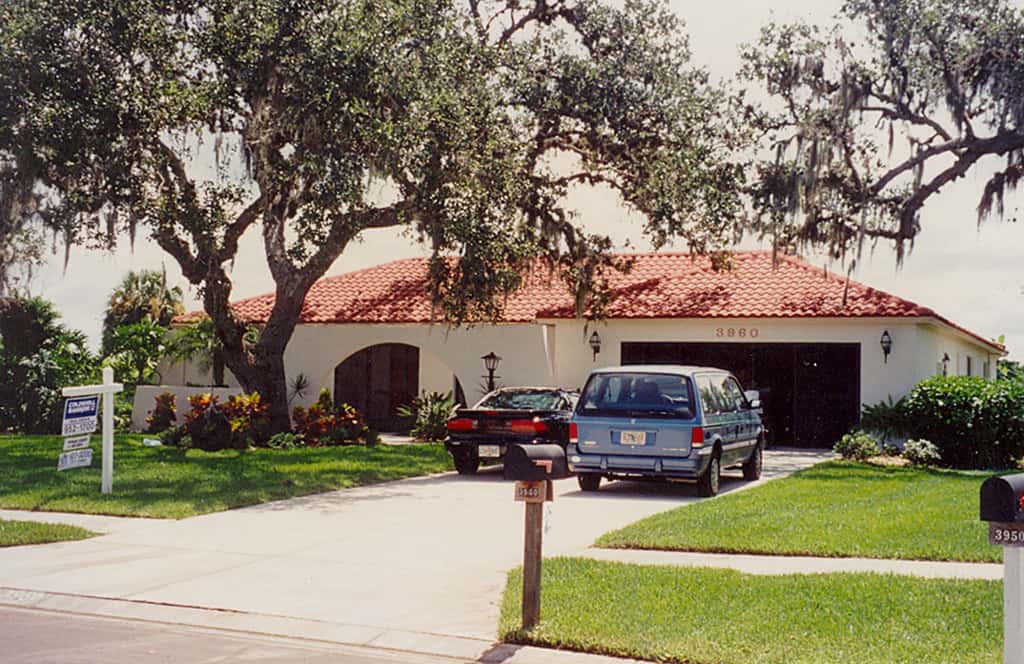
Mortgage rates remain stubbornly elevated as the summer homebuying season plays out, keeping pressure on Florida households trying to break into a market already strained by high insurance costs and years of rapid price growth. With the Federal Reserve holding its benchmark interest rate steady and signaling caution about the path ahead, the 30-year mortgage rate has stayed well above six percent, a level that continues to shape the calculations of buyers and sellers across the state. For a housing market that helped define Florida's pandemic-era boom, the persistence of high borrowing costs is a defining feature of the current landscape.
Where rates stand
The average rate on a 30-year fixed mortgage has hovered in the mid-six-percent range, with refinancing rates slightly higher and shorter-term loans somewhat lower. Rates have drifted rather than plunged, responding to economic data, Federal Reserve signals, and broader financial market conditions. In recent trading, geopolitical developments and shifting expectations about inflation contributed to modest upward movement, illustrating how sensitive mortgage rates are to forces well beyond the housing market itself.
The Federal Reserve, which does not set mortgage rates directly but strongly influences them through its monetary policy, has kept its benchmark rate unchanged through the year. At its most recent meeting, the central bank held steady while adopting a cautious tone about future policy, with some policymakers signaling that inflation concerns could keep rates elevated or even prompt further tightening. That posture has kept upward pressure on borrowing costs and dampened hopes for the significant rate relief that many prospective buyers have been awaiting.
The stability of rates in the mid-six-percent range masks a good deal of day-to-day movement. Mortgage rates respond quickly to fresh economic reports, and a single set of numbers on employment or consumer prices can nudge them up or down within a week. For buyers, that volatility complicates planning, since the rate available when they begin shopping may differ from the one they can lock in by the time they find a home. Many lenders offer the ability to lock a rate for a period, a tool that has taken on added importance in an environment where the direction of rates is uncertain.
It is also worth remembering how the current level compares with the recent past. During the boom years, rates fell to historic lows, and a generation of buyers came to view financing as cheap and abundant. The return to a mid-six-percent range represents a sharp adjustment for anyone whose expectations were formed in that period, even though such rates are not unusual by longer historical standards. That gap between recent experience and present reality helps explain why the current environment feels so constraining to many prospective buyers.
How the Fed shapes the market
The relationship between the Federal Reserve and mortgage rates is indirect but powerful. The Fed sets the federal funds rate, which influences short-term borrowing costs throughout the economy, and its signals about the future shape the bond market that ultimately drives mortgage rates. When the Fed is expected to keep rates high to combat inflation, mortgage rates tend to stay elevated; when rate cuts appear likely, mortgage rates often ease in anticipation.
The central bank's current caution reflects an ongoing effort to bring inflation down to its target while avoiding damage to the broader economy. That balancing act has kept it from cutting rates, disappointing those in the housing market hoping for relief. Until the inflation picture shifts decisively or the economy weakens enough to prompt the Fed to change course, mortgage rates are likely to remain in their current elevated range, according to the general expectation among market observers.
A key point often missed is that mortgage rates can move well before the Fed acts. Because financial markets try to anticipate policy, expectations about future decisions get built into rates in advance. That is why mortgage rates sometimes fall in the weeks before an anticipated cut and can rise even when the Fed leaves its benchmark unchanged, if investors conclude that rates will stay higher for longer than they had assumed. For buyers, this means the Fed's words can matter as much as its actions.
The long-term nature of a mortgage adds another dimension. Because a 30-year loan stretches far into the future, its rate reflects not just current conditions but expectations about inflation and economic growth over many years. That is one reason mortgage rates do not move in lockstep with the Fed's benchmark and can remain elevated even during periods when short-term rates ease. Understanding that distinction helps explain why relief in the housing market may lag behind any eventual shift in the central bank's stance.
The squeeze on Florida buyers
For Florida homebuyers, high mortgage rates compound an affordability challenge that is already among the most acute in the country. Home prices, while no longer rising rapidly, remain elevated after years of strong appreciation, and the cost of financing a purchase at current rates produces monthly payments that strain many household budgets. A buyer purchasing a typical Florida home faces a substantially higher monthly payment than one who bought the same home a few years ago at a lower rate.
The mortgage rate is only one piece of the affordability puzzle in Florida. Property insurance premiums, though showing signs of stabilizing after years of sharp increases, remain a heavy and distinctive burden for Florida homeowners, adding hundreds or thousands of dollars to annual carrying costs. Property taxes, homeowners association fees, and maintenance further raise the true cost of ownership. Buyers increasingly evaluate the total cost of owning a home rather than focusing solely on the purchase price, and high mortgage rates make that total harder to manage.
The combination of these costs weighs especially hard on first-time buyers, who lack the equity from a previous home to cushion the blow. Without proceeds from a prior sale to apply toward a down payment, they must finance a larger share of the purchase at today's rates while also absorbing insurance and other expenses. Many respond by lowering their expectations, looking at smaller homes or less expensive areas, or delaying a purchase altogether while they save. The result is a market in which the path to a first home has grown notably steeper.
Lenders assess borrowers partly on how much of their income would go toward housing, and higher rates push that share upward for any given home. As a result, some buyers who would have qualified for a loan a few years ago now find themselves approved for less, or not at all, on the homes they had hoped to buy. The effect is to narrow the pool of homes within reach, forcing difficult trade-offs and, for some households, pushing ownership out of reach for the time being.
Effects on the broader market
High rates ripple through the entire housing market, not just the experience of individual buyers. Elevated borrowing costs discourage existing homeowners from selling, since many hold mortgages at far lower rates and are reluctant to trade them for new loans at current levels. This lock-in effect keeps some inventory off the market even as overall listings rise, contributing to the market's unusual dynamics. It also slows the pace of transactions, affecting real estate agents, lenders, and related businesses.
At the same time, high rates have helped cool a market that had grown overheated, contributing to the flattening of prices and the rebuilding of inventory that have given buyers more leverage than they enjoyed during the boom. The market has shifted toward a more balanced state, with homes sitting longer and price reductions becoming more common. In that sense, elevated rates have been part of the correction that followed the extraordinary run-up in prices, even as they create hardship for those trying to buy.
The slowdown in transactions carries its own economic weight. Each home sale tends to generate spending on moving, renovations, furnishings, and services, so a market with fewer sales ripples outward into the businesses that depend on that activity. Real estate professionals, mortgage lenders, title companies, and contractors all feel the effects of a quieter market, a reminder that housing is woven deeply into the broader economy rather than standing apart from it.
The relocation factor
Florida's housing market has long been shaped by newcomers, including retirees and workers relocating from higher-cost and higher-tax states. The absence of a state income tax and the appeal of the climate have drawn a steady stream of new residents, fueling demand. High mortgage rates affect these buyers as well, though some arrive with substantial equity from selling homes elsewhere, giving them more flexibility to buy with larger down payments or even in cash, insulating them somewhat from the impact of rates.
The continued influx of new residents provides underlying support for the market, distinguishing Florida from regions facing population decline. That demand helps explain why prices have flattened rather than fallen sharply despite the affordability pressures. The interplay between persistent in-migration and high financing costs is a defining tension in the current market, and how it resolves will shape the trajectory of Florida housing in the months ahead.
The presence of buyers less sensitive to rates can widen the gap between different segments of the market. Cash purchasers and those with large down payments compete on different terms than local first-time buyers who depend on financing, and in some areas the two groups are effectively bidding for different homes. That dynamic can leave rate-dependent residents at a disadvantage even in a cooler market, since they must contend not only with high borrowing costs but also with buyers who do not share that constraint.
What comes next
The path of mortgage rates from here depends heavily on the trajectory of inflation and the Federal Reserve's response. Upcoming economic data and the Fed's coming meetings will be closely watched for signals about whether relief is on the horizon or whether high rates will persist. Most observers expect rates to remain elevated in the near term, with any meaningful decline dependent on a clear improvement in the inflation outlook.
For Florida households, the practical reality is a market that demands careful financial planning and realistic expectations. Buyers who can navigate today's rates will find more choice and negotiating room than existed during the frenzy, while those waiting for lower rates face uncertainty about when, or whether, relief will arrive. In a state where the dream of homeownership remains powerful, the cost of financing that dream continues to be one of the most consequential economic forces shaping residents' lives.
Spotted an issue with this article?
Have something to say about this story?
Write us a letterComments
No comments yet. Be the first to weigh in.
Related Coverage

Isaias Shuts Pensacola and Okaloosa Airports as Airlines Waive Fees and Tolls Lift on Panhandle Bridges
10h ago

Ex-CIA official pleads guilty in $194 million fraud, will forfeit $102 million in Palm Beach and Hobe Sound real estate
10h ago

11th Circuit voids septic permit ban in Indian River Lagoon manatee case after federal 'harm' rule rollback
10h ago

Trump ties disaster aid to midterm campaign as Hurricane Isaias nears Florida Panhandle
1d ago