World Cup Knockout Matches Bring a Tourism Windfall to Miami and South Florida
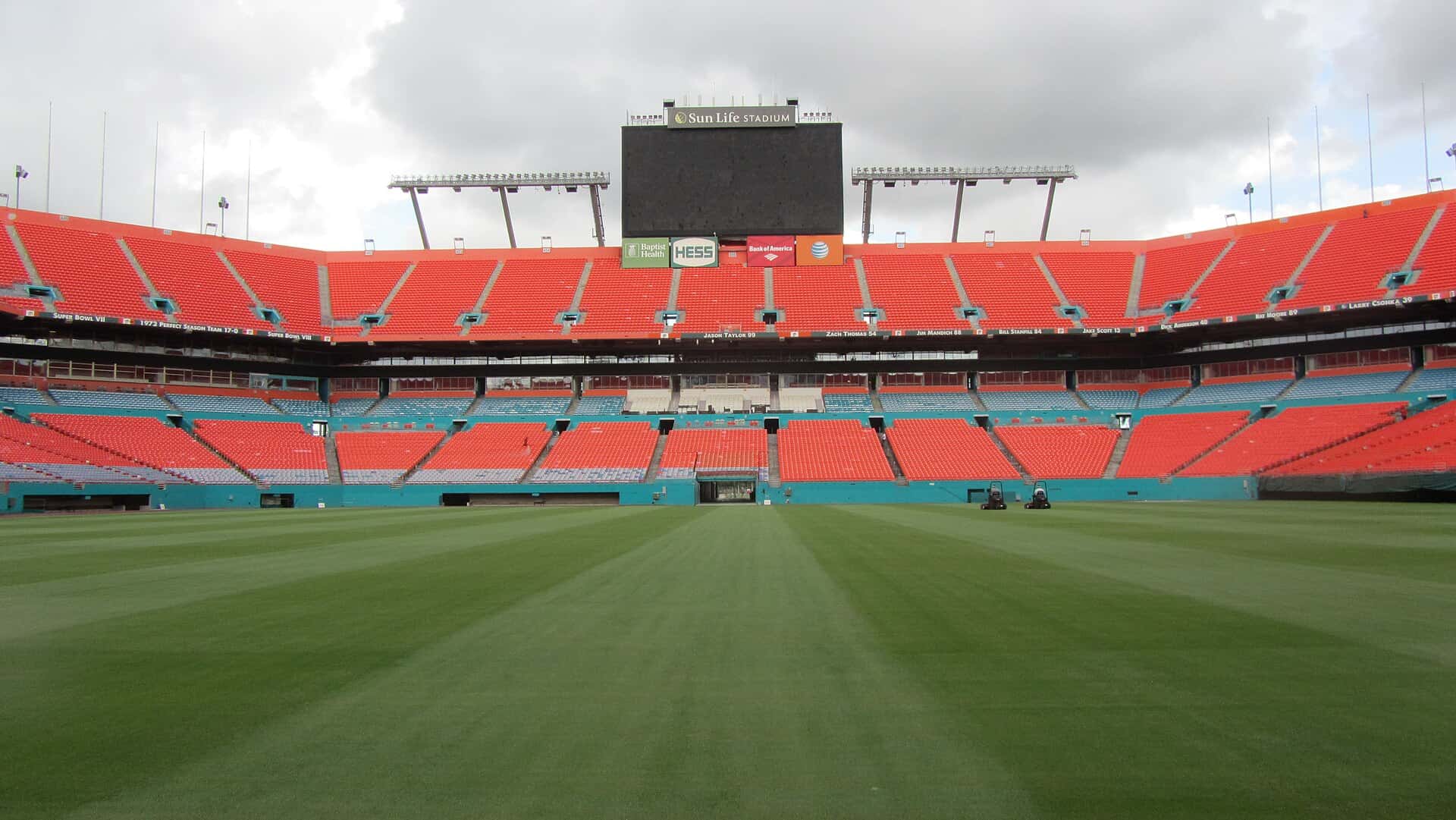
As the 2026 FIFA World Cup reaches its decisive stages, Miami and South Florida are absorbing an economic and tourism surge tied to one of the largest sporting events on the planet. Hard Rock Stadium in Miami Gardens, a host venue for the tournament, is staging seven matches between June 15 and July 18, 2026, and the arrival of knockout-round games has intensified the flow of visitors, spending, and global attention into the region. For an economy already built around tourism, the World Cup represents a concentrated jolt of activity across hotels, restaurants, transportation, and the many businesses that cater to travelers.
The tournament, co-hosted by the United States, Mexico, and Canada, has spread matches across North America, and Miami's role as a host city places it among the marquee destinations for fans. The remaining high-profile fixtures at Hard Rock Stadium include a quarterfinal on July 11 at 5 p.m. ET and the third-place match on July 18, both of which draw the kind of international audiences and travel that ripple far beyond the stadium gates. Earlier in the tournament, the venue hosted group-stage matches featuring teams such as Brazil, Portugal, Colombia, and Uruguay, along with a Round of 32 match on July 3.
For South Florida, the significance is less about any single result on the field and more about the sustained wave of commerce the event brings. Visitors arriving for a match rarely limit their spending to a ticket. They book hotel rooms, fill restaurants, use ride services and transit, and explore the region during their stay. Multiply that across seven matches and a monthlong presence, and the World Cup becomes a meaningful contributor to the local economy and to Florida's broader tourism picture.
Seven matches, one global stage
Hard Rock Stadium's slate of seven World Cup matches has turned Miami Gardens into a recurring gathering point for international soccer fans throughout the tournament window. From the opening group-stage games in mid-June through the knockout rounds in July, the venue has hosted a steady rotation of teams and their traveling supporters, each fixture bringing its own wave of visitors into the region.
The group-stage matches alone featured some of the sport's most followed national teams. Brazil, Portugal, Colombia, and Uruguay all played at the stadium, drawing supporters with deep and passionate followings. Those fan bases travel in significant numbers, and their presence is felt in hotel occupancy, restaurant traffic, and the general buzz around a host city during a World Cup summer.
Hosting seven matches also means South Florida is on the world's screens repeatedly over the course of the tournament. Each broadcast carries images of the region to a global audience, an exposure benefit that tourism officials prize because it can shape travel decisions long after the final whistle. The cumulative effect of that repeated visibility is difficult to quantify precisely, but it aligns with the kind of destination marketing that Florida has long pursued.
The marquee matches still to come
The two most consequential fixtures remaining at Hard Rock Stadium are the quarterfinal on July 11 and the third-place match on July 18. Knockout-round games tend to draw larger and more geographically diverse crowds than early group matches, because by that stage the surviving teams command the attention of fans worldwide and the stakes are elevated.
The July 11 quarterfinal, scheduled for 5 p.m. ET, brings a high-stakes single-elimination contest to the region during a peak summer travel period. The third-place match on July 18 closes out the venue's tournament run and coincides with the final days of the World Cup, a stretch when global interest is at its height. Both games are expected to concentrate visitor activity into specific windows, straining and stimulating local businesses at once.
These later matches matter to the regional economy precisely because they arrive after weeks of buildup. Fans who follow their teams deep into the tournament often extend their stays, and neutral supporters drawn by the spectacle add to the mix. For hotels, restaurants, and service businesses, the knockout matches represent some of the strongest demand of the entire tournament.
Hotels and restaurants ride the wave
The hospitality sector sits at the front line of the World Cup's economic impact. Hotels across Miami and South Florida see elevated demand around match dates, as fans, officials, media, and other visitors seek accommodations near the action. Summer is already a travel season for the region, and the tournament layers additional demand on top of the usual flow, pushing occupancy and rates upward around the biggest fixtures.
Restaurants and bars benefit as well, particularly those positioned to host fans before and after matches. International supporters often turn a match day into an extended outing, gathering to eat, watch related games, and celebrate their teams. Establishments that embrace the World Cup atmosphere, showing matches and welcoming traveling fans, are well placed to capture that spending. The effect extends beyond the immediate vicinity of the stadium into neighborhoods across the region where visitors stay and socialize.
The broader retail and entertainment economy shares in the activity too. Visitors in town for a match frequently build a longer trip around it, spending on shopping, attractions, and nightlife. That pattern is central to why major events are so valuable to a tourism-driven economy: the direct spending on the event itself is only part of the story, and the surrounding consumption often exceeds it.
Moving fans and keeping them safe
Handling the influx of visitors places real demands on transportation and public safety, and preparation for those challenges has been a significant part of hosting the tournament. Moving large crowds to and from Hard Rock Stadium on match days requires coordination across roadways, transit options, and ride services, and the region has had to plan for the surges that accompany each fixture.
Transportation strain is a familiar feature of hosting a mega-event. Peak arrival and departure times concentrate travel demand, and getting tens of thousands of people to a single venue and back efficiently is a logistical undertaking. The knockout matches, with their larger and more time-sensitive crowds, sharpen those pressures. Local planning has focused on managing traffic flow and providing options to move fans as smoothly as possible.
Security is the other major dimension of preparation. Events of this scale and international profile call for extensive coordination among agencies to keep venues, fan gatherings, and surrounding areas safe. The investment in security and logistics is substantial, and while it represents a cost of hosting, it is also part of what allows the region to stage the event and capture its economic benefits. The balance between accommodating enormous crowds and maintaining safety and order is at the heart of the operational challenge.
Global exposure and Miami's soccer culture
Beyond the immediate spending, the World Cup delivers a form of global exposure that is difficult to buy. With matches broadcast to audiences around the world, Miami and South Florida appear on screens across continents, showcased as a host of one of sport's premier events. That visibility can influence future travel and reinforce the region's standing as an international destination.
Miami is a natural fit for this spotlight given its deep and diverse international soccer culture. The city's connections to Latin America, the Caribbean, and communities around the world give it a built-in affinity for the sport and a population that follows global soccer closely. That cultural foundation makes the region an enthusiastic host and amplifies the atmosphere around the matches, from fan gatherings to the energy in neighborhoods with strong ties to competing nations.
The presence of teams like Brazil, Portugal, Colombia, and Uruguay earlier in the tournament resonated with local communities connected to those countries, adding a layer of engagement that goes beyond tourism. That blend of international visitors and a globally connected local population is part of what makes Miami distinctive as a World Cup host and part of what the region can leverage as it markets itself to the world.
Fitting into Florida's tourism economy
The World Cup's impact on Miami and South Florida connects to Florida's larger tourism economy, one of the state's defining industries. Florida draws enormous numbers of visitors each year, and events that concentrate international travel into the state complement the year-round appeal of its beaches, attractions, and cities. A global tournament with matches in Miami adds a high-profile chapter to that ongoing story.
Visit Florida, the state's tourism marketing organization, works to promote the state as a destination, and a mega-event on the scale of the World Cup aligns with that mission by putting Florida in front of a worldwide audience. The exposure generated by hosting matches supports the broader goal of attracting visitors, and the spending that accompanies the tournament feeds directly into the tourism economy that the state relies on.
While it is important not to overstate precise figures, the general direction is clear: a monthlong presence of a marquee international event, with seven matches drawing global fan bases, provides a meaningful boost to a region and a state built around welcoming visitors. The World Cup functions as both an immediate economic driver and a long-term marketing asset for Florida's tourism sector.
What comes next
With the quarterfinal on July 11 and the third-place match on July 18 still ahead, South Florida's World Cup run is heading into its final and most intense stretch. Those matches are expected to bring some of the strongest visitor demand of the tournament, testing the region's hospitality and transportation systems while delivering a concluding burst of economic activity before the venue's involvement wraps up.
After the last match at Hard Rock Stadium, attention will turn to assessing the tournament's overall effect on the region and the state. The full accounting of visitor spending, hotel activity, and business impact takes time to compile, and the lasting value of the global exposure will unfold over a longer horizon as the region leverages its moment on the world stage.
For now, Miami and South Florida remain in the thick of a World Cup summer, balancing the strain of hosting with the rewards it brings. The tournament has reinforced the region's role as a destination capable of staging events of the highest global profile, and its economic and tourism benefits are woven into the broader story of Florida's visitor-driven economy. As the final matches approach, the region is positioned to close out its hosting duties with the tournament's marquee fixtures and the crowds that follow them.
Spotted an issue with this article?
Have something to say about this story?
Write us a letterComments
No comments yet. Be the first to weigh in.
Related Coverage
Jacksonville council members weigh relief for high JEA bills as utility says it isn't ready for a hyperscale data center
1d ago

Rays to open Westshore ballpark experience center in 2027 as Tampa stadium deal moves ahead
1d ago
New I-95 Interchange at Oslo Road Opens in Indian River County More Than a Year Early
3d ago

Dean Guitars parent Armadillo ordered to pay Gibson more than $4 million in legal fees
3d ago