Isaias Insured Losses Estimated at $1 Billion to $3 Billion, Far Below Pre-Storm Forecasts and Hurricane Michael
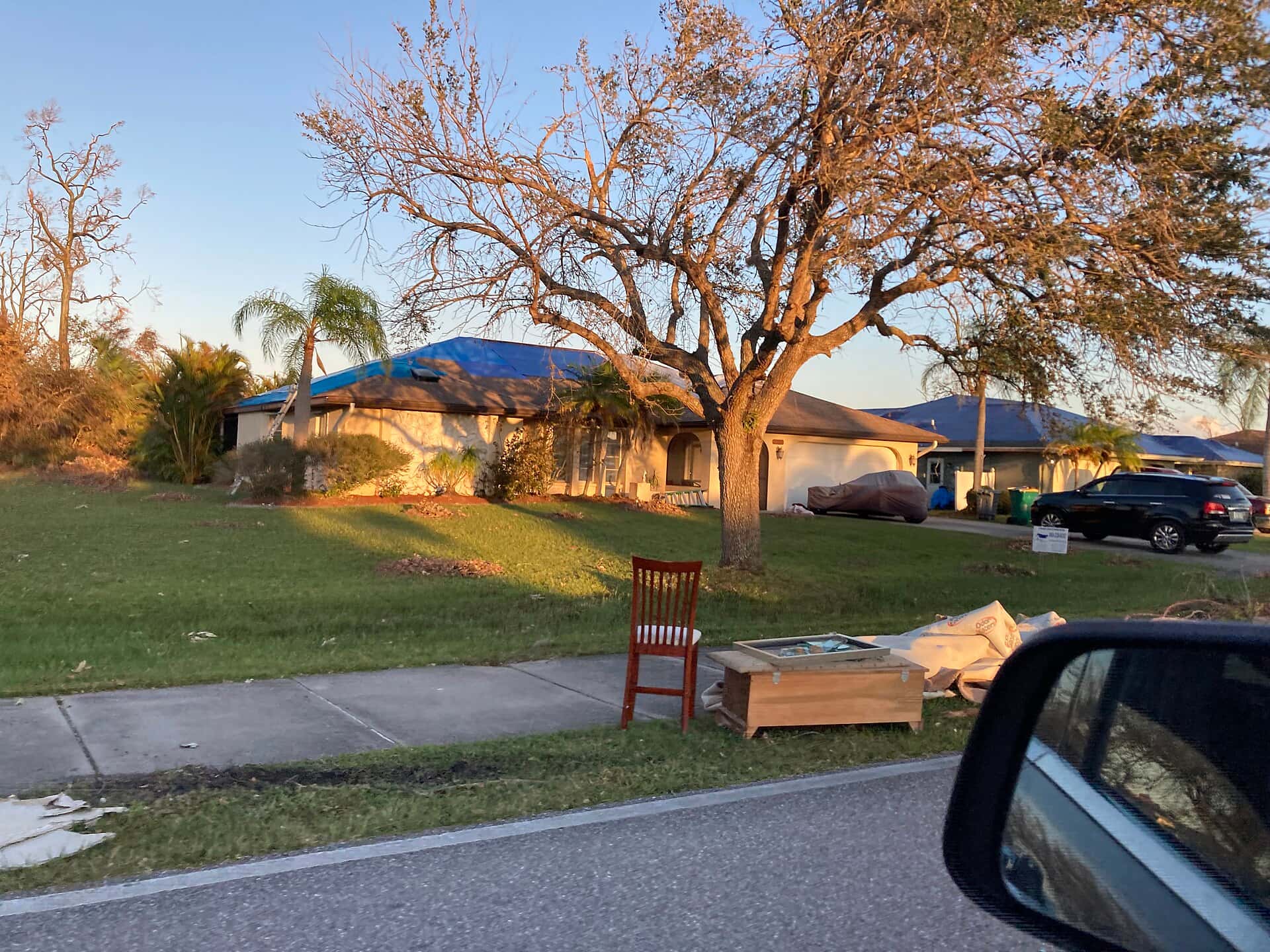
Hurricane Isaias is shaping up as a billion-dollar storm for insurers, but a far smaller one than feared. The two major catastrophe modelers have now put insured losses between $1 billion and $3 billion, well below projections made before the Category 2 hurricane came ashore near Destin on Oct. 9, and a fraction of the more than $9 billion in Florida claims Hurricane Michael generated in 2018. For Panhandle homeowners, the lower industry number does not shrink their own repair bills, and Florida regulators have yet to publish a count of how many claims have been filed.
What the modelers estimate
Cotality, the first to publish a post-landfall figure, estimated industry-wide insured losses from wind and storm surge at $2 billion to $3 billion, with most of the losses expected in the Florida Panhandle and southern Alabama. Verisk followed on Oct. 13 with a lower range of $1 billion to $2 billion for insured onshore property, saying wind would account for the vast majority of losses.
The estimates measure different things, and both leave out large categories of loss:
| Estimate | Range | Timing | Notes |
|---|---|---|---|
| BMS Group | $4 billion to $6 billion | Before landfall | Reinsurance broker projection |
| Cotality | $2 billion to $3 billion | After landfall | Insured wind and storm surge |
| Verisk | $1 billion to $2 billion | Oct. 13 | Onshore property; wind and privately insured surge |
Euler ILS Partners separately put the industry loss at $2 billion to $4 billion. Verisk's figure covers residential, commercial and industrial property and automobiles, including buildings, contents and time-element coverage such as additional living expenses. It excludes losses paid by the National Flood Insurance Program, uninsured property, infrastructure, marine losses and loss adjustment expenses, according to Insurance Business. Verisk also said the final bill could run higher than its modeled range if litigation or fraud inflate claims. Rain-driven flooding inside homes falls largely outside standard homeowners policies, which typically exclude flood.
Why the number came in lower
Insurance Journal described Isaias as an unusual storm: its highest recorded winds hit the Pensacola area rather than Destin, where forecasters had expected the worst. The state has said gusts reached 116 mph in parts of Escambia and Santa Rosa counties, while sustained winds at landfall were 105 mph. Verisk said the most severe wind damage was in Santa Rosa County and northeastern Escambia County, while in Okaloosa County the most common damage was trees falling onto homes.
Early claim volume has been modest. One carrier reported just over 400 claims in the Panhandle out of roughly 8,000 policyholders in the region, Insurance Journal reported. A Security First Insurance executive told the publication that a loss about a tenth the size of Michael's would make Isaias a billion-dollar storm, in line with the modelers' range.
How Isaias compares with Michael and Sally
The Florida Office of Insurance Regulation's data on the two most recent Panhandle hurricanes offers a benchmark for what is coming. Michael, a Category 5 storm, made landfall at Mexico Beach in 2018; Sally came ashore as a Category 2 near Gulf Shores, Alabama, in 2020 and flooded much of Pensacola.
| Storm | Florida claims | Florida insured losses |
|---|---|---|
| Michael (2018) | About 159,000 | More than $9 billion |
| Sally (2020) | Fewer than 72,000 | About $577 million |
| Isaias (2026) | Not yet published | $1 billion to $3 billion (modeled, industry-wide) |
The Isaias row is not a direct comparison: the modeled figures cover the whole industry, including Alabama, while the OIR figures count only Florida claims. Still, the early ranges put Isaias closer to Sally than to Michael.
Citizens' exposure in the Panhandle
Citizens Property Insurance Corp., the state-backed insurer of last resort, has a relatively small footprint in the storm zone. Before Isaias, Citizens had 8,882 policies with wind coverage, worth more than $3.2 billion in insured value, across 10 Panhandle counties: Escambia, Santa Rosa, Okaloosa, Walton, Holmes, Bay, Washington, Gulf, Franklin and Calhoun, according to Insurance Journal, which cited data from the end of July.
Statewide, Citizens reported 254,413 policies in force as of Oct. 9, according to its website, after shedding more than a million policies over the past three years. Cotality has noted that while Citizens has significant coastal exposure statewide, it is less concentrated in the Panhandle, which limits its share of the Isaias losses. Citizens has not published an Isaias claim count; policyholders can report losses through its Claims Reporting Center at 866-411-2742.
State claims data still pending
The Office of Insurance Regulation has not yet released Isaias claim numbers. Under a data call issued for the storm, insurers with Florida policies must file cumulative claims reports on a simplified catastrophe reporting form, with deadlines at noon on Tuesday, Oct. 13, and Thursday, Oct. 15. After past storms, OIR has published the totals, including claims filed, claims closed and estimated insured losses. Those figures will be the first hard count of how many Floridians are filing.
Help for policyholders
The Florida Department of Financial Services, led by Chief Financial Officer Blaise Ingoglia, opened Insurance Assistance Hubs on Oct. 12 where residents can get help with claims:
- Pensacola: University of West Florida, Parking Lot B, 11000 University Parkway
- Destin: Morgan Sports Complex, 4200 Indian Bayou Trail
Both have generally been open from 9 a.m. to 4 p.m. The department's insurance help line is 1-877-693-5236, and suspected insurance fraud can be reported at 1-800-378-0445. Homeowners should photograph damage before cleanup, keep receipts for tarps and temporary repairs, and check whether their policy carries a separate hurricane deductible, which is usually a percentage of the home's insured value and can mean a substantial out-of-pocket cost even for moderate roof damage. Damage from flooding is covered only for those with flood insurance, either through the NFIP or a private carrier.
What's next
Thursday's OIR reporting deadline should produce the first official claim count, and modelers' ranges typically narrow as adjusters reach damaged homes. Separately, Escambia County's preliminary $64 million estimate of public damage and recovery costs, along with figures still coming from Okaloosa and Santa Rosa, will feed the state's request for a federal major disaster declaration, which would open FEMA aid to uninsured and underinsured households.
Spotted an issue with this article?
Have something to say about this story?
Write us a letterComments
No comments yet. Be the first to weigh in.
Related Coverage

DeSantis Awards $27 Million in Rural Infrastructure Grants to 14 Communities as Panhandle Recovers From Isaias
2h ago

Alonzo Mourning's Courtside II Opens in Overtown, Adding 120 Affordable Apartments With Rents From $683
3d ago

Bern's Steak House, South Howard Businesses Sue Tampa to Halt $100 Million Flood Relief Project
4d ago
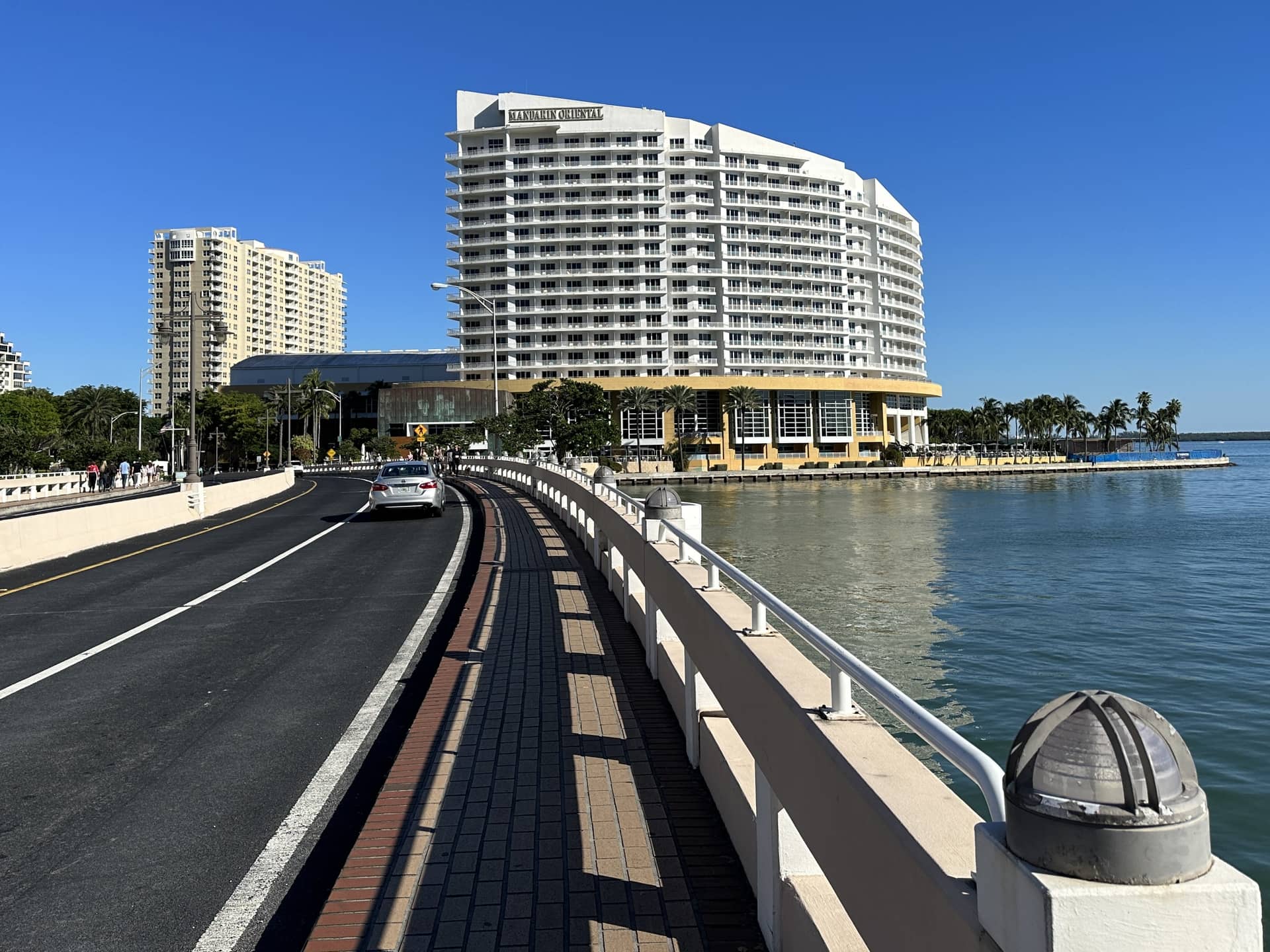
Swire Breaks Ground on Mandarin Oriental Towers on Brickell Key After Selling More Than $1.7 Billion in Condos
4d ago