JTA Asks Public What Should Replace the Shuttered Jacksonville Skyway, With Options Up to $565 Million
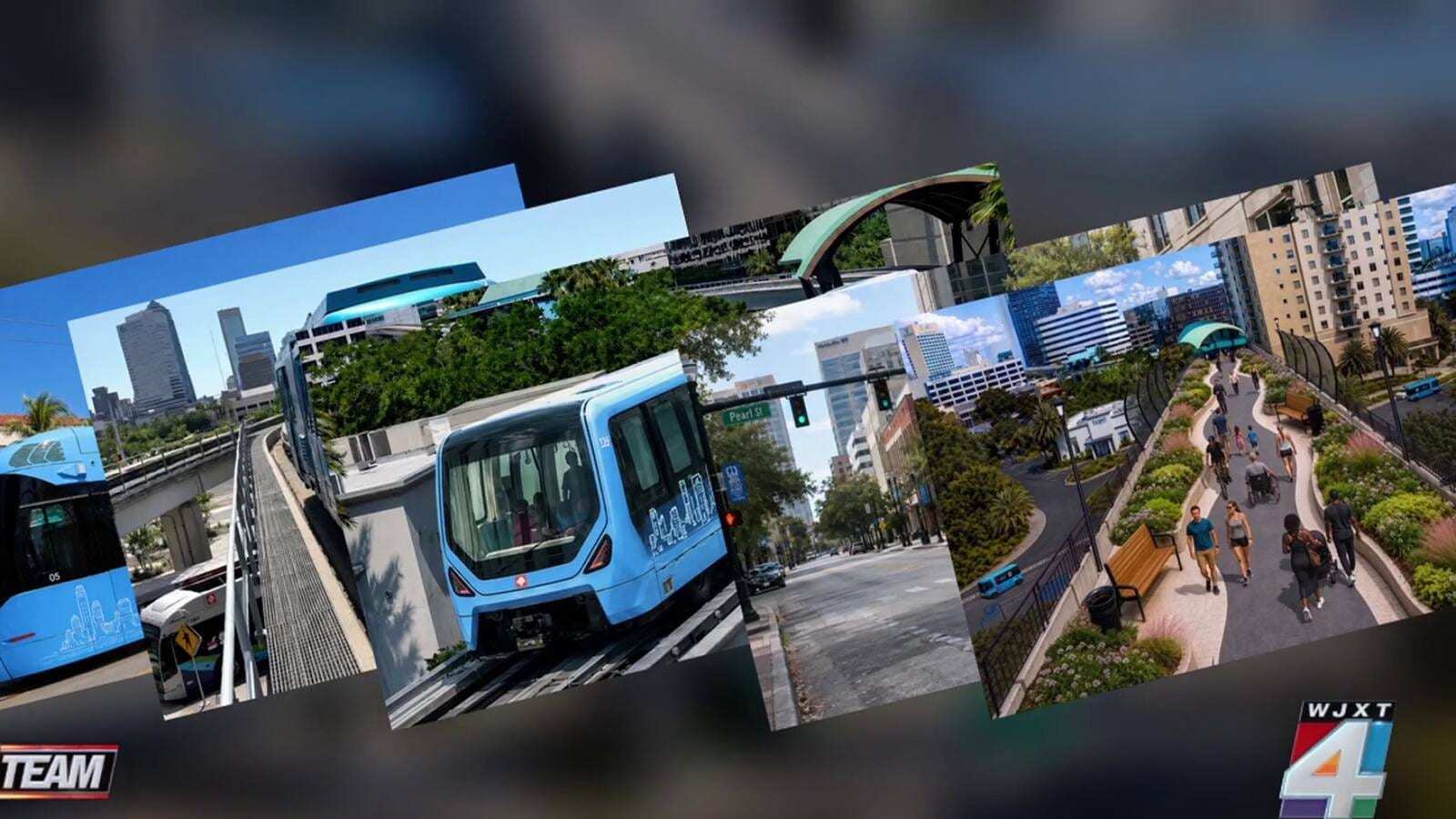
With the Jacksonville Skyway shut down indefinitely and its parent agency in a financial crisis, the Jacksonville Transportation Authority is asking the public what should replace the 2.5-mile elevated system. JTA has posted six alternatives online, ranging from rehabilitating the aging trains to tearing the structure down for streetcars at a cost of $565 million, and is collecting comments through its website, News4JAX reported on November 20.
No option has been chosen. JTA's interim chief executive told the agency's board that staff would bring three options back to the public for feedback in early December, according to News4JAX. The agency has not published a deadline for the current round of comments in the material reviewed for this story.
The six options on the table
The alternatives come out of JTA's study of the second phase of its Ultimate Urban Circulator program, known as U2C, which for nearly a decade was supposed to convert the Skyway into a network of autonomous vehicles. Cost estimates have been released in pieces over the past several months; the figures below come from JTA presentations reported by News4JAX in September and November and by Action News Jax in September.
| Option | Reported capital cost |
|---|---|
| Keep the Skyway and rehabilitate its vehicles | Not reported for this version |
| Replace vehicles with airport-style trains | About $428 million |
| Convert the track to a roadway for autonomous shuttles | About $294.2 million |
| Remove the structure and run autonomous vehicles on streets | About $152 million, the lowest |
| Repurpose the structure as a multiuse trail | More than $260 million |
| Remove the structure and build a streetcar line | About $565 million, the highest |
In September, JTA said running the system as it is would cost about $15.15 million in capital spending plus about $11.85 million a year, but most of the original vehicles were already out of service and many replacement parts were no longer available. The street-level autonomous option would use up to 45 vehicles serving 17 downtown stops, according to News4JAX, while the streetcar plan called for 12 street-level trains and 12 stops, with possible expansion to Riverside and the Sports and Entertainment District.
The trail option paired with street-level autonomous vehicles was the most popular choice among people surveyed earlier in the process, Action News Jax reported, while removing the Skyway entirely was the least popular despite being the cheapest. JTA chief innovation officer Bill Frazer said at a September public meeting that the street-level option would be the cheapest over 30 years once capital, operating and vehicle replacement costs were counted.
On how it would pay for the more expensive choices, JTA said in a statement to News4JAX that "implementation of any selected alternative would likely require a combination of funding partners."
A system that ran out of road
The Skyway opened on May 30, 1989, as a rubber-tired people mover and was rebuilt as a Bombardier monorail that reopened in December 1997. Its eight stations stretch from the Rosa Parks station north of downtown across the St. Johns River to Kings Avenue in San Marco. JTA once projected 100,000 riders a month, a figure the system never approached. Fares have been free since 2012, and ridership was about 253,200 in 2025.
By February 2026, only two of the 10 monorail vehicles purchased in 1997 were still operating, and JTA considered the system obsolete. In December 2016, agency staff recommended replacing the monorail with shared autonomous vehicles that would run on the elevated guideway and at street level, launching the U2C program. In 2021, the Jacksonville City Council approved Local Option Gas Tax funding for the effort, though it cut $132 million from the plan.
About $247 million in gas tax money remains programmed for Skyway rehabilitation over the next 24 years, News4JAX reported. JTA has said that dedicated local money could help it secure federal funding, and the agency has said completing the environmental study would position it to compete for federal grants. City Councilmember Rory Diamond has pushed to pull city funding for later phases of U2C. A local business publication reported in February that JTA could face a federal penalty of up to $100 million if the system fails or is demolished, a risk that hangs over the demolition options.
Shut down by a budget crisis
The Skyway's fate is now bound up with JTA's broader financial troubles. In September, the JTA board approved a $139 million budget for fiscal 2027, down from $178 million, to close a gap of about $39 million. The cuts included suspending Skyway passenger service starting November 2, which JTA estimated would save about $10 million during the year, as well as reduced bus schedules and a pause in the autonomous NAVI shuttle service starting January 1, 2027. Up to 194 employees faced layoffs. The Skyway ended up closing early, on October 30, citing unexpected operational circumstances.
Former CEO Nat Ford resigned in July and has since become chief executive of Dallas Area Rapid Transit. In October, JTA board member Daniel Vallencourt accused Ford's team of hiding the depth of the agency's problems for more than a year and called for the remaining top executives to resign. Fitch Ratings downgraded JTA's credit rating the same month, citing weakened financial resilience.
Florida Attorney General James Uthmeier's office has also issued criminal investigative subpoenas to JTA. One seeks records dating to October 2023 on the U2C, the Skyway, NAVI and the Bay Street Innovation Corridor, along with records on Ford and interim CEO Cleveland Ferguson III, with a production deadline of November 20. The gas tax funding for the Skyway is among the issues under investigation, according to News4JAX. Ferguson has said everything is on the table regarding the gas tax and U2C plans.
What riders are saying
Riders who relied on the free service told News4JAX they feel stranded. "We're stuck. I can't go to the library," said Tiffany Murray. Another rider, William Wall, said he would like to see the Skyway expanded rather than removed, while Murphy Scott said JTA should keep running it only if it is financially viable.
The split mirrors earlier rounds of public input. JTA held eight open houses over about five weeks beginning in February to gather feedback on its original five options, then added the modern streetcar after hearing from the public. The board had initially expected to choose an alternative in June, but the decision slipped as the agency's finances deteriorated.
What's next
Residents can review the six alternatives and submit comments at jtafla.com. JTA staff are expected to narrow the list to three options and return to the public in early December, with cost, available funding, public input and long-term financial sustainability guiding the choice, according to the agency. Any final decision will come as the attorney general's investigation continues and as JTA works to rebuild its budget, leaving downtown Jacksonville without its elevated transit line for the foreseeable future.
Spotted an issue with this article?
Have something to say about this story?
Write us a letterComments
No comments yet. Be the first to weigh in.
Related Coverage
Carnival Orders a New Class of Smaller LNG Cruise Ships for 2033 and 2035, Opening More Doors at Florida Ports
2h ago
Former JEA CEO Vickie Cavey's Pension Calculated at $451,688 a Year, Pending Board Vote
1d ago
Citizens Will Require Flood Insurance for Most Home Policies Starting Jan. 1, Even Outside Flood Zones
1d ago
Florida AG James Uthmeier says DraftKings' 21 Rivals blackjack game is illegal casino gambling
3d ago