Jury Convicts Mario Fernandez Saldana in the Murder-for-Hire Killing of Jared Bridegan
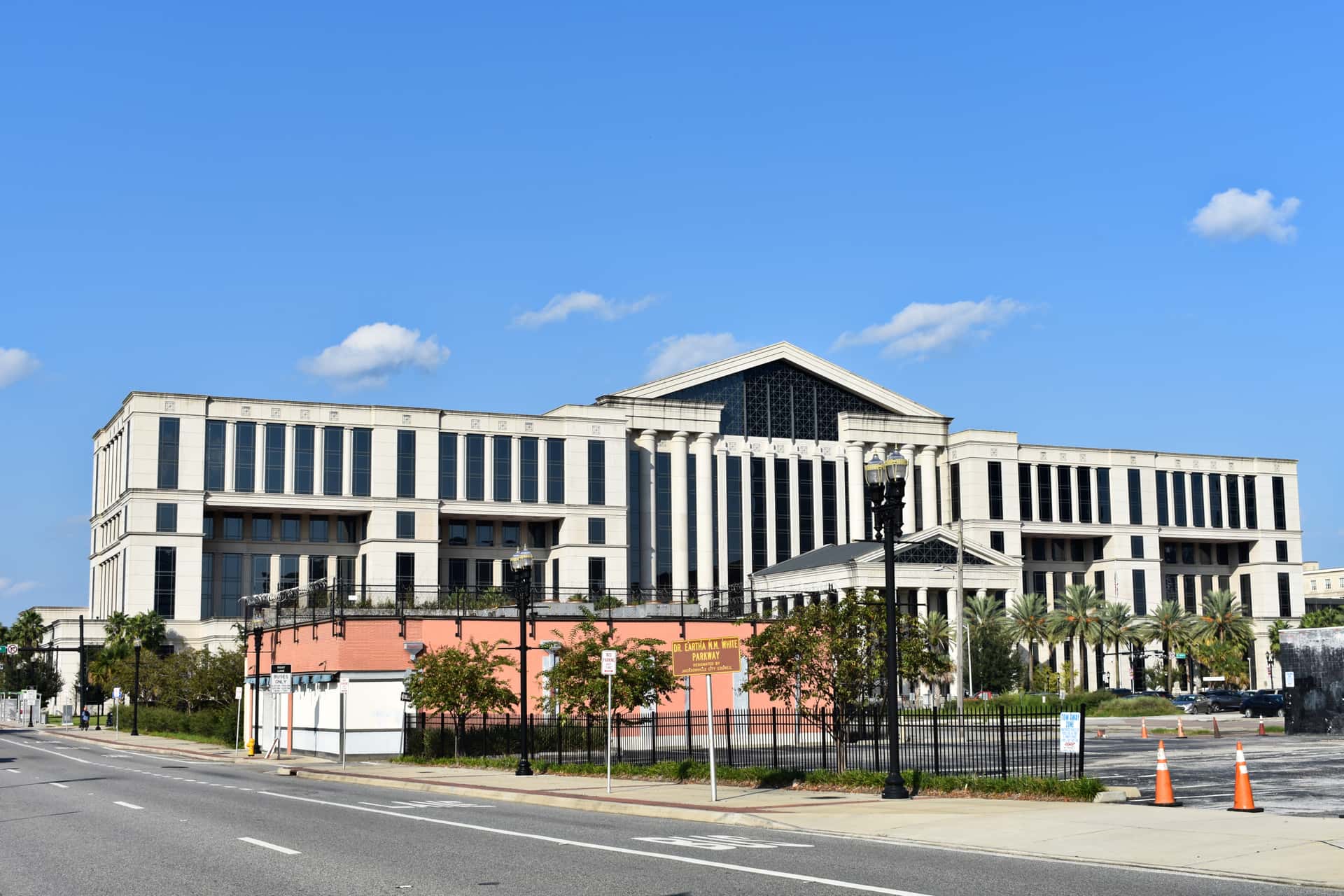
A Florida jury convicted Mario Fernandez Saldana, 38, of first degree murder and solicitation to commit a capital felony on August 26 in the 2022 killing of Jared Bridegan, a Microsoft executive who was shot on a Jacksonville Beach road. Jurors deliberated for nearly four hours before returning the verdict.
Bridegan was killed in February 2022 after he stopped his SUV and got out to move a tire that had been placed in the roadway. He was driving with his young daughter in the vehicle at the time. Prosecutors presented the tire as part of a planned ambush rather than a chance obstruction.
The conviction resolves one part of a case that has drawn national attention across more than four years and that still has significant proceedings ahead. Two additional defendants have been charged, and one of those trials is scheduled to begin in September.
What the jury decided
Fernandez Saldana was found guilty of first degree murder and of solicitation to commit a capital felony. First degree murder in Florida requires proof of premeditation or that the killing occurred during the commission of certain felonies.
Solicitation to commit a capital felony is a separate offense addressing the act of asking or hiring another person to commit the crime, which is why it can be charged alongside the murder count in a case built on a murder for hire theory.
Prosecutors alleged that Fernandez Saldana and Shanna Gardner, his wife and Bridegan's former wife, were the architects of the killing, and that a third charged individual, Henry Tenon, a former tenant of Fernandez Saldana, fired the shots.
Sentencing was to be scheduled following the verdict. A first degree murder conviction in Florida carries either life imprisonment without the possibility of parole or a death sentence, depending on how the case proceeds after conviction.
The case against the other defendants
Shanna Gardner faces the same charges as Fernandez Saldana. She was formerly married to Bridegan and shares two children with him, and prosecutors have described a prolonged dispute over the parenting of those children as the motive for the killing. Her trial is scheduled to begin in September. She has not been convicted, and the charges against her remain allegations.
Henry Tenon has been identified by prosecutors as the person who fired the weapon. Reporting on the case has indicated that he has sought to withdraw a guilty plea, a motion that would be decided by the trial court.
Florida prosecutors have previously indicated an intent to seek the death penalty in connection with the case. Capital sentencing in Florida requires a separate penalty phase proceeding after a conviction, in which a jury considers aggravating and mitigating circumstances.
Because the remaining trial is imminent, courts typically take steps to limit prejudicial publicity, including jury selection procedures designed to identify jurors who have not formed opinions from coverage.
How the investigation developed
The killing occurred in February 2022 in Jacksonville Beach, in Duval County. The initial investigation was conducted by local law enforcement, and arrests in the case came in stages over the following months and years rather than immediately.
Charging one defendant at a time is common in murder for hire investigations, where prosecutors typically work from the person who carried out the act toward those alleged to have arranged it. Cooperation agreements frequently play a role in that progression.
The case has been covered nationally through much of its history, including by network news programs, in part because of the circumstances of the shooting and in part because Bridegan's daughter was present in the vehicle.
Bridegan's widow addressed the verdict publicly after it was returned, describing the outcome as a vindication of the case prosecutors had presented.
How Florida handles first-degree murder
First degree murder is the only offense in Florida for which a death sentence is available. When the state seeks death, the trial proceeds in two phases: a guilt phase, followed if there is a conviction by a penalty phase before the same jury.
Florida changed its capital sentencing law in recent years to permit a death recommendation on a jury vote below unanimity, a change that followed a period during which unanimity was required. The judge retains authority over the final sentence within the statutory framework.
Where the state does not seek death, or where the penalty phase does not produce a death recommendation, the sentence for first degree murder is life imprisonment without the possibility of parole.
Appeals in capital and life cases proceed automatically or by right depending on the sentence, and Florida's Supreme Court has direct review jurisdiction over death sentences.
What it means for the community
For Jacksonville Beach and the surrounding Duval County community, the case has been present in local life for more than four years. The location where the shooting occurred is an ordinary residential street, and the ambush occurred in a setting residents pass daily.
Prosecutors in Florida's Fourth Judicial Circuit, which covers Duval, Clay, and Nassau counties, have handled the case. Circuit level State Attorney offices carry responsibility for homicide prosecutions in Florida, and the outcome reflects a case built over years rather than months.
For the family, including Bridegan's widow and the children involved, the September trial means the legal proceedings continue rather than concluding with this verdict.
Cases involving children present during a violent crime raise victim services considerations that courts and prosecutors handle through specialized units, and Florida's circuits maintain victim advocate programs for that purpose.
What solicitation to commit a capital felony means
The second count on which Fernandez Saldana was convicted is less familiar than murder, and its elements explain why prosecutors charged it alongside the homicide.
Solicitation under Florida law occurs when a person commands, encourages, hires, or requests another person to engage in specific conduct that would constitute an offense. The offense is complete at the moment of the solicitation, regardless of whether the person solicited agrees or acts.
Because the underlying offense here is a capital felony, the solicitation charge carries penalties scaled to that gravity. Charging both counts allows a jury to convict on the solicitation even if it were not persuaded on the murder count, and it establishes the murder for hire theory in the verdict itself.
Proving solicitation typically relies on communications evidence, financial records, and testimony from participants. In murder for hire prosecutions, cooperation from the person alleged to have carried out the killing is frequently central, which is why the sequence of charging and plea negotiations across multiple defendants shapes these cases.
Trying a case after years of coverage
Cases that attract sustained national attention present courts with a specific problem: seating a jury that has not formed opinions from media exposure.
Florida courts address this primarily through voir dire, the jury selection process, in which prospective jurors are questioned about what they have seen and whether they can set it aside. Judges may conduct individual questioning outside the presence of other prospective jurors when pretrial publicity is extensive.
Other available tools include change of venue, which moves the trial to another county, and importing a jury from elsewhere while keeping the trial in the original venue. Both are used sparingly because they impose substantial cost and inconvenience.
Sequestration, isolating jurors from outside information during trial, is rare in Florida and generally reserved for the most heavily covered proceedings. More commonly, judges instruct jurors repeatedly to avoid coverage and to refrain from independent research, including online searches about the case.
With Shanna Gardner's trial scheduled for September in the same circuit, the coverage of this verdict becomes part of the pretrial publicity environment her jury selection must address. That is a routine feature of sequential trials of co defendants and one courts manage through the same tools.
Appellate courts review whether those safeguards were adequate when defendants raise publicity claims on appeal.
Capital sentencing in Florida
Whether this case proceeds to a penalty phase depends on decisions prosecutors make, and the framework governing that phase is worth setting out plainly.
When the state seeks a death sentence, the trial splits into two parts. After a guilt phase conviction, the same jury hears evidence on aggravating circumstances, which are factors enumerated in statute that make a killing more culpable, and mitigating circumstances, which are any factors offered in favor of a life sentence.
The jury must find at least one statutory aggravating circumstance proven beyond a reasonable doubt before death becomes available. Aggravators relevant to murder for hire cases include that the killing was committed for pecuniary gain and that it was cold, calculated, and premeditated.
Florida law was amended to permit a death recommendation on a jury vote below unanimity, following a period in which unanimity was required. The judge then imposes sentence within the framework the jury's findings establish.
Where the state does not seek death, or where a penalty phase does not produce a death recommendation, the sentence is life imprisonment without the possibility of parole. Florida abolished parole for offenses committed after the early 1980s, so a life sentence means exactly that.
What's next
Sentencing for Fernandez Saldana will be scheduled by the court. Whether the state pursues a death sentence in his case determines whether a penalty phase proceeding follows.
Shanna Gardner's trial is scheduled to begin in September in the same circuit. She is presumed innocent, and the state carries the burden of proof on every element of the charges.
Henry Tenon's motion regarding his plea will be resolved by the trial court, and the outcome could affect his role in the remaining proceedings.
Any conviction will be subject to appeal, a process that in Florida homicide cases typically extends for years after trial. Court records in these proceedings are generally public through the Duval County Clerk of Courts.
Spotted an issue with this article?
Have something to say about this story?
Write us a letterComments
No comments yet. Be the first to weigh in.
Related Coverage
Judge Weighs Whether Jurors Can Hear About Jeff Knight's 2019 Boat Crash in Clearwater Ferry Case
21h ago
DNA From ICE Arrest Leads to Charges in 2012 LaBelle Rape and Kidnapping of 14-Year-Old Girl
23h ago

Two Spring Hill men indicted in 2018 home invasion killing of young father in Hernando County
1d ago
Operation Cooked: Undercover Osceola Sting Nets At Least 20 Arrests of Men Accused of Seeking Sex With Children
1d ago