Messi Chases a World Cup Crown as Inter Miami Prepares to Restart Its MLS Season
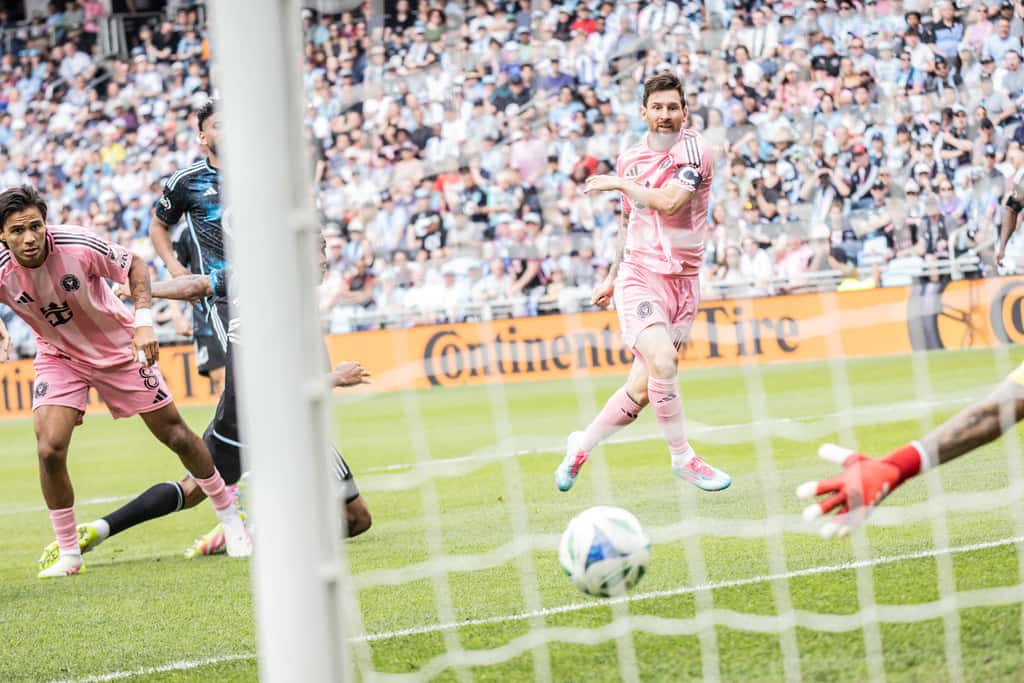
Lionel Messi has South Florida watching the world's biggest stage once again. The Inter Miami star leads Argentina into the 2026 FIFA World Cup final against Spain, a generational showdown that caps a summer in which soccer has dominated the region's sporting attention and reinforced Miami's growing place in the global game.
The final, contested between the reigning world champions from Argentina and the European champions from Spain, features a marquee clash of eras, with Messi facing Spain's young star Lamine Yamal in a duel between the sport's established icon and its emerging talent. For Inter Miami supporters, watching their club's talisman compete for the sport's ultimate prize adds a local dimension to a global event.
The tournament's climax also sets the stage for the return of Major League Soccer, which paused for roughly seven weeks to accommodate the World Cup. Inter Miami, the reigning MLS Cup champions, will restart its season shortly after the final, shifting the spotlight from the international stage back to the club competition that Messi has transformed since his arrival in South Florida.
Messi on the world stage
Messi's run to the final has been the story of the tournament for many observers, extending a career already defined by its accomplishments. He has led the Golden Boot race with eight goals while adding four assists, driving Argentina through the knockout rounds and into a final that offers the chance to add another chapter to his standing among the sport's greatest players.
Argentina reached the championship match by defeating England in the semifinals, a victory that sent Messi into another World Cup final and extended what has been a demanding summer. For a player who has already achieved nearly everything the sport offers, the pursuit of another World Cup title carries a weight that has captivated fans around the world, including the many who now follow him in South Florida.
The final pits him against Spain and Yamal in a matchup framed as a passing of the torch, the veteran maestro against the rising prodigy. That narrative has given the championship match an added layer of intrigue, and it has drawn attention from casual and dedicated fans alike, many of them in a Miami market that has embraced Messi since his move to the city.
Miami's World Cup summer
The 2026 World Cup, hosted across the United States, Canada, and Mexico, brought the tournament to South Florida, with the Miami area serving as one of the host regions. Matches drew international crowds to the region, showcasing the area's appeal as a global destination and cementing its status as a hub for the sport's growth in North America.
Hosting World Cup matches delivered an economic and cultural boost, filling hotels, restaurants, and venues with visitors from around the world. The tournament offered South Florida a platform to present itself on soccer's biggest stage, and the influx of fans underscored the region's diverse, international character and its deep connection to the global game.
For a market that has become one of the most passionate soccer audiences in the country, the World Cup summer represented a high point. The combination of hosting matches and watching Inter Miami's own star compete for the title created a rare convergence, keeping soccer at the forefront of the region's attention through the heart of the summer.
Inter Miami's championship pedigree
Inter Miami enters the second half of its MLS season as the reigning champion, having captured the MLS Cup by defeating the Vancouver Whitecaps 3-1 in the previous final. That title validated the club's ambitious project and established Messi and his teammates as the standard-bearers in a league that has invested heavily in raising its profile.
Messi's individual form has remained exceptional. Before the World Cup break, he produced 12 goals and eight assists in 14 appearances for the club, numbers that reflect his continued brilliance even as he balances the demands of club and country. His performances have been central to Inter Miami's success and to the surge of interest the club has generated.
The club has also reinforced its roster, adding goalkeeper Dayne St. Clair from Minnesota, left back Sergio Reguilon from Tottenham Hotspur, and forward German Berterame from Monterrey. Those signings signal an intent to defend the title and to build a squad capable of competing on multiple fronts as the season resumes.
The MLS restart
Major League Soccer scheduled an extended break to accommodate the World Cup, pausing the season for roughly seven weeks. Inter Miami is set to restart its campaign shortly after the final, facing Chicago Fire as league play resumes and the focus returns to the domestic competition that Messi has helped elevate.
The restart presents its own challenges, particularly for a club whose star will be returning from an exhausting international summer. Managing Messi's workload after a deep World Cup run will be a consideration for the club, which must balance his availability with the demands of a season that resumes in the summer heat and stretches toward the playoffs.
For Inter Miami, the second half of the season offers the opportunity to defend its crown and to reward a fan base that has embraced the club with fervor. The return of league play, with Messi back in the fold after his World Cup exploits, promises to keep South Florida engaged as the club pursues another championship run.
Growing the game in Florida
Messi's arrival in South Florida has accelerated the growth of soccer in a region already primed for the sport. The area's large and diverse population, with deep ties to soccer-loving nations across Latin America and beyond, provided fertile ground for the sport's expansion, and the presence of one of its greatest players has amplified interest to new heights.
The effect has extended beyond Inter Miami's matches to the broader soccer culture of the region. Youth participation, viewership, and the general profile of the sport have all benefited from the attention Messi has drawn, and the World Cup's arrival in the area has further cemented South Florida's status as a genuine soccer market within the United States.
That growth carries long-term implications for the sport in the region and the country. As Major League Soccer seeks to raise its profile and to capitalize on the momentum of hosting a World Cup, the enthusiasm evident in South Florida offers a model for how the game can take root and flourish in an American market.
The demands of a long summer
The convergence of the World Cup and the MLS season has placed extraordinary demands on Messi and other players who compete in both. A deep run in the tournament, culminating in a final, extends an already grueling schedule, and the physical toll of such a summer is significant for any player, let alone one at a later stage of a storied career.
For Inter Miami, managing that workload will be a delicate task as the season resumes. The club must balance the desire to feature its star with the need to preserve his health over the long stretch of matches that lie ahead, a challenge that will require careful planning and, at times, difficult decisions about rest and rotation.
The situation reflects the broader tension in modern soccer between the demands of club and country and the physical limits of even the greatest players. How Messi and Inter Miami navigate the aftermath of an exhausting World Cup summer will be a storyline to watch as the club pursues its ambitions in the second half of the season.
The economics of a soccer star
Messi's presence has generated substantial economic activity for Inter Miami and the region, from ticket sales and merchandise to sponsorships and the broader attention his star power attracts. His arrival transformed the club's commercial profile and elevated its standing within Major League Soccer, demonstrating the drawing power of a global icon.
The World Cup summer amplified those effects, bringing international visitors and attention to the region as it hosted matches. The combination of a marquee tournament and a resident superstar created a convergence of soccer interest that translated into economic benefits for hotels, restaurants, and businesses tied to the influx of fans and the heightened profile of the sport.
The value extends beyond immediate spending to the longer-term growth of soccer as a commercial and cultural force in the region. As interest in the sport deepens, the foundation for future economic activity strengthens, from youth participation to viewership to the broader ecosystem of businesses that surround a thriving soccer market.
For Major League Soccer as a whole, the Messi era has offered a template for how star power can drive growth. The league has invested in raising its profile, and the attention Messi commands has provided a boost, illustrating the potential for the sport to expand its commercial reach in a market where its popularity continues to climb.
What comes next
The immediate focus is the World Cup final and Messi's pursuit of another title on the sport's grandest stage. Win or lose, his run through the tournament has already reinforced his stature and kept South Florida connected to the global game, and the outcome will be watched closely by the many fans who now count him as their own.
Beyond the final lies the resumption of the MLS season and Inter Miami's quest to defend its title. The club's ambitions extend across competitions, and the second half of the year will test whether the roster, bolstered by offseason additions, can sustain the standard it set in winning the previous MLS Cup.
For a region that has become a genuine soccer market, the summer of 2026 has been a landmark, from hosting World Cup matches to watching its star chase the ultimate prize. As the tournament reaches its conclusion and league play returns, South Florida remains firmly at the center of a sport whose popularity in the area continues to climb.
Spotted an issue with this article?
Have something to say about this story?
Write us a letterComments
No comments yet. Be the first to weigh in.
Related Coverage

Paolo Banchero Scores 24 as Magic Beat Heat 136-115 in Preseason Finale at Kia Center
15h ago
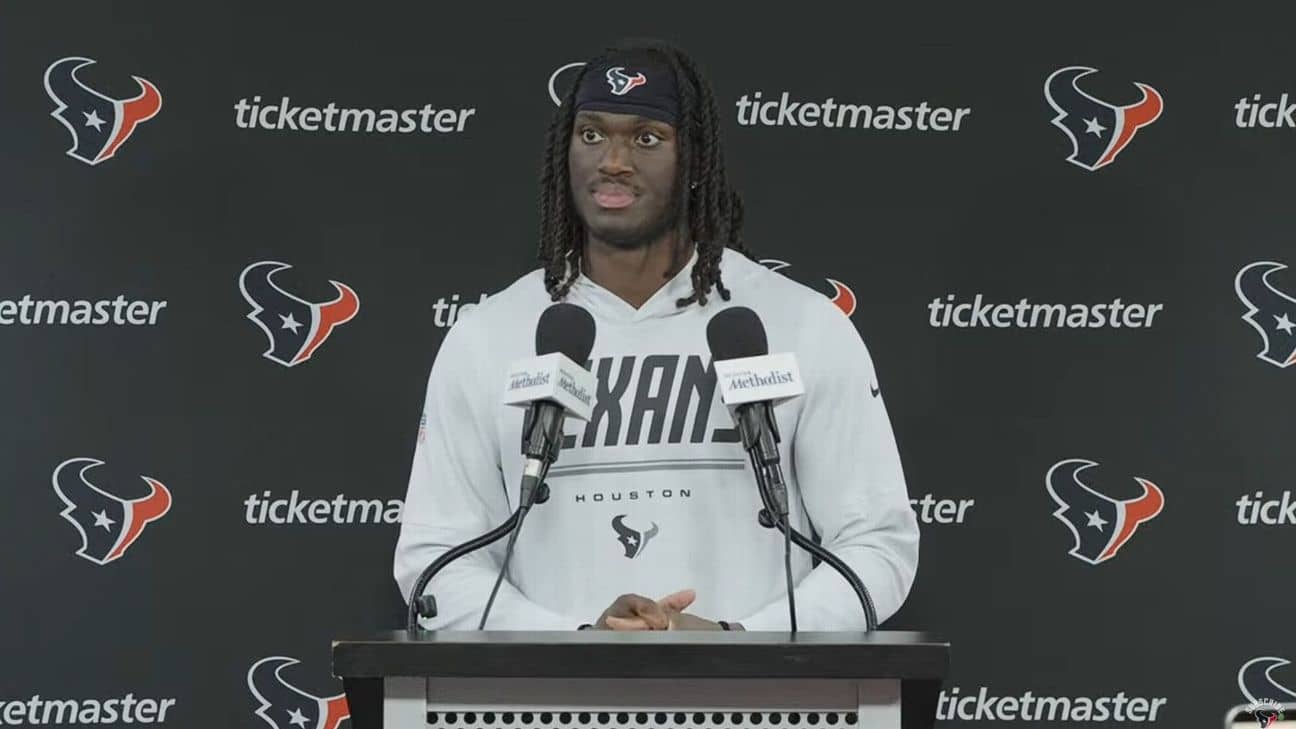
Jaguars Face Texans at Wembley Stadium With Walker Little Replacing Injured Anton Harrison
17h ago

ESPN Handshake Deal Moves College Football Closer to 24-Team Playoff as Miami, Florida Programs Watch
20h ago
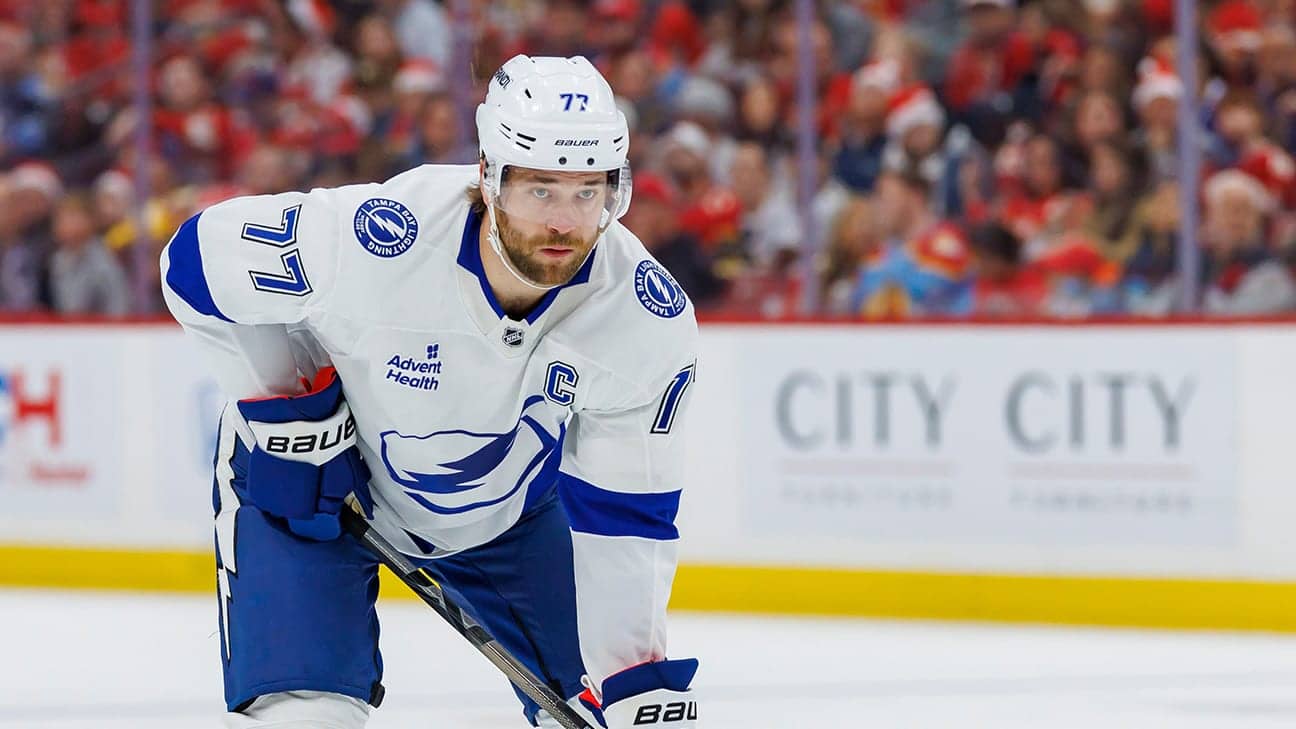
Victor Hedman Scores in Overtime as Lightning Beat Kraken 4-3 for Fifth Win in Six Games
1d ago