Miami's World Cup Windfall Comes Into Focus as the Tournament Wraps
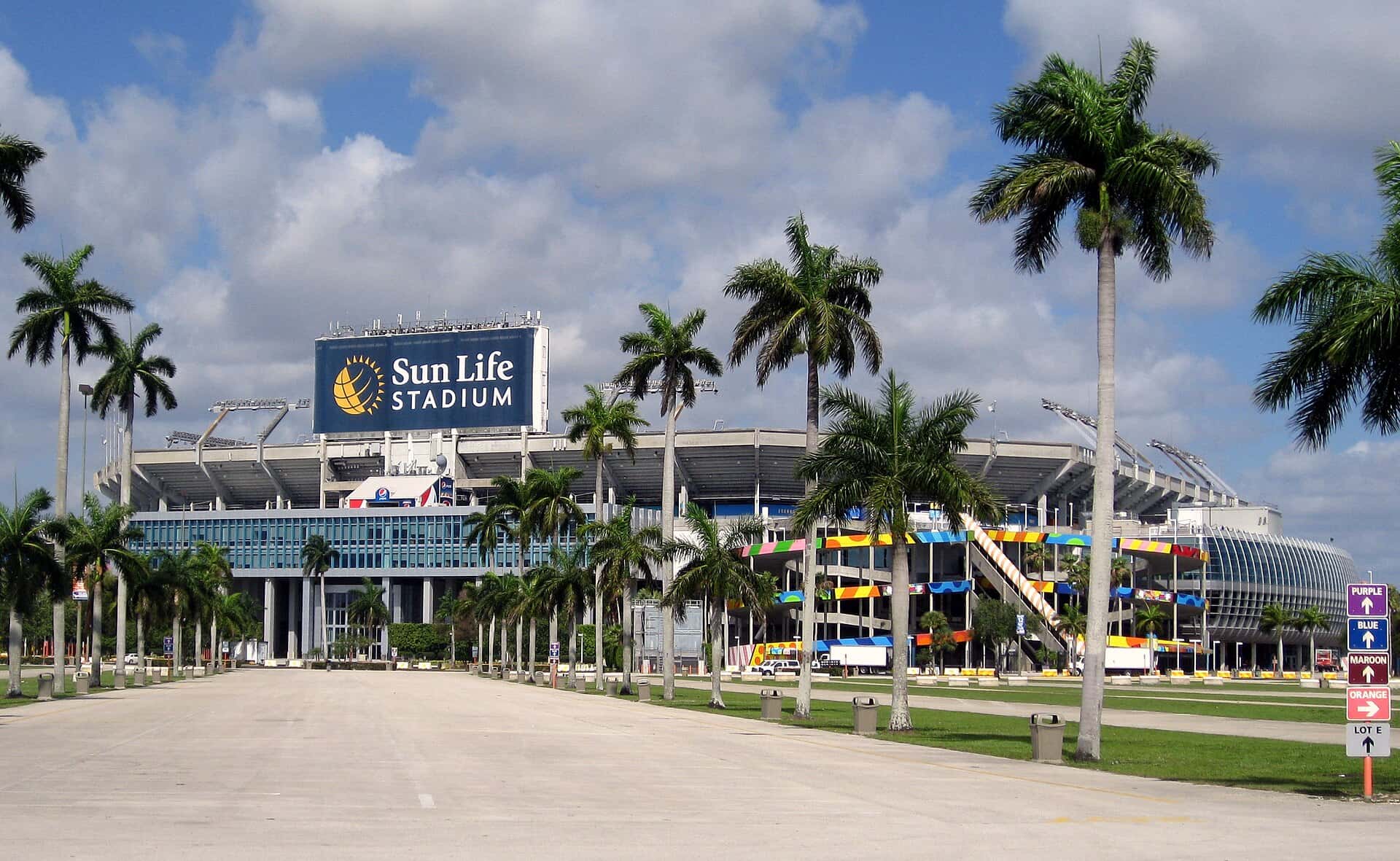
The 2026 FIFA World Cup has come to a close, and South Florida is now counting what it gained from a month in the global spotlight. Hard Rock Stadium in Miami Gardens, rebranded as Miami Stadium for the tournament, hosted seven matches across the competition, culminating in a quarterfinal and the third-place playoff. As the final whistle blew on the tournament, attention turned to the economic windfall the games delivered to a region that markets itself as a world city.
The numbers attached to the event are substantial, if inherently imprecise. Projections placed the direct economic activity from Miami's seven matches at more than $650 million, with broader estimates of total economic output ranging from roughly $920 million to $1.3 billion. Behind those figures are hotel stays, restaurant tabs, retail spending, and thousands of temporary jobs, the tangible footprint of hosting one of the planet's largest sporting spectacles.
What Miami hosted
Hard Rock Stadium staged seven World Cup matches, a slate that included four group-stage games, a Round of 32 match, a quarterfinal, and the third-place playoff. That final match, one of the last of the entire tournament, ensured that Miami remained a destination for international visitors deep into the competition, long after many host cities had seen their matches conclude.
The group-stage draw brought a marquee mix of national teams and their traveling supporters to South Florida, and the later-round matches carried the heightened stakes and larger audiences of knockout soccer. Hosting a quarterfinal and the third-place game placed Miami among the more prominent venues in the shared North American tournament, a status the region actively sought.
The tournament was co-hosted across the United States, Canada, and Mexico, with Miami one of the American host cities. For South Florida, already a hub for international travel and a gateway to Latin America, the event was a natural fit and an opportunity to showcase the region to a global audience of players, fans, and broadcasters.
The economic case
The economic projections, while eye-catching, come with the caveats that always accompany mega-event estimates. The direct-activity figure of more than $650 million captures spending most closely tied to the matches, while the wider range up to $1.3 billion reflects broader modeling of the ripple effects through the regional economy. Independent economists often caution that such studies can overstate net benefits, since some spending would have occurred anyway and some visitors displace ordinary tourism.
Still, even discounted, the impact is real. The games drew visitors who filled hotels, ate in restaurants, shopped, and used transportation, concentrating a surge of spending into a compressed window. Estimates tied roughly 9,000 jobs to the World Cup activity at Hard Rock Stadium, spanning hospitality, event operations, security, and the many services a tournament requires.
The benefits also extend beyond the balance sheet. Hosting a World Cup delivers global media exposure that money cannot easily buy, positioning Miami before an international audience of hundreds of millions. For a region whose economy leans heavily on tourism and its image as a destination, that visibility carries long-tail value that does not show up in a single month's receipts.
Who benefits, and who bears the cost
The gains from an event of this scale are not evenly distributed. The hospitality industry, from luxury hotels to restaurants and rideshare drivers, tends to capture the most direct benefit, while the surrounding community of Miami Gardens and neighboring areas experiences a mix of opportunity and disruption. Local leaders have worked to ensure that the economic activity reaches beyond the stadium's immediate footprint.
Mega-events also carry public costs, including security, transportation, and infrastructure demands that fall partly on taxpayers. The net benefit depends on how those costs stack up against the spending the event attracts, a calculation that will be debated as the final accounting comes in. Host cities routinely grapple with the question of whether the glow of a global tournament justifies its public price tag.
For workers, the tournament offered a burst of temporary employment, valuable in a labor market that has cooled from its post-pandemic highs. The challenge, as always with event-driven jobs, is that they are transient, ending when the crowds disperse. The durable question is whether the exposure and connections generated translate into lasting economic activity.
A launching pad for future events
South Florida's leaders have long pursued major events as a strategy, and the World Cup fits a pattern that includes the Miami Open, Formula 1 racing at the Hard Rock Stadium complex, and a steady calendar of concerts and championships. Successfully hosting the world's biggest soccer tournament strengthens the region's case as a premier destination for future marquee events.
That reputation compounds. Each well-run mega-event makes the next one easier to attract, building relationships with international federations, sponsors, and broadcasters. Miami's ability to handle the logistical complexity of a World Cup, from crowd management to international travel, is a credential the region can leverage going forward.
The infrastructure and operational experience gained also carry over. Transportation planning, security coordination, and hospitality capacity developed for the tournament become assets for the events that follow, part of the long-term return on hosting that extends well past the closing ceremony.
What it means for Floridians
For South Florida residents, the World Cup brought a month of energy, congestion, and commerce, along with the pride of hosting a global event. The spending it generated supported jobs and businesses across the hospitality sector, a meaningful boost even if the benefits were concentrated in particular industries and areas.
For the broader state, the tournament reinforced Florida's identity as a tourism powerhouse and a stage for international events. The exposure to a worldwide audience serves the state's long-term interest in attracting visitors, businesses, and investment, the kind of soft-power dividend that outlasts any single tournament.
The debate over mega-event economics
Economists have long cautioned that the headline figures attached to mega-events deserve scrutiny. Studies commissioned by organizers or boosters tend to produce large numbers, capturing gross spending and applying generous multipliers, while independent analyses often find more modest net benefits. The difference lies in accounting for spending that would have happened anyway and for visitors who displace ordinary tourism rather than adding to it.
The concept of displacement is central to the skepticism. During a major event, some regular tourists stay away to avoid crowds and inflated prices, and some local spending simply shifts from one venue to another rather than representing new money. Netting out those effects can shrink the true economic impact well below the gross projections, a nuance that rarely makes the promotional materials.
None of this means the World Cup delivered no benefit to South Florida; the concentrated surge of visitors and spending was real, and the global exposure carries value that is hard to quantify. But a clear-eyed assessment weighs those gains against the public costs and the displacement, producing a more grounded picture than the largest headline figures suggest.
Miami Gardens and the local footprint
The host community of Miami Gardens, home to Hard Rock Stadium, sits at the center of the local story. Communities that host major venues often work to ensure that the economic activity reaches beyond the stadium gates and into surrounding neighborhoods, through jobs, small-business opportunities, and investment. How much of that benefit materialized, and for whom, is part of the tournament's legacy.
Local leaders have sought to leverage the event to showcase the area and to capture lasting gains, not just a one-month spike. The challenge is converting the temporary surge into durable benefits, whether through business relationships forged during the tournament, infrastructure improvements that outlast it, or a strengthened reputation that draws future visitors and events.
The experience of Miami Gardens and its neighbors will inform how the region approaches future mega-events. Ensuring that host communities share in the rewards, rather than bearing the disruption while the benefits flow elsewhere, is a recurring theme in the economics of large sporting events, and one that local officials will weigh going forward.
Soccer's growing foothold in Florida
The World Cup arrives at a moment when soccer's presence in Florida has never been stronger, and the tournament may accelerate that growth. The state is home to Major League Soccer clubs that have cultivated passionate followings, and South Florida in particular has embraced the sport, reflecting its large and diverse population with deep ties to soccer-loving countries across Latin America, the Caribbean, and beyond.
Hosting the world's biggest soccer event on home soil can deepen that connection, inspiring young players, boosting participation, and strengthening the sport's commercial foundation in the region. The exposure and enthusiasm generated by a World Cup often leave a lasting imprint on a host area's sporting culture, and Florida is well positioned to build on the momentum.
That cultural dimension complements the economic one. A stronger soccer culture supports attendance at professional matches, youth programs, and related businesses, contributing to the sport's long-term footprint in the state. For a region that increasingly sees itself as a global city, the World Cup reinforced soccer's place in Florida's sporting identity, a legacy that extends beyond any single month's economic figures.
What is next
The final economic tallies will be scrutinized in the coming months as officials and economists assess the true net impact of the games. Those figures will shape how the region evaluates the tradeoffs of hosting and how it pursues the next generation of major events.
Miami now moves from hosting to leveraging, seeking to convert a month of global attention into lasting tourism and business gains. The Florida Press will continue to follow the economic aftermath of the World Cup and its implications for South Florida.
Spotted an issue with this article?
Have something to say about this story?
Write us a letterComments
No comments yet. Be the first to weigh in.
Related Coverage
Ukraine and Sudan TPS Hit Monday Deadline With No DHS Decision, Leaving Florida Families in Limbo
6h ago
Rubio Defends Trump's Waiver of New Russia Sanctions as Rick Scott Voices Doubts
8h ago

Miami's Cuban exiles sour on Trump and Rubio as Cuba action stalls nine months after Maduro's capture
10h ago

Florida's Latino voters stand apart as Hispanics nationally sour on Trump heading into the 2026 midterms
12h ago