New Red Tide Research and Lake Okeechobee Changes Offer Cautious Hope
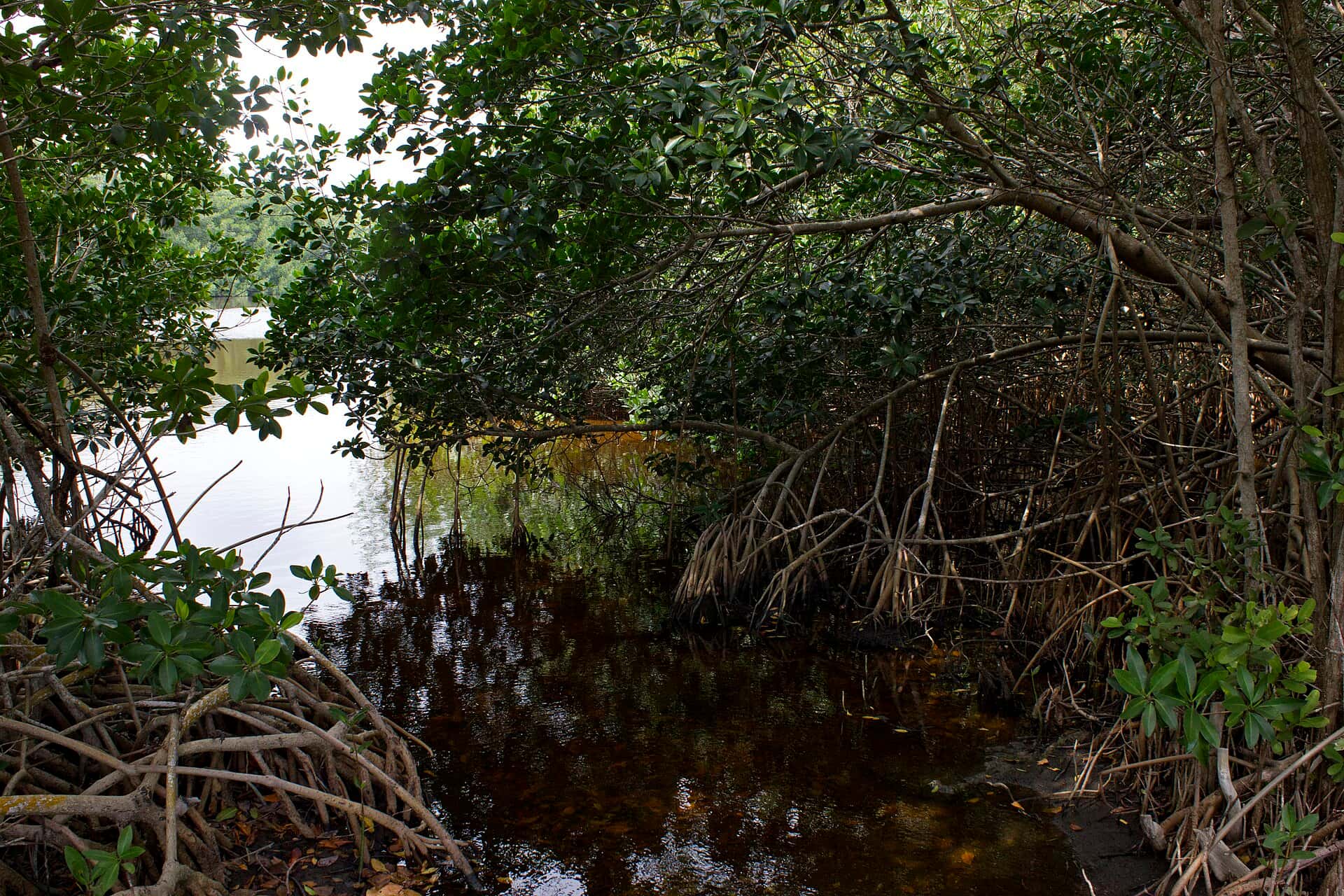
Two developments in Florida's long fight against red tide, a revised approach to Lake Okeechobee water releases and a new generation of treatment technology under testing at Mote Marine Laboratory, have given researchers cautious optimism about a problem that has repeatedly closed beaches and killed marine life along the state's Gulf coast.
Federal officials adopted changes in 2024 to how water is released from Lake Okeechobee, a shift designed to send more water south through the Everglades while reducing the harmful discharges that have historically flowed to estuaries along Florida's west coast. Researchers say the change could reduce conditions that fuel red tide.
Separately, researchers at Mote Marine Laboratory in Sarasota have been testing treatments designed to kill red tide organisms quickly without harming surrounding ecosystems. Some of those trials have shown reductions in algae levels exceeding 70 percent.
What red tide actually is
Red tide in Florida refers to blooms of Karenia brevis, a single-celled marine organism that occurs naturally in the Gulf. The organism produces brevetoxins, a class of neurotoxins that affect the nervous systems of fish, marine mammals, sea turtles and birds.
Blooms occur naturally and have been documented in Florida records going back centuries. What has changed is their duration and intensity, which researchers link to nutrient loading from land-based sources including agricultural runoff, wastewater discharges and stormwater carrying fertilizer from developed areas.
Brevetoxins become airborne when wave action breaks cells apart, which is why red tide produces respiratory irritation in people on and near affected beaches. Coughing, throat irritation and eye irritation are common, and people with asthma or chronic respiratory conditions can experience more severe effects.
The Lake Okeechobee connection
Lake Okeechobee sits at the center of South Florida's water management system. The Herbert Hoover Dike surrounds it, and the Army Corps of Engineers manages lake levels to balance flood control, water supply, navigation and ecological considerations.
Historically, when lake levels rose, the Corps released water east through the St. Lucie Canal and west through the Caloosahatchee River. Those releases carried nutrient-laden fresh water into estuaries, altering salinity and delivering nitrogen and phosphorus that can feed algal growth, including blue-green algae in fresh water and, indirectly, red tide conditions offshore.
The revised operating schedule adopted in 2024 sends a greater share of water south through the Everglades system, reducing the volume directed to the coastal estuaries. Restoration infrastructure built over the past two decades, including storage and treatment areas, made that redirection more feasible than it had been.
What Mote is testing
Mote Marine Laboratory has operated a red tide research program for decades and works under a state partnership focused on mitigation technology. The current generation of treatments under evaluation aims to reduce Karenia brevis cell counts in localized areas, such as a canal system or an enclosed bay, without collateral harm to other organisms.
Field trials have reported algae reductions of more than 70 percent in treated areas. Researchers have consistently cautioned that localized mitigation is not the same as bloom prevention, and that treating an offshore bloom covering hundreds of square miles is a different problem from treating a canal.
The practical value of localized treatment lies in protecting specific high-value or high-exposure areas, such as a public beach, a marina or a residential canal system where fish kills produce acute local impacts.
What it means for Floridians
For residents and visitors along the Gulf coast, the immediate practical guidance during a bloom is to check conditions before going to the beach. The Florida Fish and Wildlife Conservation Commission publishes red tide status maps updated regularly, and county health departments issue advisories.
People with respiratory conditions are advised to avoid affected beaches entirely during active blooms, since airborne brevetoxin exposure can trigger symptoms even without water contact. Symptoms typically resolve after leaving the area.
Shellfish harvesting closures accompany blooms in affected areas, because filter-feeding shellfish concentrate brevetoxins and can cause neurotoxic shellfish poisoning when consumed. Commercially harvested shellfish sold in stores comes from monitored waters and is subject to those closures.
Local impact across the state
Southwest Florida has borne the heaviest red tide impacts in recent decades, particularly Lee, Charlotte and Sarasota counties. Severe blooms have closed beaches for extended periods, produced substantial fish kills and generated measurable losses in tourism revenue.
Manatees have been among the most visible casualties. Brevetoxins can cause seizures in manatees that lead to drowning, and red tide events have contributed to manatee mortality alongside the separate seagrass loss crisis on the Atlantic coast in the Indian River Lagoon.
The Tampa Bay region has experienced blooms of varying severity, and a 2021 incident involving a wastewater release from the former Piney Point phosphate facility raised concerns about nutrient loading in the bay that researchers connected to subsequent algal activity.
Why nutrient loading is so hard to solve
Nitrogen and phosphorus enter Florida waters from sources that are diffuse and numerous, which makes them far harder to regulate than a single discharge pipe. Agricultural fertilizer application, residential lawn treatment, septic systems, wastewater treatment plant discharges and stormwater runoff all contribute.
Septic systems are a particular issue in Florida because of the state's geology and water table. Roughly a third of Florida households rely on septic rather than central sewer, and in areas with sandy soil and a shallow water table, nitrogen from those systems can reach groundwater and eventually surface water.
Local fertilizer ordinances have proliferated across Florida counties and municipalities, typically restricting application during the summer rainy season when runoff is most likely. Their effectiveness depends on compliance by both commercial applicators and residential users.
Wastewater infrastructure is the largest capital question. Converting septic areas to central sewer and upgrading treatment plants to advanced nutrient removal both require substantial investment, and funding has come through a combination of state appropriations, local utility rates and federal programs.
The economic stakes along the Gulf coast
Severe red tide events impose measurable economic costs on Florida's Gulf coast communities. Beach closures reduce tourism, restaurant traffic falls, vacation rental bookings are canceled, and commercial and recreational fishing are disrupted.
Published analyses of major bloom events have estimated regional losses in the tens of millions of dollars, concentrated in the hospitality and recreation sectors. Those estimates typically capture direct spending losses and do not fully account for longer-term reputational effects on a destination.
Cleanup costs fall on local governments, which must remove dead fish from beaches and waterways during significant events. Those operations involve substantial labor and disposal expense and are unbudgeted in most years.
Property values in affected areas have been studied as well, with some analyses finding measurable effects on waterfront property transactions during and immediately after major blooms. Those effects appear to be transient in most cases rather than permanent.
Everglades restoration as the long game
The Comprehensive Everglades Restoration Plan, authorized by Congress in 2000, is among the largest environmental restoration efforts ever undertaken. Its central objective is to restore something closer to the historic flow of water south through the Everglades system toward Florida Bay.
The plan involves dozens of individual projects, including reservoirs, stormwater treatment areas, canal modifications and bridging of the Tamiami Trail to allow water to move south rather than being blocked. Each component has its own funding, design and construction timeline.
Progress has been slower than the original schedule contemplated, a common outcome for projects of this scale and complexity. Funding has come from both state and federal appropriations, with the split negotiated over successive budget cycles.
The connection to red tide runs through water management. Every acre-foot of water stored or routed south is water not discharged to the Caloosahatchee or St. Lucie estuaries, which is the mechanism by which restoration infrastructure affects coastal water quality.
Blue-green algae and the freshwater side
Red tide is a marine phenomenon, but Florida faces a parallel problem in fresh water from cyanobacteria, commonly called blue-green algae. Those blooms occur in Lake Okeechobee itself and in the canals and rivers connected to it.
Cyanobacteria produce different toxins than Karenia brevis, including microcystin, which affects the liver. Exposure occurs through skin contact, ingestion of contaminated water and, in some circumstances, inhalation of aerosolized material near affected water bodies.
Because discharges from Lake Okeechobee carry water that may contain cyanobacteria, freshwater blooms in the lake can be transported into coastal estuaries. That transport is one of the connections between lake management and coastal water quality.
The Florida Department of Environmental Protection monitors freshwater algal blooms and issues health advisories when sampling identifies toxin levels of concern. Those advisories are published by water body and updated as conditions change.
Wildlife impacts beyond fish
Red tide events produce fish kills that are the most visible impact, but the effects extend across the marine food web. Sea turtles, which are protected under federal law, are affected by brevetoxin exposure and strand in elevated numbers during blooms.
Seabirds that feed on affected fish accumulate toxins as well, and rehabilitation facilities along the Gulf coast receive increased intake during significant events. Those facilities operate largely on donations and volunteer labor.
Manatees face a compounded situation. Beyond red tide exposure on the Gulf coast, the population has been affected by seagrass loss in the Indian River Lagoon on the Atlantic side, which produced a multi-year mortality event driven by starvation rather than toxins.
The Florida Fish and Wildlife Conservation Commission tracks marine mammal and sea turtle strandings and works with permitted rehabilitation facilities on response. Reporting a distressed animal to the commission's wildlife hotline is the appropriate step for anyone who encounters one.
What's next
The Army Corps of Engineers continues to operate Lake Okeechobee under the revised schedule, and its effects will become clearer over multiple wet and dry seasons. Water management outcomes in a system this large are typically assessed over years rather than months.
Everglades restoration projects funded through state and federal appropriations continue to come online, including storage reservoirs designed to hold water that would otherwise be discharged to the estuaries. Each project that enters service changes the operational options available to water managers.
The Florida Fish and Wildlife Conservation Commission maintains red tide monitoring, and its sampling results and status maps remain the primary public source for current conditions along the coast.
Spotted an issue with this article?
Have something to say about this story?
Write a letter to the editorComments
No comments yet. Be the first to weigh in.
Related Coverage

Record King Tides and Heavy Rain Swamp South Florida Streets as Water Managers Warn the Season Peaks Oct. 27
20h ago

Florida's loggerhead sea turtles set preliminary nesting record
2d ago
Florida Anglers Get a 14-Day Fall Atlantic Red Snapper Season Starting Oct. 9
4d ago

King Tides Swamp South Florida Streets and Shut Down Two Miles of A1A
5d ago