NextEra-Dominion Merger Hearings End in Virginia as $67 Billion Deal Awaits Jan. 11 Ruling: What It Means for FPL
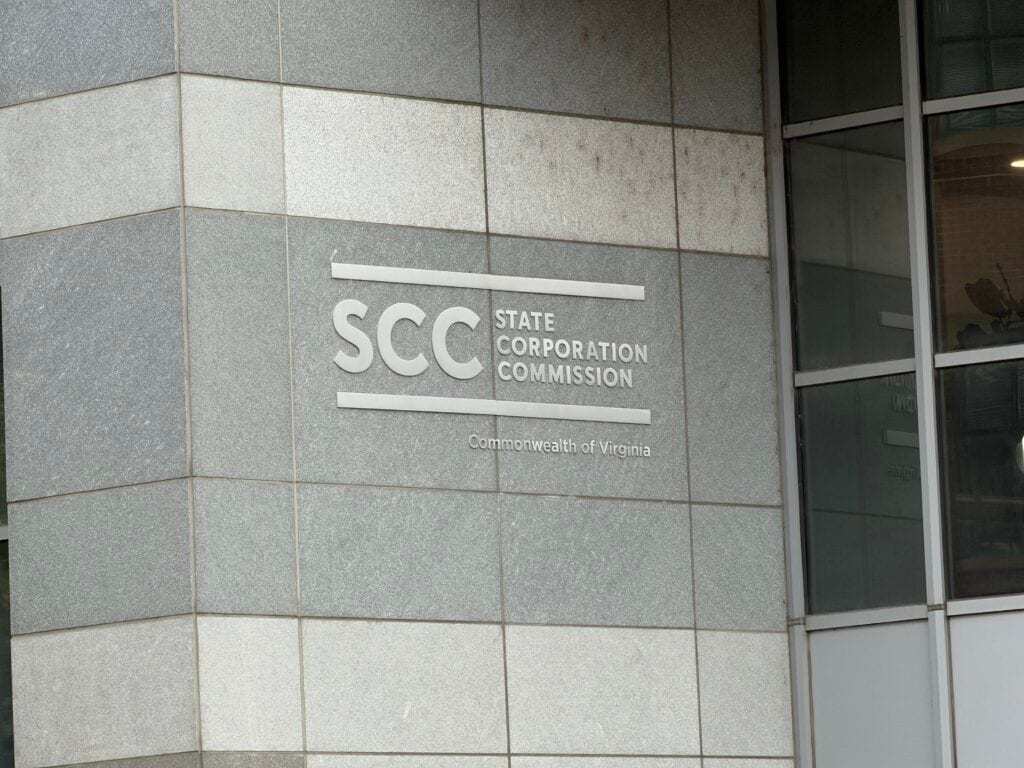
Virginia regulators have finished taking testimony on NextEra Energy's proposed $67 billion purchase of Dominion Energy. The ruling, which is due by Jan. 11, 2027, is the biggest single test yet for the deal by Florida's largest utility owner. Evidentiary hearings before the Virginia State Corporation Commission (SCC) began Nov. 17 and wrapped up the week of Thanksgiving. The SCC staff and the state's consumer counsel still oppose the merger as proposed. NextEra, based in Juno Beach, owns Florida Power & Light. If the deal goes through, a Palm Beach County company would control what its announcement called the world's largest regulated electric utility business.
The deal
NextEra and Dominion signed their merger agreement on May 15, 2026, and announced it three days later, according to NextEra's filing with the Securities and Exchange Commission. It is an all-stock deal. Dominion shareholders will get 0.8138 NextEra shares for each Dominion share, plus their portion of a one-time $360 million cash payment. When it closes, current NextEra shareholders would own about 74.5% of the combined company and Dominion shareholders about 25.5%.
The combined company would serve about 10 million customers in Florida, Virginia, North Carolina and South Carolina, the Tampa Bay Times reported at the time of the announcement. NextEra has committed to keeping Dominion's headquarters in Richmond and an operating headquarters in Cayce, South Carolina. It has also pledged a new office tower in Richmond as a co-headquarters, with 600 new jobs, according to a Virginia Chamber study NextEra shared with employees. Shareholders of both companies approved the deal in September.
What happened at the SCC
Under Virginia law, the SCC has 180 days from the July 15 filing to decide, which puts its deadline on Jan. 11. Parties must file post-hearing briefs by Dec. 14, including the conditions they want imposed if the commission approves the deal, VPM News reported.
In October, the SCC staff recommended that the commission reject the merger as proposed. The staff said it would not oppose approval if the companies accepted a long list of additional requirements. The Office of the Attorney General's Division of Consumer Counsel, under Attorney General Jay Jones, also opposed the deal as proposed. VPM reported that both cited the risk posed by NextEra Energy Resources, NextEra's large portfolio of businesses that are not rate-regulated. Gov. Abigail Spanberger has also urged the commission to reject the deal unless dozens of conditions are met, according to a Richmond Times-Dispatch report that NextEra reposted in an SEC filing.
The companies say they have accepted 101 of the 117 conditions proposed by the staff and the consumer counsel, and 13 more with changes, Axios reported. The main disputes are:
- Rate freeze: Dominion rejected the six-year freeze sought by the governor and the three-year freeze sought by the consumer counsel.
- Board independence: The staff wants independent directors added to the Virginia utility's board. Dominion offered two, not the majority the staff wants. Dominion CEO Bob Blue called the staff's plan to expand the board from three to seven members risky.
- Jobs: Dominion offered to keep its Virginia headcount steady for five years. The staff asked for 10.
- Ring-fencing: Dominion agreed to create a special purpose entity to protect the utility but wants it to stay dormant unless NextEra's credit rating falls to Dominion's level.
The final days of the hearing had some tense moments. Commissioner Bagot questioned Blue about a photo of two NextEra employees laughing among protesters on the first day. NextEra CEO John Ketchum said in rebuttal testimony that those employees had been fired, VPM reported.
What Virginia customers are being offered
The companies' first offer in May was $2.25 billion in bill credits over two years, with 79% going to Dominion's Virginia customers. In September, they stretched a $10 monthly residential credit from two years to four and added $100 million for Dominion's EnergyShare bill assistance program. The Virginia Chamber study that NextEra circulated puts the Virginia credits at $1.87 billion over four years, or about $500 per residential customer. A Dominion spokesperson told Axios that state regulators will decide the final amount.
What it means for FPL customers
The Florida Public Service Commission is not one of the regulators that must sign off. NextEra's SEC filing lists the Virginia, North Carolina and South Carolina commissions, the Federal Energy Regulatory Commission, the Nuclear Regulatory Commission and federal antitrust review. FPL says nothing changes for its customers. "Nothing about our operating accountability to the Florida Public Service Commission changes," spokesperson Andrew Sutton told the Tampa Bay Times in May. "FPL will continue operating as a separate regulated utility just like today." He added that FPL customers "won't subsidize data centers in Florida much less data centers in Virginia."
Florida's consumer advocate does not accept that. Public Counsel Walt Trierweiler said Floridians "no doubt" helped pay for the acquisition through their bills. He called it "an abuse of the regulatory compact" and argued that the benefits would mostly go to NextEra's operations outside Florida. His office and other consumer groups are appealing FPL's 2025 rate increase, which the Times described as roughly $7 billion, to the Florida Supreme Court.
Unlike Virginia, Florida customers have not been offered merger bill credits. Data centers are a big part of the deal's logic, because Dominion serves Northern Virginia's Data Center Alley. Gov. Ron DeSantis has signed a law requiring data centers in Florida to cover their own electricity costs, and the Florida PSC is still working out how to carry it out.
The Virginia case has also touched on Florida politics. The SCC ordered that a 2021 memo sent to then-NextEra CEO James Robo by Matrix LLC, an Alabama political consulting firm that once worked for NextEra, remain sealed. Former Matrix operatives have been tied to Florida's 2020 ghost-candidate scandals, in which sham candidates were run to pull votes from Democrats, and Florida reporters have seen only a heavily redacted version of the memo.
Other approvals still pending
The U.S. Justice Department has closed its antitrust review, Utility Dive reported. The companies agreed to let the New England grid's market monitor review proposed power plant closures for five years. FERC and the NRC have not ruled.
| Regulator | Status |
|---|---|
| Virginia SCC | Hearings done; briefs due Dec. 14; ruling by Jan. 11 |
| South Carolina PSC | Evidentiary hearings set to begin Dec. 8 |
| North Carolina Utilities Commission | Hearings expected in February |
| FERC | Pending |
| Nuclear Regulatory Commission | Pending |
| Justice Department | Antitrust review closed |
What's next
The companies have said they expect the deal to close in the second half of 2027. The merger agreement sets an outside date of Nov. 15, 2027, which can be pushed to Aug. 15, 2028 if regulatory approvals are still outstanding. Closing also requires that no approval impose what the agreement calls a "Burdensome Condition." That makes the Virginia commission's choice of conditions in January as important as its yes or no. For Floridians, the main questions are whether FPL stays as insulated as the company promises, and whether the fight over who paid for the deal resurfaces in FPL's next trip before state regulators.
Spotted an issue with this article?
Have something to say about this story?
Write us a letterComments
No comments yet. Be the first to weigh in.
Related Coverage

Central Florida Tourism Rolls Into the Holidays With a Record September Tax Haul, Busy Airport and Rising Bookings
3h ago

Strawberries are scarce and pricey before Thanksgiving, and Plant City's harvest is weeks away
1d ago

Project Tango Lawyer Threatened to Sue Palm Beach County and Its Zoning Director Days Before Staff Approved a Data Center Expansion
2d ago
Only About 1 in 5 Florida Flood Victims Had Flood Insurance, and the Claims Could Push Homeowners Premiums Higher
3d ago