Orange County Raises Dengue Alert After Confirming More Locally Acquired Cases
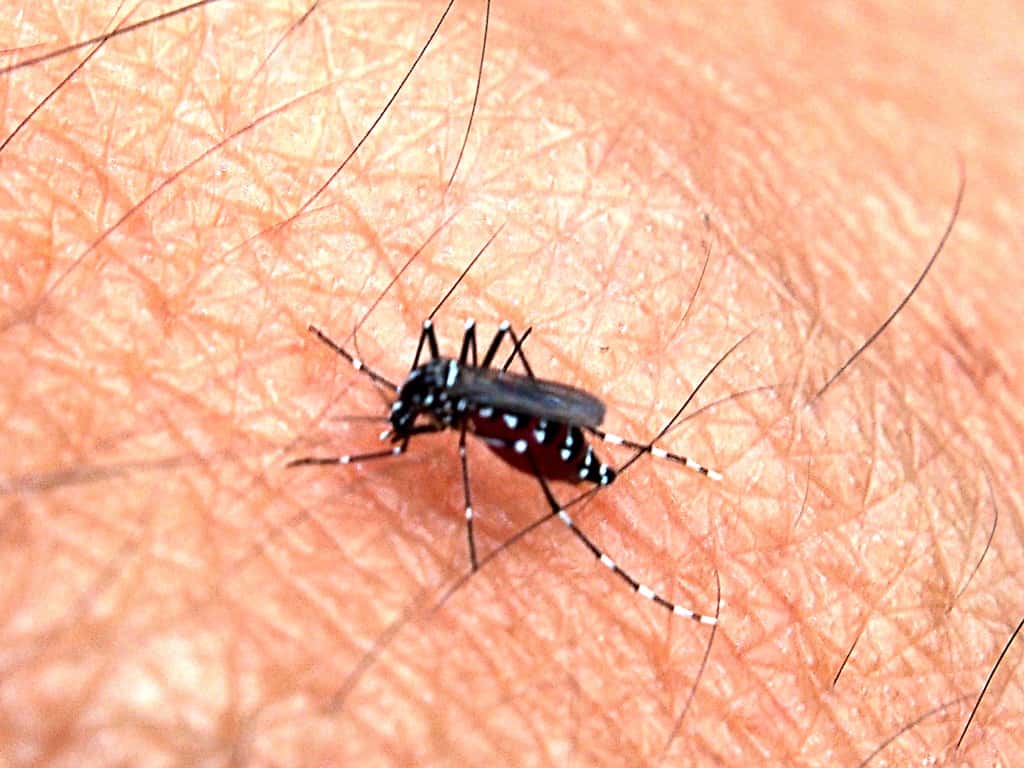
Health officials in Orange County have elevated a mosquito-borne illness advisory to an alert after confirming additional cases of locally acquired dengue fever, the first time the Florida Department of Health has issued a mosquito-borne illness alert in the county since 2011.
The escalation followed confirmation of two additional dengue patients in the Apopka area, announced Friday, September 18. The county's first locally acquired case of the year was confirmed September 2 in the Pine Hills area, which prompted the initial advisory.
The distinction between an advisory and an alert matters. An advisory signals elevated mosquito-borne disease activity and asks residents to take precautions. An alert indicates the department has determined there is a heightened risk of transmission in the community, and it triggers more aggressive surveillance and control measures.
"Locally acquired" is the operative phrase in both announcements. It means the patients contracted the virus from mosquitoes in Florida rather than while traveling abroad, which indicates the virus is circulating in the local mosquito population rather than arriving with returning travelers.
What dengue is and how it spreads
Dengue is a viral illness transmitted primarily through the bite of an infected Aedes aegypti mosquito, a species well established across much of Florida. The mosquito is a daytime biter, breeds in small containers of standing water around homes, and rarely travels far from where it emerged.
Most dengue infections produce mild illness or no symptoms at all. When symptoms occur, they typically include fever, severe headache, pain behind the eyes, muscle and joint pain, nausea and rash, generally beginning four to 10 days after an infective bite and lasting two to seven days.
A small fraction of cases progress to severe dengue, which can involve plasma leakage, severe bleeding and organ impairment, and which requires prompt medical care. The risk of severe disease is higher on a second infection with a different dengue serotype than on a first infection, which is one reason repeat local transmission is a public health concern rather than a nuisance.
There is no specific antiviral treatment for dengue. Management is supportive, focused on fluids and fever control. Health authorities routinely caution against aspirin and non-steroidal anti-inflammatory drugs in suspected dengue because of bleeding risk, and advise acetaminophen instead.
The response in Orange County
Orange County Mosquito Control has conducted targeted spraying and enhanced surveillance in Pine Hills, in Apopka and more broadly across the county following the case confirmations. Targeted control means treating the area around a confirmed case to interrupt transmission before the virus spreads further through the local mosquito population.
Control operations for Aedes aegypti are harder than for the species responsible for most nuisance biting. Because the mosquito breeds in small artificial containers close to houses, effective control depends heavily on source reduction at individual properties rather than on area-wide spraying alone.
That is why health departments emphasize the drain-and-cover message during dengue activity. Draining standing water from gutters, buckets, tarps, plant saucers, bird baths, tires and pool covers removes breeding habitat. Covering skin with clothing and using repellents registered with the Environmental Protection Agency reduces exposure.
Repellents containing DEET, picaridin, oil of lemon eucalyptus or IR3535 are the ones health agencies consistently recommend. Because Aedes aegypti bites during daylight hours, repellent use during the day is more relevant for dengue prevention than the dusk-to-dawn timing associated with other mosquito-borne illnesses.
The statewide picture
Florida has reported approximately 152 locally acquired dengue cases this year, which state reporting indicates is the second-highest annual total of Florida-acquired dengue on record. That figure places 2026 among the more active years since the state began seeing recurring local transmission.
Local dengue transmission in Florida is not new but it is not routine either. The state saw a notable cluster in 2023 that exceeded 150 cases, and Miami-Dade and Palm Beach counties have historically accounted for a substantial share of locally acquired infections because of climate, mosquito density and travel volume.
The Florida Department of Health conducts year-round statewide surveillance for mosquito-borne illnesses including West Nile virus, Eastern equine encephalitis, St. Louis encephalitis, malaria, chikungunya and dengue. County health departments issue advisories and alerts based on local case counts and mosquito testing results.
Orange County's alert is significant precisely because it is unusual there. The department's last mosquito-borne illness alert in the county came in 2011 and was driven by West Nile virus, a different pathogen with a different transmission cycle involving birds and a different mosquito species.
Why Central Florida, and why now
Late September sits at the tail of Florida's wet season, and the accumulated standing water from a summer of afternoon thunderstorms creates ideal breeding conditions. Heavy rainfall in the weeks before the case confirmations would have expanded available habitat considerably.
Orange County's combination of dense residential development, substantial international travel through Orlando International Airport and a climate that supports year-round Aedes aegypti populations creates the conditions for imported virus to seed local transmission.
The mechanism works like this: a traveler returns infected, a local mosquito bites them during the viremic period, that mosquito becomes infectious, and subsequent bites transmit the virus to neighbors. Because Aedes aegypti has a limited flight range, local clusters tend to be geographically tight, which is why control efforts focus on specific neighborhoods.
Pine Hills and Apopka are distinct areas within the county, and the appearance of cases in both suggests more than one transmission focus rather than a single contained cluster. That geographic separation is part of what elevates the assessment from advisory to alert.
What Central Florida residents should do
The most effective individual action is source reduction around the home, repeated weekly. Aedes aegypti can complete its life cycle in a container holding as little as a bottle cap of water, and eggs can survive drying for months before hatching when water returns.
Residents should walk the property weekly and empty or scrub anything holding water: plant saucers, pet bowls, toys, wheelbarrows, boat covers, clogged gutters, and the ridges of tarps and pool covers. Screens on windows and doors should be intact, and rain barrels should be sealed or screened.
Anyone who develops fever with severe headache, joint or muscle pain, pain behind the eyes or rash should contact a health care provider and mention possible mosquito exposure, particularly if they live in or have visited the Pine Hills or Apopka areas. Reporting matters because case confirmation drives where control resources go.
Warning signs that warrant immediate care include severe abdominal pain, persistent vomiting, bleeding from the gums or nose, blood in vomit or stool, and extreme fatigue or restlessness, particularly in the day or two after a fever breaks. That period is when severe dengue typically manifests.
The broader Florida health context
Orange County's dengue alert arrived in the same month as other county-level health advisories elsewhere in Florida. The Department of Health in Palm Beach County issued a health alert and no-swim advisory following a wastewater spill into a waterway connected to the Intracoastal near Boca Raton.
Water quality testing in Miami-Dade found that Dog Beach on the south side of Virginia Key did not meet recreational water quality criteria for Enterococcus bacteria in sampling completed September 11. Franklin County in the Panhandle issued a water quality health advisory on September 18.
These are separate events with separate causes, and grouping them risks implying a pattern that does not exist. What they share is the county-level advisory system Florida uses to communicate localized health risks, which is worth understanding because it operates continuously and quietly most of the time.
Residents can check current advisories through their county health department's website, which posts mosquito-borne illness advisories, alerts and water quality notices as they are issued and rescinds them when conditions change.
Central Florida's mosquito control infrastructure
Florida operates one of the most extensive mosquito control systems in the country, organized through county programs and independent mosquito control districts that predate most modern public health infrastructure in the state.
Those programs conduct surveillance using trapping and testing, larval control through treatment of breeding sites, and adult control through ground and aerial application. The surveillance component is what allows a program to detect rising activity before human cases appear.
Funding varies substantially across Florida. Independent districts with dedicated taxing authority generally have more consistent resources than county programs competing within a general fund, which produces uneven capability across county lines.
Insecticide resistance is a growing operational concern nationally, and programs monitor susceptibility to maintain effectiveness. Resistance develops through repeated exposure, which is why programs rotate products and rely on source reduction rather than chemical control alone.
Other mosquito-borne illnesses Florida tracks
Dengue is one of several mosquito-borne diseases under statewide surveillance. West Nile virus, transmitted by Culex mosquitoes in a cycle involving birds, produces sporadic human cases across Florida most years.
Eastern equine encephalitis is rarer and considerably more dangerous, with a high fatality rate among those who develop neurological illness. Florida monitors it through sentinel chicken flocks that are tested for antibodies.
Chikungunya and Zika, both transmitted by the same Aedes aegypti mosquito that carries dengue, have produced local transmission in Florida in past years. Zika's 2016 transmission in Miami-Dade prompted an extensive response.
Malaria, which was eliminated from the United States decades ago, produced locally acquired cases in Florida in 2023, a development that drew national attention and underscored that the mosquito species capable of transmitting it remain present.
What's next
The alert remains in effect while surveillance and control operations continue. Health departments typically maintain an alert until several weeks pass without new locally acquired cases, reflecting the incubation period of the virus and the lifespan of infected mosquitoes.
Florida's mosquito season does not end with September. Aedes aegypti populations persist through the fall in Central and South Florida, and transmission risk declines gradually with cooler and drier conditions rather than stopping on a calendar date.
A cold front moving through Central Florida this week was forecast to bring drier air, which reduces new breeding habitat. Drier conditions help, but existing containers and existing infected mosquitoes do not disappear with a front, and the drain-and-cover guidance holds regardless.
State health officials will continue reporting case counts through routine surveillance updates. Residents who want to track the situation can follow the Florida Department of Health in Orange County, which has posted each advisory update as cases have been confirmed.
Spotted an issue with this article?
Have something to say about this story?
Write a letter to the editorComments
No comments yet. Be the first to weigh in.
Related Coverage
Florida Confirms a Dengue Death as Hillsborough County Drives One of the Worst Outbreaks on Record
1d ago
Florida Health Officials Flag Water Quality and Mosquito Risks as Wet Season Winds Down
4d ago

Florida Revives Plan to Drop Four School Vaccine Requirements as Doctors and Cancer Groups Object
5d ago
Florida Moves to Let Pharmacists Give the Chikungunya Vaccine as Miami-Dade Drives Case Count
5d ago